

Chinese Sparrowhawk vs Besra
Tachyspiza soloensis contro Tachyspiza virgata
Fai un quiz con Chinese Sparrowhawk e Besra
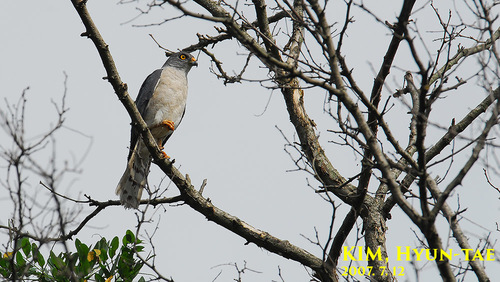 Chinese Sparrowhawk
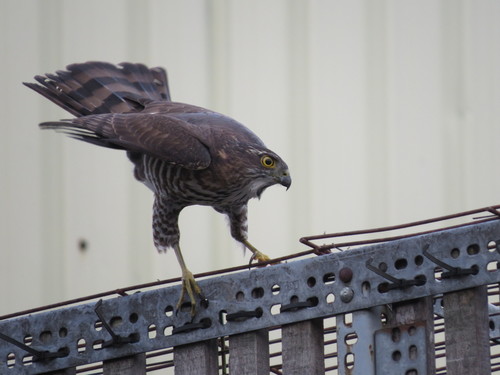 Besra
In breve
Il segno di campo più affidabile tra Chinese Sparrowhawk e Besra è il modello delle ali e delle parti inferiori, specialmente nei giovani e nelle femmine. I giovani Chinese Sparrowhawk mostrano parti inferiori striate e punte delle ali nere meno pronunciate, mentre i giovani Besra sono barrati sotto e hanno un sottovolo fortemente barrato. I maschi adulti di Chinese Sparrowhawk sono chiari sotto con occhi rossi, mentre i maschi di Besra sono più scuri e barrati di marrone rossiccio sotto. Entrambi sono simili in dimensioni, ma Besra è tipicamente più scuro e più pesantemente barrato, con un modello di coda distintivo. Le differenze strutturali e comportamentali sono sottili, quindi concentrati sui segni del sottovolo e delle parti inferiori, specialmente in volo.
Consigli di identificazione
- Juvenile underpart pattern: I giovani Chinese Sparrowhawk sono striati sotto (non barrati), mentre i giovani Besra sono barrati di marrone sotto. Questo è il segno più affidabile negli uccelli immaturi, specialmente in volo o in vista perpendicolare delle parti inferiori.
- Juvenile underwing: I giovani Besra hanno un sottovolo fortemente barrato, mentre i giovani Chinese Sparrowhawk mostrano striature (eccetto per le copritrici) e punte delle ali nere meno pronunciate.
- Adult male underparts: I maschi di Chinese Sparrowhawk sono bianchi sotto con poco o nessun barrato, mentre i maschi di Besra sono bianchi ma fortemente barrati di marrone rossiccio sotto. Cerca parti inferiori pulite vs. barrate.
- Adult female underwing and breast: Le femmine di Chinese Sparrowhawk hanno rufous sul petto e sulle copritrici del sottovolo, mentre le femmine di Besra sono più marroni sopra e mostrano forti barre sotto e sul sottovolo.
- Wingtip pattern: I maschi adulti di Chinese Sparrowhawk hanno punte delle ali nere pronunciate, specialmente nei maschi. Besra non ha questa caratteristica; la sua punta dell'ala non è marcata in modo unico.
- Tail pattern: Besra di tutte le età mostra 3–4 bande scure di dimensioni uguali sulla coda superiore. Chinese Sparrowhawk non ha questa bande di coda, quindi una coda chiaramente barrata indica Besra.
- Eye color: I maschi adulti di Chinese Sparrowhawk hanno occhi rossi, mentre gli adulti di Besra (e le femmine/giovani di Chinese Sparrowhawk) hanno occhi gialli. Usa questo solo se il sesso/l'età è chiaro.
- Upperparts: Besra è generalmente più scura sopra (blu-grigio scuro nei maschi, marrone nelle femmine/giovani) rispetto al grigio più chiaro dei maschi di Chinese Sparrowhawk.
- Gular stripe: Besra ha una striscia gulare più ampia rispetto a Chinese Sparrowhawk, ma questa può essere sottile e variabile.
- Legs and toes: Besra è descritta come avente gambe e dita sottili e lunghe, ma questa è una differenza sottile e non sempre affidabile sul campo.
- Flight style: Besra mostra spesso uno stile di volo 'battito-battito-planata', ma questo non è unico e non dovrebbe essere usato come separatore principale.
- Habitat context: Besra è più probabile trovarla in foreste dense o in copertura profonda, specialmente come residente, ma entrambe le specie possono sovrapporsi in boschi più aperti.
- Sexual dimorphism: Le femmine di entrambe le specie sono più grandi, ma la sovrapposizione delle dimensioni è ampia e non è un segno di campo affidabile.
- Confusion risk: Gli uccelli immaturi in volo sono spesso confusi; concentrati sul modello delle parti inferiori e del sottovolo (striate vs. barrate) e sulle bande della coda.
- When in doubt: Se il barrato è forte sotto e sul sottovolo, e la coda è chiaramente barrata, è più probabile che sia Besra. Se le parti inferiori sono striate e le punte delle ali sono nere (specialmente in un uccello più chiaro), inclina verso Chinese Sparrowhawk.
Taglia
Entrambe le specie sono molto simili in dimensioni, con Chinese Sparrowhawk che misura 30–36 cm e Besra 29–36 cm di lunghezza. Le femmine di entrambe le specie sono più grandi dei maschi. Non c'è una differenza di dimensioni affidabile sul campo tra di loro, quindi la dimensione da sola non è diagnostica. [wikipedia]
Piumaggio
-
Juvenile/immature: I giovani Chinese Sparrowhawk hanno un volto grigio, parti superiori marroni e occhi gialli. Le loro parti inferiori sono striate (non barrate), con cosce barrate. Le punte delle ali nere sono meno pronunciate, e i sottovoli sono striati eccetto per le copritrici. Al contrario, i giovani Besra sono marroni scuri sopra e bianchi sotto, ma crucialmente, le parti inferiori sono barrate di marrone, e il sottovolo è fortemente barrato in tutto. Entrambi hanno occhi gialli a questa età.
-
Adult male: I maschi di Chinese Sparrowhawk sono grigi sopra e bianchi sotto, con punte delle ali nere pronunciate e occhi rossi. I maschi di Besra sono blu-grigio scuro sopra, bianchi sotto ma fortemente barrati di marrone rossiccio, e hanno una striscia gulare più ampia. I loro sottovoli sono anche fortemente barrati.
-
Adult female: Le femmine di Chinese Sparrowhawk hanno rufous sul petto e sulle copritrici del sottovolo, occhi gialli e punte delle ali nere meno pronunciate. Le femmine di Besra sono più marroni sopra e mostrano anche forti barre sotto e sul sottovolo.
-
Tail: Besra di tutte le età mostra 3–4 bande scure di dimensioni uguali sulla coda superiore, una caratteristica non descritta per Chinese Sparrowhawk.
-
Eyes: I maschi adulti di Chinese Sparrowhawk hanno occhi rossi; le femmine e i giovani hanno occhi gialli. Gli adulti e i giovani di Besra hanno occhi gialli.
-
Summary: Concentrati sul modello delle parti inferiori e del sottovolo (striate vs. barrate), e nota la presenza o l'assenza di forti barre e bande della coda per la migliore separazione.
Comportamento
Entrambe le specie sono rapaci forestali agili, ma Besra è nota per il suo caratteristico modello di volo 'battito-battito-planata' ed è adattata per manovrare attraverso la vegetazione densa con ali corte e larghe e una lunga coda. Il comportamento di volo di Chinese Sparrowhawk non è dettagliato nelle note, ma entrambe le specie si affidano ad attacchi a sorpresa dalla copertura. Il comportamento da solo non è un separatore affidabile, ma Besra può apparire leggermente più adattata alla caccia nella foresta densa.
Habitat
Besra è un residente diffuso in foreste dense in tutta l'Asia meridionale e orientale, spesso rimanendo in copertura spessa ma emergendo in boschi più aperti, savane e coltivazioni in inverno. L'habitat di Chinese Sparrowhawk non è dettagliato nelle note, ma è generalmente meno legato alla foresta densa rispetto a Besra. Se vista in una foresta profonda, è più probabile che sia Besra, ma la sovrapposizione dell'habitat è significativa, quindi questo non è un segno di campo primario.