

Motmot

エントツアマツバメ 対 ノドジロハリオアマツバメ

Chaetura pelagica 対 Chaetura vauxi

エントツアマツバメとノドジロハリオアマツバメのクイズ
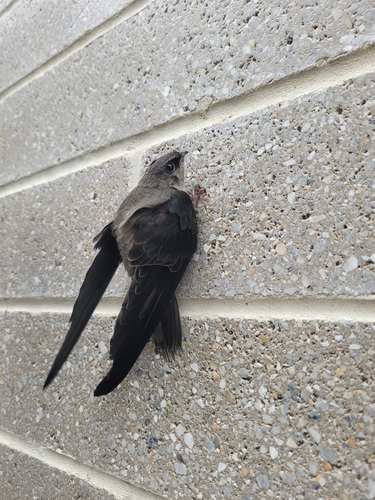
エントツアマツバメ (Chaetura pelagica) エントツアマツバメ
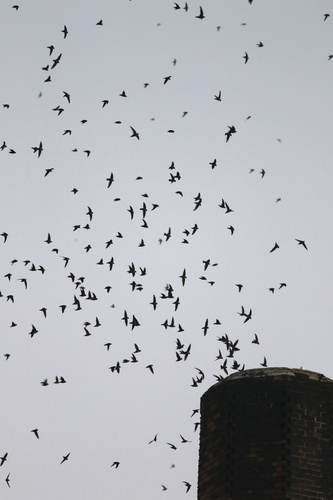
ノドジロハリオアマツバメ (Chaetura vauxi) ノドジロハリオアマツバメ

メディア

読み込み中…

要点

エントツアマツバメとノドジロハリオアマツバメの最も信頼できるフィールドマークは、全体のサイズと構造です:エントツアマツバメは明らかに大きく、翼が長く、より均一に暗いすすオリーブ色の羽毛とやや淡い喉を持っています。一方、ノドジロハリオアマツバメは小さく、短くてより四角い尾を持ち、より暗い黒っぽい上面の色合いです。幼鳥のエントツアマツバメは、外側の第二次羽と第三次羽の先端に白っぽい部分を示すことがありますが、これはノドジロハリオアマツバメには見られない微妙なマークです。飛行中、エントツアマツバメは「翼のある葉巻」のように見え—長く、細く、尾を超えて翼が大きく広がっています—一方、ノドジロハリオアマツバメはよりコンパクトで、鈍い尾とあまり伸びていない翼を持っています。両種は似たようなジズと飛行スタイルを共有していますが、サイズ、尾の形、微妙な羽毛の違いに注意を払うことで、特に混合群れや移動中にそれらを区別することができます。

識別のコツ

  1. Size and Structure: エントツアマツバメはノドジロハリオアマツバメよりも明らかに大きく、翼が長いです。直接比較や混合群れでは、エントツアマツバメのためにより大きく、より伸びた鳥を探してください。
  2. Tail Shape: 両者は短く、四角い尾を持っていますが、エントツアマツバメの尾はやや長く、棘のような先端(軸が最大1.3 cm突き出ている)を示します。一方、ノドジロハリオアマツバメの尾は鈍く、棘が少ないです。これは微妙ですが、止まっている時や高品質の飛行ビューで見ることができます。
  3. Wing Projection: エントツアマツバメの翼は折りたたんだ時に尾を大きく超えて伸び(最大3.8 cm)、休んでいる時にさらに長く見えます。ノドジロハリオアマツバメの翼は尾に対して相対的に短いです。
  4. Plumage Uniformity: エントツアマツバメは上面がすすオリーブ色で、背中と尾の間にほとんどコントラストがなく、喉はより淡いです。ノドジロハリオアマツバメは上面が暗い黒色で、よりコントラストのある灰褐色の尾と腹部を持ち、特に北部の鳥では喉がより淡い(時には白っぽい)です。
  5. Juvenile Marks: 幼鳥のエントツアマツバメは、外側の第二次羽と第三次羽の外側のウェブに白っぽい先端を示し、これは新鮮な巣立ち羽毛で最もよく見られます。ノドジロハリオアマツバメの幼鳥は喉の羽に暗い基部を持っていますが、翼のマークについては言及されていません。
  6. Flight Jizz: エントツアマツバメは「翼のある葉巻」のように見え、長く、細い体と翼を持っています。ノドジロハリオアマツバメは飛行中によりコンパクトで、あまり伸びていないです。
  7. Behavior at Roosts: ノドジロハリオアマツバメは移動中に巨大な共同の休息地を形成します(特にポートランドのチャップマン学校で)、一方、エントツアマツバメはより少ない数で休息し、しばしば単独または小さな群れで見られます。
  8. Bill and Feet: 両者は小さな黒いくちばしと足を持っており、フィールドでの区別には役立ちません。
  9. Sexes: 両種は羽毛において性別が同じであり、識別に性別を使用しないでください。
  10. Voice: ノドジロハリオアマツバメはより多様な鳴き声のレパートリー(おしゃべり、きしみ、ブンブン音)を持っていますが、エントツアマツバメの鳴き声はここでは詳細に説明されていません。注意して使用してください。
  11. Habitat/Range: 太平洋北西部と北アメリカ西部ではノドジロハリオアマツバメが期待され、エントツアマツバメは東部でより可能性があります。移動中に重複がある可能性があるため、範囲だけに依存しないでください。
  12. Perched Views: 両者は垂直な表面にしがみつきますが、エントツアマツバメの棘のある尾の先端がよく見える場合があります。
  13. Plumage Pitfalls: 両者は全体的に暗く、光が悪いと似て見えることがあります。まず構造とサイズに焦点を当ててください。
  14. Mixed Flocks: 両種は移動中に一緒に見られることがあります。自信を持って区別するために複数のマークを使用してください。
  15. Age Pitfalls: 幼鳥のエントツアマツバメの白っぽい翼の先端はすぐに色あせます。シーズンの後半にはこのマークに依存しないでください。

大きさ

エントツアマツバメは一貫して大きいです:体重は平均23.6 gで、ノドジロハリオアマツバメは18.5 gです [wikidata]。長さでは、エントツアマツバメは12–15 cm(翼幅27–30 cm)で、ノドジロハリオアマツバメは10.7–11.5 cm(翼幅は指定されていませんが、相対的に短いです)。フィールドでは、エントツアマツバメは翼が長く、より伸びて見え、折りたたんだ時に尾を最大3.8 cm超えて伸びているのに対し、ノドジロハリオアマツバメは明らかに小さく、よりコンパクトで、尾が短いです。

羽色

幼鳥のエントツアマツバメ(巣立ち後の最初の数ヶ月)は、外側の第二次羽と第三次羽の外側のウェブに白っぽい先端を示します。これはノドジロハリオアマツバメの幼鳥には記載されていない特徴で、主な違いは喉の羽の暗い基部です。両種の成鳥は全体的に暗いですが、エントツアマツバメは上面がすすオリーブ色で、下面が灰褐色、尾と喉がより淡いです;上面は非常に均一で、コントラストがほとんどありません。ノドジロハリオアマツバメは上面が暗い黒色で、灰褐色の腹部、尾、尾覆羽を持ち、北部の鳥ではより淡い(時には白っぽい)喉を持っています。エントツアマツバメの尾は短く、四角で、突き出た棘のある先端を持っています;ノドジロハリオアマツバメの尾も短く、四角ですが、鈍く、棘が少ないように見えます。両者は暗い目、黒いくちばし、足を持っていますが、エントツアマツバメの羽毛は全体的により均一で、コントラストが少ないです。

行動

両種は非常に空中性が高く、垂直な表面以外ではほとんど止まりません。エントツアマツバメの飛行は非常に不規則で、急速で震える羽ばたきと長い滑空を伴い、しばしば「翼のある葉巻」のように見えます。ノドジロハリオアマツバメも硬い翼の羽ばたきと不安定な滑空を使用しますが、空中ではさらにコンパクトで、あまり伸びていないように見えることがあります。ノドジロハリオアマツバメは特に社交的で、大きな群れで見られることが多く、特に煙突などの移動中の休息地で見られます。両種は混合アマツバメの群れで見ることができますが、ノドジロハリオアマツバメは移動中の巨大な共同の休息地で特に知られています。

生息環境

両種は休息と巣作りのために煙突や類似の垂直構造を使用し、特に都市や郊外の地域で見られます。ノドジロハリオアマツバメは太平洋北西部のレンガの煙突での巨大な秋の休息地で有名で、エントツアマツバメは北アメリカ東部に広く分布しています。移動中や都市環境での生息地の重複が可能ですが、ノドジロハリオアマツバメは北アメリカ西部で、エントツアマツバメは東部でより可能性があります。両者は一部の移動回廊で一緒に見られることがあります。

声

ノドジロハリオアマツバメはおしゃべり、ブンブン音、きしみ、チップ音など、より多様な鳴き声のレパートリーを持っていますが、エントツアマツバメの声はノートに詳細が記載されていません。鳴き声は区別のための最も信頼できるフィールドマークではありませんが、ノドジロハリオアマツバメはより多様で単調でない音に聞こえることがあります。

より良い説明を送る

比較と同じ項目を使ってください。文章はすぐに公開されます。

The most reliable field mark between Chimney Swift and Vaux's Swift is overall size and structure: Chimney Swift is distinctly larger and longer-winged, with a more uniformly dark, sooty-olive plumage and a slightly paler throat, while Vaux's Swift is smaller, with a shorter, more squared tail and a duskier blackish upperpart tone. Juvenile Chimney Swifts can show whitish tips to the outer secondaries and tertials, a subtle mark not present in Vaux's. In flight, Chimney Swift appears as a 'cigar with wings'—long, slender, and with wings extending well past the tail—whereas Vaux's Swift is more compact, with a blunter tail and less elongated wings. Both species share a similar jizz and flight style, but careful attention to size, tail shape, and subtle plumage differences can separate them, especially in mixed flocks or migration.

  1. Size and Structure: Chimney Swift is noticeably larger and longer-winged than Vaux's Swift. In direct comparison or mixed flocks, look for the larger, more stretched bird for Chimney Swift.
  2. Tail Shape: Both have short, squared tails, but Chimney Swift's tail is slightly longer and shows spiny tips (shafts projecting up to 1.3 cm), while Vaux's Swift's tail is blunter and less spiny. This is subtle but can be seen when perched or in high-quality flight views.
  3. Wing Projection: Chimney Swift's wings extend well past the tail when folded (up to 3.8 cm), making the bird look even more elongated at rest. Vaux's Swift's wings are shorter relative to the tail.
  4. Plumage Uniformity: Chimney Swift is sooty olive above with little contrast between back and rump, and a paler throat. Vaux's Swift is dusky black above, with a more contrasting grayish brown rump and underparts, and a paler (sometimes whitish) throat, especially in northern birds.
  5. Juvenile Marks: Juvenile Chimney Swifts show whitish tips to the outer webs of the secondaries and tertials, best seen in fresh post-fledging plumage. Vaux's Swift juveniles have dusky bases to throat feathers, but no mention of wing markings.
  6. Flight Jizz: Chimney Swift appears as a 'cigar with wings,' with a long, slender body and wings. Vaux's Swift is more compact and less elongated in flight.
  7. Behavior at Roosts: Vaux's Swift forms enormous communal roosts in migration (notably at Portland's Chapman School), while Chimney Swift roosts in smaller numbers, often singly or in small groups.
  8. Bill and Feet: Both have tiny black bills and feet, not useful for separation in the field.
  9. Sexes: Both species are sexually monomorphic in plumage; do not use sex for identification.
  10. Voice: Vaux's Swift has a more varied call repertoire (chatters, squeaks, buzzes), while Chimney Swift's calls are not detailed here; use with caution.
  11. Habitat/Range: In the Pacific Northwest and western North America, Vaux's Swift is expected; Chimney Swift is more likely in the east. Overlap is possible in migration, so do not rely solely on range.
  12. Perched Views: Both cling to vertical surfaces, but Chimney Swift's spiny tail tips may be visible if seen well.
  13. Plumage Pitfalls: Both are overall dark and can look similar in poor light; focus on structure and size first.
  14. Mixed Flocks: Both species can occur together in migration; use multiple marks for confident separation.
  15. Age Pitfalls: Juvenile Chimney Swifts' whitish wing tips fade quickly; do not rely on this mark late in the season.

Chimney Swift is consistently larger: body mass averages 23.6 g vs. 18.5 g for Vaux's Swift [wikidata]. In length, Chimney Swift measures 12–15 cm (wingspan 27–30 cm), while Vaux's Swift is 10.7–11.5 cm (wingspan not specified, but proportionally shorter). In the field, Chimney Swift looks longer-winged and more stretched, with wings extending up to 3.8 cm beyond the tail when folded, while Vaux's Swift is noticeably smaller, more compact, and with a shorter tail.

Juvenile Chimney Swifts (in their first few months post-fledging) show whitish tips to the outer webs of the secondaries and tertials, a feature not described for Vaux's Swift juveniles, whose main difference is dusky bases to throat feathers. Adults of both species are overall dark, but Chimney Swift is sooty olive above and grayish brown below, with a paler rump and throat; the upperparts are very uniform with little contrast. Vaux's Swift is dusky black above, with grayish brown underparts, rump, and tail coverts, and a paler, sometimes whitish, throat in northern birds. The tail of Chimney Swift is short and square with projecting spiny tips; Vaux's Swift's tail is also short and squared but appears blunter and less spiny. Both have dark eyes, black bills, and feet, but Chimney Swift's plumage is more uniform and less contrasting overall.

Both species are highly aerial, rarely perching except on vertical surfaces. Chimney Swift's flight is described as highly erratic, with rapid, quivering flaps and long glides, often appearing as a 'cigar with wings.' Vaux's Swift also uses stiff wing-beats and unsteady glides, but may appear even more compact and less elongated in the air. Vaux's Swift is notably gregarious, often seen in large flocks, especially at migration roosts such as chimneys. Both species can be seen in mixed swift flocks, but Vaux's is especially known for massive communal roosts during migration.

Both species use chimneys and similar vertical structures for roosting and nesting, especially in urban and suburban areas. Vaux's Swift is famous for its huge autumn roosts in brick chimneys in the Pacific Northwest, while Chimney Swift is widespread in eastern North America. Habitat overlap is possible during migration or in urban settings, but Vaux's Swift is more likely in western North America, and Chimney Swift in the east. Both can occur together in some migration corridors.

Vaux's Swift has a more varied vocal repertoire, with chattering, buzzes, squeaks, and chips, while Chimney Swift's voice is not detailed in the notes. Calls are not the most reliable field mark for separation, but Vaux's Swift may sound more varied and less monotonous.

変更を破棄しますか?

保存していない編集があります。今離れると失われます。

エントツアマツバメ · ノドジロハリオアマツバメ · 苦手な鳥