

Chimney Swift vs Vaux's Swift
Chaetura pelagica contro Chaetura vauxi
Fai un quiz con Chimney Swift e Vaux's Swift
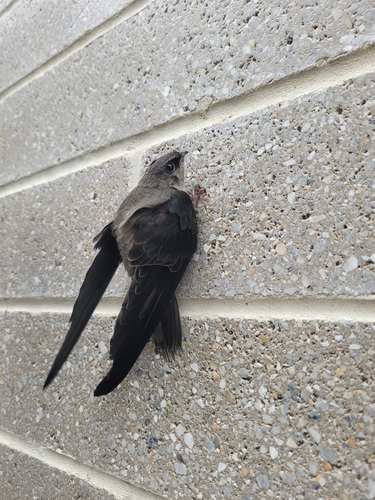 Chimney Swift
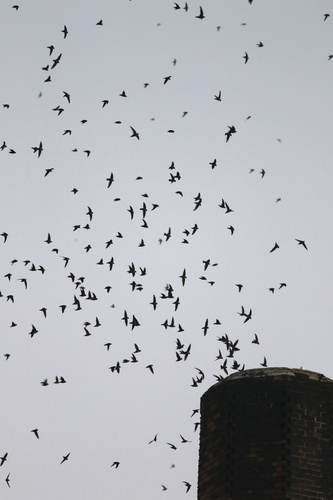 Vaux's Swift
In breve
Il segno distintivo più affidabile tra Chimney Swift e Vaux's Swift è la dimensione e la struttura complessiva: Chimney Swift è decisamente più grande e con ali più lunghe, con un piumaggio di un colore olivastro scuro e uniforme e una gola leggermente più chiara, mentre Vaux's Swift è più piccolo, con una coda più corta e squadrata e un tono superiore di un nero più scuro. I giovani Chimney Swift possono mostrare punte bianche sulle seconde e terze remiganti esterne, un segno sottile non presente in Vaux's. In volo, Chimney Swift appare come un 'sigaro con ali'—lungo, snodato, e con ali che si estendono ben oltre la coda—mentre Vaux's Swift è più compatto, con una coda più smussata e ali meno allungate. Entrambe le specie condividono un aspetto e uno stile di volo simili, ma un'attenta attenzione alla dimensione, alla forma della coda e alle sottili differenze nel piumaggio può separarle, specialmente in stormi misti o durante la migrazione.
Consigli di identificazione
- Dimensione e Struttura: Chimney Swift è notevolmente più grande e con ali più lunghe rispetto a Vaux's Swift. In confronto diretto o in stormi misti, cerca l'uccello più grande e più allungato per Chimney Swift.
- Forma della Coda: Entrambi hanno code corte e squadrate, ma la coda di Chimney Swift è leggermente più lunga e mostra punte spinose (asta che si proietta fino a 1,3 cm), mentre la coda di Vaux's Swift è più smussata e meno spinosa. Questo è sottile ma può essere visto quando sono posati o in viste di volo di alta qualità.
- Proiezione delle Ali: Le ali di Chimney Swift si estendono ben oltre la coda quando sono piegate (fino a 3,8 cm), facendo apparire l'uccello ancora più allungato a riposo. Le ali di Vaux's Swift sono più corte rispetto alla coda.
- Uniformità del Piumaggio: Chimney Swift è di un olivastro scuro sopra con poco contrasto tra schiena e groppa, e una gola più chiara. Vaux's Swift è di un nero scuro sopra, con una groppa e parti inferiori di un marrone grigiastro più contrastante, e una gola più chiara (a volte biancastra), specialmente negli uccelli settentrionali.
- Segni Giovanili: I giovani Chimney Swift mostrano punte bianche sulle membrane esterne delle seconde e terze remiganti, meglio visibili nel piumaggio fresco post-nascita. I giovani di Vaux's Swift hanno basi scure sulle piume della gola, ma non si menzionano segni sulle ali.
- Aspetto in Volo: Chimney Swift appare come un 'sigaro con ali,' con un corpo lungo e snodato e ali. Vaux's Swift è più compatto e meno allungato in volo.
- Comportamento nei Luoghi di Riposo: Vaux's Swift forma enormi luoghi di riposo comuni durante la migrazione (notoriamente alla Chapman School di Portland), mentre Chimney Swift si riposa in numeri più piccoli, spesso singolarmente o in piccoli gruppi.
- Becco e Zampe: Entrambi hanno piccoli becchi e zampe nere, non utili per la separazione sul campo.
- Sessi: Entrambe le specie sono sessualmente monomorfiche nel piumaggio; non usare il sesso per l'identificazione.
- Voce: Vaux's Swift ha un repertorio di richiami più vario (chiacchiere, squittii, ronzii), mentre i richiami di Chimney Swift non sono dettagliati qui; usare con cautela.
- Habitat/Distribuzione: Nel Pacifico Nord-Ovest e nel nord-ovest dell'America, ci si aspetta Vaux's Swift; Chimney Swift è più probabile nell'est. È possibile sovrapposizione durante la migrazione, quindi non fare affidamento solo sulla distribuzione.
- Viste da Posato: Entrambi si aggrappano a superfici verticali, ma le punte spinose della coda di Chimney Swift possono essere visibili se viste bene.
- Trappole del Piumaggio: Entrambi sono complessivamente scuri e possono sembrare simili in scarsa illuminazione; concentrati prima sulla struttura e sulla dimensione.
- Stormi Misti: Entrambe le specie possono verificarsi insieme durante la migrazione; usa più segni per una separazione sicura.
- Trappole di Età: Le punte bianche delle ali dei giovani Chimney Swift sbiadiscono rapidamente; non fare affidamento su questo segno tardi nella stagione.
Taglia
Chimney Swift è costantemente più grande: la massa corporea media è di 23,6 g contro 18,5 g per Vaux's Swift [wikidata]. In lunghezza, Chimney Swift misura 12–15 cm (apertura alare 27–30 cm), mentre Vaux's Swift è 10,7–11,5 cm (apertura alare non specificata, ma proporzionalmente più corta). Sul campo, Chimney Swift appare con ali più lunghe e più allungato, con ali che si estendono fino a 3,8 cm oltre la coda quando piegate, mentre Vaux's Swift è visibilmente più piccolo, più compatto e con una coda più corta.
Piumaggio
I giovani Chimney Swift (nei loro primi mesi dopo la nascita) mostrano punte bianche sulle membrane esterne delle seconde e terze remiganti, una caratteristica non descritta per i giovani di Vaux's Swift, la cui principale differenza è la base scura delle piume della gola. Gli adulti di entrambe le specie sono complessivamente scuri, ma Chimney Swift è di un olivastro scuro sopra e marrone grigiastro sotto, con una groppa e una gola più chiare; le parti superiori sono molto uniformi con poco contrasto. Vaux's Swift è di un nero scuro sopra, con parti inferiori, groppa e copritrici della coda di un marrone grigiastro, e una gola più chiara, a volte biancastra, negli uccelli settentrionali. La coda di Chimney Swift è corta e quadrata con punte spinose proiettanti; la coda di Vaux's Swift è anch'essa corta e squadrata ma appare più smussata e meno spinosa. Entrambi hanno occhi scuri, becchi neri e zampe, ma il piumaggio di Chimney Swift è più uniforme e meno contrastante nel complesso.
Comportamento
Entrambe le specie sono altamente aeree, raramente si posano tranne che su superfici verticali. Il volo di Chimney Swift è descritto come altamente erratico, con battiti rapidi e tremolanti e lunghi planate, apparendo spesso come un 'sigaro con ali.' Vaux's Swift utilizza anche battiti d'ali rigidi e planate instabili, ma può apparire ancora più compatto e meno allungato in aria. Vaux's Swift è notevolmente gregario, spesso visto in grandi stormi, specialmente nei luoghi di riposo durante la migrazione come i camini. Entrambe le specie possono essere viste in stormi misti di swift, ma Vaux's è particolarmente nota per enormi luoghi di riposo comuni durante la migrazione.
Habitat
Entrambe le specie utilizzano camini e strutture verticali simili per riposare e nidificare, specialmente in aree urbane e suburbane. Vaux's Swift è famosa per i suoi enormi luoghi di riposo autunnali in camini di mattoni nel Pacifico Nord-Ovest, mentre Chimney Swift è diffusa nel nord-est dell'America. È possibile sovrapposizione dell'habitat durante la migrazione o in contesti urbani, ma Vaux's Swift è più probabile nel nord-ovest dell'America, e Chimney Swift nell'est. Entrambi possono verificarsi insieme in alcuni corridoi migratori.
Voce
Vaux's Swift ha un repertorio vocale più vario, con chiacchiere, ronzii, squittii e colpi, mentre la voce di Chimney Swift non è dettagliata nelle note. I richiami non sono il segno più affidabile per la separazione, ma Vaux's Swift può suonare più vario e meno monotono.