

Motmot

ワキチャアメリカムシクイ 対 ノドグロルリアメリカムシクイ

Setophaga pensylvanica 対 Setophaga caerulescens

ワキチャアメリカムシクイとノドグロルリアメリカムシクイのクイズ
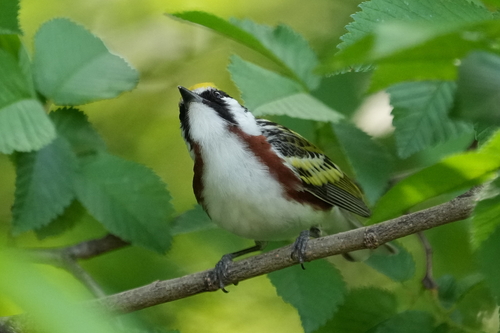
ワキチャアメリカムシクイ (Setophaga pensylvanica) ワキチャアメリカムシクイ
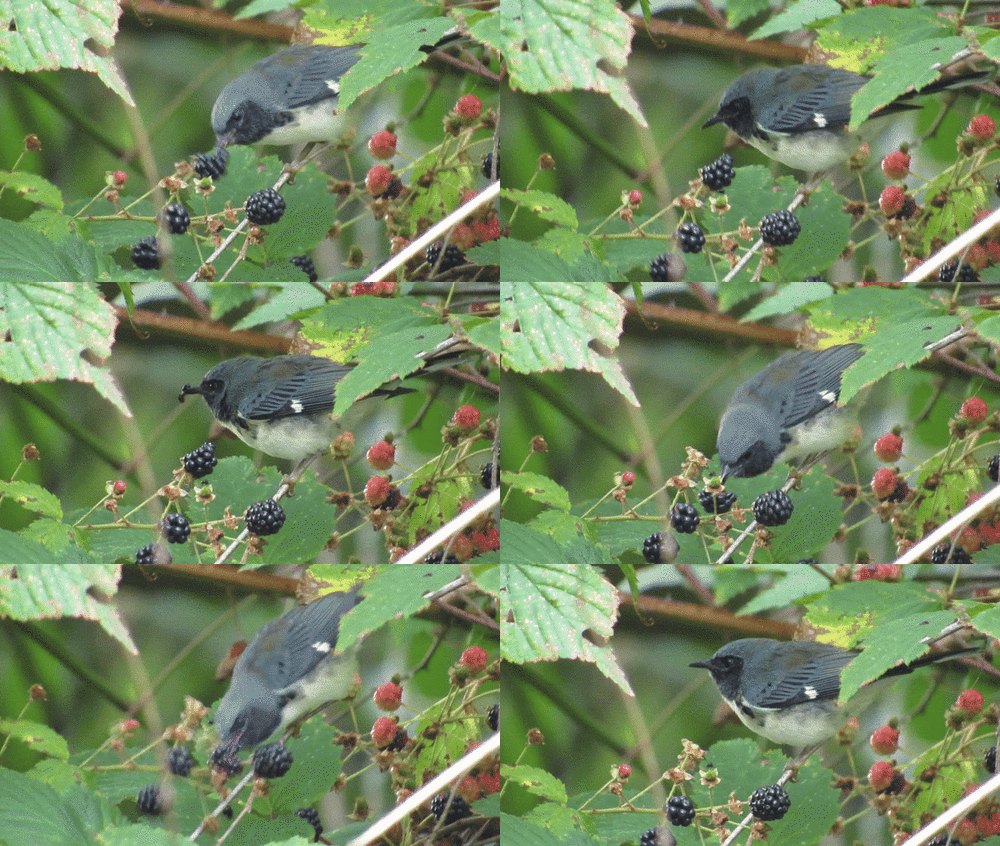
ノドグロルリアメリカムシクイ (Setophaga caerulescens) ノドグロルリアメリカムシクイ

メディア

読み込み中…

要点

幼鳥と雌のワキチャアメリカムシクイは常に2つの明確な白い翼帯を示しますが、すべての年齢のノドグロルリアメリカムシクイは、見えにくい小さな白い翼の斑点(帯ではない)を持っています。 成熟した雄のワキチャアメリカムシクイは、黄色い冠と栗色の側面が目を引きますが、雄のノドグロルリアメリカムシクイは、黒い喉と青い上面を持っています。雌と幼鳥はより難しいです:ワキチャアメリカムシクイの雌は灰色がかっており、黄色がかった緑の冠を持ち、常に翼帯があります;ノドグロルリアメリカムシクイの雌はオリーブブラウンで、翼帯がなく、一次羽の基部に小さな白い斑点を示すことがあります。飛んでいるときや止まっているときは、まず翼の模様と全体の色調に注目してください。両種は北アメリカ東部の多くの地域で重なりますが、好む生息地は異なります。

識別のコツ

  1. 翼帯を数える: どの年齢または性別のワキチャアメリカムシクイも、2つの明確な白い翼帯を示します;ノドグロルリアメリカムシクイは真の翼帯を持たず、一次羽の基部に小さな白い斑点(時には隠れていることもあります)だけがあります。
  2. 黄色がかった緑の冠を探す: ワキチャアメリカムシクイ(特に非繁殖期、雌、幼鳥)は黄色がかった緑の冠を示し、ノドグロルリアメリカムシクイにはありません。
  3. 栗色の側面を確認する: 繁殖羽の成熟した雄のワキチャアメリカムシクイは、側面に大胆な栗色の筋を持っていますが、ノドグロルリアメリカムシクイはこれを示しません。
  4. 固体の黒い喉と顔: 成熟した雄のノドグロルリアメリカムシクイだけが、固体の黒い喉と顔、深い青い上面を持っています。ワキチャアメリカムシクイはこの組み合わせを持ちません。
  5. 雌と幼鳥の混同: 雌のワキチャアメリカムシクイは灰色がかっており、翼帯と黄色がかった緑の冠を持っています;雌のノドグロルリアメリカムシクイは上面がオリーブブラウンで、下面が淡い黄色、翼帯がなく、時には小さな白い翼の斑点を持つことがあります。
  6. 幼鳥の特徴: 幼鳥のワキチャアメリカムシクイは2つの翼帯と黄色がかった冠を持っています;幼鳥のノドグロルリアメリカムシクイは茶色でクリーミーな眉斑、下面に茶色の斑点があり、翼帯がありません。
  7. 白い翼の斑点と帯の違い: ノドグロルリアメリカムシクイの白い翼の斑点は小さく、一次羽の基部にあり、覆羽にわたる帯ではありません;これはすべての年齢と性別での重要な特徴です。
  8. 顔の模様: ワキチャアメリカムシクイは白い顔に黒い目の筋を持っています(特に雄において);ノドグロルリアメリカムシクイの雄は固体の黒い顔を持ち、雌は茶色の頬の斑点を持っています。
  9. 下面の色: ワキチャアメリカムシクイは常に下面が白い(栗色の有無にかかわらず)ですが、雌のノドグロルリアメリカムシクイは下面が淡い黄色がかっています。
  10. 生息地の文脈: ワキチャアメリカムシクイは茂みの多い、再生中の、またはエッジの生息地にいる可能性が高く、ノドグロルリアメリカムシクイは密な下層植生の成熟した森林を好みます。
  11. 季節の変化: ワキチャアメリカムシクイは非繁殖羽で翼帯と黄色がかった緑の冠を保持します;ノドグロルリアメリカムシクイは地味になりますが、依然として翼帯がありません。
  12. サイズと構造: 両者はサイズと構造が似ています;これを分離のために頼るべきではありません。
  13. 鳴き声: 「ズィー・ズィー・ズィー」というバズ音を聞いたら、ノドグロルリアメリカムシクイを疑ってくださいが、ワキチャアメリカムシクイの歌はここでは説明されていません。
  14. くちばしと姿: 両者は典型的なムシクイの細く尖ったくちばしを持っています;くちばしの形や長さに信頼できる違いはありません。
  15. 落とし穴: 幼鳥と雌のノドグロルリアメリカムシクイは他の地味なムシクイとしばしば間違えられますが、翼帯の欠如と小さな白い翼の斑点の存在が重要です。ワキチャアメリカムシクイは常に2つの翼帯を示し、地味な羽毛でもそうです。

大きさ

両種はサイズと質量が似ており、ワキチャアメリカムシクイは長さ10〜14 cm、体重8〜13.1 gで、ノドグロルリアメリカムシクイは約13 cm、体重8.4〜12.4 gです。翼幅は重なります(ワキチャアメリカムシクイ:16〜21 cm;ノドグロルリアメリカムシクイ:19〜20 cm)。野外では、サイズは信頼できる分離要因ではありません。

羽色

行動

両種は中層と下層で活発に採餌し、しばしば葉の間を素早く移動します。フィールドで信頼できる分離を行うための強い行動の違いは、情報源には記載されていません。

生息環境

ワキチャアメリカムシクイは茂みの多い二次成長、再生中の伐採地、エッジを好み、しばしば若いまたは乱された森林にいます。ノドグロルリアメリカムシクイは、特に内部の密な下層植生を持つ成熟した広葉樹または混合森林に典型的です。範囲は重なりますが、文脈が役立つことがあります:ワキチャアメリカムシクイは茂みの多い、開けた、または再生中の地域にいる可能性が高く、ノドグロルリアメリカムシクイは古い、密な森にいます。

声

ノドグロルリアメリカムシクイは、上向きの抑揚を持つバズ音の「ズィー・ズィー・ズィー」という歌と平坦な「クトゥク」という呼び声を出します。ワキチャアメリカムシクイの歌と呼び声は提供されたメモには記載されていないため、声はここでは信頼できる分離要因ではありません。

より良い説明を送る

比較と同じ項目を使ってください。文章はすぐに公開されます。

Juvenile and female Chestnut-sided Warblers always show two clear white wing bars, while Black-throated Blue Warblers of all ages have a single small white wing patch (not a bar) that can be hard to see. Adult male Chestnut-sided Warblers are striking with a yellow crown and chestnut flanks, while male Black-throated Blue Warblers have a solid black throat and blue upperparts. Females and immatures are trickier: Chestnut-sided females are grayish with yellow-green crowns and always have wing bars; Black-throated Blue females are olive-brown, lack wing bars, and may show a small white spot at the base of the primaries. In flight or perched, focus first on the wing pattern and overall color tones. Both species overlap in much of eastern North America, but their preferred habitats differ.

  1. Count the wing bars: Chestnut-sided Warbler of any age or sex shows two distinct white wing bars; Black-throated Blue Warbler never has true wing bars, only a single small white patch at the base of the primaries (sometimes hidden).
  2. Look for the yellow-green crown: Chestnut-sided Warbler (especially non-breeding, females, and immatures) shows a yellow-green crown, absent in Black-throated Blue.
  3. Check for chestnut flanks: Adult male Chestnut-sided Warbler in breeding plumage has bold chestnut streaks along the flanks—never shown by Black-throated Blue.
  4. Solid black throat and face: Only adult male Black-throated Blue Warbler has a solid black throat and face with deep blue upperparts. Chestnut-sided never has this combination.
  5. Female and immature confusion: Female Chestnut-sided is grayish with wing bars and yellow-green crown; female Black-throated Blue is olive-brown above, light yellow below, lacks wing bars, and may have a small white wing spot.
  6. Juvenile marks: Juvenile Chestnut-sided Warbler has two wing bars and a yellowish crown; juvenile Black-throated Blue is brown with a creamy supercilium, brownish spots below, and no wing bars.
  7. White wing patch vs. bars: The Black-throated Blue's white wing spot is small and at the base of the primaries, not a bar across the coverts; this is a key mark in all ages and sexes.
  8. Face pattern: Chestnut-sided Warbler has a white face with a black eyestripe (especially in males); Black-throated Blue male has a solid black face, female has brown cheek patches.
  9. Underpart color: Chestnut-sided Warbler is always white below (with or without chestnut), while female Black-throated Blue is light yellowish below.
  10. Habitat context: Chestnut-sided Warbler is more likely in brushy, regenerating, or edge habitats; Black-throated Blue prefers mature forests with dense understory.
  11. Seasonal changes: Chestnut-sided Warbler retains wing bars and yellow-green crown in non-breeding plumage; Black-throated Blue becomes drabber but still lacks wing bars.
  12. Size and structure: Both are similar in size and structure; do not rely on this for separation.
  13. Vocalizations: If you hear a buzzy 'zee-zee-zeeee' song, suspect Black-throated Blue, but Chestnut-sided's song is not described here.
  14. Bill and jizz: Both have thin, pointed bills typical of warblers; no reliable difference in bill shape or length.
  15. Pitfalls: Immature and female Black-throated Blue Warblers are often mistaken for other dull warblers, but the lack of wing bars and presence of a small white wing spot are key. Chestnut-sided Warbler always shows two wing bars, even in drab plumages.

Both species are similar in size and mass, with Chestnut-sided Warbler measuring 10–14 cm in length and weighing 8–13.1 g, and Black-throated Blue Warbler about 13 cm and 8.4–12.4 g. Wingspans overlap (Chestnut-sided: 16–21 cm; Black-throated Blue: 19–20 cm). In the field, size is not a reliable separator.

  • Juveniles and immatures: Chestnut-sided Warbler juveniles and non-breeding birds of both sexes have two strong white wing bars and a yellow-green crown, with plain pale underparts and a white eye-ring. Black-throated Blue Warbler juveniles are brown above with a creamy supercilium and brownish spots on the underparts, lacking wing bars but sometimes showing a small white wing patch at the base of the primaries.
  • Adult males (breeding): Chestnut-sided: white underparts with bold chestnut flanks, white face, black eyestripe, yellow crown, and two white wing bars. Black-throated Blue: white underparts, solid black throat and face, deep blue upperparts, and a single small white wing patch (not a bar).
  • Adult females: Chestnut-sided: grayish with yellow-green crown, always two white wing bars, little to no chestnut on flanks, weak head pattern. Black-throated Blue: olive-brown above, light yellow below, gray crown, brown cheek patches, no wing bars, sometimes a small white spot at wing base.
  • Non-breeding: Chestnut-sided Warbler retains wing bars and yellow-green crown; Black-throated Blue becomes drabber but still lacks wing bars, with the wing patch sometimes visible.

Both species are active foragers in the midstory and understory, often moving quickly through foliage. No strong behavioral differences are noted in the sources that would reliably separate them in the field.

Chestnut-sided Warbler prefers shrubby second-growth, regenerating clearcuts, and edges, often in young or disturbed forests. Black-throated Blue Warbler is more typical of mature deciduous or mixed forests with dense understory, especially in the interior. While ranges overlap, context can help: Chestnut-sided is more likely in brushy, open, or regenerating areas; Black-throated Blue in older, denser woods.

Black-throated Blue Warbler gives a buzzy 'zee-zee-zeeee' song with an upward inflection and a flat 'ctuk' call. Chestnut-sided Warbler's song and call are not described in the provided notes, so voice is not a reliable separator here.

変更を破棄しますか?

保存していない編集があります。今離れると失われます。

ワキチャアメリカムシクイ · ノドグロルリアメリカムシクイ · 苦手な鳥