

Chestnut-sided Warbler vs Black-throated Blue Warbler
Setophaga pensylvanica contro Setophaga caerulescens
Fai un quiz con Chestnut-sided Warbler e Black-throated Blue Warbler
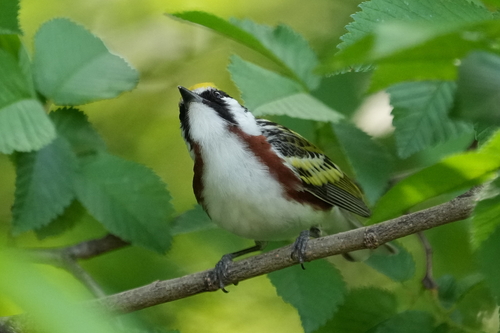 Chestnut-sided Warbler
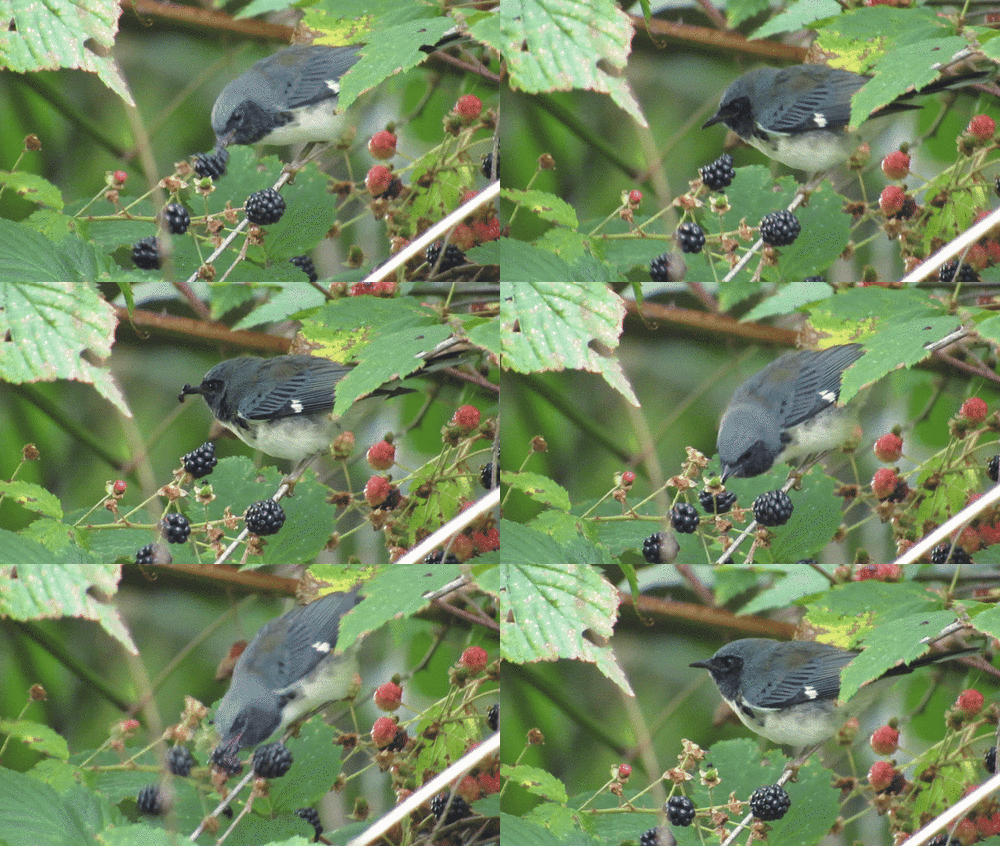 Black-throated Blue Warbler
In breve
I giovani e le femmine di Chestnut-sided Warbler mostrano sempre due chiare bande bianche sulle ali, mentre i Black-throated Blue Warbler di tutte le età hanno una piccola macchia bianca sulle ali (non una banda) che può essere difficile da vedere. I maschi adulti di Chestnut-sided Warbler sono sorprendenti con una corona gialla e fianchi castani, mentre i maschi di Black-throated Blue Warbler hanno una gola nera solida e parti superiori blu. Le femmine e gli immaturi sono più complicati: le femmine di Chestnut-sided sono grigie con corone giallo-verdi e hanno sempre bande sulle ali; le femmine di Black-throated Blue sono oliva-marroni, mancano di bande sulle ali e possono mostrare una piccola macchia bianca alla base delle primarie. In volo o posate, concentrati prima sul modello delle ali e sui toni di colore complessivi. Entrambe le specie si sovrappongono in gran parte dell'est dell'America del Nord, ma i loro habitat preferiti differiscono.
Consigli di identificazione
- Conta le bande sulle ali: Il Chestnut-sided Warbler di qualsiasi età o sesso mostra due bande bianche distinte; il Black-throated Blue Warbler non ha mai vere bande sulle ali, solo una piccola macchia bianca alla base delle primarie (a volte nascosta).
- Cerca la corona giallo-verde: Il Chestnut-sided Warbler (soprattutto non in riproduzione, femmine e immaturi) mostra una corona giallo-verde, assente nel Black-throated Blue.
- Controlla i fianchi castani: Il maschio adulto di Chestnut-sided Warbler in abito nuziale ha strisce castane audaci lungo i fianchi—mai mostrato dal Black-throated Blue.
- Gola e faccia nere solide: Solo il maschio adulto di Black-throated Blue Warbler ha una gola e una faccia nere solide con parti superiori blu scuro. Il Chestnut-sided non ha mai questa combinazione.
- Confusione tra femmine e immaturi: La femmina di Chestnut-sided è grigia con bande sulle ali e corona giallo-verde; la femmina di Black-throated Blue è oliva-marrone sopra, gialla chiara sotto, manca di bande sulle ali e può avere una piccola macchia bianca.
- Segni giovanili: Il giovane Chestnut-sided Warbler ha due bande sulle ali e una corona giallastra; il giovane Black-throated Blue è marrone con un supercilium cremoso, macchie marroni sotto e senza bande sulle ali.
- Macchia bianca sulle ali vs. bande: La macchia bianca del Black-throated Blue è piccola e alla base delle primarie, non una banda attraverso le copritrici; questo è un segno chiave in tutte le età e sessi.
- Modello del viso: Il Chestnut-sided Warbler ha un viso bianco con una striscia nera sugli occhi (soprattutto nei maschi); il maschio di Black-throated Blue ha un viso nero solido, la femmina ha macchie marroni sulle guance.
- Colore della parte inferiore: Il Chestnut-sided Warbler è sempre bianco sotto (con o senza castano), mentre la femmina di Black-throated Blue è giallastra chiara sotto.
- Contesto dell'habitat: Il Chestnut-sided Warbler è più probabile in habitat cespugliosi, in rigenerazione o ai margini; il Black-throated Blue preferisce foreste mature con un sottobosco denso.
- Cambiamenti stagionali: Il Chestnut-sided Warbler mantiene bande sulle ali e corona giallo-verde in abito non riproduttivo; il Black-throated Blue diventa più opaco ma continua a mancare di bande sulle ali.
- Dimensioni e struttura: Entrambi sono simili in dimensioni e struttura; non fare affidamento su questo per la separazione.
- Vocalizzazioni: Se senti un canto 'zee-zee-zeeee' ronzante, sospetta il Black-throated Blue, ma il canto del Chestnut-sided non è descritto qui.
- Becco e jizz: Entrambi hanno becchi sottili e appuntiti tipici dei warbler; non ci sono differenze affidabili nella forma o lunghezza del becco.
- Trappole: I Black-throated Blue Warbler immaturi e femminili sono spesso scambiati per altri warbler opachi, ma la mancanza di bande sulle ali e la presenza di una piccola macchia bianca sono chiave. Il Chestnut-sided Warbler mostra sempre due bande sulle ali, anche in piumaggi opachi.
Taglia
Entrambe le specie sono simili in dimensioni e massa, con il Chestnut-sided Warbler che misura 10–14 cm di lunghezza e pesa 8–13,1 g, e il Black-throated Blue Warbler circa 13 cm e 8,4–12,4 g. Le aperture alari si sovrappongono (Chestnut-sided: 16–21 cm; Black-throated Blue: 19–20 cm). Sul campo, le dimensioni non sono un separatore affidabile.
Piumaggio
- Giovani e immaturi: I giovani e gli uccelli non in riproduzione di Chestnut-sided Warbler di entrambi i sessi hanno due forti bande bianche sulle ali e una corona giallo-verde, con parti inferiori chiare e un anello oculare bianco. I giovani di Black-throated Blue Warbler sono marroni sopra con un supercilium cremoso e macchie marroni sulle parti inferiori, mancando di bande sulle ali ma a volte mostrando una piccola macchia bianca alla base delle primarie.
- Maschi adulti (riproduzione): Chestnut-sided: parti inferiori bianche con fianchi castani audaci, viso bianco, striscia nera sugli occhi, corona gialla e due bande bianche sulle ali. Black-throated Blue: parti inferiori bianche, gola e faccia nere solide, parti superiori blu scuro e una piccola macchia bianca (non una banda).
- Femmine adulte: Chestnut-sided: grigie con corona giallo-verde, sempre due bande bianche sulle ali, poco o nessun castano sui fianchi, modello della testa debole. Black-throated Blue: oliva-marrone sopra, gialla chiara sotto, corona grigia, macchie marroni sulle guance, senza bande sulle ali, a volte una piccola macchia bianca alla base dell'ala.
- Non in riproduzione: Il Chestnut-sided Warbler mantiene bande sulle ali e corona giallo-verde; il Black-throated Blue diventa più opaco ma continua a mancare di bande sulle ali, con la macchia sulle ali a volte visibile.
Comportamento
Entrambe le specie sono cercatori attivi nel sottobosco e nel sottobosco, spesso muovendosi rapidamente attraverso il fogliame. Non sono state notate forti differenze comportamentali nelle fonti che possano separarle in modo affidabile sul campo.
Habitat
Il Chestnut-sided Warbler preferisce la vegetazione cespugliosa, le aree di rigenerazione e i margini, spesso in foreste giovani o disturbate. Il Black-throated Blue Warbler è più tipico delle foreste decidue mature o miste con un sottobosco denso, specialmente nell'interno. Anche se gli areali si sovrappongono, il contesto può aiutare: il Chestnut-sided è più probabile in aree cespugliose, aperte o in rigenerazione; il Black-throated Blue in boschi più vecchi e densi.
Voce
Il Black-throated Blue Warbler emette un canto 'zee-zee-zeeee' ronzante con un'inflessione ascendente e un richiamo piatto 'ctuk'. Il canto e il richiamo del Chestnut-sided Warbler non sono descritti nelle note fornite, quindi la voce non è un separatore affidabile qui.
Chestnut-sided Warbler · Black-throated Blue Warbler · I miei uccelli difficili