

Motmot

クリハラヒメウソ 対 ヒメコメワリ

Sporophila castaneiventris 対 Sporophila angolensis

クリハラヒメウソとヒメコメワリのクイズ
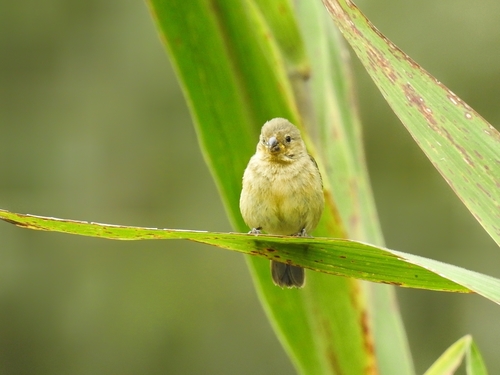
クリハラヒメウソ (Sporophila castaneiventris) クリハラヒメウソ
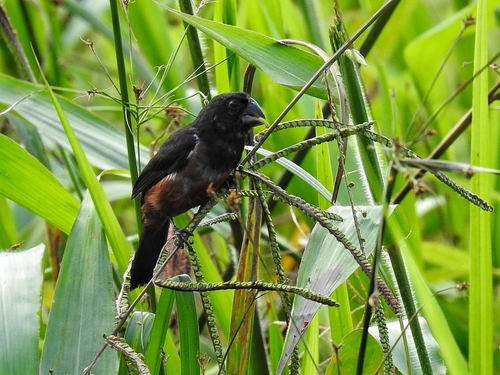
ヒメコメワリ (Sporophila angolensis) ヒメコメワリ

メディア

読み込み中…

要点

クリハラヒメウソとヒメコメワリの最も信頼できるフィールドマークは、成鳥オスの頭部と上面の色と模様です:Seedeaterのオスは上面が青灰色で、Seed-Finchのオスは上面と喉が完全に黒です。メスはより難しいですが、Seedeaterは全体的に淡い色合いでバフ色が強く、Seed-Finchはより豊かな茶色で白っぽい顎とシナモン色の腹部を持っています。Seed-Finchは明らかに大きく、重く、より深い基部のくちばしを持っています。飛んでいる時や止まっている時には、Seed-Finchの白い翼の下の覆羽と、一次羽の基部にある小さな白い斑点(オスの場合)を探してください。これはSeedeaterにはありません。くちばしの形とサイズも強い手がかりです、特に近距離で。

識別のコツ

  1. 成鳥オスの頭部と上面: Seedeaterのオスは上面が青灰色で、Seed-Finchのオスは完全に黒です。これは成鳥オスを分ける最も早い方法です。
  2. 翼の白(オス): Seed-Finchのオスは一次羽の基部に小さな白い斑点(閉じた翼で見える)と白い翼の下の覆羽を示しますが、Seedeaterのオスはこれを示しません。部分的に開いた翼を持つ止まっている鳥や飛んでいる鳥でこれを探してください。
  3. 白い翼の下の覆羽(両性): Seed-Finchの両性は白い翼の下の覆羽を持ち、飛んでいる時や鳥が翼を伸ばす時に見えます。Seedeaterはどの年齢や性別でも翼に白を示しません。
  4. くちばしのサイズと形: Seed-FinchはSeedeaterよりもはるかに深い基部と重いくちばしを持っています。これは特に横からの視点や近くの視点で明らかです。Seedeaterのくちばしは太いですが、深さや幅はそれほどではありません。
  5. サイズ: Seed-Finchは明らかに大きく、重い(11 g以上対8 g未満のSeedeater)。直接比較やスケール感があれば、これは強い手がかりです。
  6. 成鳥オスの腹部: 両種は栗色の腹部を持っていますが、Seedeaterでは栗色が喉と胸に広い帯を形成し、腹部を通って狭くなり、再び肛門で広がり、青灰色の側面を持っています。Seed-Finchでは、腹部全体(胸、腹、側面、尾の下)は深い栗色で、青灰色の側面はありません。
  7. 成鳥メスの顔と腹部: Seedeaterのメスは淡い色合いで、バフ色の顔と温かいバフ色の腹部を持ち、腹部が最も淡いです。Seed-Finchのメスは上面がより豊かな茶色で、白っぽい顎、シナモン色の胸、そして淡いシナモン色の腹部を持っています。
  8. 尾と翼の色(メス): Seedeaterのメスは翼の覆羽に砂色の茶色の縁取りとより暗い茶色の尾を持っています;Seed-Finchのメスは温かい茶色の翼と尾を持ち、砂色の縁取りはありません。
  9. 脚と虹彩の色: 両種は暗い虹彩と暗い脚を持っているため、これは分けるのに役立ちません。
  10. 幼鳥/未熟な鳥: 翼の下に白が見える場合や一次羽の基部に白い斑点がある場合、それはSeed-Finchです(メスや未熟な個体でも)。Seedeaterはどの年齢でも翼に白を示しません。
  11. 止まっている時と飛んでいる時の視点: 飛んでいる時には、Seed-Finchの白い翼の下と一次羽の斑点(オス)を探してください。止まっている鳥では、頭の色(オスの青灰色対黒)とくちばしの深さに注目してください。
  12. 地理的範囲: 彼らの範囲の南端でのみ関連があり、それ以外では両種が一緒に発生する可能性があります。
  13. 羽毛の落とし穴: メスと未熟なSeed-FinchesはSeedeaterのメスと混同される可能性がありますが、Seed-Finchの豊かな茶色のトーン、白っぽい顎、シナモン色の腹部を探してください。Seedeaterでは淡い色合いとバフ色のトーンです。
  14. 歌や鳴き声の違いは提供されていません: 他の情報源がない限り、声に頼って分けないでください。
  15. 交雑: フィールドでの分離には関連しませんが、コロンビアではSeed-Finchがハシブトヒメウソと交雑する可能性がありますが、Seedeaterとは交雑しません。

大きさ

ヒメコメワリはクリハラヒメウソよりも明らかに大きく、重いです。Seed-Finchは長さ10.6–12.4 cm、重さ11.4–14.5 gで、Seedeaterは約10 cm、7.8 gです。Seed-Finchはまた、はるかに深く重いくちばしを持っており、これは特に横からの視点で明らかです。両方を一緒に見ると、Seed-Finchは全体的によりがっしりとしていて頑丈に見え、Seedeaterは明らかに繊細です。

羽色

行動

提供されたメモには診断的な行動の違いは記載されていません。両者は同じ科の小さな種子食の鳥であり、彼らの一般的な行動はフィールドで似ている可能性があります。

生息環境

両種は南アメリカで広く重なっていますが、Seed-Finchはチリとウルグアイにはおらず、Seedeaterはアルゼンチンとパラグアイにもいません。重なりのある地域では、提供されたメモに基づいて生息地は信頼できる分離要因ではありません。

より良い説明を送る

比較と同じ項目を使ってください。文章はすぐに公開されます。

The most reliable field mark between Chestnut-bellied Seedeater and Chestnut-bellied Seed-Finch is the color and pattern of the adult male's head and upperparts: the Seedeater male is blue-gray above, while the Seed-Finch male is entirely black above and on the throat. Females are trickier, but the Seedeater is overall paler and more buff, while the Seed-Finch is richer brown with a whitish chin and cinnamon underparts. The Seed-Finch is noticeably larger and heavier, with a much deeper-based bill. In flight or perched, look for the Seed-Finch's white underwing coverts and small white patch at the base of the primaries (in males), which are absent in the Seedeater. Bill shape and size are also strong clues, especially at close range.

  1. Adult male head and upperparts: Seedeater males are blue-gray above, while Seed-Finch males are entirely black above and on the throat. This is the fastest way to separate adult males.
  2. White in the wing (males): Seed-Finch males show a small white patch at the base of the primaries (visible on closed wing) and white underwing coverts, which Seedeater males never show. Look for this in perched birds with partially open wings or in flight.
  3. White underwing coverts (both sexes): Seed-Finch of both sexes has white underwing coverts, visible in flight or if the bird stretches its wing. Seedeater never shows white in the wing at any age or sex.
  4. Bill size and shape: Seed-Finch has a much deeper-based and heavier bill than Seedeater. This is especially obvious in profile or close views. Seedeater's bill is thick but not as deep or broad.
  5. Size: Seed-Finch is noticeably larger and heavier (over 11 g vs. under 8 g for Seedeater). If you have a direct comparison or a good sense of scale, this is a strong clue.
  6. Adult male underparts: Both species have chestnut underparts, but in Seedeater the chestnut forms a broad band on the throat and breast, narrows through the belly, and widens again at the vent, with blue-gray flanks. In Seed-Finch, the entire underparts (breast, belly, flanks, undertail) are deep chestnut, with no blue-gray flanks.
  7. Adult female face and underparts: Seedeater females are paler, with a buff face and warm buff underparts, palest on the belly. Seed-Finch females are richer brown above, with a whitish chin, cinnamon breast, and paler cinnamon belly.
  8. Tail and wing color (females): Seedeater females have sandy brown edges on the wing coverts and a darker brown tail; Seed-Finch females have warm brown wings and tail, without the sandy edges.
  9. Leg and iris color: Both species have dark irises and dark legs, so this is not helpful for separation.
  10. Juvenile/immature birds: If you see white in the underwing or a white patch at the base of the primaries, it's a Seed-Finch (even in females and immatures). Seedeater never shows white in the wing at any age.
  11. Perched vs. flight views: In flight, look for the Seed-Finch's white underwing and primary patch (males). In perched birds, focus on head color (blue-gray vs. black in males) and bill depth.
  12. Geographic range: Only relevant at the southern edge of their ranges; otherwise, both species can occur together.
  13. Plumage pitfalls: Female and immature Seed-Finches can be confused with Seedeater females, but look for the richer brown tones, whitish chin, and cinnamon underparts in Seed-Finch, versus paler, buffier tones in Seedeater.
  14. No song or call difference provided: Do not rely on voice for separation unless you have other sources.
  15. Hybridization: Not relevant for field separation except in Colombia, where Seed-Finch may hybridize with Thick-billed Seed-Finch, not Seedeater.

Chestnut-bellied Seed-Finch is distinctly larger and heavier than Chestnut-bellied Seedeater. Seed-Finch measures 10.6–12.4 cm in length and weighs 11.4–14.5 g, while Seedeater is about 10 cm and 7.8 g. The Seed-Finch also has a much deeper and heavier bill, which is especially obvious in profile. If you see both together, the Seed-Finch looks bulkier and more robust overall, while the Seedeater is noticeably daintier.

  • Adult males:
  • Seedeater: Blue-gray head and upperparts, sometimes with a tiny white spot behind the bill; blackish tail with gray edges at base of outer feathers; wings blackish with grayish edges; throat and breast wide chestnut band narrowing through the belly, blue-gray flanks, chestnut vent and undertail.
  • Seed-Finch: Entire head, throat, upperparts, tail, and wings are black; white underwing coverts and white bases to primaries form a small white patch on closed wing; underparts (breast, belly, flanks, undertail) deep chestnut; thighs black.
  • Adult females:
  • Seedeater: Warm sandy brown upperparts and head with buff face; wings and tail darker brown with sandy brown edges on coverts; underparts warm buff, palest on belly.
  • Seed-Finch: Warm brown upperparts and tail; wings warm brown with white underwing coverts (no white primary patch); chin almost white, breast cinnamon, rest of underparts paler cinnamon.
  • Juvenile/immature:
  • No specific juvenile/immature wing pattern is described for either species, but the Seed-Finch's white underwing coverts (both sexes) and male's white primary patch are unique and visible in flight or when wing is spread. Seedeater lacks any white in the wing at all ages.

No diagnostic behavioral differences are described in the provided notes. Both are small seed-eating birds in the same family, and their general behavior is likely similar in the field.

Both species overlap widely in South America, but the Seed-Finch is absent from Chile and Uruguay, while the Seedeater is also absent from Argentina and Paraguay. In areas of overlap, habitat is not a reliable separator based on the notes provided.

変更を破棄しますか?

保存していない編集があります。今離れると失われます。

クリハラヒメウソ · ヒメコメワリ · 苦手な鳥