

Motmot

チャバラサケイ 対 セネガルサケイ

Pterocles exustus 対 Pterocles senegallus

チャバラサケイとセネガルサケイのクイズ
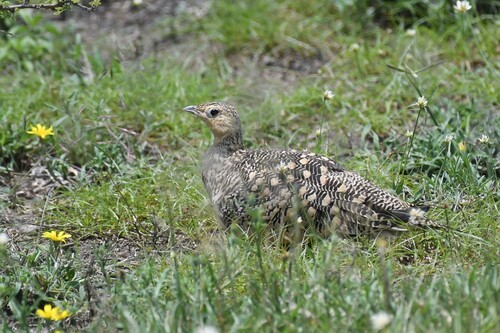
チャバラサケイ (Pterocles exustus) チャバラサケイ
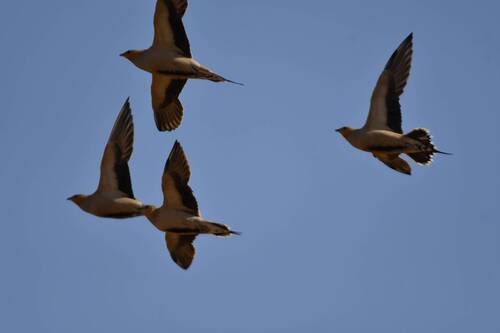
セネガルサケイ (Pterocles senegallus) セネガルサケイ

メディア

読み込み中…

要点

チャバラサケイとセネガルサケイを区別する最も信頼できるフィールドマークは、飛行中の腹部と腹のパターンです:チャバラサケイは、特にオスでは、はっきりとした黒い中心を持つ豊かな栗色またはチョコレート色の腹を示し、セネガルサケイは、明るい腹と明確な暗いストライプ、体全体に広がる斑点を持っています。止まっている鳥では、チャバラサケイの栗色またはチョコレート色の下胸と腹部と、セネガルサケイの全体的に斑点のある灰褐色の羽毛を見分けてください。両種ともに中央の尾羽が長いですが、セネガルのものはあまり目立ちません。両方の雌は混乱を招くことがありますが、セネガルは常により広範囲に細かい斑点を示し、全体的に鈍い灰色のトーンを持っています。飛行中、セネガルサケイは暗い後縁を持つ淡い初列風切羽を示し、チャバラサケイは上面がより均一です。これらのコントラストを利用して、特に群れや水場で、一般的な混同を避けてください。

識別のコツ

  1. Belly pattern in flight (all ages): チャバラサケイは、オスでははっきりとした黒い中心を持つ豊かな栗色またはチョコレート色の腹を示し、雌は横縞のある腹部を持っています。セネガルサケイは、明るい腹と明確な暗いストライプを持ち、その他は重度に斑点があります—これは遠くからでも見えます。
  2. Upperwing pattern (adults/immatures): セネガルサケイでは、暗い後縁を持つ淡い初列風切羽を探してください;チャバラサケイの上翼は、より均一なバフまたはオークルバフで、強いコントラストがありません。
  3. Breast and throat color (adults): チャバラサケイのオスは、狭い黒と白の帯を持つワイン色の上胸を持ち、セネガルのオスは灰色の胸、オレンジの喉、淡い灰色の襟を持っています。両方の雌は鈍いですが、セネガルは常にオレンジの喉の斑点を持っています。
  4. Upperparts (all ages): チャバラサケイは、上面がより均一な砂色またはアイザベリンで、雌にはいくつかの縞模様や横縞があります。セネガルは常に密に斑点があり、上面はピンクがかった灰色で、小さな暗いマークがあります。
  5. Tail shape: 両方とも中央の尾羽が長いですが、セネガルのものはあまり目立ちません—止まっている鳥でよく見えると便利です。
  6. Head and face (males): セネガルは、くちばしまで伸びる淡い灰色の襟を持つ小さな赤褐色の後頭部を持ち、チャバラサケイのオスは鈍い黄色のオークルの顔と喉を持ち、時にはオレンジバフの色合いがあります。
  7. Female pattern: チャバラサケイの雌は、特に腹部に縞模様や横縞がありますが、セネガルの雌はより広範囲に斑点があり、鋭い横縞がありません。
  8. Flight jizz: 両種ともに速く直接的に飛びますが、セネガルは上翼でより多くのコントラストを示し、より明白な暗い腹のストライプを持つことがよくあります。
  9. Perched jizz: 両方とも短い脚とコンパクトに見えますが、チャバラサケイは休んでいるときにより均一でパターンが少ないように見えることがあります。
  10. Voice: 音楽的な「クイート-クイート」または「クイート-クイート-クイート」の呼び声が聞こえたら、それはセネガルサケイです。チャバラサケイは声が静かで、あまり特徴的ではありません。
  11. Habitat context: 地域が非常に荒れ果てた開けた砂漠であれば、セネガルがより可能性が高いです;チャバラサケイは、より広範囲の乾燥した生息地に耐えます。
  12. Subspecies variation: チャバラサケイには、異なるトーン(灰色からオリーブまたはバフまで)のいくつかの亜種がありますが、セネガルサケイほど密に斑点があるものはありません。
  13. Waterhole behavior: 両種ともに水場を訪れますが、オスが腹の羽を浸して大きな呼び声を上げているのを見たら、それはおそらくセネガルです。
  14. Pitfalls: 両方の雌と幼鳥は混乱を招くことがありますが、セネガルの全体的な斑点の外観と淡い/暗い腹のコントラストは信頼できます。チャバラサケイの雌は、セネガルよりも横縞が多いです。
  15. When marks fail: 照明が悪い場合や遠くからの場合、飛行中の腹のパターンと全体的な上部の斑点を最良の手がかりとして頼ってください。

大きさ

チャバラサケイは、体重約210gの小型から中型のサケイです。セネガルサケイはサイズが似ており、長さ約33 cmに達しますが、直接的な体重の数値は利用できません。フィールドでは、サイズはこれら二つの強い区別要因ではありません;両方とも短い脚と長い尾を持ち、コンパクトに見えますが、セネガルは尾と全体の比率のためにわずかに長く見えることがあります。

羽色

幼鳥と未成熟の鳥は詳細に説明されることはほとんどありませんが、成鳥と年齢の高い未成熟の鳥についての重要な違いは、飛行中の腹部と腹のパターンです:チャバラサケイのオスはワイン色の上胸、狭い黒と白の帯、チョコレートまたは黒の腹の中心を持ち、雌は下部に重い横縞を示します。セネガルサケイは、両性ともに淡い灰色の胸、オレンジの喉、暗い腹のストライプを持ち、その他の腹部と上部は密に斑点があり、まだら模様です。上翼では、セネガルは暗い後縁を持つ淡い初列風切羽を示し、これはチャバラサケイには見られない特徴で、チャバラサケイはより均一なバフまたはオークルバフの翼を持っています。チャバラサケイの上部はより均一な砂色またはアイザベリンで、セネガルは明らかに斑点があり、ピンクがかった灰色です。雌のチャバラサケイは上部に縞模様や横縞がありますが、セネガルほど密に斑点があるわけではありません。両方とも中央の尾羽が長いですが、セネガルのものはあまり極端ではありません。

行動

両種ともに地面に生息し、警戒心が強く、繁殖期以外は群れで行動し、通常は水場や開けた地面で餌を探しているのが見られます。セネガルサケイは、急速で直接的な飛行と急速な羽ばたき、毎日の水場訪問で知られており、オスは腹の羽を浸して雛に水を運ぶ行動をします—これはチャバラサケイには特に記載されていません。両種ともに警戒しているときに首を伸ばし、脅威を感じると固まってカモフラージュに頼ります。セネガルサケイは特に音楽的な飛行呼び声と高い警戒心で知られています。

生息環境

両種ともに北部および東部アフリカ、中東、アジアにかけての乾燥したおよび半乾燥した地域に生息しています。チャバラサケイは、インドや中央アフリカの一部を含むより広い範囲を持ち、条件に応じて定住または遊牧的です。セネガルサケイは、砂漠および半砂漠の生息地により厳密に関連しており、通常は植生がまばらな最も乾燥した地域に生息しています。重複は一般的ですが、セネガルは最も荒れ果てた開けた砂漠により可能性が高く、チャバラサケイはやや極端でない生息地に見られることがあります。

声

セネガルサケイは、飛行中に音楽的で繰り返される「クイート-クイート」または「クイート-クイート-クイート」の呼び声で特徴的であり、特にオスが水場から戻るときに聞かれます。チャバラサケイの声は、情報源ではあまり記載されていないため、セネガルの呼び声が聞こえた場合は、声が有用な区別要因となります。

より良い説明を送る

比較と同じ項目を使ってください。文章はすぐに公開されます。

The most reliable field mark to separate Chestnut-bellied Sandgrouse from Spotted Sandgrouse is the underpart and belly pattern in flight: Chestnut-bellied shows a rich chestnut or chocolate belly with a sharply defined black center (especially in males), while Spotted Sandgrouse has a paler belly with a distinct dark stripe and extensive spotting on the body. In perched birds, look for the chestnut or chocolate lower breast and belly of Chestnut-bellied versus the overall spotted, greyish-brown plumage of Spotted. Both species have elongated central tail feathers, but Spotted's are less pronounced. Females of both can be confusing, but Spotted always shows more extensive fine spotting and a duller, greyer tone overall. In flight, Spotted Sandgrouse shows pale primaries with dark trailing edges, while Chestnut-bellied is more uniform above. Use these contrasts, especially in flocks or at waterholes, to avoid common mix-ups.

  1. Belly pattern in flight (all ages): Chestnut-bellied Sandgrouse shows a rich chestnut or chocolate belly with a sharply defined black center in males; females have barred underparts. Spotted Sandgrouse has a pale belly with a distinct dark stripe and is otherwise heavily spotted—this is visible even at a distance.
  2. Upperwing pattern (adults/immatures): In Spotted Sandgrouse, look for pale primaries with a dark trailing edge; Chestnut-bellied's upperwing is more uniform buff or ochreous-buff, lacking the strong contrast.
  3. Breast and throat color (adults): Chestnut-bellied males have a vinous-buff upper breast with a narrow black-and-white band; Spotted males have a grey breast, orange throat, and a pale grey collar. Females of both are duller, but Spotted always has an orange throat patch.
  4. Upperparts (all ages): Chestnut-bellied is more uniform sandy or isabelline above, with some streaking or barring in females. Spotted is always densely spotted and pinkish-grey above, with small dark markings throughout.
  5. Tail shape: Both have elongated central tail feathers, but Spotted's are less pronounced—useful if seen well on perched birds.
  6. Head and face (males): Spotted has a small reddish-brown nape with a pale grey collar extending to the bill, while Chestnut-bellied males have a dull yellow-ochre face and throat, sometimes with an orange-buff tinge.
  7. Female pattern: Chestnut-bellied females are streaked and barred, especially on the underparts, but Spotted females are more extensively spotted and lack the sharp barring.
  8. Flight jizz: Both species fly fast and direct, but Spotted often shows more contrast on the upperwing and a more obvious dark belly stripe.
  9. Perched jizz: Both appear short-legged and compact, but Chestnut-bellied may look more uniform and less patterned at rest.
  10. Voice: If you hear a musical 'queeto-queeto' or 'queet-queet-queet' call, it's Spotted Sandgrouse. Chestnut-bellied is quieter or less distinctive vocally.
  11. Habitat context: If the area is extremely barren and open desert, Spotted is more likely; Chestnut-bellied tolerates a wider range of arid habitats.
  12. Subspecies variation: Chestnut-bellied has several subspecies with varying tones (from greyer to more olive or buff), but none are as densely spotted as Spotted Sandgrouse.
  13. Waterhole behavior: Both species visit waterholes, but if you see a male soaking his belly feathers and hear loud calls, it's likely Spotted.
  14. Pitfalls: Females and immatures of both can be confusing, but Spotted's overall spotted appearance and pale/dark belly contrast are reliable. Chestnut-bellied females are more barred than spotted.
  15. When marks fail: In poor light or at great distance, rely on the belly pattern in flight and overall upperpart spotting as your best clues.

Chestnut-bellied Sandgrouse is a small to medium-sized sandgrouse with a body mass around 210g [wikidata]. Spotted Sandgrouse is similar in size, reaching about 33 cm in length [wikipedia], but no direct mass figure is available. In the field, size is not a strong separator between these two; both appear compact with short legs and elongated tails, though Spotted may look slightly longer due to its tail and overall proportions.

Juvenile and immature birds are rarely described in detail, but for adults and older immatures, the key difference is the underpart and belly pattern in flight: Chestnut-bellied Sandgrouse males have a vinous-buff upper breast, a narrow black-and-white band, and a chocolate or black belly center, while females show heavy barring below. Spotted Sandgrouse, in both sexes, has a paler grey breast, orange throat, and a dark belly stripe, with the rest of the underparts and upperparts densely spotted and mottled. On the upperwing, Spotted shows pale primaries with a dark trailing edge, a feature not present in Chestnut-bellied, which has more uniform buff or ochreous-buff wings. The upperparts of Chestnut-bellied are more uniform sandy or isabelline, while Spotted is noticeably spotted and pinkish-grey. Female Chestnut-bellied is streaked and barred above, but not as densely spotted as Spotted. Both have elongated central tail feathers, but Spotted's are less extreme.

Both species are ground-dwelling, wary, and gregarious outside the breeding season, typically seen in flocks at waterholes or feeding on open ground. Spotted Sandgrouse is noted for its rapid, direct flight with a rapid wingbeat and daily waterhole visits, where males soak their belly feathers to carry water to chicks—a behavior not specifically noted for Chestnut-bellied. Both species stretch their necks when alert and freeze when threatened, relying on camouflage. Spotted Sandgrouse is particularly known for its musical flight calls and high vigilance.

Both species occur in arid and semi-arid regions of northern and eastern Africa, the Middle East, and into Asia. Chestnut-bellied Sandgrouse has a broader range, including parts of India and central Africa, and can be sedentary or nomadic depending on conditions. Spotted Sandgrouse is more strictly associated with desert and semi-desert habitats, often in the driest areas with sparse vegetation. Overlap is common, but Spotted is more likely in the most barren, open deserts, while Chestnut-bellied may be found in slightly less extreme habitats.

Spotted Sandgrouse is distinctive in flight by its musical, repeated 'queeto-queeto' or 'queet-queet-queet' calls, especially as males return from waterholes. Chestnut-bellied Sandgrouse's vocalizations are less described in the sources, so voice is a useful separator if Spotted's call is heard.

変更を破棄しますか?

保存していない編集があります。今離れると失われます。

チャバラサケイ · セネガルサケイ · 苦手な鳥