

Motmot

チャタムアオハシインコ 対 ナナクサインコ

Cyanoramphus forbesi 対 Platycercus eximius

チャタムアオハシインコとナナクサインコのクイズ

チャタムアオハシインコ (Cyanoramphus forbesi) チャタムアオハシインコ
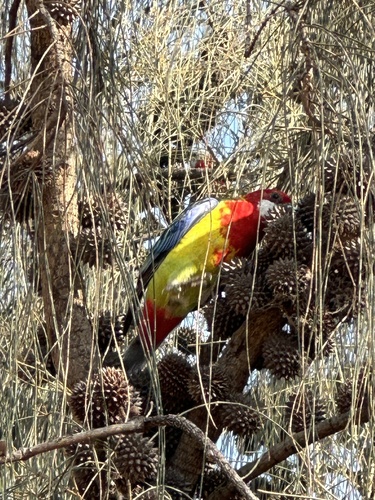
ナナクサインコ (Platycercus eximius) ナナクサインコ

メディア

読み込み中…

要点

チャタムアオハシインコとナナクサインコを区別する最も信頼できるフィールドマークは、頭部と顔のパターンです:フォーブスのインコ(チャタムアオハシインコ)は、金色の前冠と額に赤い帯を示し、緑のロアとオレンジ赤の目を持っています。一方、ナナクサインコは明るい赤い頭と白い頬の斑点を持っています。飛行中または静止中、ナナクサインコの大胆で多色の羽毛は、フォーブスのインコのより均一な緑と比較して明らかです。幼鳥のナナクサインコはより鈍い色合いですが、白い頬の斑点と翼の下のストライプを示します。これらの特徴はフォーブスのインコには存在しません。構造とサイズも異なります:ナナクサインコはより大きく、がっしりしており、尾は広く、くちばしは重いです。生息地はニュージーランドでの強い手がかりです:フォーブスのインコはチャタム諸島に限定されており、ナナクサインコは本島の一部にのみ生息しています。

識別のコツ

  1. Head pattern: フォーブスのインコは常に金色の前冠と額に赤い帯を示し(目には達しません)、緑のロアを持っています。ナナクサインコは明るい赤い頭と上胸部を持ち、大きくてきれいな白い頬の斑点を持っています—これはフォーブスのインコには見られません。
  2. Cheek color: 白い頬の斑点は、すべての年齢と性別のナナクサインコに特有です。フォーブスのインコは常に緑のロアを持ち、顔に白はありません。
  3. Underwing stripe: 雌と幼鳥のナナクサインコは、飛行中または翼を伸ばすときに見える淡い翼の下のストライプを持っています。フォーブスのインコはどの年齢でも翼の下のストライプを示しません。
  4. Back pattern: ナナクサインコの背中は黒で、黄色がかったまたは緑がかったスカロップ状の縁を持ち、鱗のように見えます。フォーブスのインコの背中は平坦な緑で、スカロップはありません。
  5. Body color: フォーブスのインコは主に明るい緑で、尻の側面にいくらかの赤と紫青の外側の一次羽があります。ナナクサインコは赤、黄色、緑、青、黒のパッチワークで、亜種によっては尻の色が淡いまたは青緑です。
  6. Wing color: 飛行中、ナナクサインコは青い翼と側面の尾羽を示し、緑の体と赤い頭と対照的です。フォーブスのインコは緑の翼を持ち、外側の一次羽と覆羽だけが紫青です。
  7. Tail: ナナクサインコの尾は広くて暗緑色ですが、フォーブスのインコの尾は長くてより細いです。
  8. Bill size and color: ナナクサインコはより太く、白いくちばしを持っています;フォーブスのインコのくちばしは小さく、より繊細で、雌は最も小さいくちばしを持っています。
  9. Eye color: フォーブスのインコはオレンジ赤の目を持ち、ナナクサインコの虹彩は茶色です。これは微妙ですが、近距離で役立つことがあります。
  10. Sexual dimorphism: 両種は性別間にわずかな違いしか示しませんが、雌のナナクサインコは鈍い色合いで、翼の下のストライプを持っています;雌のフォーブスのインコはわずかに小さく、鈍いです。
  11. Juvenile confusion: 幼鳥のナナクサインコは鈍いですが、白い頬と翼の下のストライプを示します。幼鳥のフォーブスのインコは鈍い成鳥のように見え、白い頬や翼の下のストライプはありません。
  12. Habitat: フォーブスのインコはチャタム諸島にのみ生息し、密な森林や低木地にいます。ナナクサインコはニュージーランドの本島の開けた生息地に見られます。
  13. Behavior: ナナクサインコはしばしば地面で餌を食べたり、開けた場所に止まったりしているのが見られますが、フォーブスのインコはより秘密主義で、隠れた場所に留まります。
  14. Flight style: ナナクサインコの飛行は強くて直接的で、しばしば青い翼と白い頬を見せます。フォーブスのインコの飛行はより敏捷で、目立たないです。
  15. Location clue: チャタム諸島でバードウォッチングをしている場合、どのインコもフォーブスのインコである可能性が高いです。本島では、赤い頭と白い頬を持つ多色のオウムはナナクサインコです。

大きさ

ナナクサインコは二つの中でより大きく、重く、約30 cmの長さに達します。一方、フォーブスのインコはインコとしては中型ですが、ナナクサインコよりも明らかに小さく、細身です。ナナクサインコはよりがっしりした体型で、尾は広く、くちばしは太いですが、フォーブスのインコは全体的により細身です。雌のフォーブスのインコは雄よりもわずかに小さいですが、両性ともにナナクサインコよりも小さいです。これらのサイズの違いは、両種が一緒に見られるときに最も明らかですが、距離がある場合や孤立した鳥では微妙かもしれません。

羽色

行動

ナナクサインコはしばしば地面で餌を食べたり、開けた場所にいるのが見られ、その飛行は強くて直接的で、急速な羽ばたきで青い翼と白い頬を見せることがよくあります。彼らは木や電線に目立って止まることがあります。フォーブスのインコはより秘密主義で、通常は密な植生に留まり、開けた場所で見られる可能性は低いです。彼らの飛行は敏捷ですが、目立たず、止まっているときは部分的に隠れることがよくあります。

生息環境

フォーブスのインコはチャタム諸島に厳密に固有で、ニュージーランドの本島には見られず、密な森林や低木地の生息地を好みます。一方、ナナクサインコは北島(特に北半分、タラナキ、ワイカト、ハットバレー)や南島のダニーデン周辺のいくつかの地域に定着しており、開けた森林、公園、庭、農地を好みます。チャタム諸島でインコを見た場合、それはほぼ確実にフォーブスのインコです;本島では、赤い頭と白い頬を持つ多色のオウムはナナクサインコです。

より良い説明を送る

比較と同じ項目を使ってください。文章はすぐに公開されます。

The most reliable field mark separating Chatham Islands Parakeet from Eastern Rosella is the head and face pattern: Forbes’ Parakeet (Chatham Islands Parakeet) shows a golden-yellow forecrown and red band across the forehead, with green lores and orange-red eyes, while Eastern Rosella has a bright red head and white cheek patches. In flight or at rest, Eastern Rosella’s bold, multicolored plumage with a scalloped black-and-yellow back and blue wings is unmistakable compared to the more uniform green of Forbes’ Parakeet. Juvenile Eastern Rosellas are duller but still show the white cheek patch and underwing stripe, features never present in Forbes’ Parakeet. Structure and size also differ: Eastern Rosella is larger and stockier, with a broader tail and heavier bill. Habitat is a strong clue in New Zealand: Forbes’ Parakeet is restricted to the Chatham Islands, while Eastern Rosella is established only in parts of the main islands.

  1. Head pattern: Forbes’ Parakeet always shows a golden-yellow forecrown with a red band across the forehead (not reaching the eyes), and green lores. Eastern Rosella has a bright red head and upper breast with a large, clean white cheek patch—never seen in Forbes’ Parakeet.
  2. Cheek color: The white cheek patch is diagnostic for Eastern Rosella of all ages and sexes. Forbes’ Parakeet always has green lores and no white on the face.
  3. Underwing stripe: Female and juvenile Eastern Rosellas have a pale underwing stripe visible in flight or when stretching wings. Forbes’ Parakeet never shows an underwing stripe at any age.
  4. Back pattern: Eastern Rosella’s back is black with yellowish or greenish scalloped margins, giving a scaly look. Forbes’ Parakeet’s back is plain green with no scalloping.
  5. Body color: Forbes’ Parakeet is largely bright green with some red on the sides of the rump and violet-blue outer primaries. Eastern Rosella is a patchwork of red, yellow, green, blue, and black, with a pale or bluish-green rump depending on subspecies.
  6. Wing color: In flight, Eastern Rosella shows blue wings and lateral tail feathers, contrasting with the green body and red head. Forbes’ Parakeet has green wings with only the outer primaries and coverts violet-blue.
  7. Tail: Eastern Rosella’s tail is broader and dark green, while Forbes’ Parakeet’s tail is long and more slender.
  8. Bill size and color: Eastern Rosella has a stouter, white bill; Forbes’ Parakeet’s bill is smaller and more delicate, with females having the smallest bills.
  9. Eye color: Forbes’ Parakeet has orange-red eyes, while Eastern Rosella’s irises are brown. This is subtle but can help at close range.
  10. Sexual dimorphism: Both species show only slight differences between sexes, but female rosellas are duller and have the underwing stripe; female Forbes’ Parakeet is just slightly smaller and duller.
  11. Juvenile confusion: Juvenile Eastern Rosellas are duller but still show white cheeks and underwing stripe. Juvenile Forbes’ Parakeet looks like a duller adult, with no white cheek or underwing stripe.
  12. Habitat: Forbes’ Parakeet is only found on the Chatham Islands, in dense forest or shrubland. Eastern Rosella is found in open habitats on New Zealand’s main islands.
  13. Behavior: Rosellas are often seen feeding on the ground or perched in the open, while Forbes’ Parakeet is more secretive and stays in cover.
  14. Flight style: Eastern Rosella’s flight is strong and direct, often showing blue wings and white cheeks. Forbes’ Parakeet’s flight is more agile and less showy.
  15. Location clue: If you are birding on the Chatham Islands, any parakeet is likely Forbes’ Parakeet. On the main islands, a multicolored parrot with a red head and white cheeks is Eastern Rosella.

Eastern Rosella is the larger and heavier of the two, reaching about 30 cm in length, while Forbes’ Parakeet is medium-sized for a parakeet but noticeably smaller and slimmer than a rosella. The rosella has a bulkier build, broader tail, and stouter bill, whereas Forbes’ Parakeet is more slender overall. Female Forbes’ Parakeet is slightly smaller than the male, but both sexes are still smaller than any Eastern Rosella. These size differences are most obvious when both species are seen together, but may be subtle at a distance or with lone birds.

  • Juvenile/Early Age: Juvenile Eastern Rosellas are duller than adults but still show the white cheek patch and a diagnostic underwing stripe, which is never present in Forbes’ Parakeet at any age. Forbes’ Parakeet juveniles resemble adults, with green lores and a yellow forecrown, lacking any white on the face or underwing.
  • Adult: Forbes’ Parakeet is bright green overall with a golden-yellow forecrown and a narrow red band across the forehead (not reaching the eyes), green lores, and some red on the sides of the rump. The outer primaries and wing coverts are violet-blue, but the wings are otherwise green. Eastern Rosella adults are much more colorful: a bright red head and upper breast, white cheek patches, yellow lower breast fading to pale green on the belly, black back feathers with yellow or greenish margins (scalloped look), blue wings, and a dark green tail. The rump color varies by subspecies but is always paler or bluish-green, never red or yellow. Female rosellas are duller but retain the same pattern; Forbes’ Parakeet females are only slightly duller and smaller than males.
  • Flight: In flight, Eastern Rosella’s blue wings and white cheeks are obvious, and the underwing stripe is visible in females and juveniles. Forbes’ Parakeet in flight shows a mostly green wing with violet-blue outer primaries, lacking any bold white or blue panels or underwing stripes.

Eastern Rosellas are often seen feeding on the ground or in open areas, and their flight is strong and direct with rapid wingbeats, often showing off their blue wings and white cheeks. They may perch conspicuously in trees or on wires. Forbes’ Parakeet is more secretive, usually staying in dense vegetation, and is less likely to be seen in open areas. Their flight is agile but less showy, and they often remain partially hidden when perched.

Forbes’ Parakeet is strictly endemic to the Chatham Islands and is not found on New Zealand’s main islands, preferring dense forest and shrubland habitats. Eastern Rosella, on the other hand, is established in the North Island (especially the northern half, Taranaki, Waikato, Hutt Valley) and some areas around Dunedin in the South Island, favoring open woodlands, parks, gardens, and farmland. If you see a parakeet in the Chatham Islands, it is almost certainly Forbes’ Parakeet; on the main islands, a multicolored parrot with a red head and white cheeks is Eastern Rosella.

変更を破棄しますか?

保存していない編集があります。今離れると失われます。

チャタムアオハシインコ · ナナクサインコ · 苦手な鳥