

Motmot

カスピセグロカモメ 対 ニシセグロカモメ

Larus cachinnans 対 Larus fuscus

カスピセグロカモメとニシセグロカモメのクイズ
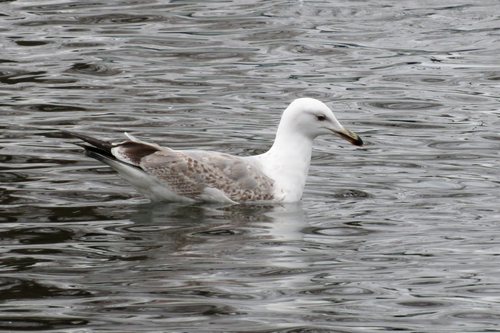
カスピセグロカモメ (Larus cachinnans) カスピセグロカモメ
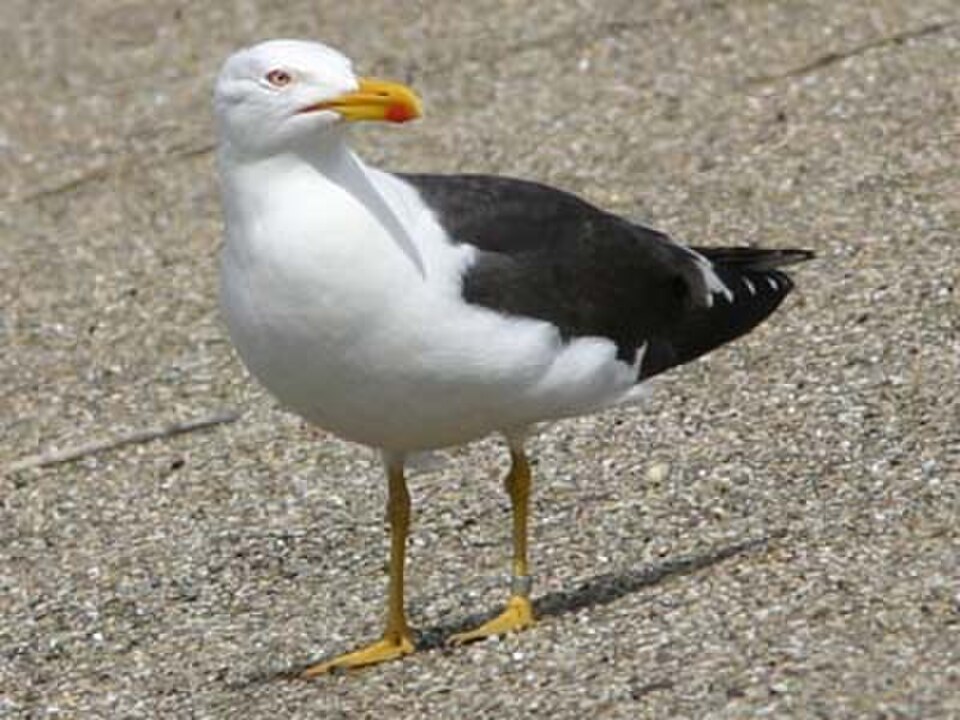
ニシセグロカモメ (Larus fuscus) ニシセグロカモメ

メディア

読み込み中…

要点

カスピセグロカモメとニシセグロカモメの間で最も信頼できるフィールドマーク、特に未成熟の鳥においては、翼と体のパターンです:初冬のカスピセグロカモメは、暗い後頭部の筋と翼に2本の淡い線を持つ淡い頭を示し、一方、若いニシセグロカモメはより暗く、上面がより均一に鱗状です。カスピセグロカモメはまた、明らかに大きく、脚が長く、より細長いくちばしと傾斜した額を持ち、よりコンパクトで脚が短いニシセグロカモメと比較されます。成鳥の羽色は背中の色に違いがあり、ニシセグロカモメは明らかに暗い背中と翼を示します。構造的な違いと微妙な羽色の手がかりが重要であり、特に鳥が完全な成鳥の羽色でない場合や飛行中に見られるときに重要です。

識別のコツ

  1. Juvenile/First-winter wing pattern: カスピセグロカモメの翼に2本の淡い線(淡い先端の大きなカバーと中間カバーによって形成される)を探してください;ニシセグロカモメはこれを欠き、上面がより均一に暗いです。これは特に飛行中の初冬の鳥において最も信頼できます。
  2. Head and neck pattern (immatures): カスピセグロカモメの未成熟個体は、後頭部に暗い筋がある淡い頭を持っています;ニシセグロカモメは一般的に頭が暗く、より均一です。
  3. Upperpart color (adults): 成鳥のカスピセグロカモメは淡い灰色の背中と上翼を持ち、ニシセグロカモメは明らかに暗く、ほぼ黒または暗いスレート色です(亜種によります)。
  4. Leg color (adults): 成鳥のカスピセグロカモメは淡いピンクから淡い黄色の脚を示し、ニシセグロカモメは黄色の脚を持っています。脚の色はカスピセグロカモメで変動することがあり、擦り切れた鳥では色が薄くなることがあるため、注意して使用してください。
  5. Bill structure: カスピセグロカモメは、徐々に曲がり、傾斜した額を持つより長く、より細長いくちばしを持ち、長い顔の印象を与えます。ニシセグロカモメのくちばしは比較的短く、太めです。
  6. Body structure and posture: カスピセグロカモメは、特に警戒しているときに、長い首、長い脚、より直立した姿勢を持つように見えます。ニシセグロカモメはよりコンパクトで脚が短いです。
  7. Eye color: カスピセグロカモメはしばしば小さく暗い目を持ち、ニシセグロカモメの目は変動しますが、いくつかの亜種ではより淡いことがあります。距離では常に信頼できるわけではありません。
  8. Tertial pattern (juveniles): ニシセグロカモメは、より固く暗く、横縞のない三次羽を持ち、カスピセグロカモメの三次羽はより均一でなく、よりコントラストがある場合があります。
  9. Flight jizz: カスピセグロカモメの飛行はより浮遊感があり、弾力性があり、翼が長く、より優雅な外観を持っています。ニシセグロカモメはより直接的で目的意識があります。
  10. Seasonal head streaking (adults): 冬には、ニシセグロカモメはより灰色の頭を発達させますが、カスピセグロカモメの頭は淡いままで、筋が少ないです。
  11. Size in mixed flocks: 一緒に見られるとき、カスピセグロカモメはより大きく、よりがっしりしていますが、重複や個体差に注意してください。
  12. Habitat context: 西ヨーロッパでは、ニシセグロカモメがより可能性が高く、特に大西洋沿岸で;カスピセグロカモメは東ヨーロッパと中央アジアでより期待されますが、両方とも大きな内陸水域で見られることがあります。
  13. Bill color (adults): 両方とも赤い斑点のある黄色いくちばしを持っているため、これは信頼できる区別にはなりません。
  14. Moult timing: ニシセグロカモメの成鳥は、晩秋に不完全な換羽を示すことがありますが、これは微妙で、通常はフィールドで診断的ではありません。
  15. Vocalizations: 提供されたノートにはカバーされていません;このデータに基づいて分離のために呼び声に頼らないでください。

大きさ

カスピセグロカモメは、ニシセグロカモメよりも明らかに重く、長いです。成鳥の平均体重は1154gで、ニシセグロカモメは817.5gです。カスピセグロカモメはまた、翼の弦が長く(最大48cm対45cm)、くちばしが長く、タルサスも長いです。フィールドでは、カスピセグロカモメはより細長く見え、首、脚、翼が長い一方、ニシセグロカモメはよりコンパクトで全体的にわずかに小さいです。これらの違いは、2つの種が並んでいるときに最も明らかですが、距離がある場合や単独の鳥では微妙なことがあります。

羽色

未熟および初冬のカスピセグロカモメは、後頭部に暗い筋がある淡い頭、淡い腹部、灰色がかった背中で特徴的です。彼らの大きなカバーと中間カバーは白っぽい先端を持ち、翼に2本の淡い線を形成します—これらは休息中でも飛行中でも見え、ニシセグロカモメとの重要な区別です。対照的に、若いニシセグロカモメは全体的に暗く、鱗状の黒褐色の上面と淡い線が欠けた整然とした、より均一な翼のパターンを持っています。彼らの三次羽はより固く暗く、横縞がなく、これにより未熟のニシセグロカモメと区別されますが、カスピセグロカモメとも区別されます。成鳥はより単純です:カスピセグロカモメは淡い灰色の背中と翼を持ち、ニシセグロカモメははるかに暗い(ほぼ黒または暗いスレート色)のマントルと上翼を示します。両方の種は成鳥で赤い斑点のある黄色いくちばしを持っていますが、カスピセグロカモメのくちばしはより長く、より細長いです。脚の色は役立つことがあります:成鳥のカスピセグロカモメは淡いピンクから淡い黄色の脚を持ち、ニシセグロカモメは通常黄色の脚を持っています。冬には、ニシセグロカモメはより灰色の頭を発達させますが、これはカスピセグロカモメではあまり目立ちません。

行動

カスピセグロカモメはしばしばより直立していて細長く見え、特に警戒しているときや歩いているときに特徴的な長い首、長い脚の姿勢を持っています。彼らの飛行はより浮遊感があり、弾力性があり、翼が長く、より優雅で、ほぼ怠惰な印象を与えます。ニシセグロカモメはよりコンパクトで、地上でも飛行中でも動きに目的意識があります。彼らはより群れを成す傾向があり、特に沿岸の場所やゴミ捨て場で他の大型カモメと混合した群れで見られることがよくあります。

生息環境

両方の種は、沿岸、湖、都市部などの類似の生息地で見られますが、彼らのコア範囲は異なります:カスピセグロカモメは東ヨーロッパと中央アジアでより一般的であり、ニシセグロカモメはヨーロッパの大西洋および北極沿岸で繁殖し、さらに南、特に西アフリカで冬を越します。重複する地域では、両方とも大きな内陸水域、河口、埋立地で見られることがあります。ニシセグロカモメは現在、特に東海岸で北アメリカでますます記録されていますが、カスピセグロカモメはそこでは珍しいままです。

より良い説明を送る

比較と同じ項目を使ってください。文章はすぐに公開されます。

The most reliable field mark between Caspian Gull and Lesser Black-backed Gull, especially in immature birds, is the wing and body pattern: first-winter Caspian Gulls show a pale head with dark nape streaks and two pale lines across the wing, while young Lesser Black-backed Gulls are darker and more uniformly scaly above. Caspian Gulls are also noticeably larger and longer-legged, with a longer, more slender bill and a sloping forehead, compared to the more compact, shorter-legged Lesser Black-backed Gull. Adult plumage differs in mantle color, with Lesser Black-backed Gulls showing a distinctly darker back and wings. Structural differences and subtle plumage cues are key, especially when birds are not in full adult plumage or are seen in flight.

  1. Juvenile/First-winter wing pattern: Look for two pale lines across the wing (formed by pale-tipped greater and median coverts) in Caspian Gull; Lesser Black-backed lacks these and is more uniformly dark above. This is most reliable in first-winter birds, especially in flight.
  2. Head and neck pattern (immatures): Caspian Gull immatures have a pale head with dark streaking on the nape; Lesser Black-backed is generally darker-headed and more uniform.
  3. Upperpart color (adults): Adult Caspian Gulls have a paler grey mantle and upperwings, while Lesser Black-backed Gulls are distinctly darker—almost black or dark slate, depending on subspecies.
  4. Leg color (adults): Adult Caspian Gulls show pale pink to pale yellowish legs; Lesser Black-backed Gulls have yellow legs. Leg color can be variable in Caspian and faded in worn birds, so use with caution.
  5. Bill structure: Caspian Gull has a longer, more slender bill with a gradual curve and a sloping forehead, giving a long-faced look. Lesser Black-backed's bill is shorter and stubbier in comparison.
  6. Body structure and posture: Caspian Gull appears longer-necked, longer-legged, and more upright, especially when alert. Lesser Black-backed is more compact and shorter-legged.
  7. Eye color: Caspian Gull often has a small, dark eye, while Lesser Black-backed's eye is variable but can be paler in some subspecies. Not always reliable at distance.
  8. Tertial pattern (juveniles): Lesser Black-backed Gulls have more solidly dark, unbarred tertials, whereas Caspian's tertials are less uniform and may show more contrast.
  9. Flight jizz: Caspian Gull's flight is more buoyant and elastic, with longer wings and a more graceful appearance. Lesser Black-backed is more direct and purposeful.
  10. Seasonal head streaking (adults): In winter, Lesser Black-backed Gulls develop a greyer head, while Caspian's head remains paler with less streaking.
  11. Size in mixed flocks: When seen together, Caspian Gulls are larger and bulkier, but beware of overlap and individual variation.
  12. Habitat context: In western Europe, Lesser Black-backed is more likely, especially along the Atlantic coast; Caspian is more expected in eastern Europe and Central Asia, but both can occur at large inland water bodies.
  13. Bill color (adults): Both have yellow bills with a red spot, so this is not a reliable separator.
  14. Moult timing: Lesser Black-backed adults may show incomplete moult into late autumn, but this is subtle and not usually diagnostic in the field.
  15. Vocalizations: Not covered in the provided notes; do not rely on calls for separation based on this data.

Caspian Gull is significantly heavier and longer than Lesser Black-backed Gull, with an average adult body mass of 1154 g compared to 817.5 g for Lesser Black-backed. Caspian also has a longer wing chord (up to 48 cm vs. 45 cm), longer bill, and longer tarsus. In the field, Caspian appears lankier, with a longer neck, legs, and wings, while Lesser Black-backed is more compact and slightly smaller overall. These differences are most apparent when the two species are side by side, but can be subtle at a distance or with lone birds.

Juvenile and first-winter Caspian Gulls are distinctive for their pale heads with dark streaking on the nape, pale underparts, and greyish backs. Their greater and median coverts have whitish tips, forming two pale lines across the wing—these are visible both at rest and in flight and are a key separation from Lesser Black-backed. In contrast, young Lesser Black-backed Gulls are darker overall, with scaly black-brown upperparts and a neat, more uniform wing pattern lacking the pale lines. Their tertials are more solidly dark and unbarred, which helps distinguish them from juvenile herring gulls but also sets them apart from Caspian. Adults are more straightforward: Caspian Gulls have a paler grey back and wings, while Lesser Black-backed Gulls show a much darker (almost black or dark slate) mantle and upperwings. Both species have yellow bills with a red spot in adults, but Caspian's bill is longer and more slender. Leg color can help: adult Caspian Gulls have pale pink to pale yellowish legs, while Lesser Black-backed Gulls typically have yellow legs. In winter, Lesser Black-backed Gulls develop a greyer head, but this is less marked in Caspian.

Caspian Gulls often appear more upright and elongated, with a distinctive long-necked, long-legged stance, especially when alert or walking. Their flight is more buoyant and elastic, with longer wings and a more graceful, almost languid jizz. Lesser Black-backed Gulls are more compact and purposeful in movement, both on the ground and in flight. They tend to be more gregarious and are often seen in mixed flocks with other large gulls, especially at coastal sites or rubbish tips.

Both species can be found in similar habitats, including coasts, lakes, and urban areas, but their core ranges differ: Caspian Gull is more common in eastern Europe and Central Asia, while Lesser Black-backed Gull breeds along the Atlantic and Arctic coasts of Europe and winters further south, including West Africa. In areas of overlap, both may be seen at large inland water bodies, estuaries, and landfill sites. Lesser Black-backed is now increasingly recorded in North America, especially along the east coast, while Caspian remains rare there.

変更を破棄しますか?

保存していない編集があります。今離れると失われます。

カスピセグロカモメ · ニシセグロカモメ · 苦手な鳥