

Gabbiano reale pontico vs Zafferano
Larus cachinnans contro Larus fuscus
Fai un quiz con Gabbiano reale pontico e Zafferano
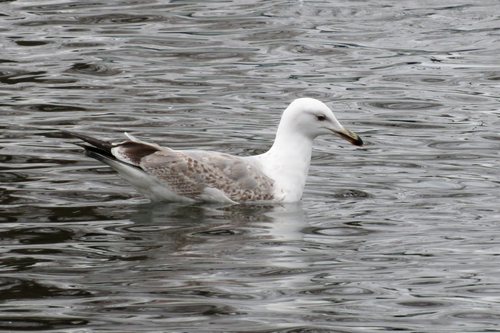 Gabbiano reale pontico
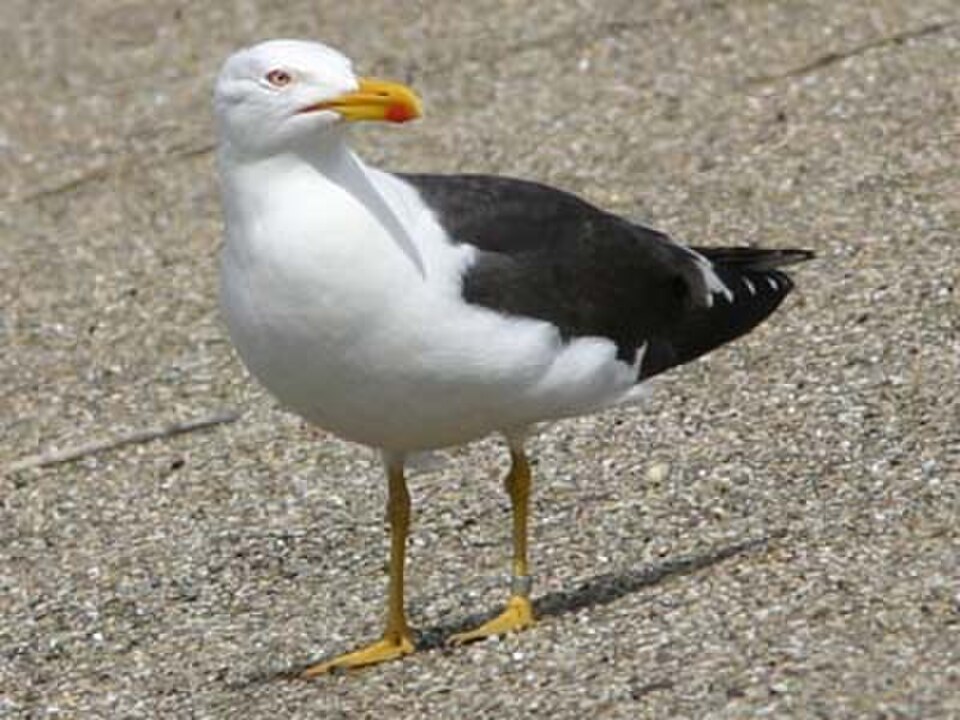 Zafferano
In breve
Il segno di campo più affidabile tra Gabbiano reale pontico e Zafferano, specialmente negli uccelli immaturi, è il modello delle ali e del corpo: i Gabbiani reali pontici di primo inverno mostrano una testa chiara con striature scure sul nape e due linee chiare sulle ali, mentre i giovani Zafferano sono più scuri e più uniformemente squamosi sopra. I Gabbiani reali pontici sono anche notevolmente più grandi e con zampe più lunghe, con un becco più lungo e slanciato e una fronte inclinata, rispetto al più compatto e con zampe più corte Zafferano. Il piumaggio adulto differisce nel colore del mantello, con i Zafferano che mostrano un dorso e ali nettamente più scuri. Le differenze strutturali e i sottili segnali di piumaggio sono fondamentali, specialmente quando gli uccelli non sono in piumaggio adulto completo o vengono visti in volo.
Consigli di identificazione
- Juvenile/First-winter wing pattern: Cerca due linee chiare sulle ali (formate da copritrici maggiori e mediane con punte chiare) nel Gabbiano reale pontico; lo Zafferano non ha queste e è più uniformemente scuro sopra. Questo è più affidabile negli uccelli di primo inverno, specialmente in volo.
- Head and neck pattern (immatures): I giovani Gabbiani reali pontici hanno una testa chiara con striature scure sul nape; lo Zafferano è generalmente con testa più scura e più uniforme.
- Upperpart color (adults): I Gabbiani reali pontici adulti hanno un mantello e ali grigie più chiare, mentre i Gabbiani Zafferano sono nettamente più scuri—quasi neri o grigio scuro, a seconda della sottospecie.
- Leg color (adults): I Gabbiani reali pontici adulti mostrano zampe da rosa pallido a giallastro chiaro; i Gabbiani Zafferano hanno zampe gialle. Il colore delle zampe può essere variabile nei Gabbiani reali pontici e sbiadito negli uccelli usurati, quindi usalo con cautela.
- Bill structure: Il Gabbiano reale pontico ha un becco più lungo e slanciato con una curva graduale e una fronte inclinata, dando un aspetto allungato. Il becco dello Zafferano è più corto e tozzo in confronto.
- Body structure and posture: Il Gabbiano reale pontico appare con collo più lungo, zampe più lunghe e più eretto, specialmente quando è all'erta. Lo Zafferano è più compatto e con zampe più corte.
- Eye color: Il Gabbiano reale pontico ha spesso un occhio piccolo e scuro, mentre l'occhio dello Zafferano è variabile ma può essere più chiaro in alcune sottospecie. Non sempre affidabile a distanza.
- Tertial pattern (juveniles): I Gabbiani Zafferano hanno tertiali più solidamente scuri e senza barre, mentre i tertiali del Gabbiano reale pontico sono meno uniformi e possono mostrare più contrasto.
- Flight jizz: Il volo del Gabbiano reale pontico è più galleggiante ed elastico, con ali più lunghe e un aspetto più elegante. Lo Zafferano è più diretto e determinato.
- Seasonal head streaking (adults): In inverno, i Gabbiani Zafferano sviluppano una testa più grigia, mentre la testa del Gabbiano reale pontico rimane più chiara con meno striature.
- Size in mixed flocks: Quando visti insieme, i Gabbiani reali pontici sono più grandi e robusti, ma fai attenzione alla sovrapposizione e alla variazione individuale.
- Habitat context: Nell'Europa occidentale, lo Zafferano è più probabile, specialmente lungo la costa atlantica; il Gabbiano reale pontico è più atteso nell'Europa orientale e in Asia centrale, ma entrambi possono verificarsi in grandi corpi d'acqua interni.
- Bill color (adults): Entrambi hanno becchi gialli con una macchia rossa, quindi questo non è un separatore affidabile.
- Moult timing: Gli adulti Zafferano possono mostrare una muta incompleta fino a tardi in autunno, ma questo è sottile e di solito non diagnostico sul campo.
- Vocalizations: Non trattato nelle note fornite; non fare affidamento sui richiami per la separazione basata su questi dati.
Taglia
Il Gabbiano reale pontico è significativamente più pesante e lungo rispetto allo Zafferano, con una massa corporea media adulta di 1154 g rispetto a 817,5 g per lo Zafferano. Il Gabbiano reale pontico ha anche un cordone alare più lungo (fino a 48 cm contro 45 cm), un becco più lungo e un tarso più lungo. Sul campo, il Gabbiano reale pontico appare più snello, con un collo, zampe e ali più lunghi, mentre lo Zafferano è più compatto e leggermente più piccolo nel complesso. Queste differenze sono più evidenti quando le due specie sono affiancate, ma possono essere sottili a distanza o con uccelli solitari.
Piumaggio
I Gabbiani reali pontici giovani e di primo inverno sono distintivi per le loro teste chiare con striature scure sul nape, parti inferiori chiare e dorso grigiastro. Le loro copritrici maggiori e mediane hanno punte bianche, formando due linee chiare sulle ali—queste sono visibili sia a riposo che in volo e sono una chiave di separazione dallo Zafferano. Al contrario, i giovani Gabbiani Zafferano sono più scuri nel complesso, con parti superiori squamose di colore bruno-nero e un modello di ali ordinato e più uniforme privo delle linee chiare. I loro tertiali sono più solidamente scuri e senza barre, il che aiuta a distinguerli dai giovani gabbiani herring ma li distingue anche dal Gabbiano reale pontico. Gli adulti sono più semplici: i Gabbiani reali pontici hanno un dorso e ali grigie più chiare, mentre i Gabbiani Zafferano mostrano un mantello e ali superiori molto più scuri (quasi neri o grigio scuro). Entrambe le specie hanno becchi gialli con una macchia rossa negli adulti, ma il becco del Gabbiano reale pontico è più lungo e slanciato. Il colore delle zampe può aiutare: i Gabbiani reali pontici adulti hanno zampe da rosa pallido a giallastro chiaro, mentre i Gabbiani Zafferano tipicamente hanno zampe gialle. In inverno, i Gabbiani Zafferano sviluppano una testa più grigia, ma questo è meno marcato nel Gabbiano reale pontico.
Comportamento
I Gabbiani reali pontici appaiono spesso più eretti e allungati, con una postura distintiva di collo lungo e zampe lunghe, specialmente quando sono all'erta o camminano. Il loro volo è più galleggiante ed elastico, con ali più lunghe e un aspetto più elegante, quasi languido. I Gabbiani Zafferano sono più compatti e determinati nei movimenti, sia a terra che in volo. Tendono ad essere più gregari e sono spesso visti in stormi misti con altri grandi gabbiani, specialmente in siti costieri o discariche.
Habitat
Entrambe le specie possono essere trovate in habitat simili, comprese coste, laghi e aree urbane, ma le loro aree principali differiscono: il Gabbiano reale pontico è più comune nell'Europa orientale e in Asia centrale, mentre il Gabbiano Zafferano nidifica lungo le coste atlantiche e artiche d'Europa e sverna più a sud, inclusa l'Africa occidentale. Nelle aree di sovrapposizione, entrambi possono essere visti in grandi corpi d'acqua interni, estuari e siti di discarica. Lo Zafferano è ora sempre più registrato in Nord America, specialmente lungo la costa orientale, mentre il Gabbiano reale pontico rimane raro lì.
Gabbiano reale pontico · Zafferano · I miei uccelli difficili