
Motmot

ワキジロカンザシフウチョウ 対 オナガカンザシフウチョウ

Parotia carolae 対 Parotia wahnesi

ワキジロカンザシフウチョウとオナガカンザシフウチョウのクイズ
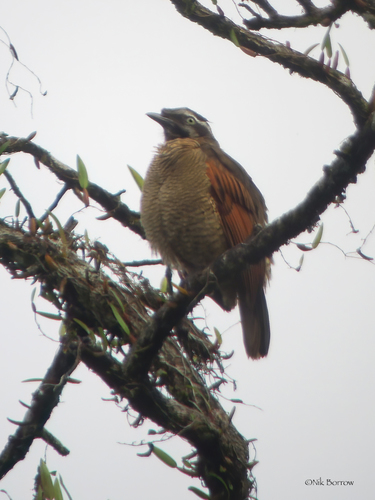
ワキジロカンザシフウチョウ (Parotia carolae) ワキジロカンザシフウチョウ
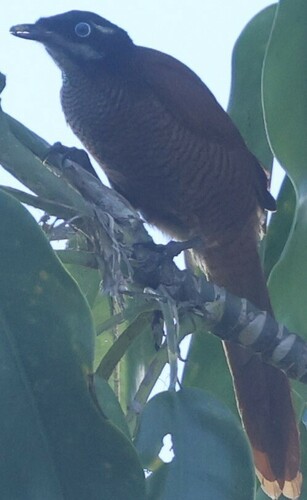
オナガカンザシフウチョウ (Parotia wahnesi) オナガカンザシフウチョウ

メディア

読み込み中…

要点

ワキジロカンザシフウチョウとオナガカンザシフウチョウの最も信頼できるフィールドマークは、全体のサイズと尾の長さです:オナガカンザシフウチョウははるかに大きく、顕著に長いくさび形の尾を持っていますが、ワキジロカンザシフウチョウはよりコンパクトで短い尾を持っています。両種のオスは、虹色の胸のシールドと各目の後ろに3本のワイヤー状の頭飾りを示しますが、ワキジロカンザシフウチョウのオスは小さく、漆黒の頭とより広範な銅色とマゼンタの虹色を持ち、オナガカンザシフウチョウのオスはよりがっしりしていて、黄緑色の胸のシールドと装飾の少ない頭の羽毛を持っています。メスは頭と下部の模様が異なります:ワキジロカンザシフウチョウのメスは淡い眉斑と縞模様のある下部を持つ茶色がかった頭を持ち、オナガカンザシフウチョウのメスはより豊かな茶色で黒っぽい頭を持ち、強い縞模様がありません。両種はニューギニアの山林に生息していますが、その分布は重なりません。未熟な鳥とメスの鳥は混乱を引き起こす可能性が最も高いため、分離のためにサイズ、尾の長さ、頭/下部の模様に焦点を当ててください。

識別のコツ

  1. Size and Tail Length: オナガカンザシフウチョウはワキジロカンザシフウチョウよりもはるかに大きく、尾も長い(約43 cm)です。これは、特に止まっているか飛んでいるときに見られるときに、最も迅速なフィールドの手がかりとなります。すべての年齢と性別に適用されます。
  2. Tail Shape: オナガカンザシフウチョウは長いくさび形の尾を持っていますが、ワキジロカンザシフウチョウの尾は短く、くさび形ではありません。メスのワキジロカンザシフウチョウはオスよりも相対的に長い尾を持っていますが、それでもオナガカンザシフウチョウのように長くなく、くさび形でもありません。
  3. Male Head Ornamentation: 両方のオスは各目の後ろに3本のワイヤー状の後頭部の羽飾りを持っていますが、ワキジロカンザシフウチョウのものは比較的短く、小さなスパチュラの先端を持っていますが、オナガカンザシフウチョウのものは長く、より目立ちます。ワキジロカンザシフウチョウの前頭部の冠を探してください。これはWahnes'sでは欠如しているか、発達が少ないです。
  4. Male Breast Shield: ワキジロカンザシフウチョウのオスは、青銅色の黄緑色、マゼンタ、またはピンクに見えることがある非常に虹色の胸のシールドを持ち、しばしば目に見える漆黒の羽根の基部があります。オナガカンザシフウチョウの胸のシールドは虹色の黄緑色ですが、色の変化は少ないです。
  5. Male Face Pattern: ワキジロカンザシフウチョウのオスは銅色の金のアイリングと狭い虹色の後頭部のバーを示し、頭と顔には漆黒の羽毛があります。オナガカンザシフウチョウのオスは銅色の青銅の鼻の房羽毛を持っていますが、強いアイリングと後頭部のバーは欠如しています。
  6. Male Flank Plumes: ワキジロカンザシフウチョウのオスは広範囲にわたる綿のような白い、内側に曲がった側面の羽飾りを持ち、オナガカンザシフウチョウよりも目立ちます。
  7. Female Head Pattern: ワキジロカンザシフウチョウのメスは広い淡い眉斑と淡い口髭の縞を持つ茶色がかったから灰色がかった頭を持っています。オナガカンザシフウチョウのメスはより豊かな茶色の体を持ち、黒っぽい頭を持ち、ワキジロカンザシフウチョウに見られる強い眉斑や淡い顔の縞が欠如しています。
  8. Female Underparts: ワキジロカンザシフウチョウのメスは強い黒っぽい茶色の縞模様のあるバフ色の下部を示しますが、オナガカンザシフウチョウのメスは強い縞模様のないより均一な茶色の下部を持っています。
  9. Iris Color: ワキジロカンザシフウチョウのメスと未熟な個体は淡い灰色、クリーム、または黄色の虹彩を持つことがあります(年齢に関連している可能性があります)が、オナガカンザシフウチョウの虹彩の色は特に特徴的ではないとされています。
  10. Plumage of Immatures: 未熟なワキジロカンザシフウチョウのオスはメスに似ていますが、淡い灰色の虹彩を持ち、成鳥のオスの特徴を徐々に獲得します。サイズと尾の長さを未熟な鳥の主な手がかりとして使用してください。
  11. Habitat and Range: Huon PeninsulaまたはAdelbert Mountainsにいる場合、オナガカンザシフウチョウが唯一期待されるカンザシフウチョウです;ニューギニア中央部の他の場所では、ワキジロカンザシフウチョウを期待してください。これは、場所が知られている場合の強い分離要因です。
  12. Flight Jizz: オナガカンザシフウチョウは飛行中にがっしりしていて尾が長く見えますが、ワキジロカンザシフウチョウはよりコンパクトです。これは微妙ですが、遠くからの視界や短い視界で役立つことがあります。
  13. Bill and Leg Color: ワキジロカンザシフウチョウは黒いビルと黒っぽい灰色の脚を持っています;オナガカンザシフウチョウのビルと脚の色はフィールドでは特徴的ではありません。
  14. Courtship Display: 両種は華やかな地上のディスプレイを行いますが、見られた場合、がっしりしていて尾が長いダンサーはオナガカンザシフウチョウです。
  15. When in Doubt: 曖昧または遠くの鳥の場合、最良の分離のためにサイズ、尾の長さ/形状、およびメス/未熟な頭と下部の模様を優先してください。

大きさ

オナガカンザシフウチョウはワキジロカンザシフウチョウ(最大26 cm)よりもかなり大きい(約43 cm)です [wikipedia]。このサイズの違いは、両種が止まっているか飛んでいるときに見られるときに特に明らかです。オナガカンザシフウチョウはまた、はるかに長いくさび形の尾を持っていますが、ワキジロカンザシフウチョウはよりコンパクトで相対的に短い尾を持っています。メスのワキジロカンザシフウチョウはオスよりも小さく、体に対して相対的に長い尾を持っていますが、それでもオナガカンザシフウチョウの全体的なサイズや尾の長さには達しません。ビルのサイズはフィールドでの強い分離要因ではありません。

羽色

行動

両種は多配偶性で、森林の床で華やかな求愛行動を行い、オスは虹色の胸のシールドと頭の羽飾りを踊りながら見せます。オナガカンザシフウチョウの求愛ダンスは壮観であると説明されていますが、2種の採餌や一般的な行動の違いについてはあまり知られていません。両者は主に果物や節足動物を食べます。フィールドでは、ワキジロカンザシフウチョウはよりコンパクトで活発に見えるかもしれませんが、オナガカンザシフウチョウはがっしりしていて、動きがより慎重に見えるかもしれませんが、これは微妙であり、主要なフィールドマークではありません。

生息環境

ワキジロカンザシフウチョウはニューギニア中央部の中山林に生息していますが、オナガカンザシフウチョウはパプアニューギニア北東部のHuon PeninsulaとAdelbert Mountainsの山林に制限されています [wikipedia]。彼らの分布は重なりませんので、正確な場所は強い手がかりとなります。両種は似たような森林タイプ(中山から山地)に見られますが、HuonまたはAdelbertの山脈にいる場合、オナガカンザシフウチョウが期待される種です;ニューギニア中央部の他の場所では、ワキジロカンザシフウチョウを探してください。

より良い説明を送る

比較と同じ項目を使ってください。文章はすぐに公開されます。

The most reliable field mark between Carola's Parotia and Wahnes's Parotia is overall size and tail length: Wahnes's Parotia is much larger and has a notably longer, wedge-shaped tail, while Carola's Parotia is more compact with a shorter tail. Males of both species show iridescent breast shields and three wire-like head plumes behind each eye, but Carola's Parotia males are smaller, with a jet-black head and more extensive coppery and magenta iridescence, while Wahnes's Parotia males are bulkier with a yellow-green breast shield and less ornate head feathering. Females differ in head and underpart pattern: Carola's Parotia females have a brownish head with pale supercilium and barred underparts, while Wahnes's Parotia females are richer brown with a blackish head and lack strong barring. Both species inhabit New Guinea mountain forests, but their ranges do not overlap. Immature and female birds are most likely to cause confusion, so focus on size, tail length, and head/underpart pattern for separation.

  1. Size and Tail Length: Wahnes's Parotia is much larger and longer-tailed (about 43 cm) than Carola's Parotia (up to 26 cm). This is often the quickest field clue, especially when seen perched or in flight. Applies to all ages and sexes.
  2. Tail Shape: Wahnes's Parotia has a long, wedge-shaped tail, while Carola's Parotia's tail is shorter and less wedge-shaped. Female Carola's Parotia has a relatively longer tail than the male but is still not as long or wedge-shaped as Wahnes's.
  3. Male Head Ornamentation: Both males have three wire-like occipital plumes behind each eye, but Carola's Parotia's are relatively shorter with small spatulate tips, while Wahnes's Parotia's are longer and more prominent. Look for the frontal crest in Carola's Parotia, which is absent or less developed in Wahnes's.
  4. Male Breast Shield: Carola's Parotia males have a highly iridescent breast shield that can appear bronzed yellow-green, magenta, or pink, often with visible jet-black feather bases. Wahnes's Parotia's breast shield is iridescent yellow-green but less variable in color.
  5. Male Face Pattern: Carola's Parotia males show a coppery-gold eyering and a narrow iridescent nuchal bar, with jet-black feathering on the head and face. Wahnes's Parotia males have coppery-bronzed nasal tuft feathers but lack the strong eyering and nuchal bar.
  6. Male Flank Plumes: Carola's Parotia males have extensive, cotton-white, inwardly curving flank plumes, which are more conspicuous than in Wahnes's Parotia.
  7. Female Head Pattern: Carola's Parotia females have a brownish to grey-brown head with a broad pale supercilium and pale moustachial stripes. Wahnes's Parotia females have a richer brown body with a blackish head and lack the strong supercilium and pale facial stripes.
  8. Female Underparts: Carola's Parotia females show buff underparts with strong blackish-brown barring, while Wahnes's Parotia females are more uniformly brown below without strong barring.
  9. Iris Color: Carola's Parotia females and immatures can have pale grey, cream, or yellow irises (possibly age-related), while Wahnes's Parotia iris color is not described as distinctive.
  10. Plumage of Immatures: Immature Carola's Parotia males are like females but with a pale grey iris and patchy acquisition of adult male features. Use size and tail length as primary clues for immature birds.
  11. Habitat and Range: If in the Huon Peninsula or Adelbert Mountains, Wahnes's Parotia is the only expected parotia; elsewhere in central New Guinea, expect Carola's Parotia. This is a strong separator when locality is known.
  12. Flight Jizz: Wahnes's Parotia appears bulkier and longer-tailed in flight, while Carola's Parotia is more compact. This is subtle but can help with distant or brief views.
  13. Bill and Leg Color: Carola's Parotia has a black bill and blackish-grey legs; Wahnes's Parotia's bill and leg color are not distinctive in the field.
  14. Courtship Display: Both species perform elaborate ground displays, but if seen, the bulkier, longer-tailed dancer is Wahnes's Parotia.
  15. When in Doubt: For ambiguous or distant birds, prioritize size, tail length/shape, and female/immature head and underpart pattern for best separation.

Wahnes's Parotia is significantly larger (about 43 cm long) than Carola's Parotia (up to 26 cm long) [wikipedia]. This size difference is especially apparent in the field when both species are seen perched or in flight. Wahnes's Parotia also has a much longer, wedge-shaped tail, while Carola's Parotia is more compact with a relatively shorter tail. Female Carola's Parotia is smaller than the male and has a longer tail relative to its body, but still does not approach the overall size or tail length of Wahnes's Parotia. Bill size is not a strong separator in the field.

  • Juvenile/Immature: Juvenile Carola's Parotia is undescribed, but immature males resemble adult females with a pale grey iris, gradually acquiring adult male features. Subadult males are patchy, with some adult male feathers on a female-like body. Wahnes's Parotia juvenile/immature plumage is not described, but likely follows a similar pattern of female-like plumage before acquiring adult male features.

  • Adult Male: Carola's Parotia males are jet-black with a coppery-bronze sheen, a short erectile frontal crest, three wire-like occipital plumes behind each eye (with small spatulate tips), and a highly iridescent breast shield that can show bronzed yellow-green, magenta, or pink. The face is marked by a coppery-gold eyering and a narrow iridescent nuchal bar. Flank plumes are cotton-white and strongly curved inward. Wahnes's Parotia males are larger, with an iridescent yellow-green breast shield, elongated black plumes, three erectile spatule head wires behind each eye, coppery-bronzed nasal tuft feathers, and a long, wedge-shaped tail. The overall impression is bulkier and less compact than Carola's Parotia.

  • Adult Female: Carola's Parotia females are brownish to grey-brown on the head with a broad pale supercilium, dirty white moustachial and submoustachial stripes, and buff underparts with blackish-brown barring. Wahnes's Parotia females are richer brown overall, with a blackish head and lack the strong pale supercilium or barring on the underparts seen in Carola's Parotia. The tail is longer and more wedge-shaped in Wahnes's Parotia females.

Both species are polygamous and perform elaborate courtship displays on the forest floor, with males dancing and displaying their iridescent breast shields and head plumes. Wahnes's Parotia's courtship dance is described as spectacular, but otherwise, little is known about differences in foraging or general behavior between the two. Both feed mainly on fruits and arthropods. In the field, Carola's Parotia may appear more compact and active, while Wahnes's Parotia is bulkier and may seem more deliberate in movement, but this is subtle and not a primary field mark.

Carola's Parotia inhabits mid-mountain forests of central New Guinea, while Wahnes's Parotia is restricted to the mountain forests of the Huon Peninsula and Adelbert Mountains in northeast Papua New Guinea [wikipedia]. Their ranges do not overlap, so precise locality can be a strong clue. Both species are found in similar forest types (mid-montane to montane), but if you are in the Huon or Adelbert ranges, Wahnes's Parotia is the expected species; elsewhere in central New Guinea, look for Carola's Parotia.

変更を破棄しますか?

保存していない編集があります。今離れると失われます。

ワキジロカンザシフウチョウ · オナガカンザシフウチョウ · 苦手な鳥