

Motmot

キノドハナグロウ 対 カワウ

Phalacrocorax capensis 対 Phalacrocorax carbo

キノドハナグロウとカワウのクイズ
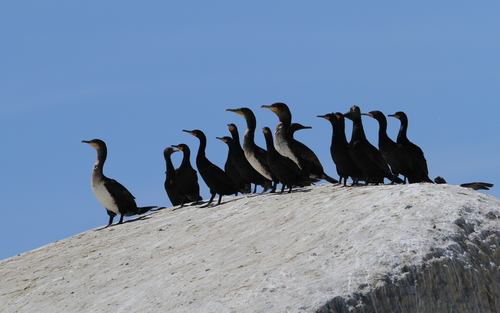
キノドハナグロウ (Phalacrocorax capensis) キノドハナグロウ
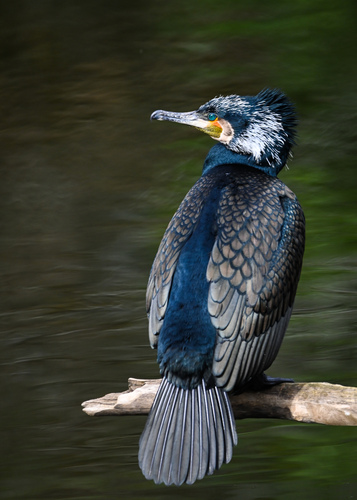
カワウ (Phalacrocorax carbo) カワウ

メディア

読み込み中…

要点

キノドハナグロウとカワウの間で最も信頼できるフィールドマークは、全体的な体のサイズと喉袋の色と範囲です:キノドハナグロウは明らかにスリムで小さく、深い黄色オレンジの喉袋を持っていますが、カワウは重く、がっしりしており、黄色(時には赤)の喉の斑点を示し、しばしばくちばしの基部は淡い色をしています。幼鳥や未成熟の鳥は特に難しいですが、カワウの未成熟は淡い腹部を持っているのに対し、キノドハナグロウの未成熟と幼鳥は全体的に茶色で、茶色の喉を持ち、強い腹部のコントラストがありません。成鳥のキノドハナグロウは光沢のある青黒で、ターコイズの目を持っていますが、成鳥のカワウは緑の目を持ち、繁殖期には白い太ももと頭の斑点があります。構造、特にくちばしの太さと体の大きさは、すべての年齢での重要な区別点です。

識別のコツ

  1. Size and bulk: カワウはキノドハナグロウのほぼ2倍の重さで、はるかにがっしりとして見え、首が太く、くちばしも重いです。これはしばしば最初の手がかりで、特に鳥が一緒に止まっているときや、馴染みのある種の近くにいるときに顕著です。
  2. Gular pouch color and shape: キノドハナグロウは深い黄色オレンジの喉袋を持ち、カワウの黄色(時には赤)の斑点よりも明るく、広範囲にわたることが多いです。カワウの斑点はあまり鮮やかでない場合があり、くちばしの基部は淡い色で囲まれています。
  3. Bill structure: カワウはより頑丈で、より強くフック状のくちばしを持ち、淡い基部と暗い先端があります。キノドハナグロウのくちばしはスリムで、全体が暗い灰色黒で、あまり頑丈ではありません。
  4. Eye color: 成鳥のキノドハナグロウは目がターコイズで、緑がかったリングがありますが、成鳥のカワウは深い海緑の目を持っています。両種の幼鳥は鈍い灰色の目を持っていますが、これは強い区別点ではありません。
  5. Juvenile/immature underparts: カワウの未成熟と幼鳥は淡いから白っぽい腹部を持ち、暗い上面と鋭く対照的です。キノドハナグロウの未成熟は全体的に茶色で、茶色の喉を持ち、淡い腹部はありません—これは若い鳥の重要なマークです。
  6. Adult plumage gloss: 成鳥のキノドハナグロウは全体が光沢のある青黒で、繁殖期にはボトルグリーンの翼を持つことがあります。カワウの成鳥は黒で、翼と尾に青銅色または緑がかった虹色があり、体には紫色がありますが、均一な青黒の光沢はありません。
  7. Breeding plumage patches: 繁殖期の成鳥のカワウは、太もも、頭、首に目立つ白いフィロプラームの斑点を示します。キノドハナグロウはこれらの領域に白い斑点を示すことはありません。
  8. Gular pouch in juveniles: キノドハナグロウの幼鳥は黒、白、または斑点のある喉袋を持つことがありますが、カワウの幼鳥は常に黄色または赤の斑点を持ちますが、鈍い場合もあります。
  9. Tail structure: カワウは14本の羽を持つかなり長い尾を持っています。キノドハナグロウの尾は特に診断的に記述されていませんが、目立たないです。
  10. Flight jizz: キノドハナグロウは飛行中により流線型で、スリムなプロファイルと狭い翼を持っています。カワウは飛行中により重く、広い翼を持っているように見え、翼の拍動が遅く、深いです。
  11. Habitat context: 内陸または南西アフリカの外で見られた場合、ほぼ確実にカワウです。キノドハナグロウは厳密に沿岸性で、南西アフリカに特有です。
  12. Vocalization: 繰り返される低音のクラック(求愛)や「グラグラグラ」という呼び声が聞こえた場合、それはキノドハナグロウです。カワウは主に静かで、喉のコロニーの音を除いては音を出しません。
  13. Sexual dimorphism: 両種は羽毛においてほとんど性差がありませんが、カワウのオスは通常メスよりも大きく、キノドハナグロウのオスとメスはサイズと外見が非常に似ています。
  14. Seasonal changes: カワウの白い繁殖斑点は繁殖期にのみ存在し、この期間外では羽毛はより均一に黒く、光沢が少なく、キノドハナグロウと混同される可能性があります。非繁殖鳥の構造的および喉袋の違いを探してください。
  15. Pitfalls: 褪せた腹部を持つ未成熟のカワウはキノドハナグロウに似ることがありますが、淡い腹部や胸部の存在、全体的な体格は依然としてカワウを指し示します。キノドハナグロウの未成熟は決して鋭く淡い腹部を示しません。

大きさ

カワウはキノドハナグロウよりもはるかに大きく、重いです。カワウの平均体重は約2200gで、キノドハナグロウの1217gのほぼ2倍です。フィールドでは、カワウはがっしりして見え、より頑丈な体型と重く、太いくちばしを持っています。キノドハナグロウはよりスリムで、軽く、流線型の外観を持っています。両種は長さは似ていますが、質量と体格の違いは、通常、一緒に見たり、経験を積むと明らかになります。

羽色

幼鳥と未成熟の羽毛は主な落とし穴です。若いカワウは淡いから白っぽい腹部を示し、暗い上面との強い対比があり、鈍い灰色の目を持っています。年齢とともに、彼らの腹部は茶色くなりますが、淡い腹部と胸部は、3〜4歳で完全な成鳥の羽毛に達するまでの重要なマークです。キノドハナグロウの幼鳥と未成熟は全体的に茶色で、茶色の喉を持ち、鋭い淡い腹部はありません;彼らの目は灰色で、喉袋は黒、白、または斑点があることがあります。成鳥のキノドハナグロウは全体が光沢のある青黒で、深い黄色オレンジの喉袋とターコイズの目を持っていますが、成鳥のカワウは黒で、翼と尾に青銅色から緑がかった虹色があり、体には紫色があり、黄色または赤の喉の斑点を持っています。繁殖期には、成鳥のカワウは太もも、頭、首に白いフィロプラームの斑点を発達させ、キノドハナグロウにはありません。キノドハナグロウの繁殖成鳥はボトルグリーンの翼を持っていますが、これは微妙です。キノドハナグロウのくちばしの色は暗い灰色黒ですが、カワウのくちばしは先端が暗く、基部が淡いです。

行動

両種は行動において典型的なカワウであり、しばしば翼を広げて乾かすために止まっているのが見られます。カワウはがっしりしているため、飛行中にあまり敏捷に見えず、離陸や着陸時により鈍重に見えることがあります。キノドハナグロウはより流線型で、飛行中により優雅に見えることがあります。両者は強力な泳ぎ手であり、潜水者ですが、カワウの大きなサイズと重い体格は、並んで見たときに明らかです。

生息環境

キノドハナグロウは南西アフリカの沿岸に特有であり、この地域の外では見られません。カワウは旧世界、オーストラレーシア、北アメリカの大西洋沿岸に広く分布しており、南アフリカでのみキノドハナグロウと重なることがあります。南西アフリカの外で見られた場合、その鳥はほぼ確実にカワウです。両種は沿岸の水域を利用しますが、カワウは湖や川の内陸にも見られるのに対し、キノドハナグロウはより厳密に海洋性です。

声

キノドハナグロウはより声が多く、両性が異なる文脈のためにさまざまな呼び声を出します。オスは求愛中に繰り返される低音のクラックを出し、メスは「グラグラグラ」という呼び声で応じます。ペア形成後、オスはメスに似た呼び声に切り替えます。カワウは主に静かで、繁殖コロニーでのみさまざまな喉の音を出します。フィールドでは、求愛やコロニー行動を観察しない限り、声は診断的であることはほとんどありません。

より良い説明を送る

比較と同じ項目を使ってください。文章はすぐに公開されます。

The most reliable field mark between Cape Cormorant and Great Cormorant is the overall body size and the color and extent of the gular (throat) pouch: Cape Cormorant is distinctly slimmer and smaller, with a deep yellow-orange gular pouch, while Great Cormorant is heavier, bulkier, and shows a yellow (sometimes red) gular patch, often with a paler base to the bill. Juvenile and immature birds are especially tricky, but Great Cormorant immatures have pale underparts, while Cape Cormorant immatures and juveniles are browner overall with a brown throat and lack the strong underpart contrast. Adult Cape Cormorant is a glossy blue-black with turquoise eyes, whereas Great Cormorant adults have green eyes and, in breeding season, white thigh and head patches. Structure, especially bill thickness and body bulk, is a key separator at all ages.

  1. Size and bulk: Great Cormorant is nearly twice as heavy as Cape Cormorant and appears much bulkier, with a thicker neck and heavier bill. This is often the first clue, especially when birds are perched together or near familiar species.
  2. Gular pouch color and shape: Cape Cormorant has a deep yellow-orange gular pouch, often brighter and more extensive than the Great Cormorant's yellow (sometimes red) patch, which may be less vivid and is bordered by a paler base to the bill.
  3. Bill structure: Great Cormorant has a stouter, more strongly hooked bill, with a pale base and dark tip. Cape Cormorant's bill is slimmer, all dark grey-black, and less robust.
  4. Eye color: Adult Cape Cormorant has striking turquoise eyes with a greenish ring, while Great Cormorant adults have deep sea-green eyes. Juveniles of both species have duller, greyish eyes, but this is not a strong separator.
  5. Juvenile/immature underparts: Great Cormorant immatures and juveniles have pale to whitish underparts, sharply contrasting with the dark upperparts. Cape Cormorant immatures are brownish overall, with a brown throat and no pale belly—this is a key mark for young birds.
  6. Adult plumage gloss: Cape Cormorant adults are glossy blue-black all over, sometimes with bottle green wings in breeding season. Great Cormorant adults are black with bronze or greenish iridescence on the wings and tail, and purple on the body, but lack the uniform blue-black gloss.
  7. Breeding plumage patches: Great Cormorant adults in breeding season show conspicuous white filoplume patches on the thighs, head, and neck. Cape Cormorant never shows white patches in these areas.
  8. Gular pouch in juveniles: Cape Cormorant juveniles may have a black, white, or speckled gular pouch, while Great Cormorant juveniles always have a yellow or red patch, though it may be duller.
  9. Tail structure: Great Cormorant has a fairly long tail with 14 feathers. Cape Cormorant's tail is not specifically described as diagnostic, but is not as prominent.
  10. Flight jizz: Cape Cormorant is more streamlined in flight, with a slimmer profile and narrower wings. Great Cormorant appears heavier and broader-winged in flight, with slower, deeper wingbeats.
  11. Habitat context: If seen inland or outside southwestern Africa, it is almost certainly Great Cormorant. Cape Cormorant is strictly coastal and endemic to southwestern Africa.
  12. Vocalization: If you hear a repeated low-pitch cluck (courtship) or a 'gra-gra-gra' call, it is Cape Cormorant. Great Cormorant is mostly silent except for guttural colony noises.
  13. Sexual dimorphism: Both species show little to no sexual dimorphism in plumage, but Great Cormorant males are typically larger than females, while Cape Cormorant sexes are very similar in size and appearance.
  14. Seasonal changes: Great Cormorant's white breeding patches are only present in the breeding season; outside this period, the plumage is more uniformly black and less glossy, potentially causing confusion with Cape Cormorant. Look for structural and gular pouch differences in non-breeding birds.
  15. Pitfalls: Immature Great Cormorant with faded underparts may resemble Cape Cormorant, but the presence of any pale belly or breast, and overall bulk, still point to Great Cormorant. Cape Cormorant immatures never show a sharply pale belly.

Great Cormorant is much larger and heavier than Cape Cormorant. Great Cormorant averages around 2200 g, nearly double the Cape Cormorant's 1217 g. In the field, Great Cormorant appears bulkier, with a stouter build and a heavier, thicker bill. Cape Cormorant is more slender, with a lighter, more streamlined appearance. Both species are similar in length, but the difference in mass and bulk is usually obvious when seen together or with experience.

Juvenile and immature plumage is the main pitfall. Young Great Cormorants show pale to whitish underparts, a strong contrast with the dark upperparts, and dull grey eyes. As they age, their underparts become browner, but the pale belly and breast remain a key mark until they reach full adult plumage at 3–4 years. Cape Cormorant juveniles and immatures are browner overall, with a brown throat and no sharp pale underparts; their eyes are grey, and the gular pouch can be black, white, or speckled. Adult Cape Cormorant is glossy blue-black all over, with a deep yellow-orange gular pouch and turquoise eyes, while adult Great Cormorant is black with bronze to greenish iridescence on the wings and tail, purple on the body, and a yellow or red gular patch. In breeding season, Great Cormorant adults develop white filoplume patches on the thighs, head, and neck, which Cape Cormorant lacks. Cape Cormorant's breeding adults have bottle green wings, but this is subtle. Bill color is dark grey-black in Cape Cormorant, while Great Cormorant's bill is dark at the tip and paler at the base.

Both species are typical cormorants in behavior, often seen perched with wings spread to dry. Great Cormorant, being bulkier, may appear less agile in flight and more ponderous when taking off or landing. Cape Cormorant is more streamlined and may look more graceful in flight. Both are strong swimmers and divers, but Great Cormorant's larger size and heavier build are apparent when seen side by side.

Cape Cormorant is endemic to the southwestern coast of Africa and is not found outside this region. Great Cormorant is widespread across the Old World, Australasia, and the Atlantic coast of North America, and can overlap with Cape Cormorant only in southern Africa. If seen outside southwestern Africa, the bird is almost certainly Great Cormorant. Both species use coastal waters, but Great Cormorant is also found inland on lakes and rivers, whereas Cape Cormorant is more strictly marine.

Cape Cormorant is more vocal, with both sexes producing a variety of calls for different contexts. Males give a repeated low-pitch cluck during courtship, while females respond with a 'gra-gra-gra' call. After pair formation, the male switches to a call similar to the female's. Great Cormorant is mostly silent except at breeding colonies, where it makes various guttural noises. In the field, vocalizations are rarely diagnostic unless observing courtship or colony behavior.

変更を破棄しますか?

保存していない編集があります。今離れると失われます。

キノドハナグロウ · カワウ · 苦手な鳥