

Cape Cormorant vs Cormorano
Phalacrocorax capensis contro Phalacrocorax carbo
Fai un quiz con Cape Cormorant e Cormorano
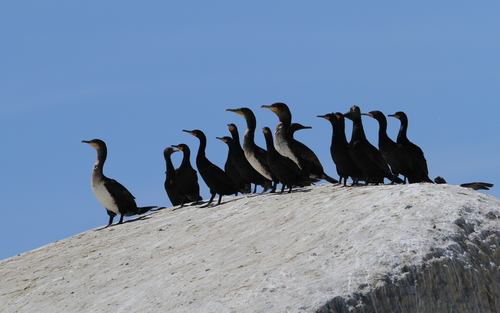 Cape Cormorant
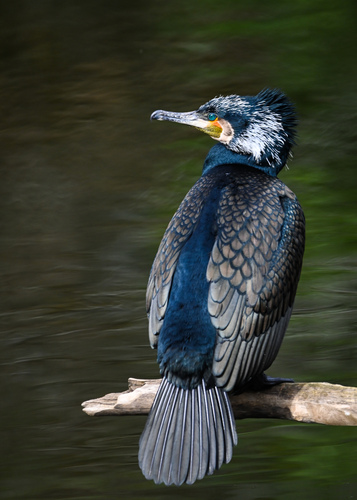 Cormorano
In breve
Il segno distintivo più affidabile tra Cape Cormorant e Cormorano è la dimensione complessiva del corpo e il colore e l'estensione della sacca gulare (throat): Cape Cormorant è decisamente più snello e più piccolo, con una sacca gulare di un profondo giallo-arancio, mentre il Cormorano è più pesante, più massiccio e mostra una macchia gulare gialla (a volte rossa), spesso con una base più chiara nel becco. Gli uccelli giovani e immaturi sono particolarmente difficili, ma i giovani Cormorano hanno parti inferiori chiare, mentre i giovani e immaturi Cape Cormorant sono complessivamente più marroni con una gola marrone e mancano del forte contrasto delle parti inferiori. Il Cape Cormorant adulto è di un blu-nero lucido con occhi turchesi, mentre gli adulti Cormorano hanno occhi verdi e, durante la stagione di riproduzione, macchie bianche sulle cosce e sulla testa. La struttura, in particolare lo spessore del becco e la massa corporea, è un separatore chiave in tutte le età.
Consigli di identificazione
- Dimensione e massa: Il Cormorano è quasi due volte più pesante del Cape Cormorant e appare molto più massiccio, con un collo più spesso e un becco più pesante. Questo è spesso il primo indizio, specialmente quando gli uccelli sono appollaiati insieme o vicino a specie familiari.
- Colore e forma della sacca gulare: Il Cape Cormorant ha una sacca gulare di un profondo giallo-arancio, spesso più brillante e più estesa rispetto alla macchia gialla (a volte rossa) del Cormorano, che può essere meno vivida ed è bordata da una base più chiara nel becco.
- Struttura del becco: Il Cormorano ha un becco più robusto e più fortemente ricurvo, con una base chiara e una punta scura. Il becco del Cape Cormorant è più snello, tutto di un grigio-nero scuro, e meno robusto.
- Colore degli occhi: L'adulto Cape Cormorant ha occhi turchesi sorprendenti con un anello verdastro, mentre gli adulti Cormorano hanno occhi di un profondo verde mare. I giovani di entrambe le specie hanno occhi più opachi e grigi, ma questo non è un separatore forte.
- Parti inferiori giovani/immature: I giovani e immaturi Cormorano hanno parti inferiori chiare o bianche, in forte contrasto con le parti superiori scure. I giovani Cape Cormorant sono complessivamente marroni, con una gola marrone e senza pancia chiara—questo è un segno chiave per i giovani uccelli.
- Lucentezza del piumaggio adulto: Gli adulti Cape Cormorant sono lucidi blu-neri ovunque, a volte con ali verde bottiglia durante la stagione di riproduzione. Gli adulti Cormorano sono neri con iridescenza bronzo o verdastra sulle ali e sulla coda, e viola sul corpo, ma mancano della lucentezza blu-nera uniforme.
- Macchie del piumaggio di riproduzione: Gli adulti Cormorano durante la stagione di riproduzione mostrano evidenti macchie bianche di filoplume sulle cosce, sulla testa e sul collo. Il Cape Cormorant non mostra mai macchie bianche in queste aree.
- Sacca gulare nei giovani: I giovani Cape Cormorant possono avere una sacca gulare nera, bianca o maculata, mentre i giovani Cormorano hanno sempre una macchia gialla o rossa, anche se può essere più opaca.
- Struttura della coda: Il Cormorano ha una coda piuttosto lunga con 14 piume. La coda del Cape Cormorant non è specificamente descritta come diagnostica, ma non è così prominente.
- Volo: Il Cape Cormorant è più aerodinamico in volo, con un profilo più snello e ali più strette. Il Cormorano appare più pesante e con ali più larghe in volo, con battiti d'ali più lenti e profondi.
- Contesto dell'habitat: Se visto nell'entroterra o al di fuori del sud-ovest dell'Africa, è quasi certamente un Cormorano. Il Cape Cormorant è strettamente costiero ed endemico del sud-ovest dell'Africa.
- Vocalizzazione: Se senti un cluck ripetuto a bassa tonalità (corteo) o un richiamo 'gra-gra-gra', è Cape Cormorant. Il Cormorano è per lo più silenzioso tranne che per i rumori gutturali delle colonie.
- Dimorfismo sessuale: Entrambe le specie mostrano poco o nessun dimorfismo sessuale nel piumaggio, ma i maschi del Cormorano sono tipicamente più grandi delle femmine, mentre i sessi del Cape Cormorant sono molto simili in dimensione e aspetto.
- Cambiamenti stagionali: Le macchie bianche di riproduzione del Cormorano sono presenti solo durante la stagione di riproduzione; al di fuori di questo periodo, il piumaggio è più uniformemente nero e meno lucido, causando potenzialmente confusione con il Cape Cormorant. Cerca differenze strutturali e della sacca gulare negli uccelli non in riproduzione.
- Trappole: Un giovane Cormorano con parti inferiori sbiadite può assomigliare a un Cape Cormorant, ma la presenza di qualsiasi pancia o petto chiaro, e la massa complessiva, indicano comunque un Cormorano. I giovani Cape Cormorant non mostrano mai una pancia chiaramente pallida.
Taglia
Il Cormorano è molto più grande e pesante del Cape Cormorant. Il Cormorano pesa in media circa 2200 g, quasi il doppio dei 1217 g del Cape Cormorant. Sul campo, il Cormorano appare più massiccio, con una costruzione più robusta e un becco più pesante e spesso. Il Cape Cormorant è più snello, con un aspetto più leggero e aerodinamico. Entrambe le specie sono simili in lunghezza, ma la differenza in massa e volume è solitamente evidente quando viste insieme o con esperienza.
Piumaggio
Il piumaggio giovanile e immaturo è la principale trappola. I giovani Cormorano mostrano parti inferiori chiare o bianche, un forte contrasto con le parti superiori scure, e occhi grigi opachi. Con l'età, le loro parti inferiori diventano più marroni, ma la pancia e il petto chiari rimangono un segno chiave fino a raggiungere il piumaggio adulto completo a 3–4 anni. I giovani e immaturi Cape Cormorant sono complessivamente più marroni, con una gola marrone e senza parti inferiori chiare; i loro occhi sono grigi, e la sacca gulare può essere nera, bianca o maculata. L'adulto Cape Cormorant è lucido blu-nero ovunque, con una sacca gulare di un profondo giallo-arancio e occhi turchesi, mentre l'adulto Cormorano è nero con iridescenza bronzo a verdastra sulle ali e sulla coda, viola sul corpo, e una macchia gulare gialla o rossa. Durante la stagione di riproduzione, gli adulti Cormorano sviluppano macchie bianche di filoplume sulle cosce, sulla testa e sul collo, che il Cape Cormorant non ha. Gli adulti in riproduzione del Cape Cormorant hanno ali verde bottiglia, ma questo è sottile. Il colore del becco è grigio-nero scuro nel Cape Cormorant, mentre il becco del Cormorano è scuro alla punta e più chiaro alla base.
Comportamento
Entrambe le specie sono cormorani tipici nel comportamento, spesso visti appollaiati con le ali spiegate per asciugarsi. Il Cormorano, essendo più massiccio, può apparire meno agile in volo e più pesante nel decollo o nell'atterraggio. Il Cape Cormorant è più aerodinamico e può apparire più grazioso in volo. Entrambi sono forti nuotatori e subacquei, ma la maggiore dimensione e costruzione del Cormorano sono evidenti quando visti fianco a fianco.
Habitat
Il Cape Cormorant è endemico della costa sud-occidentale dell'Africa e non si trova al di fuori di questa regione. Il Cormorano è diffuso in tutto il Vecchio Mondo, in Australasia e lungo la costa atlantica del Nord America, e può sovrapporsi con il Cape Cormorant solo nel sud dell'Africa. Se visto al di fuori del sud-ovest dell'Africa, l'uccello è quasi certamente un Cormorano. Entrambe le specie utilizzano le acque costiere, ma il Cormorano si trova anche nell'entroterra su laghi e fiumi, mentre il Cape Cormorant è più strettamente marino.
Voce
Il Cape Cormorant è più vocale, con entrambi i sessi che producono una varietà di richiami per diversi contesti. I maschi emettono un cluck ripetuto a bassa tonalità durante il corteggiamento, mentre le femmine rispondono con un richiamo 'gra-gra-gra'. Dopo la formazione della coppia, il maschio passa a un richiamo simile a quello della femmina. Il Cormorano è per lo più silenzioso tranne che nelle colonie di riproduzione, dove emette vari rumori gutturali. Sul campo, le vocalizzazioni sono raramente diagnostiche a meno che non si osservi il corteggiamento o il comportamento della colonia.