

Motmot

カリフォルニアコンドル 対 ヒメコンドル

Gymnogyps californianus 対 Cathartes aura

カリフォルニアコンドルとヒメコンドルのクイズ

カリフォルニアコンドル (Gymnogyps californianus) カリフォルニアコンドル
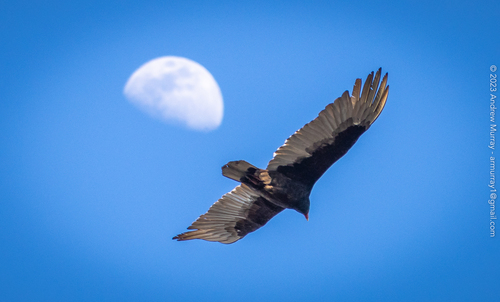
ヒメコンドル (Cathartes aura) ヒメコンドル

メディア

読み込み中…

要点

カリフォルニアコンドルとヒメコンドルを区別するための最も信頼できるフィールドマークは、飛行中の翼の裏側のパターンです:成鳥のコンドルは、翼の裏側に大きく、はっきりと定義された白い三角形やバンドを示しますが、ヒメコンドルは、飛行羽に制限された銀灰色の色を示し、暗い翼の縁があります。幼鳥のコンドルは鮮明な白を欠き、代わりにまだらな灰色の斑点を示しますが、ヒメコンドルの均一な銀色のパターンとは異なります。構造的には、コンドルははるかに大きく、ずんぐりした体形をしており、翼は広く、体はがっしりしていますが、遠くから見ると、翼の裏側のパターンが最も良い手がかりとなります。両種は裸の頭を持っていますが、コンドルは変動する赤からオレンジの皮膚の色合いを示し、成鳥のヒメコンドルは一貫して赤い頭を持っています。アメリカ西部では生息地の重複が可能であるため、注意深い観察が必要です。

識別のコツ

  1. Underwing pattern in flight (all ages): 成鳥のカリフォルニアコンドルは、翼の裏側に大きく、はっきりと定義された白い三角形やバンドを示します;ヒメコンドルは、暗い翼の縁を持つ銀灰色の飛行羽を持ち、決して大胆な白い三角形を形成しません。幼鳥のコンドルはまだらな灰色の翼の裏側を持ち、ヒメコンドルの均一な銀色のパターンとは異なります。
  2. Overall size and structure: コンドルは巨大で、非常に広い翼と重く、がっしりした体を持っています。ヒメコンドルは大きいですが、スリムでより敏捷で、翼は狭く、頭は小さいです。
  3. Head color and shape: 成鳥のコンドルは、変動する赤からオレンジの皮膚を持つ裸の頭を持ち、気分によって赤くなることがあります;ヒメコンドルは一貫して赤い小さな頭を持っています。幼鳥のヒメコンドルは灰色の頭を持ち、幼鳥のコンドルは黒っぽい頭を持っています。
  4. Neck frill: コンドルは首の基部に目立つ黒い羽毛のフリルを持ち、ヒメコンドルにはありません。
  5. Bill: コンドルは大きく、象牙色のくちばしを持ち、ヒメコンドルの短く、フック状の象牙色のくちばしよりも頑丈です。
  6. Leg and foot color: コンドルは灰色の脚と足を持ち;ヒメコンドルはピンクがかった脚を持ち、しばしば白く染まっています。
  7. Tail shape in flight: ヒメコンドルは長く、細い尾を持ち;コンドルは相対的に短く、広い尾を持っています。
  8. Flight style: ヒメコンドルは、翼を浅いV(ダイヘドラル)に保ちながら滑空し、頻繁に左右に揺れます。コンドルは、翼を平らに保つか、わずかに持ち上げて滑空し、より安定して力強く見えます。
  9. Roosting behavior: ヒメコンドルは、しばしば死んだ木や人工構造物の上に大きな群れで止まります。コンドルはあまり群れを作らず、開けた場所の近くの崖や大きな木を好みます。
  10. Habitat context: 再導入地域(グランドキャニオン、ザイオン、沿岸カリフォルニア、北バハ)外で見られた場合、巨大なコンドルはほぼ確実にヒメコンドルです。コンドルは非常にまれで局所的です。
  11. Plumage pitfalls: 幼鳥のコンドルは大胆な白い翼の裏側の三角形を欠きますが、彼らの翼の裏側はまだらな灰色であり、ヒメコンドルの均一な銀色のパターンではありません。未熟なヒメコンドルは鈍い頭を持つことがありますが、翼の裏側のパターンは一貫しています。
  12. Perched birds: サイズと構造が重要です;コンドルは、より大きく、がっしりした頭と厚いくちばしを持ち、はるかにずんぐりしています。ヒメコンドルはスリムで、頭は小さいです。
  13. Voice: 両種はほとんど無音で、近距離でのみシューという音やうめき声を出します;フィールドIDには役立ちません。
  14. Season/sex: フィールドマークにおいて、どちらの種にも重要な季節的または性差はありません。
  15. Community context: コンドルの再導入地域では、すべての野生のコンドルが監視のためにマークされているため、常に翼のタグや送信機を確認してください。

大きさ

カリフォルニアコンドルは、平均体重8450g [wikidata]で、北アメリカの陸鳥の中で圧倒的に最大であり、通常800〜2410gの間であるヒメコンドルを圧倒します。フィールドでは、コンドルは巨大で重い体を持ち、非常に広い翼と大きく、がっしりした頭を持っているように見えます。ヒメコンドルは大きいですが、明らかに軽く、スリムで、飛行中はより敏捷です。コンドルの翼幅と体のボリュームは、北アメリカの他のどのコンドルにも匹敵しません。

羽色

行動

ヒメコンドルは非常に群れを作る傾向があり、大きな共同群れで止まっているのがよく見られ、昼間は一人で餌を探します。彼らは翼を浅いV(ダイヘドラル)に保ちながら滑空し、頻繁に左右に揺れます。カリフォルニアコンドルはあまり社交的ではなく、通常は単独または小さな家族グループで見られ、翼を平らに保つか、わずかに持ち上げて滑空します。コンドルは崖や大きな木に止まっているのがより一般的であり、ヒメコンドルはしばしば死んだ木や人工構造物を止まり木として使用します。

生息環境

カリフォルニアコンドルは現在、北アリゾナ、南ユタ、沿岸カリフォルニア、北バハカリフォルニアの選択された再導入サイトに制限されており、滑空や巣作りのために崖、峡谷、開けた場所を好みます。ヒメコンドルははるかに広範囲に分布しており、アメリカ大陸全体の広範囲の開放的および半開放的な生息地、森林、低木地、牧草地、砂漠などで見られます。アメリカ西部では重複が発生しますが、コンドルははるかにまれで局所的です。

声

両種は、シリンジの欠如により真の声を持っていません。彼らはシューという音やうめき声しか出せず、近距離でしか聞こえません。声はこれらの二種を区別するための有用なフィールドマークではありません。

より良い説明を送る

比較と同じ項目を使ってください。文章はすぐに公開されます。

The most reliable field mark for separating California Condor from Turkey Vulture is the pattern on the underside of the wings in flight: adult condors show large, sharply defined white triangles or bands on the underwing, while turkey vultures display a silvery-gray color restricted to the flight feathers, with dark wing linings. Juvenile condors lack the crisp white, instead showing mottled gray patches, but still differ from the uniform silvery pattern of turkey vultures. Structurally, condors are much larger and bulkier, with broader wings and a stouter build, but at a distance, the underwing pattern remains the best clue. Both species have bare heads, but condors show a variable reddish to orange skin tone, while adult turkey vultures have a consistently red head. Habitat overlap is possible in the American West, so careful observation is needed.

  1. Underwing pattern in flight (all ages): Adult California Condors show large, sharply defined white triangles or bands on the underside of the wings; Turkey Vultures have silvery-gray flight feathers with dark wing linings, never forming bold white triangles. Juvenile condors have mottled gray underwings, still differing from the uniform silvery pattern of turkey vultures.
  2. Overall size and structure: Condors are massive, with very broad wings and a heavy, blocky body. Turkey Vultures are large but slimmer and more agile, with narrower wings and a smaller head.
  3. Head color and shape: Adult condors have bare heads with variable reddish to orange skin, sometimes flushed depending on mood; turkey vultures have a consistently red, small head. Juvenile turkey vultures have a gray head, while juvenile condors have a blackish head.
  4. Neck frill: Condors have a prominent black feathered frill at the base of the neck, absent in turkey vultures.
  5. Bill: Condors have a large, ivory-colored bill, more robust than the turkey vulture's shorter, hooked, ivory bill.
  6. Leg and foot color: Condors have gray legs and feet; turkey vultures have pinkish legs, often stained white.
  7. Tail shape in flight: Turkey Vultures have a long, slim tail; condors have a proportionally shorter, broader tail.
  8. Flight style: Turkey Vultures soar with wings held in a shallow V (dihedral) and rock side to side. Condors soar with wings held flat or only slightly raised, appearing steadier and more powerful.
  9. Roosting behavior: Turkey Vultures often roost in large groups on dead trees or man-made structures. Condors are less gregarious and prefer cliffs or large trees near open spaces.
  10. Habitat context: If seen outside of reintroduction areas (Grand Canyon, Zion, coastal California, northern Baja), a giant vulture is almost certainly a turkey vulture. Condors are extremely rare and localized.
  11. Plumage pitfalls: Juvenile condors lack the bold white underwing triangles, but their underwings are still mottled gray, not the even silvery pattern of turkey vultures. Immature turkey vultures may have duller heads, but the underwing pattern is consistent.
  12. Perched birds: Size and structure are key; condors appear much bulkier with a larger, blockier head and thicker bill. Turkey vultures are slimmer and have a smaller head.
  13. Voice: Both species are nearly silent, producing only hisses and grunts at close range; not useful for field ID.
  14. Season/sex: No significant seasonal or sexual dimorphism in either species for field marks.
  15. Community context: In condor reintroduction zones, always check for wing tags or transmitters, as all wild condors are marked for monitoring.

California Condor is by far the largest North American land bird, with an average mass of 8450 g [wikidata], dwarfing the Turkey Vulture, which typically weighs between 800–2410 g. In the field, condors appear massive and heavy-bodied, with extremely broad wings and a large, blocky head. Turkey Vultures are large but noticeably lighter, slimmer, and more agile in flight. The condor's wingspan and body bulk are unmatched by any other vulture in North America.

  • Juvenile/Immature birds: Juvenile California Condors show mostly dark brown plumage with blackish heads and mottled gray on the underside of the flight feathers, lacking the clean white triangles of adults. Juvenile Turkey Vultures have a gray head with a black beak tip, and their underwings already show the classic silvery flight feathers with dark linings.
  • Adults: Adult condors are black overall with large, sharply defined white triangular patches or bands on the underside of the wings. Turkey Vultures are brownish-black with silvery-gray flight feathers below, but the dark underwing linings create a two-toned effect, never showing the bold white triangles of condors. Both species have bare heads, but adult condors have variable reddish-orange skin, while turkey vultures have a consistently red head. The condor's neck is surrounded by a black feathered frill, not present in turkey vultures.

Turkey Vultures are highly gregarious, often seen roosting in large communal groups and foraging alone during the day. They soar with wings held in a shallow V (dihedral) and frequently rock side to side. California Condors are less social, usually seen singly or in small family groups, and soar with wings held flat or only slightly raised. Condors are more likely to be seen perched on cliffs or large trees, while turkey vultures often use dead trees or man-made structures for roosting.

California Condors are now restricted to select reintroduction sites in northern Arizona, southern Utah, coastal California, and northern Baja California, favoring cliffs, canyons, and open spaces for soaring and nesting. Turkey Vultures are far more widespread, found across the Americas in a wide range of open and semi-open habitats, including forests, shrublands, pastures, and deserts. Overlap occurs in the American West, but condors are much rarer and more localized.

Both species lack true vocalizations due to the absence of a syrinx. They can only produce hisses and grunts, which are rarely heard except at close range. Voice is not a useful field mark for separating these two species.

変更を破棄しますか?

保存していない編集があります。今離れると失われます。

カリフォルニアコンドル · ヒメコンドル · 苦手な鳥