

Motmot

ナンヨウクイナ 対 オーストラリアセイケイ

Gallirallus philippensis 対 Porphyrio melanotus

ナンヨウクイナとオーストラリアセイケイのクイズ
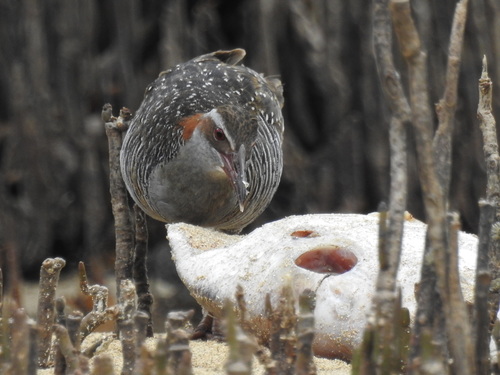
ナンヨウクイナ (Gallirallus philippensis) ナンヨウクイナ
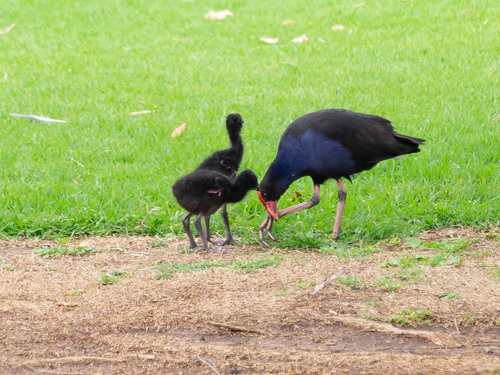
オーストラリアセイケイ (Porphyrio melanotus) オーストラリアセイケイ

メディア

読み込み中…

要点

ナンヨウクイナとオーストラリアセイケイを分ける最も信頼できる方法は、全体的な構造と羽毛によるものです:ナンヨウクイナは、茶色の上面、下部に大胆な黒と白の縞模様、白い眉、特徴的なバフ色の胸のバンドを持つコンパクトで中型のクイナですが、オーストラリアセイケイははるかに大きく、目を引く青紫の体、明るい赤いくちばしと前面のシールド、長い赤い脚を持っています。飛んでいるときや地上にいるとき、セイケイのサイズと鮮やかな色合いは、より隠れた地味な色合いのクイナと比べて明確です。幼鳥と成鳥のナンヨウクイナは、基本的な帯状の下部と栗色のうなじを示しますが、すべての年齢のセイケイにはこれらの模様がありません。セイケイはしばしば開けた湿地や牧草地で見られ、直立して歩きますが、ナンヨウクイナは密なカバーの中で隠れ、はるかに内気です。

識別のコツ

  1. Size and structure: セイケイははるかに大きく、がっしりしており、首と脚が長く、より直立した姿勢を持っています。ナンヨウクイナはコンパクトで、脚が短く、しゃがんだ姿勢です。サイズだけでも、距離があれば十分です。
  2. Bill and frontal shield: セイケイは厚く、明るい赤いくちばしと、くちばしの上に目立つ赤い前面のシールドを持っています。ナンヨウクイナは、より控えめで茶色がかったくちばしを持ち、シールドはありません。
  3. Leg color: セイケイの脚は長く、明るい赤で、歩いているときに非常に目立ちます。ナンヨウクイナの脚は鈍く、短いです。
  4. Plumage color: セイケイは全体が深い青から紫で、縞模様やバンドはありません。ナンヨウクイナは茶色の上面、白い眉、栗色のうなじ、バフ色の胸のバンド、黒と白の縞模様の下部を持っています。
  5. Facial pattern: ナンヨウクイナは、くちばしからうなじにかけての明確な白い眉と栗色のバンドを示します。セイケイの顔は平坦な青で、赤いシールドがあります。
  6. Breast band: ナンヨウクイナだけが胸にバフ色のバンドを持ち、セイケイの下部は無地の青です。
  7. Underpart barring: ナンヨウクイナは、すべての年齢で存在する側面と腹部に細かい黒と白の縞模様があります。セイケイは下部が無地です。
  8. Flight appearance: セイケイは飛ぶときに重く、遅く、脚が後ろに垂れ、青い翼を持っています。ナンヨウクイナは低く速く飛び、茶色の翼を持ち、脚が垂れません。セイケイのサイズと色は、飛んでいるときに明らかです。
  9. Behavior: セイケイは大胆で、しばしば群れで開けた場所で餌を食べており、人間に対してあまり恐れを示しません。ナンヨウクイナは孤独またはペアで、密なカバーの中で隠れています。
  10. Habitat: クイナは密で湿った植生に留まりますが、セイケイはしばしば開けた牧草地、湿地、さらには農地にいます。
  11. Tail: セイケイはしばしば尾を振り、白い尾羽の覆いを見せます(ナンヨウクイナには存在しません)。
  12. Juvenile confusion: 若いナンヨウクイナは、成鳥と同じ基本的な帯状と縞模様を示しますが、セイケイの幼鳥は鈍く、決して縞模様やバンドはありません。
  13. Voice: ここでは説明されていませんが、セイケイは一般的に群れでより大きく、より声が大きいです。ナンヨウクイナは静かで、より秘密主義です。
  14. Context: 開けた場所で、特に群れで、特に明るい青と赤の色を持つ鳥を見たら、それはセイケイです。もしそれが一羽で、カバーの中にいて、隠れた模様を持っているなら、それはおそらくナンヨウクイナです。
  15. Range overlap: 両種はオーストラリア、ニュージーランド、ニューギニアに生息しているため、文脈とフィールドマークが分離に不可欠です。

大きさ

ナンヨウクイナは中型のクイナで、成鳥の長さは25〜33 cm、体重は172〜185 gです [wikipedia][avonet]。対照的に、オーストラリアセイケイはかなり大きく、がっしりしており、はるかに頑丈な体、長い脚、重い体格を持っています(正確な測定値はここでは示されていませんが、フィールドで視覚的にかなり大きいです) [wikipedia]。セイケイの長い脚と首は、より直立した、ほぼ鶏のような姿勢を与えますが、クイナはよりコンパクトでしゃがんでいます。距離があっても、両種が一緒に見られるとサイズの差は明らかです。

羽色

幼鳥と成鳥のナンヨウクイナは、茶色の上面、白い眉、栗色のうなじ、胸に大胆なバフ色のバンド、細かい黒と白の縞模様の下部を示します [wikipedia]。これらの帯状と縞模様は、若い頃から存在し、成長しても持続します。対照的に、すべての年齢のオーストラリアセイケイは全体が深い青から紫で、縞模様やバンドはなく、明るい赤いくちばしと前面のシールド、強い赤い脚を持っています [wikipedia]。セイケイには顔のストライプや胸のバンドはありません。クイナの隠れた、縞模様のある羽毛は、セイケイの固体で光沢のある色合いと鋭く対照的です。飛んでいるとき、ナンヨウクイナは強いコントラストのない茶色の翼を示しますが、セイケイの翼も暗いですが、鳥のサイズ、色、垂れた脚は特徴的です。どちらの種にも年齢特有の上翼のマークは説明されていませんが、クイナの下部の縞模様と顔のパターンは常に存在し、セイケイは常に無地の青紫で赤いハイライトがあります。

行動

ナンヨウクイナは通常、内気で秘密主義であり、密な植生の中を素早く移動し、カバーから遠く離れることはほとんどありません。捕食者のいない島では人懐っこくなることがありますが、通常は近づくのが難しいです [wikipedia]。対照的に、オーストラリアセイケイは大胆で社交的であり、しばしば開けた場所を歩き、群れで餌を食べ、人間に対してあまり恐れを示しません。セイケイは長い歩幅で直立して歩き、時々尾を振って白い尾羽の覆いを見せます(ナンヨウクイナには存在しません)。セイケイはまた、ナンヨウクイナには見られない共同巣作りを含む複雑な社会的および繁殖行動に従事します。

生息環境

ナンヨウクイナは、湿ったまたは湿地の生息地で密で低い植生を好み、葦原、草の生えた湿地、または水の近くの厚いカバーなどに生息します [wikipedia]。捕食者がいない島を除いて、開けた場所で見られることはほとんどありません。オーストラリアセイケイは、一方で非常に適応力があり、湿地の生息地の広範囲を占有し、湿地や牧草地、道路脇、農地などに生息しています [wikipedia]。セイケイは水から離れた開けた草地で餌を食べていることが多いですが、ナンヨウクイナはカバーに留まり、はるかに目立たなくなります。

より良い説明を送る

比較と同じ項目を使ってください。文章はすぐに公開されます。

The most reliable way to separate Buff-banded Rail from Australasian Swamphen is by overall structure and plumage: Buff-banded Rail is a compact, medium-sized rail with brown upperparts, bold black-and-white barring below, a white eyebrow, and a distinctive buff breast band, while Australasian Swamphen is much larger, with a striking blue-purple body, bright red bill and frontal shield, and long red legs. In flight or on the ground, Swamphen's size and vivid coloration are unmistakable next to the more cryptic, earth-toned rail. Juvenile and adult Buff-banded Rails both show the same basic banded underparts and chestnut nape, while Swamphens of all ages lack these patterns. Swamphens are often seen in open wetlands or paddocks, walking upright, whereas Buff-banded Rails skulk in dense cover and are much shyer.

  1. Size and structure: Swamphen is much larger and bulkier, with a longer neck and legs, and a more upright stance. Buff-banded Rail is compact, with shorter legs and a crouched posture. Size alone is often enough at a distance.
  2. Bill and frontal shield: Swamphen has a thick, bright red bill and a prominent red frontal shield above the bill. Buff-banded Rail has a more modest, brownish bill with no shield.
  3. Leg color: Swamphen's legs are long and bright red, highly visible when walking. Buff-banded Rail's legs are duller and shorter.
  4. Plumage color: Swamphen is deep blue to purple all over with no barring, stripes, or bands. Buff-banded Rail has brown upperparts, a white eyebrow, chestnut nape, a buff breast band, and black-and-white barred underparts.
  5. Facial pattern: Buff-banded Rail shows a clear white eyebrow and chestnut band from bill around the nape. Swamphen's face is plain blue with a red shield.
  6. Breast band: Only Buff-banded Rail has a buff band across the breast; Swamphen's underparts are unmarked blue.
  7. Underpart barring: Buff-banded Rail has fine black-and-white barring on the flanks and belly, present in all ages. Swamphen is plain below.
  8. Flight appearance: Swamphen is heavy and slow in flight, with legs trailing and blue wings; Buff-banded Rail flies low and fast, with brown wings and no trailing legs. Swamphen's size and color are obvious in flight.
  9. Behavior: Swamphen is bold, often in groups, feeding in open areas. Buff-banded Rail is solitary or in pairs, skulking in dense cover.
  10. Habitat: Rails stick to dense, wet vegetation; Swamphens are often in open paddocks, marshes, and even farmland.
  11. Tail: Swamphen often flicks its tail, showing white undertail coverts (not present in Buff-banded Rail).
  12. Juvenile confusion: Young Buff-banded Rails still show the same basic banded and barred patterns as adults; Swamphen juveniles are duller but never barred or banded.
  13. Voice: Not described here, but Swamphen is generally louder and more vocal in groups; Buff-banded Rail is quieter and more secretive.
  14. Context: If you see a bird out in the open, especially in a group, and especially with bright blue and red colors, it's a Swamphen. If it's alone, in cover, and cryptically patterned, it's likely a Buff-banded Rail.
  15. Range overlap: Both species occur in Australia, New Zealand, and New Guinea, so context and field marks are essential for separation.

Buff-banded Rail is a medium-sized rail, measuring 25–33 cm in length and weighing 172–185 g for adults [wikipedia][avonet]. In contrast, Australasian Swamphen is significantly larger and bulkier, with a much more robust body, longer legs, and a heavier build (exact measurements not given here, but visually much larger in the field) [wikipedia]. The Swamphen's long legs and neck give it a more upright, almost gallinaceous stance, while the rail is more compact and crouched. Even at a distance, the size gap is obvious when both species are seen together.

Juvenile and adult Buff-banded Rails both show brown upperparts, a white eyebrow, chestnut nape, and a bold buff band across the breast, with finely barred black-and-white underparts [wikipedia]. These banded and barred patterns are present from a young age and persist into adulthood. In contrast, Australasian Swamphen of all ages is deep blue to purple overall, with no barring or banding, and features a bright red bill and frontal shield, plus strong red legs [wikipedia]. Swamphens lack any facial stripes or breast bands. The rail's cryptic, streaked and banded plumage contrasts sharply with the Swamphen's solid, glossy coloration. In flight, Buff-banded Rail shows brown wings with no strong contrast, while Swamphen's wings are also dark but the bird's size, color, and dangling legs are distinctive. No age-specific upperwing marks are described for either species, but the rail's underpart barring and facial pattern are always present, while Swamphen is always plain blue-purple with red highlights.

Buff-banded Rail is typically shy and secretive, moving quickly through dense vegetation and rarely venturing far from cover. It may become tame on predator-free islands but is usually difficult to approach [wikipedia]. In contrast, Australasian Swamphen is bold and social, often seen walking in the open, feeding in groups, and displaying little fear of humans. Swamphens walk upright with long strides, sometimes flicking their tails to show white undertail coverts (not present in Buff-banded Rail). Swamphens also engage in complex social and breeding behaviors, including communal nesting, which is not seen in Buff-banded Rail.

Buff-banded Rail prefers dense, low vegetation in moist or wetland habitats, such as reedbeds, grassy swamps, or thick cover near water [wikipedia]. It is rarely seen in the open except on islands where predators are absent. Australasian Swamphen, on the other hand, is highly adaptable and occupies a wide range of wetland habitats, from swamps and marshes to pastures, roadside verges, and farmland [wikipedia]. Swamphens are often seen well away from water, feeding in open grassy areas, while Buff-banded Rails stick to cover and are much less conspicuous.

変更を破棄しますか?

保存していない編集があります。今離れると失われます。

ナンヨウクイナ · オーストラリアセイケイ · 苦手な鳥