

Motmot

チャノドインコ 対 ソライロフウキンチョウ

Eupsittula pertinax 対 Thraupis episcopus

チャノドインコとソライロフウキンチョウのクイズ
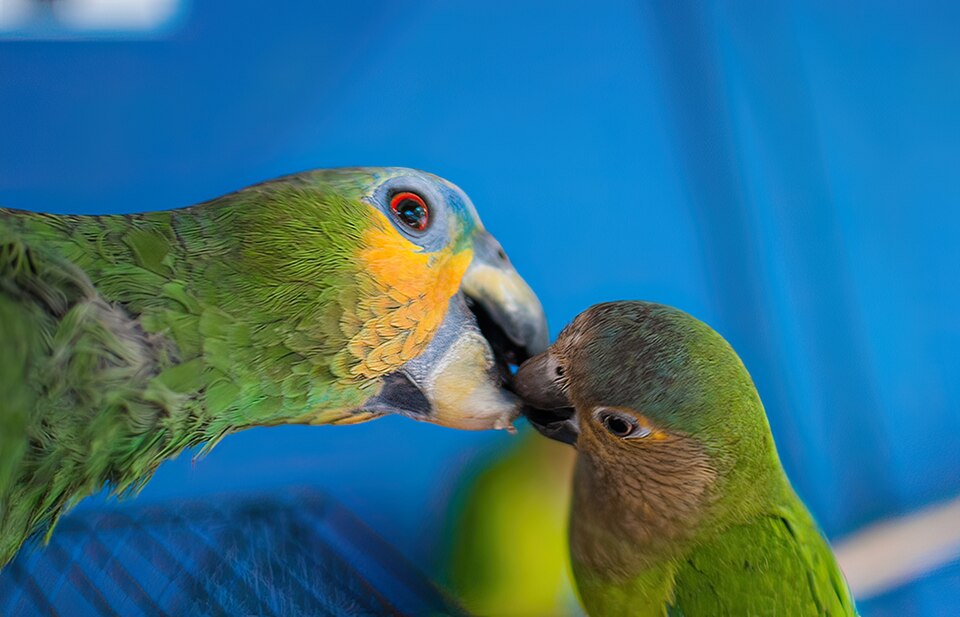
チャノドインコ (Eupsittula pertinax) チャノドインコ
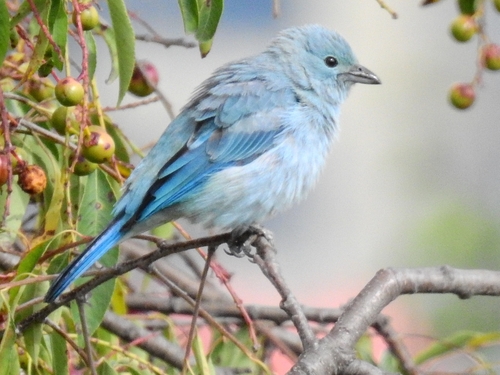
ソライロフウキンチョウ (Thraupis episcopus) ソライロフウキンチョウ

メディア

読み込み中…

要点

チャノドインコとソライロフウキンチョウの最も信頼できるフィールドマークは全体の色です:チャノドインコは主に緑色で、黄色い顔とオレンジ色の腹部の斑点がありますが、ソライロフウキンチョウは均一な淡い青灰色で、暗い青い翼と対照的な青い肩の斑点があります。未熟なチャノドインコはあまり黄色がありませんが、緑色のトーンとオウムのような構造を示しますが、ソライロフウキンチョウとは異なります。くちばしの形も強力な区別要因です:チャノドインコはオウムに典型的な長くてフック状のくちばしを持っていますが、ソライロフウキンチョウのくちばしは短くて太いです。飛んでいる時や止まっている時、チャノドインコの長い尾と青い縁のある翼は、ソライロフウキンチョウの短い尾とよりコンパクトで歌鳥のような形状と対照的です。声と行動は大きく異なりますが、色と構造は通常、自信を持って区別するのに十分です。

識別のコツ

  1. 全体の色: チャノドインコは主に緑色で、黄色い顔(成鳥)とオレンジ色の腹部の斑点がありますが、ソライロフウキンチョウは淡い青灰色で、暗い青い翼と青い肩の斑点があります。未熟なチャノドインコは鈍い色合いですが、依然として緑がかっています;ソライロフウキンチョウは常に青色調です。
  2. くちばしの形: チャノドインコはオウムに典型的な長くてフック状のくちばしを持っています;ソライロフウキンチョウのくちばしは短く、太く、円錐形で、決してフック状ではありません。これは遠くからでも見えます。
  3. 尾の長さと形: チャノドインコの尾は長く尖っており、翼を超えて伸びています;ソライロフウキンチョウの尾は短く、より四角いです。
  4. 翼と飛行パターン: 飛行中のチャノドインコは青い縁のある翼と尾を示し、長くて真っ直ぐな飛行プロファイルを持っています;ソライロフウキンチョウの飛行はより波打ち、コンパクトな翼を持ち、尾に青い縁はありません。
  5. 顔のパターン: 成鳥のチャノドインコは明るい黄色の顔と顎を持っています(未熟なものは少ない);ソライロフウキンチョウは均一な淡い青灰色の顔を持ち、黄色やオレンジはありません。
  6. 腹部の色: チャノドインコの腹部は草のような緑色で、オレンジ色の斑点があります(成鳥);ソライロフウキンチョウの腹部は淡い青灰色で、決して緑色やオレンジ色ではありません。
  7. 肩の斑点: ソライロフウキンチョウは対照的な青い肩の斑点を持っています(亜種によって色合いが異なる);チャノドインコの肩は緑色で、上面の他の部分と混ざっています。
  8. サイズと体格: チャノドインコはソライロフウキンチョウよりもはるかに重く、長い(84 g、23–28 cm)ですが、ソライロフウキンチョウは30–40 g、16–18 cmとずっと軽いです;これはフィールドで明らかです。
  9. 止まり方: チャノドインコは直立して止まり、しばしば群れで見られます;ソライロフウキンチョウはより水平に止まり、スリムに見えます。
  10. 声: チャノドインコは大きく、粗く、キーキーと鳴きます;ソライロフウキンチョウは柔らかく、音楽的で、さえずります。オウムのような鳴き声を聞いたら、それはソライロフウキンチョウではありません。
  11. 群れの行動: チャノドインコはしばしば騒がしい群れで見られます;ソライロフウキンチョウはペアや小さな静かなグループで見られます。
  12. 生息地の重複: 両方の種は開けた場所や都市部で見られることがありますので、生息地だけに頼らないでください。
  13. 未熟な混乱: 若いチャノドインコはあまり黄色がありませんが、緑がかっており、構造的にはオウムのようです;若いソライロフウキンチョウは鈍い青灰色で、決して緑や黄色の顔ではありません。
  14. 性差がない: 両種はオスとメスで似た羽毛を持っているため、性別は識別に役立ちません。
  15. 未熟なものに特徴的な翼のパネルや縁がない: 区別は全体の色と構造に依存し、年齢特有の翼のパターンには依存しません。

大きさ

チャノドインコはソライロフウキンチョウよりも明らかに大きく、体格がしっかりしています。チャノドインコは約84 gで、長さは23–28 cmですが、ソライロフウキンチョウは30–40 gとずっと軽く、16–18 cmと短いです。チャノドインコの長い尾と重い体格は直接比較で明らかで、オウムのようなプロポーション(長い尾、大きな頭、頑丈な体)は、ソライロフウキンチョウのより流線型で典型的な歌鳥の形状と対照的です。

羽色

行動

チャノドインコは非常に声が大きく、社交的で、しばしば騒がしい群れで見られ、強い、直接的な翼の打撃で飛び、長い尾を後ろに引きずります。彼らは直立して止まり、しばしば群れで見られ、果物や種子を食べているのが見られます。ソライロフウキンチョウも社交的ですが、騒がしさは少なく、ペアや小さなグループで移動し、しばしば葉の間で静かに採餌します。彼らの飛行はより波打ち、直接的ではなく、より水平に止まります。これはソライロフウキンチョウや他の歌鳥に典型的です。

生息環境

両種は開けた場所やエッジの生息地で見られることがありますが、文脈が役立つかもしれません:チャノドインコはコスタリカとパナマから南アメリカ北部および近くの島々にかけて見られ、しばしば開けた森林、サバンナ、耕作地に生息しています。ソライロフウキンチョウはメキシコから南アメリカ北部、アマゾン盆地を含む広い範囲を持ち、庭、公園、森林のエッジで一般的です。特に乱されたり都市部では重複が可能なので、生息地だけでは診断できません。

声

チャノドインコは大きくて粗く、高音のキーキー音と「スカート スカート」という音を出し、急速なおしゃべりや二音節の音を持っています。彼らの声は場所によって変わりますが、常にオウムのようです。ソライロフウキンチョウは「ツィー」と「ツープ」という呼び声を持つ柔らかく、きしむようなさえずりの歌を出し、チャノドインコの騒々しい声よりもはるかに優しく、音楽的です。声は通常、よく聞こえれば特徴的です。

より良い説明を送る

比較と同じ項目を使ってください。文章はすぐに公開されます。

The most reliable field mark between Brown-throated Parakeet and Blue-grey Tanager is overall color: the parakeet is mostly green with a yellow face and orange belly patch, while the tanager is a uniform pale blue-gray with darker blue wings and a contrasting blue shoulder patch. Immature parakeets lack much yellow, but still show green tones and parrot-like structure, unlike any tanager. Bill shape is also a strong separator: the parakeet has a long, hooked bill typical of parrots, while the tanager’s bill is short and thick. In flight or perched, the parakeet’s long tail and blue-edged wings contrast with the tanager’s shorter tail and more compact, songbird-like jizz. Voice and behavior differ strongly, but color and structure are usually enough for confident separation.

  1. Overall color: Brown-throated Parakeet is mostly green with a yellow face (adults) and orange belly patch, while Blue-grey Tanager is pale blue-gray with darker blue wings and a blue shoulder patch. Immature parakeets are duller but still greenish; tanagers are always blue-toned.
  2. Bill shape: Parakeet has a long, hooked bill typical of parrots; tanager’s bill is short, thick, and conical, never hooked. This is visible even at a distance.
  3. Tail length and shape: Parakeet’s tail is long and pointed, extending well past the wings; tanager’s tail is shorter and more squared-off.
  4. Wing and flight pattern: Parakeet in flight shows blue-edged wings and tail, with a long, straight flight profile; tanager’s flight is more undulating, with compact wings and no blue edges on the tail.
  5. Face pattern: Adult parakeets have a bright yellow face and chin (less in immatures); tanagers have a uniform pale blue-gray face with no yellow or orange.
  6. Belly color: Parakeet’s belly is grass green with an orange patch (adults); tanager’s belly is pale blue-gray, never green or orange.
  7. Shoulder patch: Blue-grey Tanager has a contrasting blue shoulder patch (shade varies by subspecies); parakeet’s shoulder is green, blending with the rest of the upperparts.
  8. Size and bulk: Parakeet is much heavier and longer (84 g, 23–28 cm) than tanager (30–40 g, 16–18 cm); this is often obvious in the field.
  9. Perching posture: Parakeet perches upright, often in groups; tanager perches more horizontally and appears slimmer.
  10. Vocalizations: Parakeet is loud, harsh, and screechy; tanager is soft, musical, and twittering. If you hear a parrot-like call, it’s not a tanager.
  11. Group behavior: Parakeets are often in noisy flocks; tanagers are in pairs or small, quieter groups.
  12. Habitat overlap: Both can occur in open or urban areas, so do not rely on habitat alone for ID.
  13. Immature confusion: Young parakeets lack much yellow but remain greenish and structurally parrot-like; young tanagers are dull blue-gray, never green or yellow-faced.
  14. No sexual dimorphism: Both species have similar plumage in males and females, so sex does not help with ID.
  15. No distinctive wing panels or edges in immatures: Separation relies on overall color and structure, not on age-specific wing patterns.

Brown-throated Parakeet is notably larger and bulkier than Blue-grey Tanager. The parakeet weighs about 84 g and measures 23–28 cm in length, while the tanager is much lighter at 30–40 g and shorter at 16–18 cm. The parakeet’s longer tail and heavier build are obvious in direct comparison, and its parrot-like proportions (long tail, big head, robust body) contrast with the tanager’s more streamlined, typical songbird shape.

  • Immature birds: Young Brown-throated Parakeets have very little yellow on the face, but still show mostly green upperparts and a duller version of the adult’s color pattern. Blue-grey Tanager immatures are duller than adults but remain blue-gray overall, never greenish or yellow-faced. No distinctive wing panel or edge pattern is described for either species at any age, so separation relies on overall color and structure.
  • Adults: Brown-throated Parakeet adults (nominate) have a yellow face and chin, green upperparts, dull olive breast, grass green belly with an orange patch, and blue-edged wings and tail. Blue-grey Tanager adults are pale bluish on the head and underparts, with darker blue upperparts and a blue shoulder patch (shade varies by subspecies). The tanager never shows yellow, orange, or green tones, and the parakeet never appears overall blue or blue-gray. Sexes are similar in both species.

Brown-throated Parakeets are highly vocal, social, and often seen in noisy flocks, flying with strong, direct wingbeats and long tails trailing behind. They perch upright, often in groups, and may be seen feeding on fruits or seeds. Blue-grey Tanagers are also social but less raucous, moving in pairs or small groups, often foraging quietly among foliage. Their flight is more undulating and less direct, and they perch more horizontally, typical of tanagers and other songbirds.

Both species can occur in open or edge habitats, but context may help: Brown-throated Parakeets are found from Costa Rica and Panama through northern South America and nearby islands, often in open woodlands, savannas, and cultivated areas. Blue-grey Tanagers have a wider range from Mexico to northern South America, including the Amazon Basin, and are common in gardens, parks, and forest edges. Overlap is possible, especially in disturbed or urban areas, so habitat alone is not diagnostic.

Brown-throated Parakeet is loud and harsh, with high-pitched screeches and grating 'scraart scraart' calls, plus rapid chattering and bisyllabic notes. Their calls are variable by location but always parrot-like. Blue-grey Tanager gives a soft, squeaky twittering song with 'tseee' and 'tsuup' call notes, much gentler and more musical than the parakeet’s raucous voice. Vocalizations are usually distinctive if heard well.

変更を破棄しますか?

保存していない編集があります。今離れると失われます。

チャノドインコ · ソライロフウキンチョウ · 苦手な鳥