

Motmot

クイナ 対 オオバン

Rallus indicus 対 Fulica atra

クイナとオオバンのクイズ
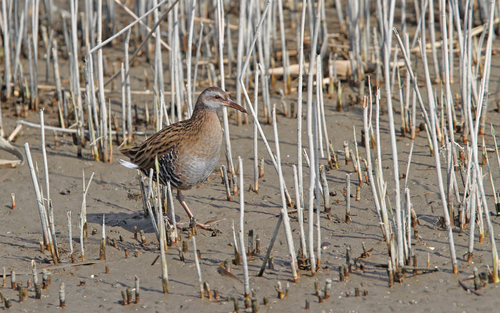
クイナ (Rallus indicus) クイナ
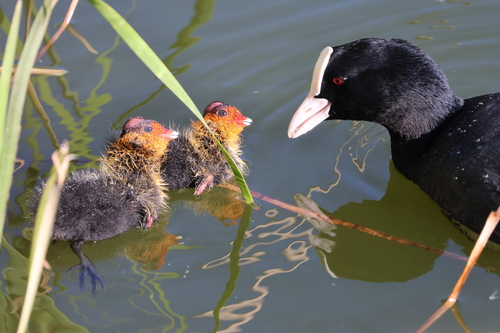
オオバン (Fulica atra) オオバン

メディア

読み込み中…

要点

クイナとオオバンを区別する最も信頼できるフィールドマークは、コートの大胆な白いくちばしと前面のシールドであり、これはそれ以外の黒い羽毛に対して際立っています—これはレールには決して見られない特徴です。クイナははるかに小さく、スリムで、より秘密主義的で、茶色がかった腹部と茶色のアイストライプを持っていますが、オオバンはずんぐりした暗い水鳥で、スレートブラックの体を持ち、茶色のトーンはありません。幼鳥のコートはより淡い色合いで、白っぽい胸を持ち、白いシールドが欠けていますが、構造と行動は依然として異なります。飛行中またはフラッシュされたとき、レールは弱い飛行を示し、秘密主義的に見えますが、コートは強く、直接的な飛行をします。未熟な個体や悪光の中での間違いがよく発生しますが、構造とくちばしの色が決定的です。

識別のコツ

  1. Bill and Frontal Shield: オオバンは常に明るい白いくちばしと目立つ白い前面シールドを示し、悪光の中でもそうです; クイナは鈍い茶色がかったくちばしを持ち、シールドはありません。これは年齢に関係なく最も決定的なマークです。
  2. Size and Structure: Cootははるかに大きく、ずんぐりしていて、頑丈で、太い首と丸い体を持っています。クイナはスリムで、鶏のサイズで、長い尾とより繊細な構造を持っています。
  3. Plumage Tone: クイナは茶色がかった腹部、茶色のアイストライプ、そしてより淡い(黒ではない)背中を持っています; コートは全体がスレートブラックで、茶色のトーンや顔のストライプはありません。
  4. Juvenile Confusion: 幼鳥のコートはより淡い色合いで、白っぽい胸を持ち、白いシールドが欠けていますが、スレートの体を持ち、レールの茶色のアイストライプや茶色がかった腹部は決して示しません。すべての年齢のレールは茶色の顔のストライプを保持しています。
  5. Flight Style: Cootは強く、直接的な飛行をし、水上を長距離飛ぶことがよくあります; レールは弱く、ひらひらした飛行をし、すぐにカバーに戻ります。
  6. Behavior: Cootはしばしばオープンで泳いでいるのが見られ、大きな群れで歩くこともあります; レールは秘密主義的で、カバーから遠く泳ぐことはめったになく、通常は単独またはペアでいます。
  7. Feet and Toes: Cootは長い、葉状の足指を持ち、部分的な水かきがあり、歩いたり泳いだりしているときに見えます; レールは長い足指を持っていますが、葉や水かきはありません。
  8. Habitat: Cootはオープンな水を好み、都市公園や湖で一般的です; レールは密な葦原、湿地、湿地の縁に留まり、オープンな水に出ることはめったにありません。
  9. Voice: クイナの鋭い「キュウ」と金属的な「シュリンク、シュリンク」という呼び声は、コートの爆発的で厳しい呼び声とは異なります。呼び声は聞こえた場合に役立ちます。
  10. Group Size: Cootはしばしば群れやフロックでいます; レールは孤独またはペアでいます。
  11. Tail: レールはより長く、尖った尾を持ち、時には上に flicked されます; コートは短く、丸い尾を持ち、めったに flicked されません。
  12. Swimming Posture: Cootは水の中で高く座り、自信を持って泳ぎます; レールは低く泳ぎ、しばしば体が部分的に水中に沈んでおり、長く泳ぐことはめったにありません。
  13. Seasonal Range: 東南アジアと日本では、クイナは冬の訪問者ですが、コートは同じ地域でしばしば居住者または冬の移動者です。地域の豊富さを考慮してください—コートは通常はるかに一般的です。
  14. Nest Location: 巣で見られた場合、コートは水の上に大きく開いた巣を作ります; レールは植物の中に深く巣を作り、めったに見えません。
  15. Pitfalls: 悪光や遠くからの視界はコートの白いシールドを隠すことがありますが、構造と行動は依然として独特です。シールドのない未熟なコートは混乱を引き起こすかもしれませんが、常にレールの茶色のトーンや顔のストライプは欠けています。

大きさ

オオバンはクイナよりも劇的に大きく、重いです。コートは36〜38 cmの長さで、約775 g(雌)から890 g(雄)[wikidata]の重さで、翼幅は70〜80 cmです。クイナは23〜29 cmの長さで、75〜190 gの重さで、はるかに小さいです[wikipedia]。このサイズの違いは直接比較で明らかです: コートはずんぐりした、アヒルサイズの鳥で、レールはスリムで鶏サイズです。

羽色

幼鳥と未熟な羽毛は混乱を引き起こす可能性が最も高いです。幼鳥のオオバンは成鳥よりも淡い色合いで、白っぽい胸を持ち、成鳥の白い顔のシールドが欠けています; 彼らの体は依然としてスレートで、決して茶色がかっていません。すべての年齢のクイナは西部のヨーロッパクイナよりも淡い上面を示し、目を通る茶色のストライプ、茶色がかった腹部、喉に白があります。成鳥のコートは均一なスレートブラックで、光沢のある黒い頭と明るい白いくちばしとシールドを持ち—決して茶色や顔のストライプはありません。飛行中、コートは広く、丸い翼と短い尾を示し、レールは狭い翼と長く、より尖った尾を持っています。レールの茶色のアイストライプと茶色がかった腹部はすべての年齢と季節に存在しますが、コートはこれらの特徴を決して示しません。

行動

クイナは秘密主義的で、密な湿地の植生の中に隠れ、オープンで見られることはめったにありません; 泳いでいるのが見られるよりも、フラッシュされる可能性が高いです。フラッシュされたとき、弱く飛び、すぐにカバーに戻ります。オオバンは大胆で、オープンな水で泳いでいるのがよく見られ、岸を歩いたり、都市公園でも見られます。コートは部分的な水かきがある強力な泳ぎ手で、群れで見られる可能性がはるかに高いです。レールは孤独またはペアであり、カバーから遠く泳ぐことはめったにありません。

生息環境

クイナは密な湿地、葦原、湿地の縁を好み、しばしば遠隔地や未開発の地域に生息しています。北モンゴル、東シベリア、北東中国、韓国、北日本で繁殖し、東南アジアで越冬します。オオバンはオープンな淡水湖、池、川で見られ、都市公園や庭でもよく見られ、ヨーロッパ、アジア、オーストラリア、北アフリカ全体に広がっています。コートはオープンな水で見られる可能性がはるかに高いですが、レールは密な植生に留まります。

声

クイナは鋭い、ピーピーという「キュウ」の求愛呼び声と、一連の金属的で不明瞭な「シュリンク、シュリンク」という音を持ち、これは西部のヨーロッパクイナの呼び声よりも長く、明瞭です。オオバンはここでは声について説明されていませんが、大きく爆発的な「コウコウ」と「クリク」という呼び声で知られています。レールの呼び声は独特で、コートからの反応を引き起こさず、逆もまた然りです。

より良い説明を送る

比較と同じ項目を使ってください。文章はすぐに公開されます。

The most reliable field mark to separate Brown-cheeked Rail from Eurasian Coot is the coot's bold white bill and frontal shield, which stands out against its otherwise black plumage—features never shown by the rail. Brown-cheeked Rail is much smaller, slimmer, and more secretive, with brown-tinged underparts and a brown eyestripe, while Eurasian Coot is a chunky, dark waterbird with a slaty-black body and no brown tones. Juvenile coots are paler with a whitish breast and lack the white shield, but still differ in structure and behavior. In flight or when flushed, the rail appears weak-flying and secretive, while coots are strong, direct fliers. Mistakes often occur with immatures or in poor light, but structure and bill color are decisive.

  1. Bill and Frontal Shield: Eurasian Coot always shows a bright white bill and prominent white frontal shield, even in poor light; Brown-cheeked Rail has a duller, brownish bill with no shield. This is the single most decisive mark at any age.
  2. Size and Structure: Coot is much larger, stockier, and more robust, with a thick neck and rounded body. Brown-cheeked Rail is slim, chicken-sized, with a longer tail and more delicate build.
  3. Plumage Tone: Brown-cheeked Rail has brown-tinged underparts, a brown eyestripe, and a paler (not black) back; coot is slaty-black all over with no brown tones or facial stripes.
  4. Juvenile Confusion: Juvenile coots are paler with a whitish breast and lack the white shield, but still have a slaty body and never show the brown eyestripe or brownish underparts of the rail. Rails of all ages retain the brown facial stripe.
  5. Flight Style: Coots are strong, direct fliers, often flying long distances over water; rails are weak, fluttery fliers, dropping quickly back into cover.
  6. Behavior: Coots are often seen swimming in the open, sometimes in large flocks, and walk boldly on banks; rails are secretive, rarely swim far from cover, and are usually alone or in pairs.
  7. Feet and Toes: Coots have long, lobed toes with partial webbing, visible when walking or swimming; rails have long toes but no lobes or webbing.
  8. Habitat: Coots prefer open water and are common in urban parks and lakes; rails stick to dense reedbeds, marshes, and wetland edges, rarely venturing into open water.
  9. Voice: Brown-cheeked Rail's sharp 'kyu' and metallic 'shrink, shrink' calls are unlike the explosive, harsh calls of coot. Calls are useful if heard.
  10. Group Size: Coots are often in groups or flocks; rails are solitary or in pairs.
  11. Tail: Rails have a longer, more pointed tail, sometimes flicked up; coots have a short, rounded tail, rarely flicked.
  12. Swimming Posture: Coots sit high in the water and swim confidently; rails swim low, often with body partly submerged, and rarely for long.
  13. Seasonal Range: In southeast Asia and Japan, Brown-cheeked Rail is a winter visitor, while coot is often resident or a winter migrant in the same areas. Consider local abundance—coot is usually much more common.
  14. Nest Location: If seen on a nest, coots build large, open nests on water; rails nest deep in vegetation, rarely visible.
  15. Pitfalls: Poor light or distant views can obscure the coot's white shield, but structure and behavior remain distinctive. Immature coots without a shield may cause confusion, but always lack the brown tones and facial stripe of the rail.

Eurasian Coot is dramatically larger and heavier than Brown-cheeked Rail. Coots measure 36–38 cm in length and weigh around 775 g (females) to 890 g (males) [wikidata], with a wingspan of 70–80 cm. Brown-cheeked Rail is much smaller at 23–29 cm in length and 75–190 g in weight [wikipedia]. This size difference is obvious in direct comparison: coots are stocky, duck-sized birds, while rails are slim and chicken-sized.

Juvenile and immature plumage is most likely to cause confusion. Juvenile Eurasian Coots are paler than adults, with a whitish breast and lacking the adult's white facial shield; their body is still slaty and never brown-tinged. Brown-cheeked Rail of all ages shows paler upperparts than western Water Rail, a brown stripe through the eye, brown-tinged underparts, and white on the throat. Adult coots are uniform slaty-black with a glossy black head and a bright white bill and shield—never any brown or facial stripes. In flight, coots show broad, rounded wings and a short tail, while rails have narrower wings and a longer, more pointed tail. The rail's brown eyestripe and brownish underparts are present at all ages and seasons, while coot never shows these features.

Brown-cheeked Rail is secretive, skulking in dense marsh vegetation and rarely seen in the open; it is more likely to be flushed than seen swimming. When flushed, it flies weakly and drops quickly back into cover. Eurasian Coot is bold and often seen swimming in open water, walking on banks, or even in urban parks. Coots are strong swimmers with partial webbing on their toes and are much more likely to be seen in groups. Rails are solitary or in pairs and rarely swim far from cover.

Brown-cheeked Rail prefers dense marshes, reedbeds, and wetland edges, often in remote or undisturbed areas. It breeds in northern Mongolia, eastern Siberia, northeast China, Korea, and northern Japan, wintering in southeast Asia. Eurasian Coot is found on open freshwater lakes, ponds, and rivers, often in urban parks and gardens, and is widespread across Europe, Asia, Australia, and North Africa. Coots are much more likely to be seen on open water, while rails stick to dense vegetation.

Brown-cheeked Rail has a sharp, piping 'kyu' courtship call and a series of metallic, slurred 'shrink, shrink' notes, which are longer and clearer than the calls of western Water Rail. Eurasian Coot is not described here for voice, but is known for loud, explosive 'kow-kow' and 'krik' calls. The rail's calls are distinctive and do not elicit response from coots or vice versa.

変更を破棄しますか?

保存していない編集があります。今離れると失われます。

クイナ · オオバン · 苦手な鳥