

Brown-cheeked Rail vs Folaga
Rallus indicus contro Fulica atra
Fai un quiz con Brown-cheeked Rail e Folaga
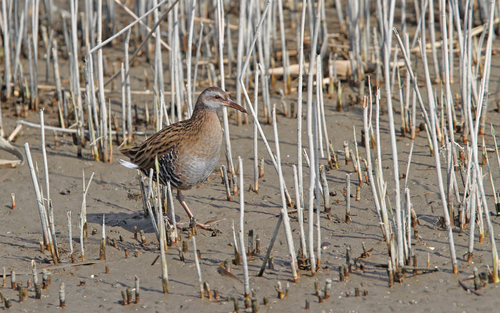 Brown-cheeked Rail
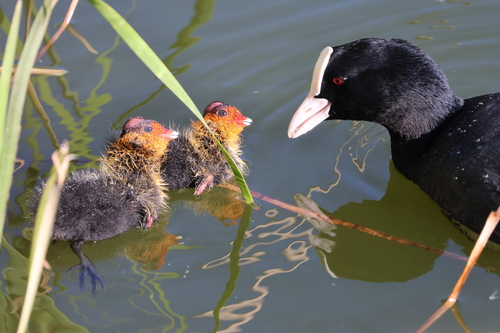 Folaga
In breve
Il segno di campo più affidabile per separare il Porciglione dalla Folaga è il becco bianco audace e lo scudo frontale della folaga, che spiccano contro il suo piumaggio altrimenti nero—caratteristiche mai mostrate dal porciglione. Il Porciglione è molto più piccolo, più snello e più riservato, con parti inferiori tendenti al marrone e una striscia oculare marrone, mentre la Folaga è un uccello acquatico massiccio e scuro con un corpo nero ardesia e senza toni marroni. Le folaghe juvenile sono più chiare con un petto biancastro e mancano dello scudo bianco, ma differiscono ancora nella struttura e nel comportamento. In volo o quando disturbato, il porciglione appare debole nel volo e riservato, mentre le folaghe sono volatori forti e diretti. Gli errori si verificano spesso con gli immaturi o in condizioni di scarsa illuminazione, ma la struttura e il colore del becco sono decisivi.
Consigli di identificazione
- Becco e Scudo Frontale: La Folaga mostra sempre un becco bianco brillante e uno scudo frontale bianco prominente, anche in condizioni di scarsa illuminazione; il Porciglione ha un becco più opaco, marrone, senza scudo. Questo è il segno più decisivo a qualsiasi età.
- Dimensione e Struttura: La folaga è molto più grande, robusta e massiccia, con un collo spesso e un corpo arrotondato. Il Porciglione è snello, delle dimensioni di un pollo, con una coda più lunga e una struttura più delicata.
- Tono del Piumaggio: Il Porciglione ha parti inferiori tendenti al marrone, una striscia oculare marrone e un dorso più chiaro (non nero); la folaga è nera ardesia ovunque senza toni marroni o strisce facciali.
- Confusione Juvenile: Le folaghe juvenile sono più chiare con un petto biancastro e mancano dello scudo bianco, ma hanno ancora un corpo ardesia e non mostrano mai la striscia oculare marrone o le parti inferiori marroni del porciglione. I porciglioni di tutte le età mantengono la striscia facciale marrone.
- Stile di Volo: Le folaghe sono volatori forti e diretti, spesso volando per lunghe distanze sopra l'acqua; i porciglioni sono volatori deboli e fluttuanti, che tornano rapidamente a coprirsi.
- Comportamento: Le folaghe sono spesso viste nuotare in aperto, talvolta in grandi stormi, e camminano audacemente sulle rive; i porciglioni sono riservati, nuotano raramente lontano dalla copertura e di solito sono soli o in coppie.
- Piedi e Dita: Le folaghe hanno dita lunghe e lobate con parziale membrana, visibili quando camminano o nuotano; i porciglioni hanno dita lunghe ma senza lobi o membrana.
- Habitat: Le folaghe preferiscono acque aperte e sono comuni nei parchi urbani e nei laghi; i porciglioni si attaccano a canneti densi, paludi e margini di zone umide, avventurandosi raramente in acque aperte.
- Voce: Il richiamo acuto 'kyu' e i metallici 'shrink, shrink' del Porciglione sono diversi dai richiami esplosivi e aspri della folaga. I richiami sono utili se uditi.
- Dimensione del Gruppo: Le folaghe sono spesso in gruppi o stormi; i porciglioni sono solitari o in coppie.
- Coda: I porciglioni hanno una coda più lunga e appuntita, a volte sollevata; le folaghe hanno una coda corta e arrotondata, raramente sollevata.
- Postura di Nuoto: Le folaghe si siedono alte nell'acqua e nuotano con sicurezza; i porciglioni nuotano bassi, spesso con il corpo parzialmente sommerso, e raramente per lungo tempo.
- Gamma Stagionale: Nel sud-est asiatico e in Giappone, il Porciglione è un visitatore invernale, mentre la folaga è spesso residente o un migrante invernale nelle stesse aree. Considera l'abbondanza locale—la folaga è solitamente molto più comune.
- Posizione del Nido: Se vista su un nido, le folaghe costruiscono nidi grandi e aperti sull'acqua; i porciglioni nidificano in profondità nella vegetazione, raramente visibili.
- Insidie: La scarsa illuminazione o le viste distanti possono oscurare lo scudo bianco della folaga, ma la struttura e il comportamento rimangono distintivi. Le folaghe immature senza scudo possono causare confusione, ma mancano sempre dei toni marroni e della striscia facciale del porciglione.
Taglia
La Folaga è drammaticamente più grande e pesante del Porciglione. Le folaghe misurano 36–38 cm di lunghezza e pesano circa 775 g (femmine) a 890 g (maschi) [wikidata], con un'apertura alare di 70–80 cm. Il Porciglione è molto più piccolo, con una lunghezza di 23–29 cm e un peso di 75–190 g [wikipedia]. Questa differenza di dimensione è ovvia in un confronto diretto: le folaghe sono uccelli massicci, delle dimensioni di un'anatra, mentre i porciglioni sono snelli e delle dimensioni di un pollo.
Piumaggio
Il piumaggio juvenile e immaturo è più probabile che causi confusione. Le folaghe juvenile sono più chiare degli adulti, con un petto biancastro e mancando dello scudo facciale bianco dell'adulto; il loro corpo è ancora ardesia e mai tendente al marrone. Il Porciglione di tutte le età mostra parti superiori più chiare rispetto al Porciglione occidentale, una striscia marrone attraverso l'occhio, parti inferiori tendenti al marrone e bianco sulla gola. Le folaghe adulte sono uniformemente nere ardesia con una testa nera lucida e un becco e scudo bianchi brillanti—mai toni marroni o strisce facciali. In volo, le folaghe mostrano ali larghe e arrotondate e una coda corta, mentre i porciglioni hanno ali più strette e una coda più lunga e appuntita. La striscia oculare marrone e le parti inferiori marroni del porciglione sono presenti a tutte le età e stagioni, mentre la folaga non mostra mai queste caratteristiche.
Comportamento
Il Porciglione è riservato, si nasconde nella densa vegetazione palustre e raramente viene visto in aperto; è più probabile che venga disturbato piuttosto che visto nuotare. Quando disturbato, vola debolmente e torna rapidamente a coprirsi. La Folaga è audace e spesso vista nuotare in acque aperte, camminare sulle rive o anche nei parchi urbani. Le folaghe sono nuotatori forti con parziale membrana sulle dita e sono molto più propense a essere viste in gruppi. I porciglioni sono solitari o in coppie e nuotano raramente lontano dalla copertura.
Habitat
Il Porciglione preferisce paludi dense, canneti e margini di zone umide, spesso in aree remote o non disturbate. Si riproduce nel nord della Mongolia, nella Siberia orientale, nel nord-est della Cina, in Corea e nel nord del Giappone, svernando nel sud-est asiatico. La Folaga si trova su laghi d'acqua dolce aperti, stagni e fiumi, spesso in parchi e giardini urbani, ed è diffusa in tutta Europa, Asia, Australia e Nord Africa. Le folaghe sono molto più propense a essere viste in acque aperte, mentre i porciglioni si attaccano a vegetazione densa.
Voce
Il Porciglione ha un richiamo di corteggiamento acuto e squillante 'kyu' e una serie di note metalliche e slavate 'shrink, shrink', che sono più lunghe e più chiare rispetto ai richiami del Porciglione occidentale. La Folaga non è descritta qui per la voce, ma è nota per i suoi richiami forti ed esplosivi 'kow-kow' e 'krik'. I richiami del porciglione sono distintivi e non suscitano risposta dalle folaghe e viceversa.