

Motmot

アカハシハチドリ 対 スミレハチドリ

Cynanthus latirostris 対 Ramosomyia violiceps

アカハシハチドリとスミレハチドリのクイズ
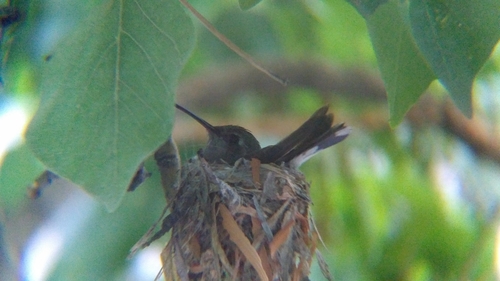
アカハシハチドリ (Cynanthus latirostris) アカハシハチドリ
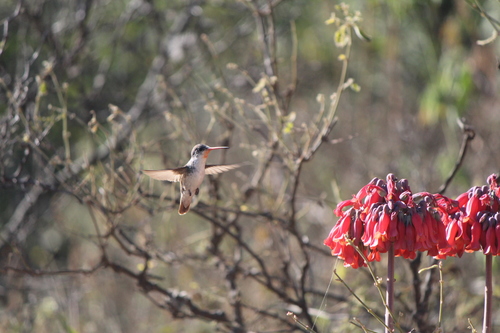
スミレハチドリ (Ramosomyia violiceps) スミレハチドリ

メディア

読み込み中…

要点

アカハシハチドリとスミレハチドリを区別する最も信頼できるフィールドマークは頭部と喉です:アカハシハチドリのオスは金属的な青い喉と緑の冠を示し、スミレハチドリの両性は目を引く紫青(またはターコイズ)の冠と純白の喉と腹部を持っています。両種は黒い先端を持つ赤いくちばしを持っていますが、アカハシハチドリのものは短くて明るいです。飛んでいるときや止まっているとき、アカハシハチドリのオスは暗い広い尾と緑の腹部を示し、スミレハチドリは常に白い腹部と銅色または緑青色の尾を示します。幼鳥のアカハシハチドリは成鳥の雌に似ていますが、白い先端の尾と青いゴルゲットが欠けており、スミレハチドリの幼鳥は明確に記述されていません。サイズと構造は重なりますが、スミレハチドリはわずかに大きくて重いです。

識別のコツ

  1. Head and Throat Color (Adult Males): アカハシハチドリのオスは金属的な青い喉(ゴルゲット)と緑の冠を持ち、スミレハチドリの両性は鮮やかな紫青またはターコイズの冠と純白の喉と腹部を持っています。これは良い光の中での唯一の最良のマークです。
  2. Underparts: スミレハチドリは常に喉から尾の下まで純白の腹部を示し、側面にはわずかにオリーブ色の洗いがかかっています;アカハシハチドリは下が緑(オス)または上が緑で下が淡い(雌)で、決して純白ではありません。
  3. Crown Color: スミレハチドリは明るい紫青またはターコイズの冠(両性)を持ち、良い光の中で明らかで、アカハシハチドリの緑の冠と対照的です。
  4. Tail Pattern: アカハシハチドリのオスは広い黒っぽい青い尾を持ち、雌は白い先端の尾羽を持っています。スミレハチドリは銅色の青銅または緑青色の尾を持ち、決して黒っぽい青ではなく、白い先端はありません。
  5. Bill: 両者は黒い先端を持つ赤いくちばしを持っていますが、アカハシハチドリのものは短くて明るい赤で、特にオスではそうです。スミレハチドリのくちばしは長く見えることがあり、赤があまり強くありません。
  6. Eyestripe: アカハシハチドリの雌と幼鳥は目の後ろに白いアイストライプを示します;スミレハチドリには目立つアイストライプはありません。
  7. Juvenile/Immature Marks: 幼鳥のアカハシハチドリは成鳥の雌に似ていますが、白い先端の尾と青いゴルゲットが欠けています;スミレハチドリの幼鳥は明確に記述されていませんが、白い腹部と色付きの冠を示すべきです。
  8. Sexual Dimorphism: アカハシハチドリは強く二形性で、オスと雌はかなり異なります。スミレハチドリはわずかに二形性で、両性は非常に似ており、雌はただ鈍いです。
  9. Back Color: アカハシハチドリは上が金属的な緑です;スミレハチドリは上が鈍い灰褐色から緑褐色で、金属的な光沢がありません。
  10. Size: スミレハチドリはわずかに大きくて重いですが、これは微妙で、フィールドでは常に信頼できるわけではありません。
  11. Tail Shape: アカハシハチドリの尾は広くて四角いです;スミレハチドリの尾はよりテーパー状で青銅色です。
  12. Perched Posture: 両者は似たように止まりますが、スミレハチドリの白い腹部と色付きの冠は、座っているときでもしばしば明らかです。
  13. Flight View: 飛んでいるとき、白い腹部(スミレハチドリ)と緑または淡い腹部(アカハシハチドリ)のフラッシュを探してください。尾の色と形も見えるかもしれません。
  14. Habitat: 両者は似たような生息地を使用します;分離のために位置や文脈だけに依存しないでください。
  15. Pitfalls: 幼いアカハシハチドリは明らかなオスの特徴が欠けていることがあり、雌のスミレハチドリと混同されることがありますが、後者は常に色付きの冠と純白の腹部を示します。

大きさ

スミレハチドリはわずかに大きくて重いです:長さ10〜11.5 cm、重さ5.1〜5.8 gで、アカハシハチドリの8〜10 cmと3〜4 gと比較されます。両者は似たような翼幅(アカハシハチドリで約13 cm)を持っていますが、スミレハチドリは全体的に少しずんぐりしていて長く見えます。フィールドでは、この違いは微妙で、迅速な分離には常に信頼できるわけではありません。

羽色

行動

両種は活発で、日中に活動するハチドリです。アカハシハチドリは特に日中に活発であると記述されていますが、提供された情報源にはこれらの二種間に診断的な行動の違いは記載されていません。両者は似たような種類の花で餌を食べたり、開けた生息地でホバリングしたり止まったりするのが見られます。

生息環境

両種はメキシコとアメリカ南西部に生息し、しばしば峡谷、河川林、庭などの似たような生息地に見られます。彼らの重なり合う範囲内ではフィールドでの強い生息地の分離はなく、生息地だけでは信頼できる分離要因ではありません。

より良い説明を送る

比較と同じ項目を使ってください。文章はすぐに公開されます。

The most reliable field mark to separate Broad-billed Hummingbird from Violet-crowned Hummingbird is the head and throat: Broad-billed males show a metallic blue throat and green crown, while Violet-crowned of both sexes have a striking violet-blue (or turquoise) crown and a pure white throat and underparts. Both species have a red bill with a black tip, but the Broad-billed's is shorter and brighter. In flight or perched, Broad-billed males show a dark, broad tail and green underparts, while Violet-crowned always shows a white belly and a coppery or green-bronze tail. Juvenile Broad-billeds resemble adult females but lack the white-tipped tail and blue gorget, while Violet-crowned juveniles are not described as distinct. Size and structure overlap but Violet-crowned is slightly larger and heavier.

  1. Head and Throat Color (Adult Males): Broad-billed males have a metallic blue throat (gorget) and green crown; Violet-crowned of both sexes have a vivid violet-blue or turquoise crown and a pure white throat and underparts. This is the single best mark in good light.
  2. Underparts: Violet-crowned always shows pure white underparts from throat to undertail, with only a faint olive wash on the flanks; Broad-billed is green below (male) or pale with green above (female), never pure white.
  3. Crown Color: Violet-crowned has a bright violet-blue or turquoise crown (both sexes), which is obvious in good light and contrasts with the green crown of Broad-billed.
  4. Tail Pattern: Broad-billed males have a broad, blackish-blue tail; females have white-tipped tail feathers. Violet-crowned has a coppery bronze or green-bronze tail, never blackish-blue, and no white tips.
  5. Bill: Both have a red bill with a black tip, but Broad-billed's is shorter and brighter red, especially in males. Violet-crowned's bill can appear longer and less intensely red.
  6. Eyestripe: Broad-billed females and juveniles show a white eyestripe behind the eye; Violet-crowned does not have a prominent eyestripe.
  7. Juvenile/Immature Marks: Juvenile Broad-billeds resemble adult females but lack white-tipped tail and blue gorget; Violet-crowned juveniles are not described as distinct but should show the white underparts and colored crown.
  8. Sexual Dimorphism: Broad-billed is strongly dimorphic—males and females look quite different. Violet-crowned is only slightly dimorphic; both sexes look very similar, with females just duller.
  9. Back Color: Broad-billed is metallic green above; Violet-crowned is dull grayish-brown to greenish-brown above, lacking the metallic sheen.
  10. Size: Violet-crowned is slightly larger and heavier, but this is subtle and not always reliable in the field.
  11. Tail Shape: Broad-billed's tail is broader and more squared; Violet-crowned's tail is more tapered and bronze-colored.
  12. Perched Posture: Both perch similarly, but Violet-crowned's white underparts and colored crown are often obvious even when sitting.
  13. Flight View: In flight, look for the flash of white underparts (Violet-crowned) vs. green or pale underparts (Broad-billed). Tail color and shape may also be visible.
  14. Habitat: Both use similar habitats; do not rely on location or context alone for separation.
  15. Pitfalls: Immature Broad-billeds can lack obvious male features and may be confused with female Violet-crowned, but the latter will always show a colored crown and pure white underparts.

Violet-crowned Hummingbird is slightly larger and heavier: 10–11.5 cm in length and 5.1–5.8 g in weight, compared to Broad-billed Hummingbird's 8–10 cm and 3–4 g. Both have similar wingspans (around 13 cm for Broad-billed), but Violet-crowned appears a bit bulkier and longer overall. In the field, this difference is subtle and not always reliable for quick separation.

  • Juveniles/Immatures: Juvenile Broad-billed Hummingbirds resemble adult females (green above, pale below, white eyestripe), but juvenile males lack the adult male's blue gorget and do not have the white-tipped tail of adult females. Juvenile Violet-crowned Hummingbirds are not distinctly described but likely resemble adults, as both sexes are similar.
  • Adult Males: Broad-billed males have a metallic green body, blue gorget, and blackish-blue broad tail. Violet-crowned males have a vivid violet-blue or turquoise crown, dull grayish to greenish-brown back, coppery or green-bronze tail, and pure white underparts from throat to undertail.
  • Adult Females: Broad-billed females are metallic green above, pale below, with a white eyestripe and white-tipped tail feathers. Violet-crowned females are nearly identical to males but duller, still showing the violet/turquoise crown and pure white underparts.
  • Bill: Both species have a red bill with a black tip, but Broad-billed's is shorter and brighter red, especially in males.

Both species are active, diurnal hummingbirds. Broad-billed Hummingbirds are described as especially active during the day, but there is no diagnostic behavioral difference noted between these two species in the sources provided. Both may be seen feeding at similar types of flowers and hovering or perching in open habitats.

Both species occur in Mexico and the southwestern United States, often in similar habitats such as canyons, riparian woodlands, and gardens. There is no strong habitat separation in the field within their overlapping range, so habitat alone is not a reliable separator.

変更を破棄しますか?

保存していない編集があります。今離れると失われます。

アカハシハチドリ · スミレハチドリ · 苦手な鳥