

Motmot

アカハシハチドリ 対 Tres Marias Hummingbird

Cynanthus latirostris 対 Cynanthus lawrencei

アカハシハチドリとTres Marias Hummingbirdのクイズ
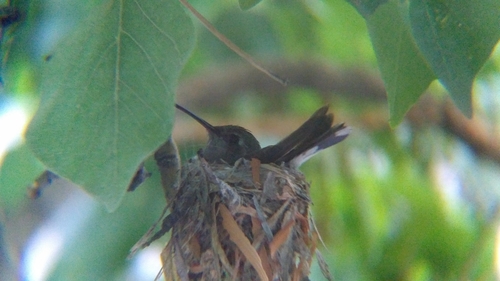
アカハシハチドリ (Cynanthus latirostris) アカハシハチドリ
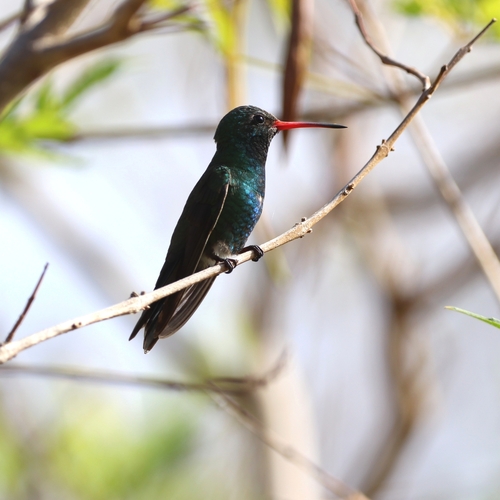
Tres Marias Hummingbird (Cynanthus lawrencei) Tres Marias Hummingbird

メディア

読み込み中…

要点

アカハシハチドリとTres Marias Hummingbirdの最も信頼できるフィールドマークは、雌と幼鳥の下部の色合いと尾のパターンです:アカハシハチドリの雌と若い個体は淡い腹部と明確な白いアイストライプを示しますが、Tres Mariasの雌は灰色の下部を持ち、強いアイストライプがありません。両種は黒い先端を持つ広い赤いくちばしを持っていますが、アカハシハチドリの雄は明るく短い赤いくちばしと青いゴルゲットを持ち、Tres Mariasの雄はトルコ石色からエメラルドグリーンの喉と緑青色の胸を示します。幼鳥のアカハシハチドリは成鳥の雌に似ていますが、成鳥の雌に見られる白い尾の先端がありません。一方、Tres Mariasの雌と幼鳥は最も外側の尾羽のみに白い先端を持っています。両種はサイズと構造が似ていますが、分布域は重なりません:Tres Mariasはイサラス・マリアスに特有であり、アカハシハチドリはメキシコ本土と南西部のアメリカで見られます。鳴き声はフィールドで信頼できる区別ができません。

識別のコツ

  1. Female/immature underparts: アカハシハチドリの雌と若い個体は淡い腹部と目の後ろに強い白いアイストライプを示しますが、Tres Mariasの雌は灰色の下部を持ち、明確なアイストライプがありません。これは非雄において最も有用なマークです。
  2. Tail pattern (female/immature): アカハシハチドリの雌はすべての尾羽に白い先端を持っていますが、Tres Mariasの雌は最も外側の2対の尾羽にのみ白い先端を持っています。幼鳥のアカハシハチドリの雄は白い尾の先端がなく、他は成鳥の雌に似ています。
  3. Bill color and shape (adult males): アカハシハチドリの雄は黒い先端を持つ短く明るい赤いくちばしを持っていますが、Tres Mariasの雄は黒い先端を持つ広い赤いくちばしを持っていますが、アカハシハチドリほど明るく短くはありません。
  4. Throat color (adult males): アカハシハチドリの雄は青いゴルゲットを持っていますが、Tres Mariasの雄はトルコ石色からエメラルドグリーンの喉を持っています。良い光の下では、これは強い区別要因となることがあります。
  5. Breast and belly (adult males): アカハシハチドリの雄は全体が金属的な緑色で、白い尾の下の覆羽を持っていますが、Tres Mariasの雄は緑青色の胸と暗緑色の腹部を持ち、暗い尾の下の覆羽を持っています。
  6. Tail color (adult males): 両種は光沢のある青黒い尾を持っていますが、アカハシハチドリの尾は黒っぽい青で広いと説明され、Tres Mariasの尾は光沢のある青黒いです。これは微妙で、フィールドで常に信頼できるわけではありません。
  7. Upperparts (both sexes): 両性のTres Mariasは金属的な青銅色の上部を持ち、頭頂と額は鈍いですが、アカハシハチドリは上部が金属的な緑色で、頭頂/額も鈍いです。これは直接比較なしでは強い区別要因ではありません。
  8. Juvenile progression: 幼鳥のアカハシハチドリの雄は年齢とともに赤いくちばしと虹色の喉の羽を発達させますが、最初は雌に似ています。Tres Mariasの幼鳥の羽衣は別に記述されていませんが、成鳥の雌に似ている可能性があります。
  9. Eyestripe (females/immatures): アカハシハチドリの雌/幼鳥は明確な白いアイストライプを持っていますが、Tres Mariasはこの特徴がありません。
  10. Range: Tres Mariasはイサラス・マリアスにのみ見られ、アカハシハチドリはメキシコ本土とアメリカ南西部に広く分布しています。島にいない場合、ほぼ確実にアカハシハチドリを見ていることになります。
  11. Habitat: アカハシハチドリは峡谷、河川域、砂漠の端を好みますが、Tres Mariasは島の生息地に制限されています。
  12. Vocalization: 声による区別には頼らないでください;フィールドで信頼できる違いはありません。
  13. Behavior: 両種は典型的なハチドリのように振る舞い、ジズや採餌スタイルで区別できません。
  14. Size: 両種はサイズと構造が似ており、サイズを使って区別しないでください。
  15. Pitfalls: 幼鳥のアカハシハチドリの雄は白い尾の先端がない場合があり、Tres Mariasの雌/幼鳥と混同される可能性があります;これらの鳥に対しては下部の色とアイストライプに焦点を当ててください。

大きさ

両種はサイズが非常に似ており、アカハシハチドリは約8〜10 cmの長さと約13 cmの翼開長を持っています。Tres Marias Hummingbirdはアカハシハチドリとサイズが異なるとは記述されておらず、利用可能な情報源には区別できるサイズや質量の違いは記載されていません。手に取ったり近距離で見ると、両者は広い尾と比較的長くまっすぐなくちばしを持つ小さくコンパクトなハチドリのように見えます。

羽色

幼鳥と雌のアカハシハチドリは淡い腹部と明確な白いアイストライプを持ち、成鳥の雌はすべての尾羽に白い先端を持っています。幼鳥の雄は雌に似ていますが、白い尾の先端がなく、徐々に赤いくちばしと虹色の喉の羽を発達させます。Tres Marias Hummingbirdの雌と幼鳥は鈍い青銅色の上部、灰色の下部を持ち、最も外側の2対の尾羽にのみ白い先端を持っています。彼らは強いアイストライプを欠いています。成鳥の雄のアカハシハチドリは金属的な緑色で青いゴルゲットと白い尾の下の覆羽を持ち、Tres Mariasの雄はトルコ石色からエメラルドグリーンの喉、緑青色の胸、光沢のある青黒い尾を持っています。両種は黒い先端を持つ広い赤いくちばしを持っていますが、アカハシハチドリの雄は短く明るい赤いくちばしを持っています。飛行中、上翼のパターンはどちらの種にとっても診断的とは記述されていません。

行動

行動的には、両種は典型的なハチドリであり、非常に活発で、蜜や小さな節足動物を食べ、急速でダートするような飛行を示します。フィールドでの区別を助ける行動の違いは情報源には記載されていません。両者は頻繁に止まり、採餌領域を守ることがあります。巣作りの行動は似ており、巣は地面に低く置かれます。

生息環境

生息地は強い区別要因です:アカハシハチドリはメキシコ本土とアメリカ南西部で見られ、しばしば峡谷、河川域、砂漠の端に生息します。Tres Marias Hummingbirdはメキシコ西海岸のイサラス・マリアスに特有であり、本土には生息しません。イサラス・マリアスでバードウォッチングをしている場合、期待されるのはTres Mariasのみです;それ以外の場所では、アカハシハチドリのみです。

声

鳴き声はフィールドで信頼できる区別ができません。Tres Marias Hummingbirdの声はアカハシハチドリとは異なるとは記述されていません。アカハシハチドリの歌は短いチップで始まり、2から13 kHzの範囲の類似した音符のシリーズが続き、これは雄のみが歌います。区別には視覚的なマークを使用してください。

より良い説明を送る

比較と同じ項目を使ってください。文章はすぐに公開されます。

The most reliable field mark between Broad-billed and Tres Marias Hummingbird is the underpart coloration and tail pattern in females and immatures: Broad-billed females and young show a pale belly and a distinct white eyestripe, while Tres Marias females have gray underparts and lack a strong eyestripe. Both species have a broad reddish bill with a black tip, but Broad-billed males have a brighter, shorter red bill and a blue gorget, whereas Tres Marias males show a turquoise to emerald green throat and a greeny-bronze breast. Juvenile Broad-billeds resemble adult females but lack the white tail tips seen in adult females, while Tres Marias females and immatures have white tips only on the outermost tail feathers. Both species are similar in size and structure, but their ranges do not overlap: Tres Marias is endemic to the Islas Marías, while Broad-billed is found in mainland Mexico and the southwestern US. Vocalizations are not reliably separable in the field.

  1. Female/immature underparts: Broad-billed females and young show a pale belly and a strong white eyestripe behind the eye, while Tres Marias females have gray underparts and lack a pronounced eyestripe. This is the most useful mark in non-males.
  2. Tail pattern (female/immature): Broad-billed females have white tips on all tail feathers; Tres Marias females have white tips only on the outermost two pairs of tail feathers. Juvenile Broad-billed males lack white tail tips, resembling adult females otherwise.
  3. Bill color and shape (adult males): Broad-billed males have a shorter, brighter red bill with a black tip; Tres Marias males have a broad reddish bill with a black tip, but it is not as bright or short as in Broad-billed.
  4. Throat color (adult males): Broad-billed males have a blue gorget; Tres Marias males have a turquoise-green to emerald green throat. In good light, this can be a strong separator.
  5. Breast and belly (adult males): Broad-billed males are metallic green overall with white undertail coverts; Tres Marias males have a greeny-bronze breast and a dark green belly, with dark undertail coverts.
  6. Tail color (adult males): Both have a glossy blue-black tail, but Broad-billed's is described as blackish-blue and broad, while Tres Marias' is glossy blue-black. This is subtle and not always reliable in the field.
  7. Upperparts (both sexes): Tres Marias of both sexes have metallic bronze-green upperparts, duller on the crown and forehead; Broad-billed is metallic green above, with duller crown/forehead as well. This is not a strong separator without direct comparison.
  8. Juvenile progression: Juvenile Broad-billed males develop a redder bill and iridescent throat feathers with age, but initially resemble females. Tres Marias juvenile plumage is not separately described but likely similar to adult female.
  9. Eyestripe (females/immatures): Broad-billed females/immatures have a distinct white eyestripe; Tres Marias lack this feature.
  10. Range: Tres Marias is found only on the Islas Marías; Broad-billed is widespread in mainland Mexico and the US Southwest. If you are not on the islands, you are almost certainly seeing Broad-billed.
  11. Habitat: Broad-billed prefers canyons, riparian areas, and desert edges; Tres Marias is restricted to island habitats.
  12. Vocalization: Do not rely on voice for separation; they are not reliably different in the field.
  13. Behavior: Both species behave like typical hummingbirds and are not separable by jizz or feeding style.
  14. Size: Both are similar in size and structure; do not use size to separate them.
  15. Pitfalls: Immature Broad-billed males may lack white tail tips and can be confused with Tres Marias females/immatures; focus on underpart color and eyestripe for these birds.

Both species are very similar in size, with Broad-billed Hummingbird measuring about 8–10 cm in length and a wingspan of about 13 cm. Tres Marias Hummingbird is not described as differing in size from Broad-billed, and no distinguishing size or mass differences are noted in the available sources. In hand or at close range, both appear as small, compact hummingbirds with broad tails and relatively long, straight bills.

Juvenile and female Broad-billed Hummingbirds have a pale belly and a distinct white eyestripe, with white tips on all tail feathers in adult females. Juvenile males resemble females but lack the white tail tips and gradually develop a redder bill and iridescent throat feathers. Tres Marias Hummingbird females and immatures have duller bronze-green upperparts, gray underparts, and white tips only on the outermost two pairs of tail feathers. They lack a strong eyestripe. Adult male Broad-billeds are metallic green with a blue gorget and white undertail coverts, while Tres Marias males have a turquoise-green to emerald green throat, greeny-bronze breast, and glossy blue-black tail. Both species have a broad reddish bill with a black tip, but Broad-billed males have a shorter, brighter red bill. In flight, upperwing pattern is not described as diagnostic for either species.

Behaviorally, both species are typical hummingbirds: highly active, feeding on nectar and small arthropods, and exhibiting rapid, darting flight. No behavioral differences are noted in the sources that would aid field separation. Both perch frequently and may defend feeding territories. Nesting behavior is similar, with nests placed low to the ground.

Habitat is a strong separator: Broad-billed Hummingbird occurs in mainland Mexico and the southwestern United States, often in canyons, riparian areas, and desert edges. Tres Marias Hummingbird is endemic to the Islas Marías off the west coast of Mexico and does not occur on the mainland. If you are birding on the Islas Marías, only Tres Marias should be expected; elsewhere, only Broad-billed.

Vocalizations are not reliably separable in the field. Tres Marias Hummingbird's voice has not been described as different from Broad-billed Hummingbird. The Broad-billed's song starts with a short chip followed by a series of similar notes ranging from 2 to 13 kHz, sung only by males. Use visual marks for separation.

変更を破棄しますか?

保存していない編集があります。今離れると失われます。

アカハシハチドリ · Tres Marias Hummingbird · 苦手な鳥