

Motmot

ハリモモチュウシャク 対 アメリカダイシャクシギ

Numenius tahitiensis 対 Numenius americanus

ハリモモチュウシャクとアメリカダイシャクシギのクイズ
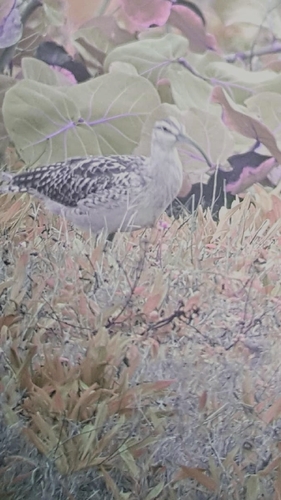
ハリモモチュウシャク (Numenius tahitiensis) ハリモモチュウシャク
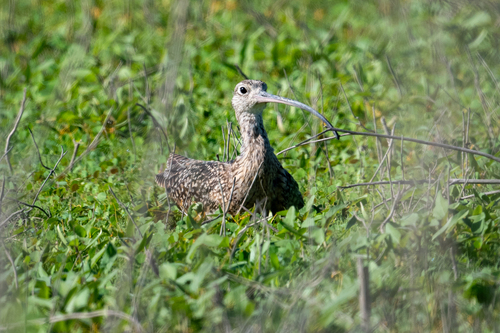
アメリカダイシャクシギ (Numenius americanus) アメリカダイシャクシギ

メディア

読み込み中…

要点

ハリモモチュウシャクとアメリカダイシャクシギを区別する最も信頼できるフィールドマークは、全体のサイズとくちばしの長さです:アメリカダイシャクシギははるかに大きく、劇的に長く、より鎌状のくちばしを持っています。すべての羽色において、ハリモモチュウシャクは淡いまたは錆色の尾と腰、そしてより淡く、あまり模様のない腹部を示しますが、アメリカダイシャクシギは下側がシナモン色で、縞模様のある頭部を持ち、淡い腰を欠いています。両種は長く、下向きのくちばしと茶色の上面を持っていますが、ハリモモチュウシャクはよりコンパクトで、脚の基部に特徴的な剛毛の羽毛があります。飛行中または静止中は、尾と腰の色、下部の模様、くちばしの比率に注目して自信を持って区別してください。

識別のコツ

  1. Bill length and shape: アメリカダイシャクシギは非常に長い鎌状のくちばし(最大22 cm)を持ち、頭よりもはるかに長いです;ハリモモチュウシャクのくちばしは長く、下向きですが、明らかに短く、頭に対してより比例しています。これは最も一貫した構造的な違いです。
  2. Overall size: アメリカダイシャクシギははるかに大きく、よりがっしりしており、首と脚が長いです。両方を一緒に見ると、サイズの差は明らかです;単独で見ると、アメリカダイシャクシギのサイズは他のシギの中でも際立っています。
  3. Tail and rump color: ハリモモチュウシャクは淡いまたは錆色の尾と腰を示し、飛行中や羽繕いの際にしばしば見えます。アメリカダイシャクシギの腰と尾は明確に淡いまたは錆色ではなく、上面の他の部分と混ざっています。
  4. Underpart pattern: ハリモモチュウシャクは淡く、模様のない腹部とほとんど模様のない側面を持ち、アメリカダイシャクシギのよりシナモン色または温かい淡色の下部と対照的で、より均一な色合いで淡い腹部を欠いています。
  5. Upperpart spotting: ハリモモチュウシャクは上面により大きく、淡い淡色の斑点を持っています;アメリカダイシャクシギの上面はより均一な茶色で、あまり大胆に斑点がありません。
  6. Crown pattern: アメリカダイシャクシギは縞模様のある頭部を持ち、ハリモモチュウシャクの頭部はあまり明確に模様がありません。
  7. Leg bristles: ハリモモチュウシャクは脚の基部に剛毛の羽毛を持ち、微妙な特徴ですが、近くでよく見ればユニークです。
  8. Jizz in flight: アメリカダイシャクシギは飛行中に特に長い首と長いくちばしに見えます;ハリモモチュウシャクはよりコンパクトで、あまり伸びていません。
  9. Habitat and range: 北アメリカでは、特にアラスカや太平洋の島々から離れた場所では、シギはほぼ確実にアメリカダイシャクシギです。ハリモモチュウシャクは範囲が非常に制限されており、主要な地域の外では稀です。
  10. Sexual dimorphism: メスのアメリカダイシャクシギはオスよりも大きく、さらに長いくちばしを持っていますが、両性ともハリモモチュウシャクよりも大きいです。
  11. Contextual clues: 北アメリカの草原や沿岸の平地で大群で見られた場合、アメリカダイシャクシギが期待されます;ハリモモチュウシャクは孤独または小さな群れで、通常は遠隔の太平洋の地域にいます。
  12. Plumage pitfalls: 両種は茶色の斑点のある上面と長く、下向きのくちばしを持ち、遠くからの混乱を引き起こします。誤認識を避けるために、くちばしの長さ、下部の色、尾/腰の色に注目してください。
  13. Age/season: これらの2種のために詳細な幼鳥または未成熟特有の翼の模様の違いは記述されていないので、すべての年齢で上記のマークに依存してください。
  14. Vocalizations: 提供された情報源では記述されていません;ここでの区別には使用しないでください。
  15. When in doubt: 鳥が小さく、淡い腰と尾、そして淡く模様のない腹部を持っている場合はハリモモチュウシャクを疑ってください;大きく、下側がシナモン色で、巨大なくちばしを持っている場合はアメリカダイシャクシギです。

大きさ

アメリカダイシャクシギは北アメリカで定期的に発生する最大のシギで、全長50–65 cm、翼幅は最大90 cm、体重は約700 gです [wikidata]。ハリモモチュウシャクは明らかに小さく、全長約40–44 cm、翼幅は84 cmです。両種が一緒に見られると、サイズの違いは特に明らかですが、単独でもアメリカダイシャクシギの大きさ、長い首、特に非常に長く、下向きのくちばし(最大22 cm)は、ハリモモチュウシャクのより穏やかな比率と比較して際立っています。

羽色

どちらの種にも年齢特有の上翼の模様に関する詳細なノートはありませんが、重要な違いはすべての羽色において見られます。ハリモモチュウシャクは上面により大きく、淡い斑点を持ち、淡く模様のない腹部、そして淡いまたは錆色の尾と腰を持っています—これらの特徴は成鳥と幼鳥の両方に存在します。側面はほとんど模様がありません。対照的に、アメリカダイシャクシギは下側がシナモン色または温かい淡色(淡くはない)で、縞模様のある頭部とより均一な色の上面を持っています。アメリカダイシャクシギの腰と尾は明確に淡いまたは錆色ではありません。アメリカダイシャクシギの下部はより均一な色合いで、ハリモモチュウシャクの淡い腹部と淡い腰を欠いています。両種は茶色の斑点のある上面を持っていますが、ハリモモチュウシャクの斑点はより大きく、淡いです。

行動

両種は地面に生息するシギで、同様の採餌行動を持ち、泥や草を掘って無脊椎動物を探します。アメリカダイシャクシギは長い脚と首のためにしばしばより細長く、より直立して見えます。飛行中、アメリカダイシャクシギの大きなサイズと長いくちばしは特に目立ちます。ハリモモチュウシャクはよりコンパクトで、あまり伸びていないように見えるかもしれません。求愛行動はアメリカダイシャクシギのみに記述されており、複雑な空中の動作を含みます。

生息環境

ハリモモチュウシャクはアラスカで繁殖し、遠隔の太平洋の島々で越冬し、この範囲の外ではめったに見られません。アメリカダイシャクシギは北アメリカの中央および西部の草原で繁殖し、沿岸または南部の草原で越冬します。アラスカから離れた北アメリカで観察された場合、特に開けた草原や沿岸の平地では、アメリカダイシャクシギが圧倒的に可能性が高いです。ハリモモチュウシャクは非常に特化しており、アメリカダイシャクシギと範囲が重なることは稀です。

より良い説明を送る

比較と同じ項目を使ってください。文章はすぐに公開されます。

The most reliable field mark to separate Bristle-thighed Curlew from Long-billed Curlew is overall size and bill length: Long-billed Curlew is much larger and has a dramatically longer, more sickle-shaped bill. In all plumages, Bristle-thighed Curlew shows a buffy or rust-colored tail and rump, and a paler, less-marked belly, while Long-billed Curlew is cinnamon below with a streaked crown and lacks the buffy rump. Both species have long, decurved bills and brown upperparts, but Bristle-thighed Curlew is more compact and has distinctive bristled feathers at the base of the legs. In flight or at rest, focus on the tail and rump color, underpart pattern, and bill proportions for confident separation.

  1. Bill length and shape: Long-billed Curlew has an extremely long, sickle-shaped bill (up to 22 cm), much longer than the head; Bristle-thighed Curlew's bill is long and decurved but noticeably shorter and more proportional to its head. This is the most consistent structural difference.
  2. Overall size: Long-billed Curlew is much larger and bulkier, with a longer neck and legs. If you see both together, the size gap is obvious; singly, Long-billed Curlew's size is still striking among shorebirds.
  3. Tail and rump color: Bristle-thighed Curlew shows a buffy or rust-colored tail and rump, often visible in flight or when preening. Long-billed Curlew's rump and tail are not distinctly buffy or rust-colored, blending with the rest of the upperparts.
  4. Underpart pattern: Bristle-thighed Curlew has a pale, unmarked belly and barely marked flanks, contrasting with the more cinnamon or warm buff underparts of Long-billed Curlew, which are more evenly colored and lack a pale belly.
  5. Upperpart spotting: Bristle-thighed Curlew has larger, paler buff spots on the upperparts; Long-billed Curlew's upperparts are more evenly brown and less boldly spotted.
  6. Crown pattern: Long-billed Curlew has a streaked crown, while Bristle-thighed Curlew's crown is less distinctly marked.
  7. Leg bristles: Bristle-thighed Curlew has bristled feathers at the base of the legs, a subtle feature but unique if seen well at close range.
  8. Jizz in flight: Long-billed Curlew looks especially long-necked and long-billed in flight; Bristle-thighed Curlew is more compact and less stretched out.
  9. Habitat and range: In North America, especially away from Alaska or Pacific islands, a curlew is almost certainly Long-billed. Bristle-thighed is highly range-restricted and rare outside its core areas.
  10. Sexual dimorphism: Female Long-billed Curlews are larger and have even longer bills than males, but both sexes are larger than Bristle-thighed Curlew.
  11. Contextual clues: If seen in large flocks in North American grasslands or coastal flats, Long-billed Curlew is expected; Bristle-thighed Curlew is solitary or in small groups, usually in remote Pacific locales.
  12. Plumage pitfalls: Both species have brown, spotted upperparts and long, decurved bills, leading to confusion at a distance. Focus on bill length, underpart color, and tail/rump color to avoid misidentification.
  13. Age/season: No detailed juvenile or immature-specific wing pattern differences are described for these two species, so rely on the above marks in all ages.
  14. Vocalizations: Not described in the provided sources; do not use for separation here.
  15. When in doubt: If the bird is smaller, with a buffy rump and tail, and a pale, unmarked belly, suspect Bristle-thighed Curlew; if larger, cinnamon below, and with a huge bill, it's Long-billed Curlew.

Long-billed Curlew is the largest regularly occurring sandpiper in North America, measuring 50–65 cm in length with a wingspan up to 90 cm and a body mass around 700 g [wikidata]. Bristle-thighed Curlew is noticeably smaller, about 40–44 cm long with a wingspan of 84 cm. The size difference is especially obvious when both species are seen together, but even singly, Long-billed Curlew's bulk, long neck, and especially its extremely long, downcurved bill (up to 22 cm) are striking compared to the more moderate proportions of Bristle-thighed Curlew.

There are no detailed age-specific upperwing pattern notes for either species, but key differences are visible in all plumages. Bristle-thighed Curlew has larger, buffy spots on the upperparts, a pale, unmarked belly, and a buffy or rust-colored tail and rump—these features are present in both adults and immatures. The flanks are barely marked. In contrast, Long-billed Curlew is cinnamon or warm buff below (not pale), with a streaked crown and more evenly colored upperparts. Its rump and tail are not distinctly buffy or rust-colored. The underparts of Long-billed Curlew are more uniformly colored, lacking the pale belly and buffy rump of Bristle-thighed Curlew. Both species have brown, spotted upperparts, but Bristle-thighed Curlew's spots are larger and paler.

Both species are ground-dwelling shorebirds with similar foraging behavior, probing mud or grass for invertebrates. Long-billed Curlew often appears lankier and more upright due to its longer legs and neck. In flight, Long-billed Curlew's large size and long bill are especially apparent. Bristle-thighed Curlew may appear more compact and less elongated. Courtship displays are only described for Long-billed Curlew, involving elaborate aerial maneuvers.

Bristle-thighed Curlew breeds in Alaska and winters on remote Pacific islands, rarely seen outside this range. Long-billed Curlew breeds in central and western North American grasslands and winters coastally or in southern grasslands. If observed in North America away from Alaska, especially in open grasslands or coastal flats, Long-billed Curlew is vastly more likely. Bristle-thighed Curlew is highly specialized and rarely overlaps in range with Long-billed Curlew except as a rare vagrant.

変更を破棄しますか?

保存していない編集があります。今離れると失われます。

ハリモモチュウシャク · アメリカダイシャクシギ · 苦手な鳥