

Bristle-thighed Curlew vs Long-billed Curlew
Numenius tahitiensis contro Numenius americanus
Fai un quiz con Bristle-thighed Curlew e Long-billed Curlew
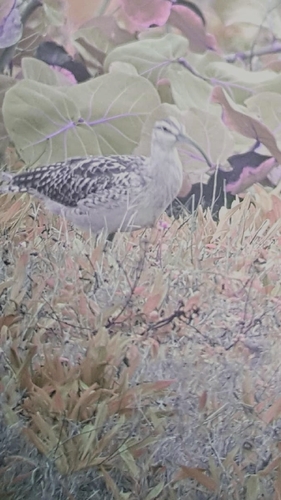 Bristle-thighed Curlew
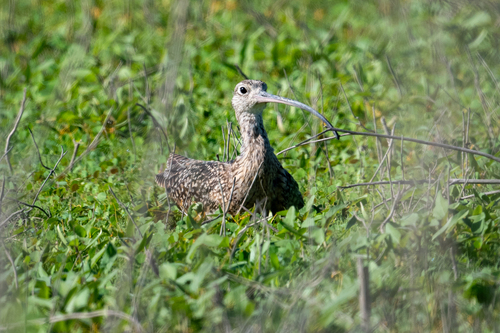 Long-billed Curlew
In breve
Il segno distintivo più affidabile per separare il Bristle-thighed Curlew dal Long-billed Curlew è la dimensione complessiva e la lunghezza del becco: il Long-billed Curlew è molto più grande e ha un becco drammaticamente più lungo e a forma di falce. In tutte le livree, il Bristle-thighed Curlew mostra una coda e un sopracciglio color sabbia o ruggine, e un ventre più chiaro e meno marcato, mentre il Long-billed Curlew è cannella sotto con una corona striata e manca del sopracciglio color sabbia. Entrambe le specie hanno becchi lunghi e ricurvi e parti superiori marroni, ma il Bristle-thighed Curlew è più compatto e ha piume distintive a setole alla base delle gambe. In volo o a riposo, concentrati sul colore della coda e del sopracciglio, sul modello delle parti inferiori e sulle proporzioni del becco per una separazione sicura.
Consigli di identificazione
- Lunghezza e forma del becco: Il Long-billed Curlew ha un becco estremamente lungo e a forma di falce (fino a 22 cm), molto più lungo della testa; il becco del Bristle-thighed Curlew è lungo e ricurvo ma visibilmente più corto e più proporzionato alla sua testa. Questa è la differenza strutturale più consistente.
- Dimensione complessiva: Il Long-billed Curlew è molto più grande e massiccio, con un collo e gambe più lunghi. Se vedi entrambi insieme, il divario di dimensione è ovvio; singolarmente, la dimensione del Long-billed Curlew è comunque sorprendente tra i limicoli.
- Colore della coda e del sopracciglio: Il Bristle-thighed Curlew mostra una coda e un sopracciglio color sabbia o ruggine, spesso visibili in volo o mentre si pulisce. Il sopracciglio e la coda del Long-billed Curlew non sono distintamente color sabbia o ruggine, fondendosi con il resto delle parti superiori.
- Modello delle parti inferiori: Il Bristle-thighed Curlew ha un ventre chiaro e non marcato e fianchi appena segnati, in contrasto con le parti inferiori più cannella o color sabbia caldo del Long-billed Curlew, che sono più uniformemente colorate e mancano di un ventre chiaro.
- Macchie delle parti superiori: Il Bristle-thighed Curlew ha macchie più grandi e più chiare sulle parti superiori; le parti superiori del Long-billed Curlew sono più uniformemente marroni e meno audacemente macchiate.
- Modello della corona: Il Long-billed Curlew ha una corona striata, mentre la corona del Bristle-thighed Curlew è meno distintamente marcata.
- Setole sulle gambe: Il Bristle-thighed Curlew ha piume a setole alla base delle gambe, una caratteristica sottile ma unica se vista bene da vicino.
- Aspetto in volo: Il Long-billed Curlew appare particolarmente lungo di collo e becco in volo; il Bristle-thighed Curlew è più compatto e meno allungato.
- Habitat e distribuzione: In Nord America, specialmente lontano dall'Alaska o dalle isole del Pacifico, un curlew è quasi certamente un Long-billed. Il Bristle-thighed è altamente limitato nella distribuzione e raro al di fuori delle sue aree principali.
- Dimorfismo sessuale: Le femmine di Long-billed Curlew sono più grandi e hanno becchi ancora più lunghi dei maschi, ma entrambi i sessi sono più grandi del Bristle-thighed Curlew.
- Indizi contestuali: Se visti in grandi stormi nelle praterie nordamericane o nelle pianure costiere, ci si aspetta il Long-billed Curlew; il Bristle-thighed Curlew è solitario o in piccoli gruppi, di solito in luoghi remoti del Pacifico.
- Trappole della livrea: Entrambe le specie hanno parti superiori marroni e macchiate e becchi lunghi e ricurvi, portando a confusione a distanza. Concentrati sulla lunghezza del becco, sul colore delle parti inferiori e sul colore della coda/sopracciglio per evitare identificazioni errate.
- Età/stagione: Non sono state descritte differenze specifiche nel modello delle ali per i giovani o gli immaturi di queste due specie, quindi fai affidamento sui segni sopra in tutte le età.
- Vocalizzazioni: Non descritte nelle fonti fornite; non usarle per la separazione qui.
- Quando hai dubbi: Se l'uccello è più piccolo, con un sopracciglio e una coda color sabbia e un ventre chiaro e non marcato, sospetta il Bristle-thighed Curlew; se è più grande, cannella sotto e con un enorme becco, è il Long-billed Curlew.
Taglia
Il Long-billed Curlew è il più grande limicolo che si verifica regolarmente in Nord America, misurando 50–65 cm di lunghezza con un'apertura alare fino a 90 cm e una massa corporea di circa 700 g [wikidata]. Il Bristle-thighed Curlew è visibilmente più piccolo, circa 40–44 cm di lunghezza con un'apertura alare di 84 cm. La differenza di dimensione è particolarmente evidente quando entrambe le specie vengono viste insieme, ma anche singolarmente, la massa, il collo lungo e soprattutto il suo becco estremamente lungo e ricurvo (fino a 22 cm) del Long-billed Curlew sono sorprendenti rispetto alle proporzioni più moderate del Bristle-thighed Curlew.
Piumaggio
Non ci sono note dettagliate sul modello delle ali specifiche per età per nessuna delle due specie, ma le differenze chiave sono visibili in tutte le livree. Il Bristle-thighed Curlew ha macchie più grandi e color sabbia sulle parti superiori, un ventre chiaro e non marcato, e una coda e un sopracciglio color sabbia o ruggine—queste caratteristiche sono presenti sia negli adulti che negli immaturi. I fianchi sono appena segnati. Al contrario, il Long-billed Curlew è cannella o color sabbia caldo sotto (non chiaro), con una corona striata e parti superiori più uniformemente colorate. Il suo sopracciglio e la sua coda non sono distintamente color sabbia o ruggine. Le parti inferiori del Long-billed Curlew sono più uniformemente colorate, mancando del ventre chiaro e del sopracciglio color sabbia del Bristle-thighed Curlew. Entrambe le specie hanno parti superiori marroni e macchiate, ma le macchie del Bristle-thighed Curlew sono più grandi e più chiare.
Comportamento
Entrambe le specie sono limicoli terrestri con un comportamento di foraggiamento simile, sondando fango o erba per invertebrati. Il Long-billed Curlew appare spesso più snello e più eretto a causa delle sue gambe e del collo più lunghi. In volo, la grande dimensione e il lungo becco del Long-billed Curlew sono particolarmente evidenti. Il Bristle-thighed Curlew può apparire più compatto e meno allungato. Le esibizioni di corteggiamento sono descritte solo per il Long-billed Curlew, coinvolgendo manovre aeree elaborate.
Habitat
Il Bristle-thighed Curlew nidifica in Alaska e sverna su isole remote del Pacifico, raramente visto al di fuori di questa area. Il Long-billed Curlew nidifica nelle praterie centrali e occidentali del Nord America e sverna lungo la costa o nelle praterie meridionali. Se osservato in Nord America lontano dall'Alaska, specialmente in praterie aperte o pianure costiere, il Long-billed Curlew è di gran lunga più probabile. Il Bristle-thighed Curlew è altamente specializzato e raramente sovrappone la sua distribuzione con il Long-billed Curlew, tranne come raro vagabondo.
Bristle-thighed Curlew · Long-billed Curlew · I miei uccelli difficili