

Motmot

カギハシタイランチョウ 対 シロハラオオヒタキモドキ

Attila spadiceus 対 Myiarchus tyrannulus

カギハシタイランチョウとシロハラオオヒタキモドキのクイズ
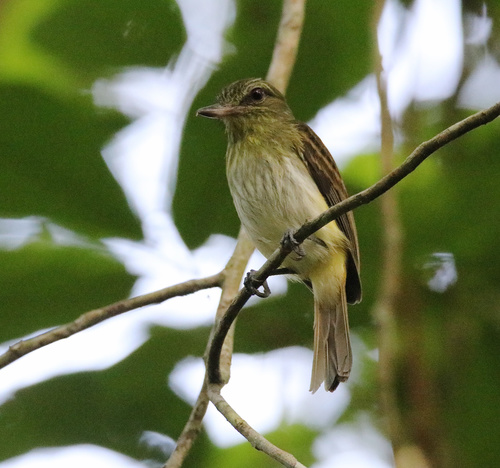
カギハシタイランチョウ (Attila spadiceus) カギハシタイランチョウ
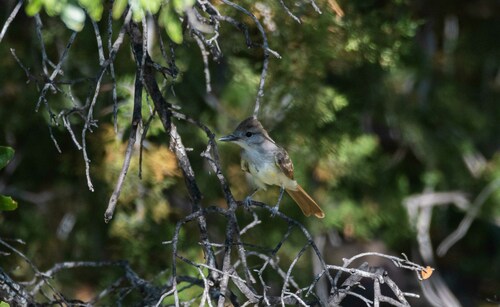
シロハラオオヒタキモドキ (Myiarchus tyrannulus) シロハラオオヒタキモドキ

メディア

読み込み中…

要点

カギハシタイランチョウとシロハラオオヒタキモドキの最も信頼できるフィールドマークは、カギハシタイランチョウの明確な明るい黄色の尾羽であり、特に鳥が止まっているときや尾羽を振るときに、暗い背中や尾と対照的に目立ちます。両種は2つの淡い翼帯と黄色い腹部を示しますが、カギハシタイランチョウの胸の大胆な縞模様とその赤い虹彩(成鳥)は特徴的です。シロハラオオヒタキモドキは明るい尾羽を欠き、代わりに尾羽と翼にルフスを持つ、より均一な茶色または灰色の上面を示します。両種の幼鳥は見分けが難しいことがありますが、カギハシタイランチョウのシナモンの縁取りのある冠と茶色の目が、ヒタキモドキのふさふさした灰色がかった茶色の冠と茶色の虹彩から区別するのに役立ちます。

識別のコツ

  1. 明るい黄色の尾羽(すべての年齢):カギハシタイランチョウだけが明るい黄色の尾羽を持ち、止まっているときや尾羽を振るときに目立ちます。シロハラオオヒタキモドキの尾羽は背中と同じ色です。
  2. 胸の縞模様:カギハシタイランチョウは、特に成鳥では、黄色い胸と喉に変動するがしばしば明白な暗い縞模様を示します。シロハラオオヒタキモドキの腹部はきれいな黄色で、淡い灰色の喉と上胸を持ち、縞模様はありません。
  3. 翼帯と羽の縁取り:両種は2つの淡い翼帯を持ちますが、カギハシタイランチョウのものはしばしば広く、対照的で、暗い茶色の翼の羽の縁取りがより淡いです。ヒタキモドキの翼帯は淡い灰色がかった茶色から茶色がかった白で、ルフスの縁取りが翼と尾でより目立ちます。
  4. 尾羽のパターン:シロハラオオヒタキモドキは、最も内側の尾羽を除くすべての尾羽にルフスの内側のウェブを示し、飛行中または尾羽を広げたときに見えます。カギハシタイランチョウの尾羽は無地の茶色です。
  5. 虹彩の色:成鳥のカギハシタイランチョウは赤い虹彩を持ち(幼鳥は茶色)、シロハラオオヒタキモドキは常に茶色の虹彩を持ちます。これは良い光と近くの視点で最もよく見えます。
  6. 冠と冠羽:カギハシタイランチョウの頭は大きく丸みを帯びており、オリーブグリーンに黒の縞模様があり、幼鳥ではシナモンの縁取りがあります。シロハラオオヒタキモドキはふさふさした灰色がかった茶色の冠羽を持ち、より細長い頭のプロファイルを持っています。
  7. くちばしの形:カギハシタイランチョウは重く、鉤状でわずかに上向きのくちばしを持ち、ヒタキモドキのくちばしはよりまっすぐで細長く、時には淡い基部を持ちます。
  8. 姿勢と印象:カギハシタイランチョウは非常に直立して止まり、大きな頭とコンパクトに見えます。ヒタキモドキはより細長く、尾が長く、より水平な姿勢を持っています。
  9. 声:カギハシタイランチョウの歌は大きく、変動があり、音楽的で、しばしば繰り返される「ウィーリー」音と「ウーウィット」の終わりを持っています。ヒタキモドキの鳴き声はより鋭く、乾燥しており、音楽的ではありません。
  10. 幼鳥のマーク:若いカギハシタイランチョウはシナモンの縁取りのある冠と茶色の目を示し、若いヒタキモドキはふさふさした冠と茶色の虹彩を持ちますが、シナモンの冠はありません。
  11. 生息地の文脈:日陰の庭、牧草地、または乱れた地域で見られた場合、カギハシタイランチョウの可能性が高いです。開けた森林や大きな木/サボテンの近くで、特に穴に入るのが見られた場合は、シロハラオオヒタキモドキを疑ってください。
  12. 行動:カギハシタイランチョウは地面を歩いて獲物を追ったり、アリを追ったりすることがありますが、ヒタキモドキは通常、止まり木から飛び出して昆虫を捕まえ、地面で餌を取ることは少ないです。
  13. 性別:両種は羽毛の性別が同じであるため、性別はフィールドマークではありません。
  14. サイズの印象:ヒタキモドキは特に北部亜種でわずかに大きく、尾が長く見えることがありますが、重なりはかなりあります。
  15. 落とし穴:両種は黄色の腹部と淡い翼帯を持っているため、信頼できる区別のために尾羽の色、胸の縞模様、くちばし/頭の構造に焦点を当ててください。

大きさ

両種は長さ(約18 cm)が似ていますが、シロハラオオヒタキモドキは特に北部亜種でわずかに大きくなることがあります(最大23 cmおよび54 g)、一方、カギハシタイランチョウは平均して約35〜40 gです。フィールドでは、カギハシタイランチョウはよりコンパクトで直立して見えることがあり、重く、鉤状のくちばしと大きな頭の外観を持っています。シロハラオオヒタキモドキはしばしばより長く、スリムに見え、相対的に長い尾とより細長く、まっすぐなくちばしを持っています。

羽色

幼鳥と未成熟の鳥:カギハシタイランチョウの幼鳥はシナモンの縁取りのある冠と茶色の目を持ち、シロハラオオヒタキモドキの幼鳥は成鳥に似ていますが、ふさふさした冠と茶色の虹彩を持っています。すべての年齢において、カギハシタイランチョウは明るい黄色の尾羽と変動する縞模様のある黄色い胸を示し、2つの淡い翼帯と暗い茶色の翼の羽の縁取りがより淡いです。すべての年齢のシロハラオオヒタキモドキは明るい尾羽を欠き、代わりに灰色がかった茶色からオリーブグレーの背中、ふさふさした灰色がかった茶色の冠羽、尾と翼にルフスの縁取りを持っています。両種は黄色の腹部を持っていますが、カギハシタイランチョウのものはより縞模様があり、ヒタキモドキのものはよりきれいで明るく、淡い灰色の喉と上胸を持っています。カギハシタイランチョウの虹彩は成鳥では赤(幼鳥では茶色)であり、ヒタキモドキの虹彩は常に茶色です。ヒタキモドキの尾羽はルフスの内側のウェブを示し(最も内側のペアを除く)、良い光や飛行中に見えることがあります。

行動

カギハシタイランチョウはしばしば孤独で、直立して止まり、攻撃的で騒がしいことがあり、時には地面を歩いて獲物を追ったり、アリを追ったりします。歌っているときは静止する傾向があり、見つけるのが難しいです。シロハラオオヒタキモドキもまた、単独またはペアで見られることが多く、通常は露出した止まり木から飛び出して昆虫を捕まえ、地面で餌を取ることは少ないです。カギハシタイランチョウの直立した大きな頭の姿勢は、ヒタキモドキのより細長く、冠羽のあるシルエットと対照的です。

生息環境

両種は中南米の多くの地域で重なりますが、カギハシタイランチョウは乱れた生息地に対してより耐性があり、森林、二次成長、プランテーション、日陰の庭、さらには木のある牧草地に生息しています。シロハラオオヒタキモドキは、巣穴のために開けた森林、森林の端、大きな木やサボテンのある地域により密接に結びついています。カギハシタイランチョウは低地から2,100 mまで一般的ですが、ヒタキモドキの範囲は広いですが、巣作りの要件によってより制限されています。

声

カギハシタイランチョウは大きく、変動のある歌を持ち、しばしば「ビート・イット、ビート・イット」または一連の悲しげな「ウーウィーリー・ウィーリー・ウィーリー・ウィーリー・ウー」の音として説明され、非常に変動する構造を持ち、時には「ウーウィット」で終わります。カバーから歌う傾向があり、声を出しているときは見えにくいです。シロハラオオヒタキモドキの声はここでは詳細に説明されていませんが、Myiarchusヒタキモドキは通常、鋭く乾燥した「ウィット」または「リープ」の呼び声と短い下降する口笛を出し、カギハシタイランチョウの歌よりも音楽的でなく、変動が少ないです。

より良い説明を送る

比較と同じ項目を使ってください。文章はすぐに公開されます。

The most reliable field mark between Bright-rumped Attila and Brown-crested Flycatcher is the Attila’s unmistakable bright yellow rump, which stands out against its darker back and tail, especially when the bird is perched or flicks its tail. Both species show two pale wingbars and yellow underparts, but the Attila’s bold streaking on the breast and its red iris (in adults) are also distinctive. Brown-crested Flycatcher lacks the bright rump and instead shows a more uniform brownish or grayish upperparts with rufous in the tail and wings. Juveniles of both species can be tricky, but the Attila’s cinnamon-fringed crown and brown eyes help separate it from the flycatcher’s bushy grayish-brown crest and brown iris.

  1. Bright yellow rump (all ages): Only Bright-rumped Attila has a bright yellow rump, which is conspicuous when perched or flicking its tail. Brown-crested Flycatcher’s rump is the same color as its back.
  2. Breast streaking: Attila shows variable but often obvious dark streaking on the yellow breast and throat, especially in adults. Brown-crested Flycatcher’s underparts are clean yellow with a light gray throat and upper breast, lacking streaks.
  3. Wingbars and feather edging: Both species have two pale wingbars, but Attila’s are often broader and more contrasting, with paler feather edging on the dark brown wings. Flycatcher’s wingbars are paler grayish-brown to brownish-white, and the rufous edging is more prominent on the wings and tail.
  4. Tail pattern: Brown-crested Flycatcher shows rufous inner webs on all but the innermost tail feathers, visible in flight or when the tail is fanned. Attila’s tail is plain brown.
  5. Iris color: Adult Attila has a red iris (brown in juveniles), while Brown-crested Flycatcher always has a brown iris. This is best seen in good light and close views.
  6. Crown and crest: Attila’s head is big and rounded, with olive-green streaked with black and, in juveniles, cinnamon-fringed. Brown-crested Flycatcher has a bushy grayish-brown crest and a more elongated head profile.
  7. Bill shape: Attila has a heavier, hooked, and slightly upturned bill, while the flycatcher’s bill is straighter and more slender, sometimes with a paler base.
  8. Posture and jizz: Attila perches very upright and appears big-headed and compact. Flycatcher is more elongated, with a longer tail and a more horizontal stance.
  9. Voice: Attila’s song is loud, variable, and musical, often with repeated 'weery' notes and a 'woo-whit' ending. Flycatcher’s calls are sharper, drier, and less musical.
  10. Juvenile marks: Young Attila shows cinnamon-fringed crown and brown eyes; young flycatchers have a bushy crest and brown iris but lack the cinnamon crown.
  11. Habitat context: If seen in a shady garden, pasture, or disturbed area, Attila is more likely. If in open woodland or near large trees/cacti, especially if seen entering a cavity, suspect Brown-crested Flycatcher.
  12. Behavior: Attila may pursue prey on foot or follow army ants; flycatcher typically sallies from perches and rarely feeds on the ground.
  13. Sexes: Both species are sexually monomorphic in plumage, so sex is not a field mark.
  14. Size impression: Flycatcher can appear slightly larger and longer-tailed, especially in northern subspecies, but overlap is substantial.
  15. Pitfalls: Both have yellow underparts and pale wingbars, so focus on rump color, breast streaking, and bill/head structure for reliable separation.

Both species are similar in length (about 18 cm), but Brown-crested Flycatcher can be slightly larger, especially in the northern subspecies (up to 23 cm and 54 g), while Bright-rumped Attila averages around 35–40 g. In the field, the Attila may appear more compact and upright, with a heavier, hooked bill and a big-headed look. Brown-crested Flycatcher often looks longer and slimmer, with a proportionally longer tail and a more slender, straight bill.

Juvenile and immature birds: Bright-rumped Attila juveniles have a cinnamon-fringed crown and brown eyes, while Brown-crested Flycatcher juveniles resemble adults but with a bushier crest and brown iris. In all ages, Attila shows a bright yellow rump and variably streaked yellow breast, with two pale wingbars and paler feather edging on dark brown wings. Brown-crested Flycatcher of all ages lacks the bright rump; instead, it has a grayish-brown to olive-gray back, a bushy grayish-brown crest, and rufous edges on the tail and wings. Both species have yellow underparts, but Attila’s are more streaked, and the flycatcher’s are cleaner and brighter, with a light gray throat and upper breast. The Attila’s iris is red in adults (brown in young), while the flycatcher’s is always brown. The flycatcher’s tail shows rufous inner webs (except the innermost pair), which can be visible in good light or flight.

Bright-rumped Attila is often solitary, perches upright, and can be aggressive and noisy, sometimes pursuing prey on foot or following army ants. It tends to stay still when singing, making it hard to spot. Brown-crested Flycatcher is also often seen alone or in pairs, typically sallying from exposed perches to catch insects, and is less likely to forage on the ground. The Attila’s upright, big-headed posture contrasts with the flycatcher’s more elongated, crested silhouette.

Both species overlap in much of Central and South America, but Bright-rumped Attila is more tolerant of disturbed habitats, occurring in forests, second growth, plantations, shady gardens, and even pastures with trees. Brown-crested Flycatcher is more closely tied to open woodlands, forest edges, and areas with large trees or cacti for nesting cavities. Attila is common from lowlands up to 2,100 m, while the flycatcher’s range is broader but more restricted by nesting requirements.

Bright-rumped Attila has a loud, variable song often described as 'beat-it, beat-it' or a series of plaintive 'ooo weery weery weery weery woo' notes, with highly variable structure and sometimes ending in a 'woo-whit.' It tends to sing from cover and is hard to see while vocalizing. Brown-crested Flycatcher’s voice is not described in detail here, but Myiarchus flycatchers typically give sharp, dry 'whit' or 'reep' calls and short, descending whistles, which are less musical and less variable than the Attila’s song.

変更を破棄しますか?

保存していない編集があります。今離れると失われます。

カギハシタイランチョウ · シロハラオオヒタキモドキ · 苦手な鳥