

Motmot

オオテリハウズラバト 対 ハジロバト

Geotrygon mystacea 対 Zenaida asiatica

オオテリハウズラバトとハジロバトのクイズ
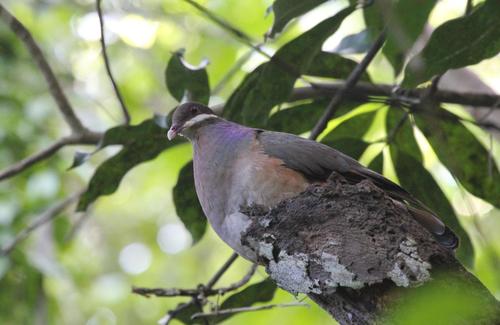
オオテリハウズラバト (Geotrygon mystacea) オオテリハウズラバト
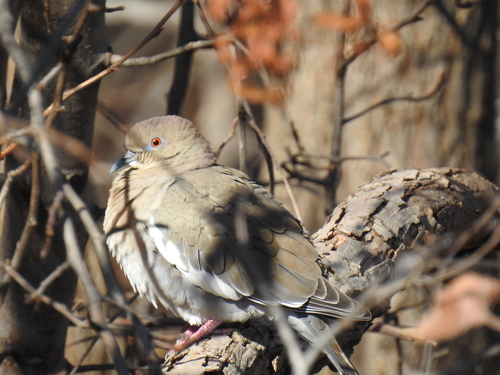
ハジロバト (Zenaida asiatica) ハジロバト

メディア

読み込み中…

要点

オオテリハウズラバトとハジロバトを区別する最も信頼できる方法は、ハジロバトに見られる大胆な白い翼の斑点の存在です。これは飛行中および静止中に確認でき、オオテリハウズラバトにはありません。オオテリハウズラバトは、目の下に大胆な白い顔のストライプと小さな白い喉の斑点を示し、翼には白がありません。幼鳥のハジロバトはより鈍く見えますが、依然として白い翼の斑点を示します。一方、オオテリハウズラバトの幼鳥は翼に白があるとは記載されていません。構造的には、オオテリハウズラバトはより重く、頑丈で、より地上性の姿勢を持ち、ハジロバトはよりスリムで樹上性です。両種はカリブ海で発生する可能性があるため、文脈だけでは診断できません。

識別のコツ

  1. 白い翼の斑点(全ての年齢): ハジロバトは常に折りたたまれた翼に大胆な白い斑点を示し、飛行中には白い三日月として見えます。オオテリハウズラバトは翼に白を示さず、代わりにシナモン色のトーンを探してください。
  2. 顔の模様: オオテリハウズラバトは目の下に大胆な白いストライプと小さな白い喉の斑点を持ち、カリブ海の鳩の中でユニークです。ハジロバトはこの顔のストライプを欠いていますが、青いアイリングと下顔に暗い斑点があります。
  3. 虹色の輝き: オスのオオテリハウズラバトは頭部と後頸部に強い緑から紫の虹色の輝きを示しますが、ハジロバトは一般的に茶色がかった灰色で、わずかな虹色の輝きしかありません(主にオスに見られ、主に紫色が頭部/首/後頸部に見られます)。
  4. 尾の形: ハジロバトは短く丸い尾を持っていますが、オオテリハウズラバトの尾は暗い茶色がかった灰色で、はっきりと短いまたは丸いわけではありません。
  5. 脚の色: ハジロバトは特に成鳥で明るいピンク/赤の脚と足を持っていますが、オオテリハウズラバトの脚の色は特に記載されていません。
  6. 目の色: 成鳥のハジロバトは明るい深紅の目(青いアイリング)を持ち、幼鳥は茶色の目を持っています。オオテリハウズラバトの目の色は指定されていませんが、白い顔のストライプはより特徴的です。
  7. サイズと体格: オオテリハウズラバトはハジロバトよりも重く、頑丈です(平均211g対153g)。両種が一緒に見られる場合や、鳩にしては異常にがっしりした外見の鳥が見られる場合にこれを利用してください。
  8. 行動: オオテリハウズラバトは内気で地上性で、密な森林の床を好みます。ハジロバトはより樹上性で、オープンまたは半オープンな生息地にしばしば見られ、警戒心が少ないです。
  9. 生息地: 深い日陰の森林で特に地面に見られる場合、オオテリハウズラバトの可能性が高いです。オープン、都市、またはエッジの生息地では、ハジロバトが期待されます。
  10. 幼鳥の混乱: 幼鳥のハジロバトでも白い翼の斑点が見られますが、全体的には鈍いです。オオテリハウズラバトの幼鳥は翼に白があるとは記載されていません。
  11. 止まっている時と飛んでいる時: ハジロバトの白い翼の斑点は、静止中と飛行中の両方で確認できます。オオテリハウズラバトはこの特徴を示しません。
  12. 性差: 両種には微妙な性差がありますが、これらは現場では信頼できません。羽毛と構造に焦点を当ててください。
  13. 群れのサイズ: ハジロバトは特に採餌や移動中に群れで見られることが多いですが、オオテリハウズラバトは通常、単独またはペアで見られます。
  14. 鳴き声: メモには記載されていません。提供された情報での分離に声を頼らないでください。
  15. 落とし穴: ナゲキバトや他の類似の鳩はハジロバトと混同される可能性がありますが、白い翼の斑点はユニークです。オオテリハウズラバトの白い顔のストライプは、他のカリブ海の鳩と一致しません。

大きさ

オオテリハウズラバトはハジロバトよりもかなり重い(平均体重約211g対153g)ため、外見ががっしりとして頑丈です。ハジロバトは鳩としてはまだ大きいですが、スリムでより細長いです、特に飛行中に。オオテリハウズラバトの重い体格は、止まっている時や地面を歩いている時にしばしば目立ち、ハジロバトはより直立しており、足元が軽く見えます。

羽色

行動

オオテリハウズラバトはより地上性で、密な森林の中で歩いたり採餌したりしているのがよく見られます。その動きは慎重で、内気で秘密主義的です。ハジロバトはより樹上性で、木や電線、オープンエリアに頻繁に止まります。採餌や移動中に群れで見られることが多く、内気ではなく、しばしば近づくことを許します。飛行中、ハジロバトは強く直接的で、白い翼の斑点を示しますが、オオテリハウズラバトはオープンエリアに飛び出すことは少なく、通常は低く迅速にカバーに飛び込むのが見られます。

生息環境

オオテリハウズラバトは森林の専門家で、特にセントルシアからプエルトリコまでのカリブ海の島々で、密な日陰の森林や森林の下層に生息しています。オープンエリアを避け、深いカバーから離れて見られることはほとんどありません。ハジロバトははるかに適応力があり、オープンな森林、都市公園、庭、砂漠のエッジ、農業地域、さらにはカリブ海の島々など、広範囲の生息地に生息しています。オープンまたは半オープンな生息地で見られる可能性が高く、人間の活動に近いことが多いです。

より良い説明を送る

比較と同じ項目を使ってください。文章はすぐに公開されます。

The most reliable way to separate Bridled Quail-Dove from White-winged Dove is the presence of a bold white wing patch on the White-winged Dove, visible both in flight and at rest, which Bridled Quail-Dove lacks. Bridled Quail-Dove instead shows a bold white facial stripe below the eye and a small white throat patch, with no white on the wings. Juvenile White-winged Doves are duller but still show the white wing patch, while Bridled Quail-Dove juveniles are not described as having any white in the wing. Structurally, Bridled Quail-Dove is heavier and more robust, with a more terrestrial jizz, while White-winged Dove is slimmer and more arboreal. Both species can occur in the Caribbean, so context alone is not diagnostic.

  1. White wing patch (all ages): White-winged Dove always shows a bold white patch on the folded wing and as a white crescent in flight. Bridled Quail-Dove never shows white in the wing; look for cinnamon tones instead.
  2. Facial pattern: Bridled Quail-Dove has a bold white stripe below the eye and a small white throat patch, unique among Caribbean doves. White-winged Dove lacks this facial stripe but has a blue eyering and a dark mark on the lower face.
  3. Iridescence: Male Bridled Quail-Dove shows strong green to violet iridescence on the head and nape, while White-winged Dove is generally brownish-gray with only subtle iridescence (mainly in males, and mostly purple on the crown/neck/nape).
  4. Tail shape: White-winged Dove has a short, rounded tail; Bridled Quail-Dove’s tail is dark brownish gray but not as distinctly short or rounded.
  5. Leg color: White-winged Dove has bright pink/red legs and feet, especially in adults; Bridled Quail-Dove’s leg color is not described as distinctive.
  6. Eye color: Adult White-winged Doves have bright crimson eyes (blue eyering), while juveniles have brown eyes. Bridled Quail-Dove’s eye color is not specified, but the white facial stripe is more distinctive.
  7. Size and build: Bridled Quail-Dove is heavier and more robust (mean 211 g) than White-winged Dove (mean 153 g). Use this when both species are seen together or if the bird appears unusually bulky for a dove.
  8. Behavior: Bridled Quail-Dove is shy, terrestrial, and prefers dense forest floor; White-winged Dove is more arboreal, often in open or semi-open habitats, and less wary.
  9. Habitat: If seen in deep, shaded forest, especially on the ground, Bridled Quail-Dove is more likely. In open, urban, or edge habitats, White-winged Dove is expected.
  10. Juvenile confusion: Even juvenile White-winged Doves show the white wing patch, though they are duller overall. Bridled Quail-Dove juveniles are not described as having any white in the wing.
  11. Perched vs in flight: The white wing patch of White-winged Dove is visible both at rest and in flight; Bridled Quail-Dove never shows this feature.
  12. Sex differences: Both species have subtle sex differences, but these are not reliable in the field; focus on plumage and structure.
  13. Flock size: White-winged Doves often occur in flocks, especially when foraging or migrating; Bridled Quail-Dove is usually solitary or in pairs.
  14. Vocalization: Not described in the notes; do not rely on voice for separation with the information provided.
  15. Pitfalls: Mourning Dove and other similar doves may be confused with White-winged Dove, but the white wing patch is unique. Bridled Quail-Dove’s white facial stripe is not matched by any other Caribbean dove.

Bridled Quail-Dove is significantly heavier (mean body mass ~211 g) than White-winged Dove (~153 g), making it bulkier and more robust in appearance. White-winged Dove is still large for a dove, but is slimmer and more elongated, especially in flight. The Bridled Quail-Dove’s heavier build is often noticeable when perched or walking on the ground, while White-winged Dove appears more upright and lighter on its feet.

  • Juvenile/immature birds: Juvenile White-winged Doves are duller and grayer than adults, lacking iridescence, but still show the distinctive white wing patch, which is visible both at rest and in flight. Juvenile Bridled Quail-Doves are not specifically described, but there is no mention of a white wing patch at any age; instead, they are mostly brown with cinnamon markings on the folded wing.
  • Adults: Adult Bridled Quail-Doves are mostly brown with a bold white facial stripe below the eye, a small white throat patch, and iridescent green to violet on the head and nape (especially in males). Their folded wing shows some cinnamon but no white. Adult White-winged Doves are brownish-gray above and gray below, with a bold white wing patch (as a crescent in flight), a blue eyering, and a dark mark on the lower face. The tail of Bridled Quail-Dove is dark brownish gray and the belly is cream, while White-winged Dove has a short, rounded tail and brighter pink/red legs and feet. Both sexes of White-winged Dove look similar, with only subtle differences in iridescence and ear spot size.

Bridled Quail-Dove is more terrestrial, often seen walking or foraging on the ground in dense forest. Its movements are deliberate and it tends to be shy and secretive. White-winged Dove is more arboreal and frequently perches in trees, wires, or open areas. It is more likely to be seen in flocks, especially when foraging or migrating, and is less secretive, often allowing closer approach. In flight, White-winged Dove is strong and direct, showing the white wing patch; Bridled Quail-Dove is less likely to flush into open areas and is typically seen flying low and quickly into cover.

Bridled Quail-Dove is a forest specialist, found in dense, shaded woodlands and forest understory, especially on Caribbean islands from Saint Lucia to Puerto Rico. It avoids open areas and is rarely seen away from deep cover. White-winged Dove is much more adaptable, occurring in a wide range of habitats from open woodlands, urban parks, and gardens to desert edges and agricultural areas, as well as Caribbean islands. It is much more likely to be seen in open or semi-open habitats, often in proximity to human activity.

変更を破棄しますか?

保存していない編集があります。今離れると失われます。

オオテリハウズラバト · ハジロバト · 苦手な鳥