

Bridled Quail-Dove vs White-winged Dove
Geotrygon mystacea contro Zenaida asiatica
Fai un quiz con Bridled Quail-Dove e White-winged Dove
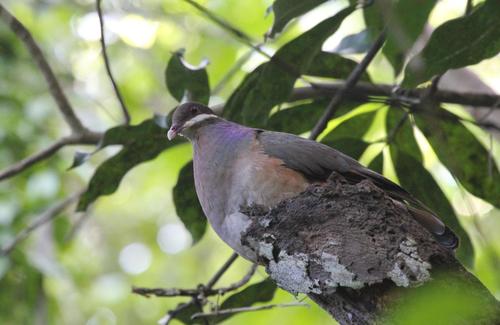 Bridled Quail-Dove
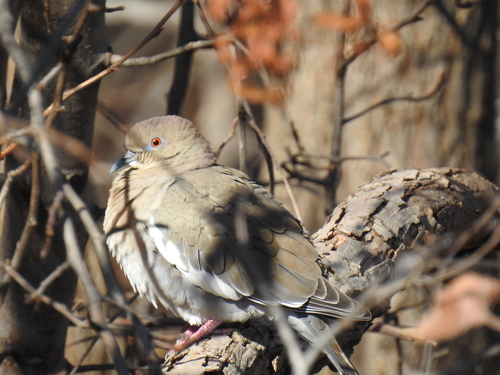 White-winged Dove
In breve
Il modo più affidabile per separare il Bridled Quail-Dove dal White-winged Dove è la presenza di una vistosa macchia bianca sulle ali del White-winged Dove, visibile sia in volo che a riposo, che il Bridled Quail-Dove non ha. Il Bridled Quail-Dove mostra invece una vistosa striscia bianca sul viso sotto l'occhio e una piccola macchia bianca sulla gola, senza bianco sulle ali. I giovani White-winged Doves sono più opachi ma mostrano comunque la macchia bianca sulle ali, mentre i giovani Bridled Quail-Dove non sono descritti come aventi del bianco nelle ali. Strutturalmente, il Bridled Quail-Dove è più pesante e robusto, con un aspetto più terrestre, mentre il White-winged Dove è più snello e arboricolo. Entrambe le specie possono verificarsi nei Caraibi, quindi il contesto da solo non è diagnostico.
Consigli di identificazione
- White wing patch (all ages): Il White-winged Dove mostra sempre una vistosa macchia bianca sull'ala ripiegata e come un crescente bianco in volo. Il Bridled Quail-Dove non mostra mai bianco nelle ali; cerca invece toni cannella.
- Facial pattern: Il Bridled Quail-Dove ha una vistosa striscia bianca sotto l'occhio e una piccola macchia bianca sulla gola, unica tra le colombe caraibiche. Il White-winged Dove manca di questa striscia facciale ma ha un anello blu attorno all'occhio e un segno scuro sul viso inferiore.
- Iridescence: Il maschio del Bridled Quail-Dove mostra una forte iridescenza verde-viola sulla testa e sul collo, mentre il White-winged Dove è generalmente grigio-bruno con solo un'iridescenza sottile (principalmente nei maschi, e per lo più viola sulla corona/collo/nuca).
- Tail shape: Il White-winged Dove ha una coda corta e arrotondata; la coda del Bridled Quail-Dove è grigio-bruna scura ma non così distintamente corta o arrotondata.
- Leg color: Il White-winged Dove ha gambe e piedi rosa/rossi brillanti, specialmente negli adulti; il colore delle gambe del Bridled Quail-Dove non è descritto come distintivo.
- Eye color: Gli adulti White-winged Doves hanno occhi cremisi brillanti (anello blu attorno all'occhio), mentre i giovani hanno occhi marroni. Il colore degli occhi del Bridled Quail-Dove non è specificato, ma la striscia facciale bianca è più distintiva.
- Size and build: Il Bridled Quail-Dove è più pesante e robusto (media 211 g) rispetto al White-winged Dove (media 153 g). Usa questo quando entrambe le specie sono viste insieme o se l'uccello appare insolitamente massiccio per una colomba.
- Behavior: Il Bridled Quail-Dove è timido, terrestre e preferisce il suolo della foresta densa; il White-winged Dove è più arboricolo, spesso in habitat aperti o semi-aperti, e meno diffidente.
- Habitat: Se visto in una foresta profonda e ombreggiata, specialmente a terra, è più probabile che sia il Bridled Quail-Dove. In habitat aperti, urbani o di confine, ci si aspetta il White-winged Dove.
- Juvenile confusion: Anche i giovani White-winged Doves mostrano la macchia bianca sulle ali, anche se sono più opachi nel complesso. I giovani Bridled Quail-Dove non sono descritti come aventi del bianco nelle ali.
- Perched vs in flight: La macchia bianca sulle ali del White-winged Dove è visibile sia a riposo che in volo; il Bridled Quail-Dove non mostra mai questa caratteristica.
- Sex differences: Entrambe le specie hanno sottili differenze sessuali, ma queste non sono affidabili sul campo; concentrati su piumaggio e struttura.
- Flock size: I White-winged Doves si trovano spesso in stormi, specialmente quando cercano cibo o migrano; il Bridled Quail-Dove è solitamente solitario o in coppie.
- Vocalization: Non descritto nelle note; non fare affidamento sulla voce per la separazione con le informazioni fornite.
- Pitfalls: Il Mourning Dove e altre colombe simili possono essere confuse con il White-winged Dove, ma la macchia bianca sulle ali è unica. La striscia facciale bianca del Bridled Quail-Dove non è abbinata a nessun'altra colomba caraibica.
Taglia
Il Bridled Quail-Dove è significativamente più pesante (massa corporea media ~211 g) rispetto al White-winged Dove (~153 g), rendendolo più massiccio e robusto nell'aspetto. Il White-winged Dove è comunque grande per una colomba, ma è più snello e allungato, specialmente in volo. La costruzione più pesante del Bridled Quail-Dove è spesso evidente quando è posato o cammina a terra, mentre il White-winged Dove appare più eretto e leggero sui piedi.
Piumaggio
- Juvenile/immature birds: I giovani White-winged Doves sono più opachi e grigi rispetto agli adulti, privi di iridescenza, ma mostrano comunque la distintiva macchia bianca sulle ali, visibile sia a riposo che in volo. I giovani Bridled Quail-Doves non sono specificamente descritti, ma non c'è menzione di una macchia bianca sulle ali a qualsiasi età; invece, sono per lo più marroni con marcature cannella sulle ali ripiegate.
- Adults: Gli adulti Bridled Quail-Doves sono per lo più marroni con una vistosa striscia bianca sul viso sotto l'occhio, una piccola macchia bianca sulla gola e iridescenza verde-viola sulla testa e sul collo (specialmente nei maschi). La loro ala ripiegata mostra un po' di cannella ma nessun bianco. Gli adulti White-winged Doves sono grigio-bruni sopra e grigi sotto, con una vistosa macchia bianca sulle ali (come un crescente in volo), un anello blu attorno all'occhio e un segno scuro sul viso inferiore. La coda del Bridled Quail-Dove è grigio-bruna scura e il ventre è crema, mentre il White-winged Dove ha una coda corta e arrotondata e gambe e piedi rosa/rossi più brillanti. Entrambi i sessi del White-winged Dove sembrano simili, con solo sottili differenze nell'iridescenza e nella dimensione del punto auricolare.
Comportamento
Il Bridled Quail-Dove è più terrestre, spesso visto camminare o cercare cibo a terra in foreste dense. I suoi movimenti sono deliberati e tende a essere timido e segreto. Il White-winged Dove è più arboricolo e frequentemente si posa sugli alberi, sui fili o in aree aperte. È più probabile che venga visto in stormi, specialmente quando cerca cibo o migra, ed è meno segreto, spesso permettendo un avvicinamento più ravvicinato. In volo, il White-winged Dove è forte e diretto, mostrando la macchia bianca sulle ali; il Bridled Quail-Dove è meno probabile che si allontani in aree aperte e viene tipicamente visto volare basso e rapidamente verso il riparo.
Habitat
Il Bridled Quail-Dove è uno specialista della foresta, trovato in boschi densi e ombreggiati e nel sottobosco, specialmente sulle isole caraibiche da Saint Lucia a Porto Rico. Evita aree aperte ed è raramente visto lontano da coperture profonde. Il White-winged Dove è molto più adattabile, presente in una vasta gamma di habitat, da boschi aperti, parchi urbani e giardini a margini desertici e aree agricole, così come nelle isole caraibiche. È molto più probabile che venga visto in habitat aperti o semi-aperti, spesso in prossimità di attività umane.
Bridled Quail-Dove · White-winged Dove · I miei uccelli difficili