

Motmot

シロガシラトビ 対 キバタン

Haliastur indus 対 Cacatua galerita

シロガシラトビとキバタンのクイズ
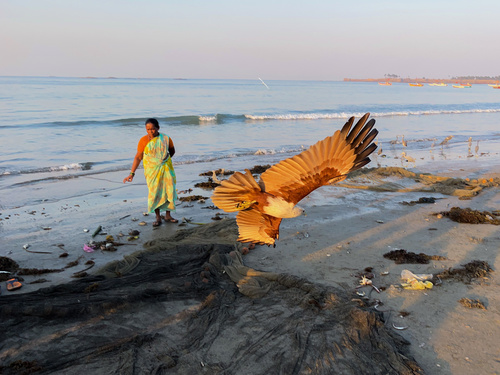
シロガシラトビ (Haliastur indus) シロガシラトビ
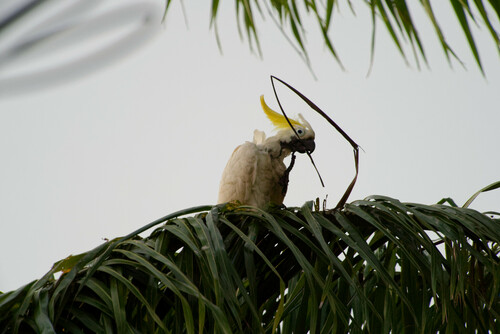
キバタン (Cacatua galerita) キバタン

メディア

読み込み中…

要点

シロガシラトビとキバタンを区別する最も信頼できるフィールドマークは、トビの猛禽の形と目を引く羽毛です:成鳥は白い頭と胸を持ち、リッチな栗色の体と翼と鋭く対比していますが、キバタンは全体が白く、黄色の冠と黄色がかった下翼を持っています。飛行中、未熟なシロガシラトビでさえも茶色がかっており、丸い尾と角度のある翼を持ち、決してキバタンのような全白で広い翼、短い尾の外観を示すことはありません。キバタンは重いオウムのようなくちばしと大きな叫び声を持ち、トビはフック状の猛禽のくちばしを持ち、はるかに静かです。これらの2種は構造、飛行スタイル、文脈において非常に異なり、混乱は通常、遠くからまたは視界が悪い条件でのみ発生します。

識別のコツ

  1. Flight silhouette: シロガシラトビは長く角度のある翼と丸い尾(決して分かれた尾ではない)を示し、猛禽類の典型です。キバタンは広く丸い翼と短く四角い尾を持ち、重い体とオウムのような飛行をします。
  2. Plumage contrast (adult kite): 白い頭と胸がリッチな栗色の体と翼に鋭く対比されており、翼や尾に白や黄色はありません。キバタンは全体が白く、黄色の冠と黄色がかった下翼/尾を持ち、栗色や黒は決して示しません。
  3. Juvenile シロガシラトビ: 全体が茶色で、トビよりも薄い色合いを持ち、下翼の手首部分に薄い斑点と丸い尾があります。決して白や黄色ではなく、常に猛禽の形をしています。
  4. Crest: キバタンは目立つ表現豊かな黄色の冠を持ち、しばしば立てています。シロガシラトビには冠がありません。
  5. Bill shape: トビはフック状の猛禽のくちばしを持ち、近距離で見ることができます。キバタンは大きく重い曲がったオウムのくちばしを持ち、はるかに厚く鈍いです。
  6. Behavior: トビは滑空し、長時間羽ばたくことはほとんどありません。キバタンは安定して羽ばたき、騒がしい群れで見られることが多く、群れで止まったり地面で餌を食べたりする可能性がはるかに高いです。
  7. Perched posture: シロガシラトビは直立して止まり、しばしば単独またはペアで、警戒して流線型に見えます。キバタンはより水平に止まり、しばしば群れで、時には足を使って物を操作します。
  8. Vocalization: キバタンは非常に大きく騒がしく、叫び声を発します。シロガシラトビはほとんど静かで、薄く弱い口笛を発することがあります。
  9. Habitat: トビはほとんど常に水の近くにいます—海岸、川、または湿地。キバタンは森林地域、公園、都市環境に一般的で、水から遠く離れていることが多いです。
  10. Group size: キバタンはしばしば大きく騒がしい群れで見られますが、シロガシラトビは通常単独またはペアでいます。
  11. Tail shape: トビの尾は丸いですが、キバタンの尾は短く四角いです。
  12. Underwing pattern: キバタンは黄色の洗いがかかった均一な白を示し、トビは栗色に黒い先端を持ち、幼鳥は薄い手首の斑点を持っていますが、決して黄色ではありません。
  13. Eye color: 非常に近距離でのみ見えます;キバタンのオスは暗い目を持ち、メスはより赤みがかっていますが、これはフィールドではあまり役に立ちません。
  14. Urban context: キバタンは都市や公園に一般的ですが、シロガシラトビは都市部を避けます。
  15. Feeding behavior: キバタンは地面で餌を食べ、足を使って食べ物を操作します;トビは空中で狩りをしたり、止まったりします。

大きさ

両種は長さが似ています(シロガシラトビ 45–51 cm;キバタン 44–55 cm)[wikipedia]が、体型と質量は異なります:トビは軽く(320–673 g)より細身で、滑空するために作られており、長く角度のある翼と丸い尾を持っています。キバタンは体が重く、がっしりとした体型で、広い翼と短く四角い尾を持っています。キバタンの重いくちばしと目立つ冠も、特に止まっているときにその体型をより大きく見せます。

羽色

幼鳥のシロガシラトビは全体が茶色で、トビよりも薄い色合いを持ち、丸い尾と下翼の手首部分に四角い薄い斑点がありますが、決して白や黄色は示しません。成鳥は明確で、白い頭と胸、リッチな栗色の体と翼、黒い翼先を持っています。すべての年齢のキバタンは全体が白く、下翼と尾に黄色の洗いがかかり、目立つ黄色の冠を持っています。キバタンは羽毛に茶色、栗色、または黒を示すことは決してありません。飛行中、トビの対照的な羽毛と猛禽の形は診断的であり、キバタンの均一な白と広い翼は際立っています。これら2種の間でフィールドでの分離に重要な季節的または性別に基づく羽毛の違いはありません。

行動

シロガシラトビは角度のある翼で滑空し、しばしば水や湿地の上を旋回しているのが見られ、長時間羽ばたくことはほとんどありません。彼らは直立して止まり、しばしば露出した枝にいて獲物を探します。キバタンは社交的で騒がしく、しばしば群れで見られ、深くゆっくりとした羽ばたきで飛ぶか、木に止まっていることが多く、時には逆さまになったり足を使って物を操作したりします。キバタンは地面で餌を食べたり、都市公園で見られる可能性がはるかに高く、彼らの行動は一般的により目立ち、活発です。

生息環境

シロガシラトビは通常、海岸、川、湿地の近くに見られ、水から遠く離れることはほとんどありません。彼らは都市の鳥ではなく、密な森林を避けます。キバタンは森林の生息地を好み、森林、林地、都市公園を含み、都市や郊外で非常に一般的です。都市公園で他のオウムと一緒に地面で餌を食べている鳥を見ることは、キバタンを強く示唆します;川や海岸の上を滑空しているのはシロガシラトビを示します。

声

キバタンは非常に大きく、長距離にわたって響く厳しい騒がしい叫び声を発します。シロガシラトビは一般的に静かで、時折薄い口笛を発することがあり、声だけで検出される可能性は低いです。もし大きく鋭い叫び声を聞いたら、それはほぼ確実にキバタンです。

より良い説明を送る

比較と同じ項目を使ってください。文章はすぐに公開されます。

The most reliable field mark separating Brahminy Kite from Sulphur-crested Cockatoo is the kite's raptor shape and striking plumage: adults show a white head and breast sharply contrasting with a rich chestnut body and wings, while cockatoos are entirely white with a yellow crest and yellow-tinged underwings. In flight, even immature Brahminy Kites are brownish with a rounded tail and angled wings, never showing the all-white, broad-winged, short-tailed look of a cockatoo. Cockatoos have a heavy, parrot-like bill and a loud, screeching call, while kites have a hooked raptor bill and are much quieter. These two species differ so drastically in structure, flight style, and context that confusion usually arises only at great distance or in poor viewing conditions.

  1. Flight silhouette: Brahminy Kite shows long, angled wings and a rounded tail (never forked), typical of a raptor. Sulphur-crested Cockatoo has broad, rounded wings and a short, square tail, with a heavy body and parrot-like flight.
  2. Plumage contrast (adult kite): White head and breast sharply set off against rich chestnut body and wings; no white or yellow on the wings or tail. Cockatoo is all white with yellow crest and yellowish underwings/tail, never showing chestnut or black.
  3. Juvenile Brahminy Kite: Brown overall, paler than Black Kite, with a pale underwing carpal patch and rounded tail. Still never white or yellow; always a raptor shape.
  4. Crest: Sulphur-crested Cockatoo has a prominent, expressive yellow crest, often raised. Brahminy Kite lacks any crest.
  5. Bill shape: Kite has a hooked raptor bill, visible at close range. Cockatoo has a large, heavy, curved parrot bill, much thicker and blunter.
  6. Behavior: Kites soar and glide, rarely flapping for long. Cockatoos flap steadily, often in noisy flocks, and are much more likely to be seen perching in groups or feeding on the ground.
  7. Perched posture: Brahminy Kite perches upright, often alone or in pairs, looking alert and streamlined. Cockatoos perch more horizontally, often in groups, sometimes using their feet to manipulate objects.
  8. Vocalization: Cockatoos are extremely loud and raucous, with screeching calls. Brahminy Kites are mostly silent or give thin, weak whistles.
  9. Habitat: Kites are almost always near water—coasts, rivers, or wetlands. Cockatoos are common in wooded areas, parks, and urban settings, often far from water.
  10. Group size: Cockatoos are often in large, noisy flocks; Brahminy Kites are usually solitary or in pairs.
  11. Tail shape: Kite's tail is rounded; cockatoo's is short and square.
  12. Underwing pattern: Cockatoo shows uniform white with yellow wash; kite shows chestnut with black tips, and juveniles have a pale carpal patch but never yellow.
  13. Eye color: Only visible at very close range; cockatoo males have dark eyes, females more reddish, but this is rarely useful in the field.
  14. Urban context: Cockatoos are common in cities and parks; Brahminy Kites avoid urban areas.
  15. Feeding behavior: Cockatoos feed on the ground and manipulate food with their feet; kites hunt or scavenge from the air or perch.

Both species are similar in length (Brahminy Kite 45–51 cm; Sulphur-crested Cockatoo 44–55 cm) [wikipedia], but their build and mass differ: the kite is lighter (320–673 g) and more slender, built for soaring, with long, angled wings and a rounded tail. The cockatoo is heavier-bodied, with a stockier build, broader wings, and a short, squared tail. The cockatoo's heavy bill and prominent crest also add to its bulkier appearance, especially when perched.

Juvenile Brahminy Kites are brown overall, paler than Black Kites, with a rounded tail and a squarish pale patch at the underwing carpal, but never show white or yellow. Adults are unmistakable: white head and breast, rich chestnut body and wings, black wingtips. Sulphur-crested Cockatoos of all ages are white overall, with yellow wash on underwing and undertail, and a prominent yellow crest. The cockatoo never shows brown, chestnut, or black in the plumage. In flight, the kite's contrasting plumage and raptor shape are diagnostic, while the cockatoo's uniform white and broad wings stand out. No seasonal or sex-based plumage differences are significant for field separation between these two.

Brahminy Kites soar and glide with angled wings, often seen circling over water or wetlands, rarely flapping for long. They perch upright, often on exposed branches, scanning for prey. Sulphur-crested Cockatoos are social, noisy, and often seen in flocks, flying with deep, slow wingbeats or perching in trees, sometimes hanging upside down or using their feet to manipulate objects. Cockatoos are much more likely to be seen feeding on the ground or in urban parks, and their behavior is generally more conspicuous and animated.

Brahminy Kites are usually found near coasts, rivers, and wetlands, rarely venturing far from water. They are not urban birds and avoid dense forests. Sulphur-crested Cockatoos prefer wooded habitats, including forests, woodlands, and urban parks, and can be very common in cities and suburbs. Seeing a bird in a city park or feeding on the ground with other parrots strongly favors cockatoo; soaring over a river or coastline points to Brahminy Kite.

Sulphur-crested Cockatoos are extremely loud, producing harsh, raucous screeches that carry over long distances. Brahminy Kites are generally quiet, with only occasional thin whistles, and are unlikely to be detected by voice alone. If you hear a loud, piercing call, it's almost certainly a cockatoo.

変更を破棄しますか?

保存していない編集があります。今離れると失われます。

シロガシラトビ · キバタン · 苦手な鳥