

Brahminy Kite vs Sulphur-crested Cockatoo
Haliastur indus contro Cacatua galerita
Fai un quiz con Brahminy Kite e Sulphur-crested Cockatoo
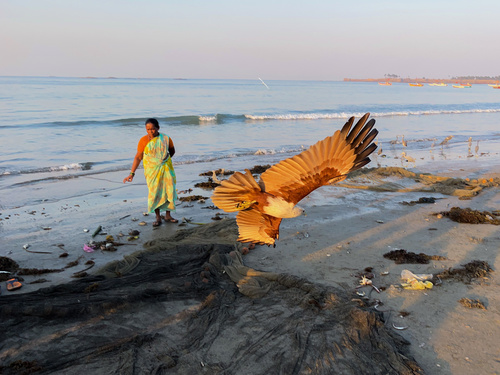 Brahminy Kite
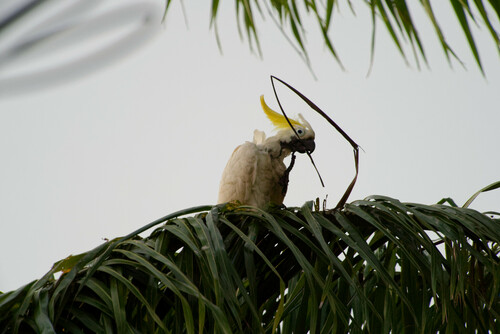 Sulphur-crested Cockatoo
In breve
Il segno distintivo più affidabile che separa il Brahminy Kite dal Sulphur-crested Cockatoo è la forma rapace del kite e il suo piumaggio straordinario: gli adulti mostrano una testa e un petto bianchi che contrastano nettamente con un corpo e ali di un ricco castano, mentre i cockatoo sono completamente bianchi con una cresta gialla e ali inferiori con sfumature gialle. In volo, anche i Brahminy Kites immaturi sono brunastri con una coda arrotondata e ali angolate, senza mai mostrare l'aspetto completamente bianco, con ali larghe e coda corta di un cockatoo. I cockatoo hanno un becco pesante, simile a quello di un pappagallo, e un richiamo forte e stridente, mentre i kite hanno un becco rapace ricurvo e sono molto più silenziosi. Queste due specie differiscono così drasticamente in struttura, stile di volo e contesto che la confusione di solito sorge solo a grande distanza o in condizioni di visione scadenti.
Consigli di identificazione
- Flight silhouette: Il Brahminy Kite mostra ali lunghe e angolate e una coda arrotondata (mai biforcuta), tipica di un rapace. Il Sulphur-crested Cockatoo ha ali larghe e arrotondate e una coda corta e quadrata, con un corpo pesante e un volo simile a quello di un pappagallo.
- Plumage contrast (adult kite): Testa e petto bianchi nettamente distinti rispetto al corpo e alle ali di un ricco castano; nessun bianco o giallo sulle ali o sulla coda. Il cockatoo è completamente bianco con cresta gialla e ali/tail giallastre, senza mai mostrare castano o nero.
- Juvenile Brahminy Kite: Bruno in generale, più chiaro del Nibbio bruno, con una macchia carpal sotto l'ala chiara e coda arrotondata. Ancora mai bianco o giallo; sempre una forma rapace.
- Crest: Il Sulphur-crested Cockatoo ha una cresta gialla prominente ed espressiva, spesso sollevata. Il Brahminy Kite non ha alcuna cresta.
- Bill shape: Il kite ha un becco rapace ricurvo, visibile da vicino. Il cockatoo ha un grande becco curvo e pesante, molto più spesso e smussato.
- Behavior: I kite planano e volano, raramente battendo le ali a lungo. I cockatoo battono le ali costantemente, spesso in stormi rumorosi, e sono molto più propensi a essere visti posati in gruppi o a nutrirsi a terra.
- Perched posture: Il Brahminy Kite si posa eretto, spesso da solo o in coppia, apparendo all'erta e aerodinamico. I cockatoo si posano più orizzontalmente, spesso in gruppi, a volte usando i piedi per manipolare oggetti.
- Vocalization: I cockatoo sono estremamente rumorosi e rauchi, con richiami stridenti. I Brahminy Kites sono per lo più silenziosi o emettono fischi sottili e deboli.
- Habitat: I kite si trovano quasi sempre vicino all'acqua—coste, fiumi o zone umide. I cockatoo sono comuni in aree boschive, parchi e ambienti urbani, spesso lontani dall'acqua.
- Group size: I cockatoo sono spesso in grandi stormi rumorosi; i Brahminy Kites sono di solito solitari o in coppie.
- Tail shape: La coda del kite è arrotondata; quella del cockatoo è corta e quadrata.
- Underwing pattern: Il cockatoo mostra un bianco uniforme con sfumature gialle; il kite mostra castano con punte nere, e i giovani hanno una macchia carpal chiara ma mai gialla.
- Eye color: Visibile solo a distanza molto ravvicinata; i maschi di cockatoo hanno occhi scuri, le femmine più rossicce, ma questo è raramente utile sul campo.
- Urban context: I cockatoo sono comuni nelle città e nei parchi; i Brahminy Kites evitano le aree urbane.
- Feeding behavior: I cockatoo si nutrono a terra e manipolano il cibo con i piedi; i kite cacciano o si nutrono dall'aria o si posano.
Taglia
Entrambe le specie sono simili in lunghezza (Brahminy Kite 45–51 cm; Sulphur-crested Cockatoo 44–55 cm) [wikipedia], ma la loro struttura e massa differiscono: il kite è più leggero (320–673 g) e più snello, costruito per planare, con ali lunghe e angolate e una coda arrotondata. Il cockatoo ha un corpo più pesante, con una struttura più robusta, ali più larghe e una coda corta e quadrata. Il becco pesante e la cresta prominente del cockatoo contribuiscono anche al suo aspetto più massiccio, specialmente quando è posato.
Piumaggio
I giovani Brahminy Kites sono bruni in generale, più chiari dei Nibbio bruno, con una coda arrotondata e una macchia carpal chiara sotto l'ala, ma non mostrano mai bianco o giallo. Gli adulti sono inconfondibili: testa e petto bianchi, corpo e ali di un ricco castano, punte nere. I Sulphur-crested Cockatoos di tutte le età sono bianchi in generale, con sfumature gialle sulle ali inferiori e sulla coda, e una cresta gialla prominente. Il cockatoo non mostra mai bruno, castano o nero nel piumaggio. In volo, il piumaggio contrastante del kite e la forma rapace sono diagnostici, mentre il bianco uniforme e le ali larghe del cockatoo si distinguono. Non ci sono differenze significative nel piumaggio stagionale o basate sul sesso per la separazione sul campo tra queste due.
Comportamento
I Brahminy Kites planano e volano con ali angolate, spesso visti circolare sopra l'acqua o le zone umide, raramente battendo le ali a lungo. Si posano eretti, spesso su rami esposti, cercando prede. I Sulphur-crested Cockatoos sono sociali, rumorosi e spesso visti in stormi, volando con battiti d'ali profondi e lenti o posandosi sugli alberi, a volte appesi a testa in giù o usando i piedi per manipolare oggetti. I cockatoo sono molto più propensi a essere visti nutrirsi a terra o nei parchi urbani, e il loro comportamento è generalmente più evidente e animato.
Habitat
I Brahminy Kites si trovano di solito vicino a coste, fiumi e zone umide, raramente avventurandosi lontano dall'acqua. Non sono uccelli urbani e evitano le foreste dense. I Sulphur-crested Cockatoos preferiscono habitat boschivi, comprese foreste, boschi e parchi urbani, e possono essere molto comuni nelle città e nei sobborghi. Vedere un uccello in un parco cittadino o nutrirsi a terra con altri pappagalli favorisce fortemente il cockatoo; planare sopra un fiume o una costa indica il Brahminy Kite.
Voce
I Sulphur-crested Cockatoos sono estremamente rumorosi, producendo strida dure e rauche che si sentono a lunghe distanze. I Brahminy Kites sono generalmente silenziosi, con solo occasionali fischi sottili, e sono poco probabili da rilevare solo con la voce. Se senti un richiamo forte e penetrante, è quasi certamente un cockatoo.
Brahminy Kite · Sulphur-crested Cockatoo · I miei uccelli difficili