

Motmot

ボナパルトカモメ 対 ユリカモメ

Chroicocephalus philadelphia 対 Chroicocephalus ridibundus

ボナパルトカモメとユリカモメのクイズ
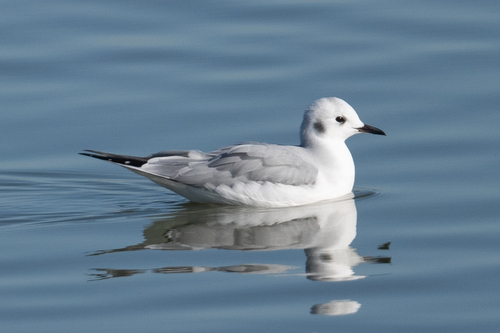
ボナパルトカモメ (Chroicocephalus philadelphia) ボナパルトカモメ
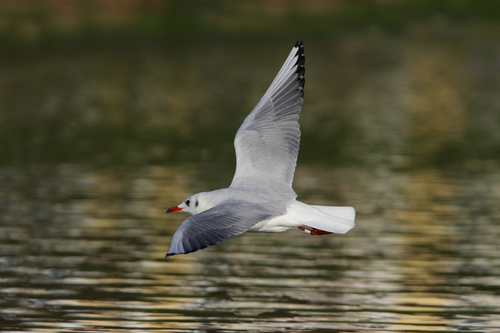
ユリカモメ (Chroicocephalus ridibundus) ユリカモメ

メディア

読み込み中…

要点

ボナパルトカモメとユリカモメを区別する最も信頼できる方法は、飛行中の翼の下の模様です:ボナパルトカモメは目を引くほど白い翼の下を示し、ユリカモメは一次羽の裏側が暗いです。両種の幼鳥と初冬の鳥は特に混乱を招くことがありますが、ボナパルトカモメは常に小さく、細くて暗いくちばしとピンクがかった脚を持っています。構造的な違い—ボナパルトカモメは全体的により繊細です—はすべての年齢で役立ちます。脚の色、くちばしの形、繁殖羽衣におけるフードの広がりも役立ちますが、最も一貫したフィールドでの区別には翼の模様とサイズに焦点を当ててください。

識別のコツ

  1. Underwing in flight (all ages): ボナパルトカモメは明るい白い翼の下を持ち、ユリカモメは一次羽の裏側が暗いです。これは特に飛んでいる鳥において最も信頼できるフィールドマークです。
  2. Size and structure: ボナパルトカモメは小さく、より繊細で、頭とくちばしが小さいです。ユリカモメは明らかに大きく、重く、より広くて頑丈なくちばしを持っています。可能であれば混合群れで直接比較してください。
  3. Bill color and shape: ボナパルトカモメのくちばしは細く、短く、黒いです;ユリカモメのくちばしは長く、太く、赤いです。これは近距離または良好な光学機器で見ることができます。
  4. Leg color: ボナパルトカモメの脚は冬にピンクがかった赤、夏にオレンジがかった赤です。ユリカモメの脚はより明るい赤ですが、これは変動する可能性があり、照明の影響を受けます。
  5. Rear neck color: ボナパルトカモメは淡い灰色の後ろの首を持ち、特に非繁殖羽衣で目立ちます。ユリカモメの首は白のままです。
  6. Breeding hood color: ボナパルトカモメのフードはスレートブラック(チョコレートブラウンではない)で、ユリカモメのフードはチョコレートブラウン(距離から見ると黒く見える)です。これは良い光の下で最もよく見えます。
  7. Non-breeding head pattern: 両者はフードを失いますが、ボナパルトカモメは淡い灰色の後頭部を持つより淡い頭を持ち、ユリカモメは目の後ろに2つの暗い斑点を保持します。
  8. Juvenile/first-winter upperwing: 両者は茶色のカーパルバーと黒い尾帯を持っていますが、ボナパルトカモメは一般的に上も下もより淡い色をしており、翼の下は常に白いです。
  9. Second-year birds: 翼と尾の先端に残る茶色の斑点を探してください—これはユリカモメでより一般的で広範囲に見られます。
  10. Flight style: ボナパルトカモメはより浮遊感があり、トンビのようで、翼の拍動が速いです;ユリカモメはより安定しており、機敏さが少ないです。
  11. Habitat context: 北アメリカでは、小さなフードのあるカモメはボナパルトカモメである可能性が高いです;ヨーロッパでは、ユリカモメがはるかに一般的です。しかし、両者は互いの範囲に漂流者として出現することがあります。
  12. Bare part color in immatures: 両種の幼鳥は鈍い裸の部分を持っていますが、ボナパルトカモメのくちばしは暗いままで、ユリカモメのくちばしは年齢とともに赤みを帯びることがあります。
  13. Plumage wear: ボナパルトカモメの初年度の鳥は夏に羽毛の摩耗と色あせのためにより淡い色になりますが、ユリカモメはよりまだらに見えることがあります。
  14. Sex differences: 両種は羽衣において性別間で似ています;サイズの違いは微妙で、フィールドでの識別には信頼できません。
  15. Pitfalls: 悪い光や距離でフードの色だけに頼らないでください;可能であれば、常に翼の下の模様と構造を確認してください。

大きさ

ボナパルトカモメはユリカモメよりも明らかに小さく、軽いです。ボナパルトカモメは28–38 cmの長さで、翼幅は76–84 cmですが、ユリカモメは34–39 cmの長さで、翼幅は100–110 cmです。ユリカモメはまた重く、平均約280.5 g(最大400 gまでの幅広い範囲)ですが、ボナパルトカモメは180–225 gです。混合群れでは、ボナパルトカモメはより優雅に見え、頭とくちばしが小さいです。

羽色

行動

両種は群れで行動し、特に繁殖シーズン外で群れで見られることが多いです。ボナパルトカモメは飛行中により繊細でトンビのようで、翼の拍動が速く、より浮遊感があります。ユリカモメはより大きく、機敏さが少なく、より直接的な飛行をします。地上では、ユリカモメは頭を上下に動かしながら歩くことがありますが、これは信頼できる区別の特徴ではありません。

生息環境

ボナパルトカモメは主に北アメリカの北部に見られ、ユリカモメはヨーロッパとアジア全体に広がっており、カナダ東部には少数います。両種は互いの範囲内での冬の訪問者であり、特に沿岸や大きな内陸水域で定期的に見られます。ユリカモメはヨーロッパの大きな葦の生い茂る場所、湿地、都市の生息地でより一般的ですが、ボナパルトカモメは北アメリカのより北部で、都市化が少ない場所を好みます。

より良い説明を送る

比較と同じ項目を使ってください。文章はすぐに公開されます。

The most reliable way to separate Bonaparte's Gull from Black-headed Gull is by the underwing pattern in flight: Bonaparte's Gull shows a strikingly white underwing, while Black-headed Gull has a darker underside to the primaries. Juvenile and first-winter birds of both species can be especially confusing, but Bonaparte's is always smaller, with a slimmer, darker bill and pinker legs. Structural differences—Bonaparte's is more delicate overall—are useful at all ages. Leg color, bill shape, and the extent of the hood in breeding plumage also help, but focus on wing pattern and size for the most consistent field separation.

  1. Underwing in flight (all ages): Bonaparte's Gull has a bright white underwing, while Black-headed Gull shows a dark underside to the primaries. This is the single most reliable field mark, especially on flying birds.
  2. Size and structure: Bonaparte's is smaller, more delicate, with a smaller head and bill. Black-headed Gull is noticeably larger and heavier, with a broader, stouter bill. Compare directly in mixed flocks when possible.
  3. Bill color and shape: Bonaparte's bill is thin, short, and black; Black-headed's is longer, thicker, and red. This is visible at close range or with good optics.
  4. Leg color: Bonaparte's legs are pinkish-red in winter, orangish-red in summer. Black-headed Gull's legs are a brighter red, but this can be variable and affected by lighting.
  5. Rear neck color: Bonaparte's has a pale grey rear neck, especially noticeable in non-breeding plumage. Black-headed Gull's neck remains white.
  6. Breeding hood color: Bonaparte's hood is slaty-black (not chocolate-brown), and Black-headed's is chocolate-brown (appearing black at a distance). This is best seen in good light.
  7. Non-breeding head pattern: Both lose the hood, but Bonaparte's has a paler head with a pale grey nape, while Black-headed Gull retains two dark spots behind the eye.
  8. Juvenile/first-winter upperwing: Both have a brown carpal bar and black tail band, but Bonaparte's is generally paler above and below, and the underwing is always whiter.
  9. Second-year birds: Look for lingering brown marks on the wings and tail tip—more common and extensive in Black-headed Gull.
  10. Flight style: Bonaparte's is more buoyant and tern-like, with quicker wingbeats; Black-headed Gull is steadier and less agile.
  11. Habitat context: In North America, a small hooded gull is more likely Bonaparte's; in Europe, Black-headed is far more common. However, both can occur as vagrants in each other's range.
  12. Bare part color in immatures: Both species' immatures have duller bare parts, but Bonaparte's bill remains dark, while Black-headed's may show some reddish tones as it ages.
  13. Plumage wear: Bonaparte's first-year birds in summer are paler due to feather wear and fading, while Black-headed's may look more mottled.
  14. Sex differences: Both species are similar between sexes in plumage; size differences are subtle and not reliable for field ID.
  15. Pitfalls: Do not rely solely on hood color in poor light or at distance; always check underwing pattern and structure if possible.

Bonaparte's Gull is noticeably smaller and lighter than Black-headed Gull. Bonaparte's measures 28–38 cm in length with a wingspan of 76–84 cm, while Black-headed Gull is larger at 34–39 cm long with a wingspan of 100–110 cm. Black-headed Gull is also heavier, averaging about 280.5 g (with a broad range up to 400 g), compared to Bonaparte's 180–225 g. In mixed flocks, Bonaparte's appears daintier, with a smaller head and bill.

  • Juvenile/First-winter (most likely to be confused): Both species have a brown bar across the forewing and blackish tips to the secondaries, but Bonaparte's Gull is more scalloped brown on the back and patchy brown on the head as a juvenile, while Black-headed Gull juveniles are more mottled overall. Both retain a brown carpal bar and black tail band in first-winter plumage. However, in flight, Bonaparte's underwing is much whiter, lacking the dark underside to the primaries that is diagnostic for Black-headed Gull at all ages.
  • Adults (breeding): Both species develop a dark hood, but Bonaparte's is slaty-black and Black-headed's is chocolate-brown (often appearing black at a distance). Bonaparte's has a pale grey rear neck, while Black-headed's neck is white. Bill and leg color differ: Bonaparte's bill is thin and black, legs pinkish-red to orangish-red; Black-headed's bill and legs are red.
  • Adults (non-breeding): Both lose the hood, but Bonaparte's has a paler head with a pale grey nape, while Black-headed Gull shows just two dark spots behind the eye.
  • Immature birds (second year): Both approach adult plumage, but lingering brown marks on the wings and tail tip are more common in Black-headed Gull. Bonaparte's may retain some brown on the forewing and tail tips, but usually less extensive.
  • In all plumages: Bonaparte's upperwing is paler, and the grey of the back extends up the rear neck, unlike Black-headed Gull.

Both species are gregarious and often seen in flocks, especially outside the breeding season. Bonaparte's Gull is more delicate and tern-like in flight, with quicker, more buoyant wingbeats. Black-headed Gull is bulkier and less agile, with a more direct flight. On the ground, Black-headed Gull may show head-bobbing walking, but this is not a reliable separation feature.

Bonaparte's Gull is mainly found in northern North America, while Black-headed Gull is widespread across Europe and Asia, with small numbers in eastern Canada. Both species are regular winter visitors within each other's ranges, especially along coasts and large inland water bodies. Black-headed Gull is more likely in large reed beds, marshes, and urban habitats in Europe, while Bonaparte's prefers more northern, less urbanized sites in North America.

変更を破棄しますか?

保存していない編集があります。今離れると失われます。

ボナパルトカモメ · ユリカモメ · 苦手な鳥