

Bonapartemöwe vs Lachmöwe
Chroicocephalus philadelphia gegen Chroicocephalus ridibundus
Ein Quiz mit Bonapartemöwe und Lachmöwe spielen
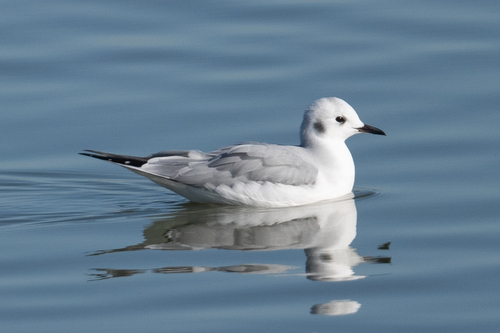 Bonapartemöwe
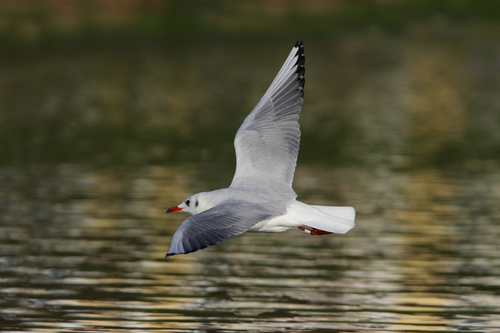 Lachmöwe
Kurz gesagt
Der zuverlässigste Weg, die Bonapartemöwe von der Lachmöwe zu unterscheiden, ist das Muster der Unterflügel im Flug: Die Bonapartemöwe zeigt einen auffällig weißen Unterflügel, während die Lachmöwe eine dunklere Unterseite der Primärfedern hat. Juvenile und erste Wintervögel beider Arten können besonders verwirrend sein, aber die Bonapartemöwe ist immer kleiner, mit einem schlankeren, dunkleren Schnabel und rosafarbenen Beinen. Strukturelle Unterschiede – die Bonapartemöwe ist insgesamt zierlicher – sind in allen Altersstufen nützlich. Die Beinfarbe, die Schnabelform und das Ausmaß der Haube im Brutkleid helfen ebenfalls, aber konzentrieren Sie sich auf das Flügelmuster und die Größe für die konsistenteste Feldtrennung.
Bestimmungstipps
- Unterflügel im Flug (alle Altersstufen): Die Bonapartemöwe hat einen hellweißen Unterflügel, während die Lachmöwe eine dunkle Unterseite der Primärfedern zeigt. Dies ist das einzige zuverlässige Feldmerkmal, insbesondere bei fliegenden Vögeln.
- Größe und Struktur: Die Bonapartemöwe ist kleiner, zierlicher, mit einem kleineren Kopf und Schnabel. Die Lachmöwe ist deutlich größer und schwerer, mit einem breiteren, stämmigeren Schnabel. Vergleichen Sie direkt in gemischten Schwärmen, wenn möglich.
- Schnabelfarbe und -form: Der Schnabel der Bonapartemöwe ist dünn, kurz und schwarz; der der Lachmöwe ist länger, dicker und rot. Dies ist aus nächster Nähe oder mit guter Optik sichtbar.
- Beinfarbe: Die Beine der Bonapartemöwe sind im Winter rötlich-rosa, im Sommer orange-rot. Die Beine der Lachmöwe sind ein helleres Rot, aber dies kann variabel sein und von der Beleuchtung beeinflusst werden.
- Farbe des Hinterhalses: Die Bonapartemöwe hat einen hellgrauen Hinterhals, der besonders im Nichtbrutkleid auffällt. Der Hals der Lachmöwe bleibt weiß.
- Farbe der Bruthaube: Die Haube der Bonapartemöwe ist schiefer-schwarz (nicht schokoladenbraun), und die der Lachmöwe ist schokoladenbraun (wirkt aus der Ferne schwarz). Dies ist bei gutem Licht am besten zu sehen.
- Muster des Kopfes im Nichtbrutkleid: Beide verlieren die Haube, aber die Bonapartemöwe hat einen helleren Kopf mit einem hellgrauen Nacken, während die Lachmöwe zwei dunkle Flecken hinter dem Auge behält.
- Juvenile/erste Winteroberflügel: Beide haben einen braunen Handgelenksstreifen und einen schwarzen Schwanzband, aber die Bonapartemöwe ist allgemein heller oben und unten, und der Unterflügel ist immer weißer.
- Vögel im zweiten Jahr: Achten Sie auf anhaltende braune Flecken an den Flügeln und der Schwanzspitze – häufiger und umfangreicher bei der Lachmöwe.
- Flugstil: Die Bonapartemöwe ist luftiger und ternsartig, mit schnelleren Flügelschlägen; die Lachmöwe ist stabiler und weniger agil.
- Habitatkontext: In Nordamerika ist eine kleine, haubenlose Möwe eher die Bonapartemöwe; in Europa ist die Lachmöwe viel häufiger. Beide können jedoch als Irrgäste im Lebensraum des anderen auftreten.
- Farbe der nackten Teile bei Jungvögeln: Die Jungvögel beider Arten haben stumpfere nackte Teile, aber der Schnabel der Bonapartemöwe bleibt dunkel, während der der Lachmöwe im Alter rötliche Töne zeigen kann.
- Federverschleiß: Die ersten Sommervögel der Bonapartemöwe sind aufgrund von Federverschleiß und Verblassen heller, während die Lachmöwe möglicherweise gefleckter aussieht.
- Geschlechtsunterschiede: Beide Arten sind zwischen den Geschlechtern im Gefieder ähnlich; Größenunterschiede sind subtil und nicht zuverlässig für die Feldidentifikation.
- Fallen: Verlassen Sie sich nicht ausschließlich auf die Farbe der Haube bei schwachem Licht oder aus der Ferne; überprüfen Sie immer das Muster und die Struktur des Unterflügels, wenn möglich.
Größe
Die Bonapartemöwe ist deutlich kleiner und leichter als die Lachmöwe. Die Bonapartemöwe misst 28–38 cm in der Länge mit einer Flügelspannweite von 76–84 cm, während die Lachmöwe größer ist und 34–39 cm lang ist mit einer Flügelspannweite von 100–110 cm. Die Lachmöwe ist auch schwerer, mit einem Durchschnitt von etwa 280,5 g (mit einem breiten Bereich von bis zu 400 g), im Vergleich zu 180–225 g bei der Bonapartemöwe. In gemischten Schwärmen erscheint die Bonapartemöwe zierlicher, mit einem kleineren Kopf und Schnabel.
Gefieder
- Juvenile/Erste Winter (am wahrscheinlichsten zu verwechseln): Beide Arten haben einen braunen Streifen über dem Vorderflügel und schwärzliche Spitzen der Sekundärfedern, aber die Bonapartemöwe ist als Juvenil auf dem Rücken mehr schuppig braun und hat auf dem Kopf fleckig braun, während die Juvenilen der Lachmöwe insgesamt gefleckter sind. Beide behalten einen braunen Handgelenksstreifen und einen schwarzen Schwanzband im ersten Wintergefieder. Im Flug ist jedoch der Unterflügel der Bonapartemöwe viel weißer und fehlt die dunkle Unterseite der Primärfedern, die für die Lachmöwe in allen Altersstufen diagnostisch ist.
- Erwachsene (Brut): Beide Arten entwickeln eine dunkle Haube, aber die Bonapartemöwe ist schiefer-schwarz und die Lachmöwe ist schokoladenbraun (wirkt oft aus der Ferne schwarz). Die Bonapartemöwe hat einen hellgrauen Hinterhals, während der Hals der Lachmöwe weiß ist. Schnabel- und Beinfarbe unterscheiden sich: Der Schnabel der Bonapartemöwe ist dünn und schwarz, die Beine sind rötlich-rosa bis orange-rot; der Schnabel und die Beine der Lachmöwe sind rot.
- Erwachsene (Nichtbrut): Beide verlieren die Haube, aber die Bonapartemöwe hat einen helleren Kopf mit einem hellgrauen Nacken, während die Lachmöwe nur zwei dunkle Flecken hinter dem Auge zeigt.
- Junge Vögel (zweites Jahr): Beide nähern sich dem Erwachsenen-Gefieder, aber anhaltende braune Flecken an den Flügeln und der Schwanzspitze sind häufiger bei der Lachmöwe. Die Bonapartemöwe kann einige braune Flecken am Vorderflügel und an den Schwanzspitzen behalten, aber normalerweise weniger umfangreich.
- In allen Gefiedern: Der Oberflügel der Bonapartemöwe ist heller, und das Grau des Rückens erstreckt sich bis zum Hinterhals, im Gegensatz zur Lachmöwe.
Verhalten
Beide Arten sind gesellig und werden oft in Schwärmen gesehen, insbesondere außerhalb der Brutzeit. Die Bonapartemöwe ist zierlicher und ternsartig im Flug, mit schnelleren, luftigen Flügelschlägen. Die Lachmöwe ist massiger und weniger agil, mit einem direkteren Flug. Am Boden kann die Lachmöwe ein Kopf-nickendes Gehen zeigen, aber dies ist kein zuverlässiges Trennungsmerkmal.
Lebensraum
Die Bonapartemöwe ist hauptsächlich in Nordamerika im Norden zu finden, während die Lachmöwe in Europa und Asien weit verbreitet ist, mit kleinen Zahlen in Ostkanada. Beide Arten sind regelmäßige Winterbesucher innerhalb der Lebensräume des jeweils anderen, insbesondere entlang von Küsten und großen Binnengewässern. Die Lachmöwe ist in großen Schilfgebieten, Sümpfen und städtischen Lebensräumen in Europa wahrscheinlicher, während die Bonapartemöwe eher in nördlicheren, weniger urbanisierten Gebieten in Nordamerika bevorzugt.