

Motmot

ブライスサンコウチョウ 対 カワリサンコウチョウ

Terpsiphone affinis 対 Terpsiphone paradisi

ブライスサンコウチョウとカワリサンコウチョウのクイズ
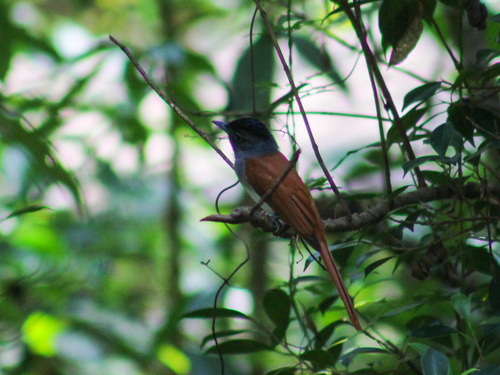
ブライスサンコウチョウ (Terpsiphone affinis) ブライスサンコウチョウ
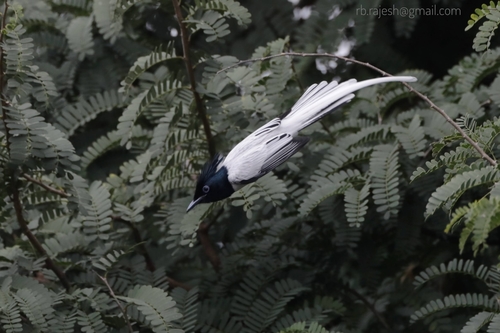
カワリサンコウチョウ (Terpsiphone paradisi) カワリサンコウチョウ

メディア

読み込み中…

要点

ブライスサンコウチョウとカワリサンコウチョウの最も信頼できるフィールドマークは、冠羽の形とサイズです:ブライスは短く丸い冠羽を持ち、カワリは長く尖っています。赤褐色の形態では、ブライスは淡い赤褐色の尾羽と、腹部が灰色に徐々に変わるのに対し、カワリは白い尾羽と喉と腹部の間に鋭いコントラストがあります。両種とも二形性のオス(赤褐色または白)を持ち、繁殖期のオスには長い尾羽があり、青いアイリングがありますが、頭の形、尾の模様、腹部のコントラストの微妙な違いが重要です。雌と幼鳥は特に難しいですが、冠羽の形と尾羽の色に注意を払うことで助けになります。幼鳥の飛行姿勢はどちらの種についても詳細には記述されていないため、止まっている鳥の方が分けやすいです。

識別のコツ

  1. Crest shape is key: ブライスは短く丸い冠羽を持ち、カワリは長く尖っています。これはすべての年齢と性別の止まっている鳥で見ることができます。
  2. Undertail color in rufous morphs: ブライスは淡い赤褐色の尾羽を示し、カワリは白です。これは特に成鳥のオスと雌に役立ちます。
  3. Underpart contrast: ブライスの赤褐色の形態は、腹部が灰色に徐々に移行し、鋭い境界線がありません;カワリは灰色の喉と他の腹部との間に鋭いコントラストがあります。
  4. Eye-ring and head color in females/immatures: ブライスの雌と若いオスは、カワリに比べて鮮やかさが少ない青いアイリングとやや淡い頭を持っています;カワリはより明確な青いアイリングと暗い頭を持っています。
  5. Tail streamer length: 両種の成鳥のオスは長い中央の尾羽を持っていますが、カワリは最大30 cmに達することがあり、時にはブライスよりも長くなります。しかし、これは変動があり、常に信頼できるわけではありません。
  6. Shaft streaks in white morphs: ブライスの白い形態は、翼と中央の尾羽の軸に暗い筋模様を示します;カワリの白い形態は黒い軸の筋模様を持ち、時には翼と尾に黒い縁があります。
  7. Females' underparts: カワリの雌は上面が赤褐色で、灰色の喉と腹部、白い尾羽を持っています;ブライスの雌は似ていますが、頭が淡く、赤褐色の尾羽を持っています。
  8. Young males: カワリの若いオスは雌に似ていますが、黒い喉と青いアイリングを持っています;ブライスの若いオスは雌に似ており、頭が淡く、アイリングがあまり鮮やかではありません。
  9. Flight views: どちらの種についても特徴的な幼鳥や未成熟の上翼模様は記述されていないため、飛行中の識別は難しく、止まっている鳥に焦点を当てるのが最良の結果を得るための方法です。
  10. Habitat context: ブライスは常緑広葉樹林やプランテーションにいる可能性が高く、カワリはインド亜大陸のさまざまな森林生息地に広く分布しています。
  11. Voice: ブライスは「wiwiwiwiwiwiwi」という響きのある声と鼻にかかった「ji-jeh」という呼び声を出します;カワリの声はここでは記述されていないため、識別には頼らないでください。
  12. Intermediate/intergrade birds: カワリサンコウチョウは、特にインド地域で赤褐色と白の間の中間的な羽毛を示すことがあります;これらは混乱を招く可能性があり、冠羽と尾羽に注意を払わないとブライスから安全に分けることはできません。
  13. Seasonal variation: 両種は似たような季節変化を示し、オスは繁殖状態で長い尾羽を獲得します。若い鳥の両種は短い尾で赤褐色です。
  14. Geographic overlap: 両種が生息する場所では、特に雌や非繁殖のオスに対して、冠羽の形と尾羽の色の組み合わせを使用して最良の識別を行います。
  15. When in doubt: 冠羽が見えず、尾羽の色があいまいな場合、特に幼鳥や雌に対して、フィールドでの種の識別は不可能な場合があります。

大きさ

両種は全体的なサイズと比率が似ており、中型のサンコウチョウです。カワリサンコウチョウの成鳥は体長19〜22 cmとされ、成鳥のオスの尾羽は最大30 cmに達します。ブライスサンコウチョウはメモに正確な測定が記載されていませんが、属として典型的とされています。フィールドで使用するための強いサイズの違いはありません。

羽色

行動

両種は活発なサンコウチョウであり、中層から上層の樹冠で昆虫を捕まえます。カワリサンコウチョウは空中で獲物を捕まえることで知られ、時には食べる前に岩で叩くことがあります。フィールドで診断的なユニークな行動の違いは記述されていません。

生息環境

ブライスサンコウチョウは常緑広葉樹林、森林の縁、二次成長、庭、プランテーションに生息し、主に低地と山麓に見られます。カワリサンコウチョウはインド亜大陸および隣接地域に自生し、さまざまな森林生息地に広く分布し、しばしば密な樹冠の下に生息します。生息地にはいくつかの重複がありますが、ブライスは常緑林やプランテーションにより関連しており、カワリは亜大陸全体に広く分布しています。

声

ブライスサンコウチョウは「wiwiwiwiwiwiwi」という響きのある音と鼻にかかった「ji-jeh」という呼び声を持っています。カワリサンコウチョウについては特定の声はメモに記載されていないため、現在の情報に基づいて声は信頼できる識別要因ではありません。

より良い説明を送る

比較と同じ項目を使ってください。文章はすぐに公開されます。

The most reliable field mark between Blyth's Paradise-Flycatcher and Indian Paradise-Flycatcher is the shape and size of the crest: Blyth's has a short, rounded crest, while Indian's is longer and more pointed. For rufous morphs, Blyth's shows a pale rufous undertail and a gradual fade to grey on the underparts, whereas Indian has a white undertail and a sharper contrast between throat and belly. Both species have dimorphic males (rufous or white), long tail streamers in breeding males, and blue eye-rings, but subtle differences in head shape, tail pattern, and underpart contrast are key. Females and immatures are especially tricky, but careful attention to crest shape and undertail color can help. Flight views of juveniles are not described in detail for either species, so perched birds are easier to separate.

  1. Crest shape is key: Blyth's has a short, rounded crest; Indian's is longer and pointed. This is visible on perched birds of all ages and sexes.
  2. Undertail color in rufous morphs: Blyth's shows a pale rufous undertail, while Indian's is white. This is especially useful for adult males and females.
  3. Underpart contrast: Blyth's rufous morphs have a gradual transition to grey on the underparts, lacking a sharp dividing line; Indian's have a sharper contrast between the greyish throat and the rest of the underparts.
  4. Eye-ring and head color in females/immatures: Blyth's females and young males have a less vibrant blue eye-ring and a slightly paler head compared to Indian's, which have a more distinct blue eye-ring and darker head.
  5. Tail streamer length: Both species' adult males have long central tail feathers, but Indian's can reach up to 30 cm, sometimes longer than Blyth's. However, this is variable and not always reliable.
  6. Shaft streaks in white morphs: Blyth's white morphs show dark streaks on the shafts of wings and central tail feathers; Indian's white morphs have black shaft streaks and sometimes black edges on wings and tail.
  7. Females' underparts: Indian's females are rufous above with a greyish throat and underparts and a white undertail; Blyth's females are similar but with a paler head and rufous undertail.
  8. Young males: Indian's young males look like females but have a black throat and blue eye-ring; Blyth's young males resemble females with a paler head and less vibrant eye-ring.
  9. Flight views: No distinctive juvenile or immature upperwing patterns are described for either species, so flight separation is difficult; focus on perched birds for best results.
  10. Habitat context: Blyth's is more likely in evergreen broadleaf forests and plantations, while Indian is widespread in the Indian subcontinent in various wooded habitats.
  11. Voice: Blyth's gives a ringing "wiwiwiwiwiwiwi" and nasal "ji-jeh" calls; Indian's voice is not described here, so do not rely on this for separation.
  12. Intermediate/intergrade birds: Indian Paradise-Flycatcher can show intermediate plumages between rufous and white, especially in the Indian region; these can be confusing and may not be safely separated from Blyth's without close attention to crest and undertail.
  13. Seasonal variation: Both species show similar seasonal changes, with males acquiring long tail streamers in breeding condition. Young birds of both species are short-tailed and rufous.
  14. Geographic overlap: Where both species occur, use a combination of crest shape and undertail color for best separation, especially in females and non-breeding males.
  15. When in doubt: If the crest is not visible and undertail color is ambiguous, identification may not be possible to species in the field, especially for immatures and females.

Both species are similar in overall size and proportions, being medium-sized paradise-flycatchers. Indian Paradise-Flycatcher adults are listed as 19–22 cm in body length, with tail streamers in adult males extending up to 30 cm. Blyth's Paradise-Flycatcher is not given a precise measurement in the notes, but is described as typical for the genus. There is no strong size difference to use in the field.

  • Juveniles/immatures: No specific upperwing or flight pattern differences are described for young birds in the notes. Both species' young males resemble females: rufous above, short-tailed, with Indian's young males showing a black throat and blue eye-ring, while Blyth's females and young males have a paler head and less vibrant eye-ring.
  • Adult males: Both can be rufous or white morphs. Blyth's rufous morphs have a pale rufous undertail and a gradual fade to grey on the underparts, lacking sharp contrast. Indian's rufous morphs have a white undertail and a more abrupt contrast between greyish throat and underparts. Blyth's white morphs show dark shaft streaks on wings and central tail feathers; Indian's white morphs have black shaft streaks and sometimes black edges on wings and tail.
  • Females: Both are rufous above with dark heads, but Blyth's has a paler head and less vibrant blue eye-ring. Indian's females have a greyish throat and underparts, and a white undertail.
  • Crest: Blyth's has a short, rounded crest; Indian's is longer and pointed.

Both species are active flycatchers, sallying for insects in the mid to upper canopy. Indian Paradise-Flycatcher is noted for capturing prey in the air, sometimes beating it on a rock before eating. No unique behavioral differences are described that are diagnostic in the field.

Blyth's Paradise-Flycatcher is found in evergreen broadleaf forests, forest edges, secondary growth, gardens, and plantations, mostly in lowlands and foothills. Indian Paradise-Flycatcher is native to the Indian subcontinent and adjacent regions, occurring in a wide range of wooded habitats, often below dense canopy. There is some overlap in habitat, but Blyth's is more associated with evergreen forests and plantations, while Indian is more widespread in the subcontinent.

Blyth's Paradise-Flycatcher has a ringing series of "wiwiwiwiwiwiwi" notes and a nasal "ji-jeh" call. No specific vocalizations are described for Indian Paradise-Flycatcher in the notes, so voice is not a reliable separator based on the current information.

変更を破棄しますか?

保存していない編集があります。今離れると失われます。

ブライスサンコウチョウ · カワリサンコウチョウ · 苦手な鳥