

Motmot

ワカバインコ 対 ワカナインコ

Neophema chrysostoma 対 Neophema elegans

ワカバインコとワカナインコのクイズ
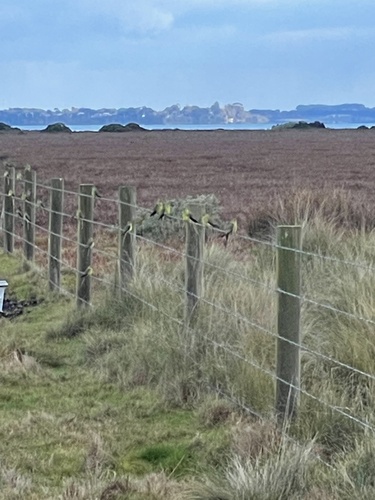
ワカバインコ (Neophema chrysostoma) ワカバインコ
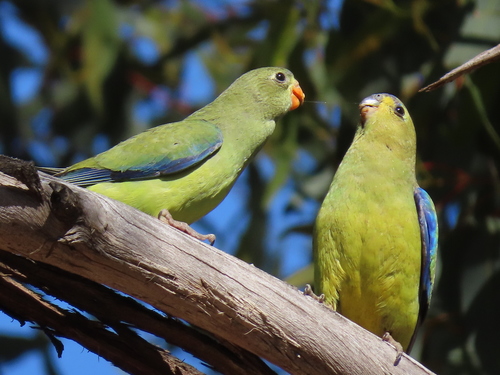
ワカナインコ (Neophema elegans) ワカナインコ

メディア

読み込み中…

要点

ブルーウィングパロットとエレガントパロットの最も信頼できるフィールドマークは、翼の青の量と強度、特に成鳥のオスにおける青い前帯の構造です。ブルーウィングパロットのオスは、くちばしの上に二色の青い帯を示し、翼の覆羽と下翼に非常に広範囲に深い青を持っていますが、エレガントパロットのオスは単一の青い前帯を持ち、主にオリーブ色の翼で、外側の飛行羽だけが濃い青です。両種の雌と幼鳥はより鈍い色合いですが、ブルーウィングパロットは依然として翼により多くの青を示し、エレガントパロットは腹部がより黄色く、全体的に青が少ないです。両種の幼鳥は前帯を欠いているため、翼の色が重要です。両者はサイズと形が似ているため、羽毛の詳細や、可能であれば生息地や範囲の文脈に焦点を当ててください。

識別のコツ

  1. 翼の青の量(すべての年齢): ブルーウィングパロットは、エレガントパロットよりも翼の覆羽と下翼の覆羽にずっと多くの青を示します。エレガントパロットは主にオリーブ色の翼で、外側の飛行羽だけが濃い青です。これは幼鳥と雌にとって最良のマークです。
  2. 前帯(成鳥のオス): ブルーウィングパロットのオスは二色の青い前帯(上はウルトラマリン、下は淡いターコイズ)を持っていますが、エレガントパロットのオスは単一の狭い濃い青の帯を持ち、下はより明るい青です。ブルーウィングの帯はより広く、より目立ちます。
  3. 前帯(雌): 両種の雌は、非常に減少したか鈍い前帯を持っていますが、ブルーウィングパロットの雌は微かで小さな帯を示すことがあります。エレガントパロットの雌の帯はさらに狭く、目立ちません。
  4. 幼鳥の識別: 両種の幼鳥は前帯を欠いているため、翼の青の量に頼る必要があります。ブルーウィングは翼にスレートブルーを持ち、エレガントは主にオリーブ色で、外側の飛行羽だけが濃い青です。
  5. 腹部の色: ブルーウィングパロットのオスは淡い緑の胸と黄色の腹部を持ち、エレガントパロットは黄色の腹部と肛門を持っていますが、他の下部はあまりはっきりした色ではありません。
  6. 尾の色: ブルーウィングパロットは青灰色の尾を持ち、エレガントパロットの尾はオリーブと青の色合いで黄色の縁があります。これは微妙ですが、良い光の中で役立つかもしれません。
  7. 冠の色: ブルーウィングパロットは黄色がかった冠を持ち、顔や前帯と対照的になることがあります。エレガントパロットの冠は明確に黄色がかっていません。
  8. くちばしと脚の色: 両種は灰色がかったくちばしと脚を持っているため、これでは識別には役立ちません。
  9. サイズと形: 両者はサイズと構造が非常に似ているため、全体的なサイズや形に頼って識別しないでください。
  10. 生息地と範囲: ブルーウィングパロットはタスマニアにのみ見られ、部分的に移動性があります。エレガントパロットは移動性がなく、南西オーストラリアと南オーストラリアの一部、西ビクトリアに見られます。タスマニアにいる場合はブルーウィングであり、WAの南西端にいる場合はエレガントです。
  11. 群れの文脈: 両種は混合ネオフェマの群れに出現することがあるため、各鳥を注意深く確認してください。
  12. 止まり木と飛行の視点: 飛行中は翼の青の量を探してください(ブルーウィングははるかに広範囲です)。止まっているときは、前帯と下部の色を確認してください。
  13. 性差: オスはより明るく、前帯で簡単に識別できます。雌と幼鳥は翼の色に注意を払う必要があります。
  14. 季節的な移動: ブルーウィングパロットはタスマニアには夏のみ存在する可能性があります。エレガントパロットはその範囲に常駐しています。
  15. 一般的な落とし穴: 全体的な緑/オリーブの色合いに頼らないでください。両者は似ているため、翼の青と前帯の構造に焦点を当てることで最良の識別が可能です。

大きさ

両種はサイズが非常に近いです:ブルーウィングパロットは20〜24 cmの長さで約55 g、エレガントパロットは約23 cmの長さです。フィールドでの全体的なサイズや構造に意味のある違いはなく、両者は似たようなスリムで長い尾のオウムの比率を持っています。くちばしと脚の色も似ています(灰色がかった)。

羽色

行動

両種は地面で餌を探すことが多く、開けた生息地で種を探しているのが見られます。ブルーウィングパロットはその地上での習性で知られ、タスマニアでは「ホバート地面のオウム」と呼ばれることもあります。両種は低い位置に止まっているか、地面で餌を食べているのが見られ、両者とも飼育に適応しやすいです。飛行スタイルと一般的な行動はフィールドで明確に異なるわけではありません。

生息環境

ブルーウィングパロットはタスマニアとオーストラリア本土の南東部に見られ、草原、サバンナの森林、湿地、農地などの開けた生息地によく生息しています。部分的に移動性があり、一部の個体群は夏にタスマニアに移動します。エレガントパロットは主に南西オーストラリアと南オーストラリアの南東部から西ビクトリアにかけて見られます。両種は開けた生息地を利用しますが、エレガントパロットは移動性がなく、タスマニアには存在しません。西ビクトリアと南東南オーストラリアでの重複は可能ですが、タスマニアではブルーウィングがはるかに多く、南西端ではエレガントが多いです。

より良い説明を送る

比較と同じ項目を使ってください。文章はすぐに公開されます。

The most reliable field mark between Blue-winged Parrot and Elegant Parrot is the amount and intensity of blue on the wings and the structure of the blue frontal band, especially in adult males. Blue-winged Parrot males show a two-toned blue band above the bill and much more extensive deep blue on the wing coverts and underwing, while Elegant Parrot males have a single blue frontal band and mostly olive wings with only the outer flight feathers dark blue. Females and juveniles of both species are duller, but Blue-winged Parrot still shows more blue in the wing, and Elegant Parrot has a yellower belly and less blue overall. Juveniles of both species lack the frontal band, so wing color is critical. Both are similar in size and shape, so focus on plumage details and, if possible, the context of range and habitat.

  1. Amount of blue on the wing (all ages): Blue-winged Parrot shows much more blue in the wing coverts and underwing coverts than Elegant Parrot, which is mostly olive-winged with only the outer flight feathers dark blue. This is the best mark for juveniles and females.
  2. Frontal band (adult males): Blue-winged Parrot males have a two-toned blue frontal band (ultramarine above, paler turquoise below), while Elegant Parrot males have a single, narrower dark blue band with lighter blue below. The Blue-winged's band is broader and more striking.
  3. Frontal band (females): Both species' females have a much reduced or duller frontal band, but Blue-winged Parrot females may show a faint, smaller band; Elegant Parrot females' band is even narrower and less obvious.
  4. Juvenile separation: Juveniles of both species lack the frontal band, so rely on the amount of blue in the wing—Blue-winged has slate-blue in the wings, Elegant is mostly olive with only the outer flight feathers dark blue.
  5. Underparts color: Blue-winged Parrot males have a pale green breast and yellow belly; Elegant Parrot has a yellow belly and vent, but the rest of the underparts are less distinctly colored.
  6. Tail color: Blue-winged Parrot has a blue-grey tail; Elegant Parrot's tail is yellow-edged with olive and blue shades. This can be subtle but may help in good light.
  7. Crown color: Blue-winged Parrot has a yellowish crown, which can contrast with the face and frontal band; Elegant Parrot's crown is not distinctly yellowish.
  8. Bill and leg color: Both species have greyish bills and legs, so this is not useful for separation.
  9. Size and shape: Both are very similar in size and structure; do not rely on overall size or shape for separation.
  10. Habitat and range: Blue-winged Parrot is the only one found in Tasmania and is partly migratory; Elegant Parrot is not migratory and is found in southwestern Australia and parts of South Australia and western Victoria. If in Tasmania, it is Blue-winged; if in far southwest WA, it is Elegant.
  11. Context of flock: Both species can occur in mixed Neophema flocks, so check each bird carefully.
  12. Perched vs. flight views: In flight, look for the amount of blue in the wing (Blue-winged much more extensive); perched, check for the frontal band and underpart colors.
  13. Sexual dimorphism: Males are brighter and easier to separate by frontal band; females and juveniles require careful attention to wing color.
  14. Seasonal movement: Blue-winged Parrot may be present in Tasmania only in summer; Elegant Parrot is resident in its range.
  15. Common pitfalls: Do not rely on overall green/olive coloration, as both are similar; focus on blue in the wing and the structure of the frontal band for the best separation.

Both species are very close in size: Blue-winged Parrot is 20–24 cm long and about 55 g, while Elegant Parrot is about 23 cm long. There is no meaningful difference in overall size or structure in the field, and both have similar slim, long-tailed parrot proportions. Bill and leg color are also similar (greyish).

  • Juveniles/immatures: Both species' juveniles are dull olive-green and lack the blue frontal band, but Blue-winged Parrot juveniles have slate-blue in the wings, while Elegant Parrot juveniles have less blue, with wings remaining mostly olive except for the outer flight feathers. This makes the amount of blue in the wing the key mark for young birds.

  • Adult males: Blue-winged Parrot males have a two-toned blue frontal band (ultramarine above, paler turquoise below) that does not reach the eyes, deep blue wing coverts and underwing coverts, a yellowish crown, pale green breast, and yellow belly. Elegant Parrot males have a single dark blue frontal band with lighter blue below, but it is narrower and less striking, and the wings are mostly olive with only the outer flight feathers dark blue; the belly and vent are yellow, but the rest of the underparts are less distinctly colored than Blue-winged.

  • Adult females: Both are duller than males. Blue-winged Parrot females have less blue on the wings and a smaller, less distinctive frontal band, with more green on the wings and a wingbar. Elegant Parrot females are overall duller olive and have a narrower blue frontal band; their wings are mostly olive with little blue except at the edges.

  • Tail: Blue-winged Parrot has a blue-grey tail, while Elegant Parrot's tail is yellow-edged with olive and blue shades.

Both species are ground feeders, often seen foraging for seeds in open habitats. Blue-winged Parrot is noted for its terrestrial habits, sometimes called the 'Hobart ground parrot' in Tasmania. Both species can be seen perched low or feeding on the ground, and both adapt readily to captivity. Flight style and general behavior are not distinctly different in the field.

Blue-winged Parrot is found in Tasmania and southeast mainland Australia, often in open habitats like grasslands, savannah woodland, marshes, and farmlands. It is partly migratory, with some populations moving to Tasmania for the summer. Elegant Parrot is found in two main regions: southwestern Australia and southeastern South Australia into western Victoria. Both species use open habitats, but Elegant Parrot is not migratory and is absent from Tasmania. Overlap is possible in western Victoria and southeastern South Australia, but Blue-winged is much more likely in Tasmania and Elegant in the far southwest.

変更を破棄しますか?

保存していない編集があります。今離れると失われます。

ワカバインコ · ワカナインコ · 苦手な鳥