

Motmot

ルリゴシインコ 対 Simeulue Parrot

Psittinus cyanurus 対 Psittinus abbotti

ルリゴシインコとSimeulue Parrotのクイズ
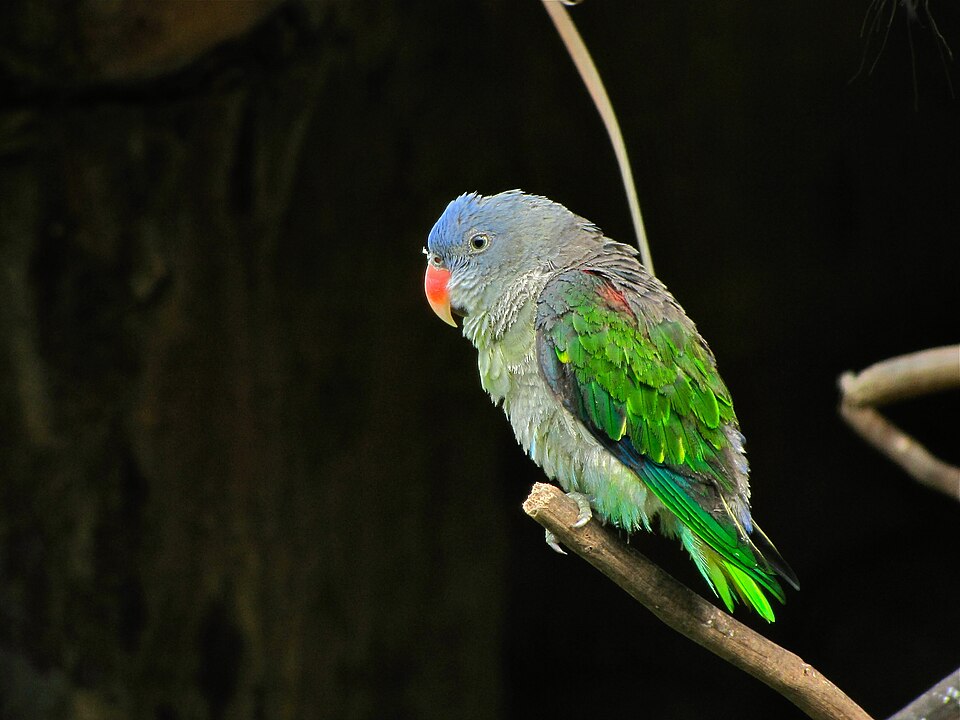
ルリゴシインコ (Psittinus cyanurus) ルリゴシインコ
Simeulue Parrot (Psittinus abbotti) Simeulue Parrot

メディア

読み込み中…

要点

ルリゴシインコとSimeulue Parrotを区別する最も信頼できるフィールドマークは、成鳥のオスのルリゴシインコに見られる青い尾と黒いマントルの存在であり、これらはSimeulueには存在しません。メスのルリゴシインコは灰褐色の頭を持ち、メスのSimeulue Parrotは緑色の頭を持っています。両種は小型でずんぐりした緑色のインコですが、Simeulue Parrotはわずかに大きく、ルリゴシインコの青い尾と灰色のマントルが欠けています。これらの違いは、止まっている鳥や上面の良好な飛行ビューで最も明確に見られます;翼の下や一般的な緑色の色合いは似ており、診断には役立ちません。未熟な鳥や遠くの鳥には注意が必要で、彼らの緑色の羽毛と構造は非常に似ています。

識別のコツ

  1. 青い尾(成鳥のオスのルリゴシインコのみ): 成鳥のオスのルリゴシインコの尾に明確な青い斑点を探してください;Simeulue Parrotはこの特徴を示しません。
  2. 黒いマントル(成鳥のオスのルリゴシインコのみ): 成鳥のオスのルリゴシインコは黒いマントル(上背)を持ち、Simeulue Parrotにはありません。
  3. オスの頭の色: ルリゴシインコのオスは青い頭を持ち、Simeulueのオスは青い顔を持っていますが、緑色の冠と尾には青がありません。
  4. メスの頭の色: メスのルリゴシインコは灰褐色の頭を持ち、メスのSimeulue Parrotは緑色の頭を持っています。これはメスを区別するための重要なマークです。
  5. すべての羽色における尾の色: ルリゴシインコ(特にオス)は青い尾を示し、Simeulue Parrotは常に緑色の尾を持っています。
  6. サイズ: Simeulue Parrotはわずかに大きい(19 cm対18 cm)ですが、これは微妙で、鳥が並んでいない限り信頼できません。
  7. 赤い翼の下の覆羽と赤みがかった肩の斑点: 両種はこれらの特徴を示します;区別には役立ちません。
  8. 翼の覆羽の黄味がかった縁: ルリゴシインコに存在しますが、Simeulue Parrotには特に言及されていません;微妙で、常に見えるわけではありません。
  9. くちばしの色(成鳥のオスのルリゴシインコ): 成鳥のオスのルリゴシインコの赤い上顎;Simeulue Parrotのくちばしの色は記述されていないため、注意して使用してください。
  10. 地理的位置: あなたがSimeulueまたはLasia島にいない場合、ほぼ確実にルリゴシインコを見ています。これらの島では、Simeulue Parrotを期待してください。
  11. 性差: 両種は性差があり、特に頭と尾の色が最良の手がかりです。
  12. 知られている飛行/翼のパターンの違いはない: 両種は飛行において似ており、上翼または下翼のパターンにおける違いは記述されていません。
  13. 未熟な鳥: 明確な情報はありません;注意して使用してください、未熟な鳥は強い頭や尾の色が欠けているかもしれません。
  14. 生息地の重複: スマトラと近隣の島々でのみ問題です;それ以外では、範囲が診断的です。
  15. 緑色の色合いや赤い翼の下に頼らないでください: これらは両種に共通しており、区別には役立ちません。

大きさ

Simeulue Parrotはルリゴシインコ(約18 cm)よりわずかに大きい(約19 cm)[wikipedia]。両方とも短い尾を持ち、ずんぐりしているため、サイズだけでは微妙で、特に直接比較がない場合はフィールドで信頼できません。より正確な区別のための質量データは利用できません。

羽色

どちらの種にも年齢特有の上翼や飛行マークは記述されていないため、区別は特に成鳥における頭と尾の色合いに依存します。

行動

これらの種間に行動の違いは記述されていません。両方とも構造と動きにおいて典型的な小型インコであり、両方とも似た姿勢や飛行スタイルで見られる可能性が高いです。

生息環境

ルリゴシインコはミャンマーの南端、タイ半島、マレーシア、ボルネオ、スマトラ、近隣の島々に分布しているのに対し、Simeulue Parrotはスマトラの沖にある二つの小さな島に限定されています。あなたがSimeulueまたはLasia島にいない場合、ほぼ確実にルリゴシインコを見ています。しかし、重複ゾーン(スマトラ地域)内では、範囲が識別において重要です。

より良い説明を送る

比較と同じ項目を使ってください。文章はすぐに公開されます。

The most reliable field mark to separate Blue-rumped Parrot from Simeulue Parrot is the presence of a blue rump and black mantle in adult male Blue-rumped, which are both absent in Simeulue. Female Blue-rumped Parrots have a grey-brown head, while female Simeulue Parrots have a green head. Both species are small, stocky green parrots, but Simeulue Parrot is slightly larger and lacks the blue rump and grey mantle of Blue-rumped. These differences are most visible in perched birds or in good flight views of the upperparts; underwing and general green coloration are similar and not diagnostic. Be cautious with immature or distant birds, as their green plumage and structure are very similar.

  1. Blue rump (adult male Blue-rumped only): Look for a distinct blue patch on the rump in adult male Blue-rumped Parrots; Simeulue Parrot never shows this feature.
  2. Black mantle (adult male Blue-rumped only): Adult male Blue-rumped has a black mantle (upper back), which is absent in Simeulue Parrot.
  3. Head color in males: Blue-rumped males have a blue head, while Simeulue males have a blue face but a green crown and no blue on the rump.
  4. Head color in females: Female Blue-rumped Parrots have a grey-brown head, whereas female Simeulue Parrots have a green head. This is a key mark for separating females.
  5. Rump color in all plumages: Blue-rumped Parrot (especially males) shows a blue rump; Simeulue Parrot always has a green rump.
  6. Size: Simeulue Parrot is slightly larger (19 cm vs 18 cm), but this is subtle and unreliable unless birds are side by side.
  7. Red underwing coverts and reddish shoulder patch: Both species show these features; they do not help with separation.
  8. Yellowish margins to wing coverts: Present in Blue-rumped Parrot, but not specifically mentioned for Simeulue Parrot; may be subtle and not always visible.
  9. Bill color (adult male Blue-rumped): Red upper mandible in adult male Blue-rumped Parrot; bill color for Simeulue Parrot is not described, so use with caution.
  10. Geographic location: If you are not on Simeulue or Lasia islands, you are almost certainly seeing Blue-rumped Parrot. On those islands, expect Simeulue Parrot.
  11. Sexual dimorphism: Both species are sexually dimorphic, but the specific head and rump colors are the best clues.
  12. No known flight/wing pattern differences: Both species are similar in flight, with no described differences in upperwing or underwing pattern.
  13. Immature birds: No clear information; use caution, as immature birds may lack strong head or rump coloration.
  14. Habitat overlap: Only an issue on Sumatra and nearby islands; otherwise, range is diagnostic.
  15. Do not rely on green coloration or red underwing: These are shared by both species and not useful for separation.

Simeulue Parrot is slightly larger (about 19 cm) than Blue-rumped Parrot (about 18 cm) [wikipedia]. Both are short-tailed and stocky, so size alone is subtle and not always reliable in the field, especially without direct comparison. No mass data are available for a more precise separation.

There are no age-specific upperwing or flight marks described for either species, so separation relies on head and rump coloration, especially in adults.

  • Adult males: Blue-rumped Parrot has a blue head and rump, a black mantle (upper back), and a red upper mandible. Simeulue Parrot males have a blue face with a green crown, a black collar, and crucially lack the blue rump and black mantle.
  • Adult females: Blue-rumped Parrot females have a grey-brown head, while Simeulue Parrot females have a green head. Both sexes in both species are otherwise bright green with red underwing coverts and a reddish shoulder patch, but these are not useful for separating the two.
  • Juveniles/immatures: No specific information is available for immature or juvenile plumages, so assume they resemble duller versions of adults, making separation very challenging without clear head or rump views.

No behavioral differences are described between these species. Both are typical small parrots in structure and movement, and both are likely to be seen in similar postures and flight styles.

Blue-rumped Parrot is found across the southern tip of Myanmar, peninsular Thailand, Malaysia, Borneo, Sumatra, and nearby islands, while Simeulue Parrot is restricted to two small islands off Sumatra. If you are not on Simeulue or Lasia islands, you are almost certainly seeing Blue-rumped Parrot. However, within the overlap zone (Sumatra region), range is critical for identification.

変更を破棄しますか?

保存していない編集があります。今離れると失われます。

ルリゴシインコ · Simeulue Parrot · 苦手な鳥