

Blue-rumped Parrot vs Simeulue Parrot
Psittinus cyanurus contro Psittinus abbotti
Fai un quiz con Blue-rumped Parrot e Simeulue Parrot
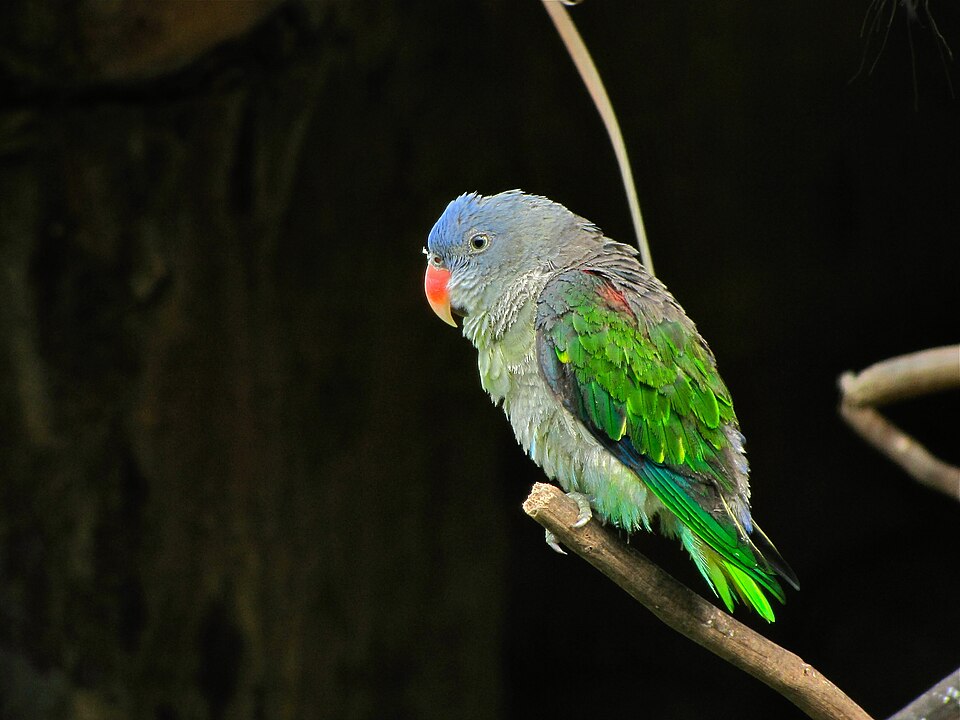 Blue-rumped Parrot
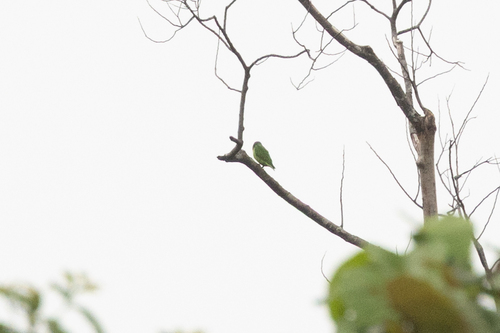 Simeulue Parrot
In breve
Il segno di campo più affidabile per separare il Blue-rumped Parrot dal Simeulue Parrot è la presenza di un groppone blu e di un mantello nero nei maschi adulti di Blue-rumped, che sono entrambi assenti nel Simeulue. Le femmine di Blue-rumped Parrot hanno una testa grigio-marrone, mentre le femmine di Simeulue Parrot hanno una testa verde. Entrambe le specie sono pappagalli verdi piccoli e robusti, ma il Simeulue Parrot è leggermente più grande e manca del groppone blu e del mantello grigio del Blue-rumped. Queste differenze sono più visibili negli uccelli posati o in buone viste in volo delle parti superiori; le colorazioni delle ali inferiori e la colorazione verde generale sono simili e non diagnostiche. Fai attenzione con gli uccelli immaturi o distanti, poiché il loro piumaggio verde e la struttura sono molto simili.
Consigli di identificazione
- Groppone blu (solo maschio adulto Blue-rumped): Cerca una macchia blu distintiva sul groppone nei maschi adulti di Blue-rumped Parrots; il Simeulue Parrot non mostra mai questa caratteristica.
- Mantello nero (solo maschio adulto Blue-rumped): Il maschio adulto di Blue-rumped ha un mantello nero (parte superiore della schiena), che è assente nel Simeulue Parrot.
- Colore della testa nei maschi: I maschi di Blue-rumped hanno una testa blu, mentre i maschi di Simeulue hanno un volto blu ma una corona verde e nessun blu sul groppone.
- Colore della testa nelle femmine: Le femmine di Blue-rumped Parrots hanno una testa grigio-marrone, mentre le femmine di Simeulue Parrots hanno una testa verde. Questo è un segno chiave per separare le femmine.
- Colore del groppone in tutti i piumaggi: Il Blue-rumped Parrot (soprattutto i maschi) mostra un groppone blu; il Simeulue Parrot ha sempre un groppone verde.
- Dimensioni: Il Simeulue Parrot è leggermente più grande (19 cm contro 18 cm), ma questo è sottile e inaffidabile a meno che gli uccelli non siano affiancati.
- Copritrici rosse delle ali inferiori e macchia spalla rossastra: Entrambe le specie mostrano queste caratteristiche; non aiutano nella separazione.
- Margini giallastri delle copritrici delle ali: Presenti nel Blue-rumped Parrot, ma non specificamente menzionati per il Simeulue Parrot; possono essere sottili e non sempre visibili.
- Colore del becco (maschio adulto Blue-rumped): Mandibola superiore rossa nel maschio adulto di Blue-rumped Parrot; il colore del becco per il Simeulue Parrot non è descritto, quindi usalo con cautela.
- Posizione geografica: Se non sei sulle isole Simeulue o Lasia, stai quasi certamente vedendo il Blue-rumped Parrot. Su quelle isole, aspettati il Simeulue Parrot.
- Dimorfismo sessuale: Entrambe le specie sono sessualmente dimorfiche, ma i colori specifici della testa e del groppone sono i migliori indizi.
- Nessuna differenza nota nei modelli di volo/ala: Entrambe le specie sono simili nel volo, senza differenze descritte nel modello delle ali superiori o inferiori.
- Uccelli immaturi: Nessuna informazione chiara; fai attenzione, poiché gli uccelli immaturi possono mancare di una forte colorazione della testa o del groppone.
- Sovrapposizione dell'habitat: Solo un problema su Sumatra e nelle isole vicine; altrimenti, l'areale è diagnostico.
- Non fare affidamento sulla colorazione verde o sulle ali inferiori rosse: Queste sono condivise da entrambe le specie e non utili per la separazione.
Taglia
Il Simeulue Parrot è leggermente più grande (circa 19 cm) del Blue-rumped Parrot (circa 18 cm) [wikipedia]. Entrambi sono a coda corta e robusti, quindi la dimensione da sola è sottile e non sempre affidabile sul campo, specialmente senza un confronto diretto. Non sono disponibili dati di massa per una separazione più precisa.
Piumaggio
Non ci sono segni specifici di volo o di ala descritti per nessuna delle due specie, quindi la separazione si basa sulla colorazione della testa e del groppone, specialmente negli adulti.
- Maschi adulti: Il Blue-rumped Parrot ha una testa e un groppone blu, un mantello nero (parte superiore della schiena) e una mandibola superiore rossa. I maschi di Simeulue Parrot hanno un volto blu con una corona verde, un collare nero e mancano crucialmente del groppone blu e del mantello nero.
- Femmine adulte: Le femmine di Blue-rumped Parrot hanno una testa grigio-marrone, mentre le femmine di Simeulue Parrot hanno una testa verde. Entrambi i sessi in entrambe le specie sono altrimenti verdi brillanti con copritrici rosse delle ali inferiori e una macchia spalla rossastra, ma queste non sono utili per separare i due.
- Giovanili/immaturi: Non sono disponibili informazioni specifiche per i piumaggi immaturi o giovanili, quindi si presume che assomiglino a versioni più opache degli adulti, rendendo la separazione molto difficile senza chiare viste della testa o del groppone.
Comportamento
Non sono descritte differenze comportamentali tra queste specie. Entrambi sono tipici piccoli pappagalli nella struttura e nel movimento, e entrambi sono probabilmente visti in posture e stili di volo simili.
Habitat
Il Blue-rumped Parrot si trova in tutta la punta meridionale del Myanmar, nella Thailandia peninsulare, in Malesia, Borneo, Sumatra e nelle isole vicine, mentre il Simeulue Parrot è ristretto a due piccole isole al largo di Sumatra. Se non sei sulle isole Simeulue o Lasia, stai quasi certamente vedendo il Blue-rumped Parrot. Tuttavia, all'interno della zona di sovrapposizione (regione di Sumatra), l'areale è critico per l'identificazione.
Blue-rumped Parrot · Simeulue Parrot · I miei uccelli difficili