

Motmot

フタスジモズモドキ 対 ハイイロフタスジモズモドキ

Vireo solitarius 対 Vireo plumbeus

フタスジモズモドキとハイイロフタスジモズモドキのクイズ
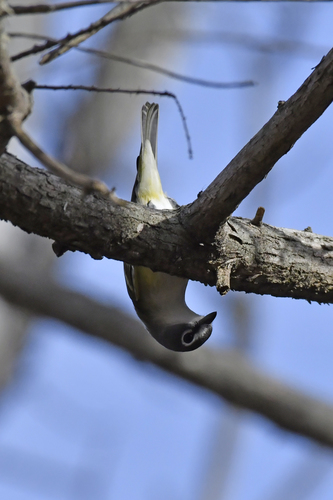
フタスジモズモドキ (Vireo solitarius) フタスジモズモドキ
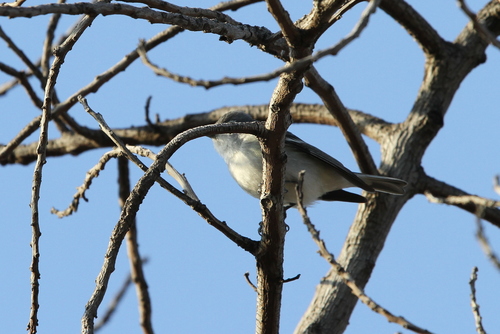
ハイイロフタスジモズモドキ (Vireo plumbeus) ハイイロフタスジモズモドキ

メディア

読み込み中…

要点

フタスジモズモドキとハイイロフタスジモズモドキの最も信頼できるフィールドマークは、頭の色と翼帯のトーンです:フタスジモズモドキは深い青灰色の冠と大胆な黄色の翼帯を示し、ハイイロフタスジモズモドキは中立的な灰色(時には青灰色)の冠と白い翼帯を持っています。両種は構造的に似ていますが、ハイイロフタスジモズモドキは一般的に全体的に鈍く灰色で、側面や翼帯の黄色が少ないです。幼鳥と成鳥の羽衣は各種内で似ているため、年齢に関連する違いは微妙であり、混乱の主要な原因ではありません。フィールドでの最も信頼できる区別のために、頭の色、翼帯の色、側面/黄色のトーンの組み合わせに注目してください。

識別のコツ

  1. 頭の色: フタスジモズモドキは深い青灰色の冠と後頭部を示し、鮮明で対照的な外観を与えます;ハイイロフタスジモズモドキの冠は中立的な灰色(時には一部の亜種で青灰色)で、鈍く、はっきりと定義されていないように見えます。これは良い光の中で最も信頼できるマークです。
  2. 翼帯: フタスジモズモドキは大胆な黄色の翼帯を持っていますが、ハイイロフタスジモズモドキの翼帯は白または白っぽいです。特に新しい羽衣では、翼帯の黄色のトーンを探してください。
  3. 側面の色: フタスジモズモドキは明確に黄色がかった側面を持ち、遠くからでも見えます;ハイイロフタスジモズモドキの側面は主に白っぽいか非常に淡い黄色(時には一部の亜種で硫黄黄色)ですが、通常ははるかに色が少ないです。
  4. 上面: フタスジモズモドキはオリーブグリーンで、青灰色の頭と対照的です;ハイイロフタスジモズモドキは上面が灰色で、一部の亜種では尻や背中にわずかにオリーブ色の色合いがあります。
  5. アイリング: 両種は白いアイリングと眉斑を持っていますが、フタスジモズモドキのものはより大胆で、暗い頭に対してより対照的です。ハイイロフタスジモズモドキのアイリングはあまり目立ちません。
  6. くちばし: フタスジモズモドキのくちばしは平均してやや太く長いですが、これは微妙で、フィールドで常に役立つわけではありません。
  7. 尾のパターン: 両種は淡い縁のある暗い尾を持っていますが、これは区別のための信頼できるフィールドマークではありません。
  8. 幼鳥/未成熟の羽衣: 両種の若鳥は成鳥に似ているため、年齢に関連する違いに頼らないでください。
  9. 亜種の混乱: 一部の西部のハイイロフタスジモズモドキの亜種(例:montanus)は青灰色の冠と緑がかった背中を示すことがありますが、フタスジモズモドキに近づいても、明るい黄色の翼帯や側面は欠けています。
  10. 生息地/文脈: 東部にいる場合、フタスジモズモドキが期待されます;内陸西部では、ハイイロフタスジモズモドキの方が可能性が高いです。ただし、迷鳥が発生するため、羽衣のマークを常に確認してください。
  11. 声: 提供されたメモには含まれていません;ここでの区別のために歌や呼び声に頼らないでください。
  12. 性別と季節: 両種はほとんど性差がなく、季節による変化もあまりないため、これらは区別に役立ちません。
  13. 照明の落とし穴: 悪い光はフタスジモズモドキをより灰色で鈍く見せ、ハイイロフタスジモズモドキに近づけることがあります;常に翼帯と側面の黄色のトーンを確認してください。
  14. カッシンモズモドキとの重複: 両種はカッシンモズモドキとより混同しやすいですが、この2種の間では、頭と翼帯の色に注目してください。
  15. 飛行中の視点: どちらの種にも特徴的な飛行マークは記載されていません;最良の区別のために止まっている視点に頼ってください。

大きさ

両種はサイズと体重が非常に近く、フタスジモズモドキは126–148 mmの長さで、ハイイロフタスジモズモドキは124–138 mmです。体重は重なり合っています(フタスジモズモドキ:13–19 g;ハイイロフタスジモズモドキ:12–20 g)、両者は翼幅も似ています。フィールドでのサイズの違いは微小であり、信頼できる同定マークではありません。

羽色

幼鳥と未成熟のフタスジモズモドキは成鳥とほとんど区別がつかないため、年齢は区別において強い要因ではありません。両種は2つの翼帯を示しますが、フタスジモズモドキの翼帯は大胆で黄色であり、ハイイロフタスジモズモドキの翼帯は白または白っぽいです。フタスジモズモドキの頭は深い青灰色で、白い喉と大胆な白いアイリングと対照的です;ハイイロフタスジモズモドキの冠は中立的な灰色(時には一部の亜種で青灰色)で、白いアイリングと眉斑を持っていますが、全体的な印象は鈍く、対照が少ないです。フタスジモズモドキはオリーブグリーンの上面と黄色がかった側面を持ち、ハイイロフタスジモズモドキは一般的に上面が灰色で、尻や一部の亜種では非常に淡い黄色または硫黄黄色の側面があります。両者の下側は白っぽいですが、フタスジモズモドキの側面はより明確に黄色です。尾と翼のパターンは、どの年齢でもどちらの種にとっても診断的とは記載されていません。

行動

両種は似たように行動し、中層から上層の森林層で計画的に採餌します。フィールドで彼らを信頼できるように区別する行動の違いは記載されていません。

生息環境

フタスジモズモドキは常緑樹と落葉樹の混合の大きな温帯林を好み、主に米国東部とカナダに生息しています。ハイイロフタスジモズモドキは米国西部に見られ、開けた森林や山地の森林により関連しています。彼らの分布はあまり重ならないが、迷鳥や移動により似たような生息地に入ることがあるため、文脈は役立ちますが決定的ではありません。

より良い説明を送る

比較と同じ項目を使ってください。文章はすぐに公開されます。

The most reliable field mark between Blue-headed Vireo and Plumbeous Vireo is the color of the head and the tone of the wing bars: Blue-headed Vireo shows a deep blue-gray crown and bold yellow wing bars, while Plumbeous Vireo has a neutral gray (sometimes blue-gray) crown and white wing bars. Both species are structurally similar, but Plumbeous Vireo is generally duller and grayer overall, with less yellow on the flanks and wing bars. Juvenile and adult plumages are similar within each species, so age-related differences are subtle and not a major source of confusion. Focus on the combination of head color, wing bar color, and flank/yellow tones for the most reliable separation in the field.

  1. Head color: Blue-headed Vireo shows a deep blue-gray crown and nape, giving a crisp, contrasting look; Plumbeous Vireo’s crown is neutral gray (sometimes blue-gray in some subspecies), appearing duller and less sharply defined. This is the most reliable mark in good light.
  2. Wing bars: Blue-headed Vireo has bold yellow wing bars, while Plumbeous Vireo’s are white or whitish. Look for the yellow tone in the wing bars, especially in fresh plumage.
  3. Flank color: Blue-headed Vireo has distinctly yellowish flanks, visible even at a distance; Plumbeous Vireo’s flanks are mostly whitish or very pale yellow (sometimes sulfur yellow in a few subspecies), but usually much less colorful.
  4. Upperparts: Blue-headed Vireo is olive-green above, contrasting with the blue-gray head; Plumbeous Vireo is gray above with only a faint olive tinge on the rump or back in some subspecies.
  5. Spectacles: Both species have white eye-rings and supercilia, but Blue-headed Vireo’s are bolder and more contrasting against the darker head. Plumbeous Vireo’s spectacles are less pronounced.
  6. Bill: Blue-headed Vireo’s bill is slightly thicker and longer on average, but this is subtle and not always useful in the field.
  7. Tail pattern: Both species have dark tails with pale edges, but this is not a reliable field mark for separation.
  8. Juvenile/immature plumage: Both species’ young look like adults, so do not rely on age-related differences.
  9. Subspecies confusion: Some western Plumbeous Vireo subspecies (e.g., montanus) can show a blue-gray crown and greenish back, approaching Blue-headed Vireo, but still lack the bright yellow wing bars and flanks.
  10. Habitat/context: If in the east, Blue-headed Vireo is expected; in the interior west, Plumbeous is more likely. However, always check plumage marks, as vagrants occur.
  11. Voice: Not covered in the provided notes; do not rely on song or call for separation here.
  12. Sex and season: Both species show little to no sexual dimorphism and do not change much seasonally, so these are not helpful for separation.
  13. Lighting pitfalls: Poor light can make Blue-headed Vireo look grayer and duller, approaching Plumbeous Vireo; always try to confirm yellow tones in wing bars and flanks.
  14. Overlap with Cassin’s Vireo: Both species are more easily confused with Cassin’s Vireo, but between these two, focus on the head and wing bar color.
  15. In-flight views: No distinctive flight marks are described for either species; rely on perched views for best separation.

Both species are very close in size and weight, with Blue-headed Vireo ranging from 126–148 mm in length and Plumbeous Vireo from 124–138 mm. Their weights overlap (Blue-headed: 13–19 g; Plumbeous: 12–20 g), and both have similar wingspans. Any perceived size difference in the field is negligible and not a reliable identification mark.

Juvenile and immature Blue-headed Vireos are nearly indistinguishable from adults, so age is not a strong factor in separation. Both species show two wing bars, but Blue-headed Vireo’s are bold and yellow, while Plumbeous Vireo’s are white or whitish. The head of Blue-headed Vireo is a deep blue-gray, contrasting with a white throat and bold white spectacles; Plumbeous Vireo’s crown is neutral gray (sometimes blue-gray in some subspecies), with a white eye-ring and supercilium, but the overall effect is duller and less contrasting. Blue-headed Vireo has olive-green upperparts and yellowish flanks, while Plumbeous Vireo is generally gray above with only a faint olive tinge on the rump and, in some subspecies, very pale yellow or sulfur yellow on the flanks. The underparts of both are whitish, but Blue-headed Vireo’s flanks are more distinctly yellow. Tail and wing patterns are not described as diagnostic for either species at any age.

Both species behave similarly, foraging methodically in mid-level to upper forest strata. There are no behavioral differences noted that would reliably separate them in the field.

Blue-headed Vireo prefers large temperate forests with a mix of evergreen and deciduous trees, often in the eastern US and Canada. Plumbeous Vireo is found in the western US and is more associated with open woodlands and montane forests. While their ranges do not overlap much, vagrants and migration can bring them into similar habitats, so context helps but is not definitive.

変更を破棄しますか?

保存していない編集があります。今離れると失われます。

フタスジモズモドキ · ハイイロフタスジモズモドキ · 苦手な鳥