

Blue-headed Vireo vs Plumbeous Vireo
Vireo solitarius contro Vireo plumbeus
Fai un quiz con Blue-headed Vireo e Plumbeous Vireo
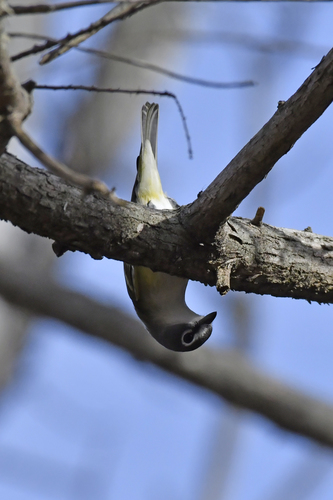 Blue-headed Vireo
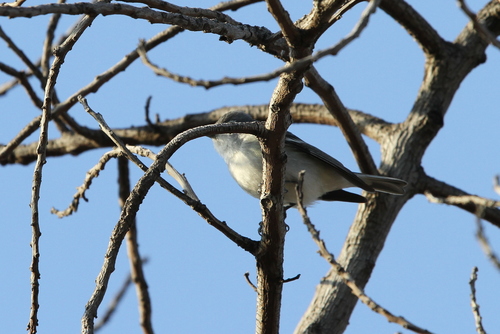 Plumbeous Vireo
In breve
Il segno distintivo più affidabile tra Blue-headed Vireo e Plumbeous Vireo è il colore della testa e il tono delle barre alari: il Blue-headed Vireo presenta una corona blu-grigia profonda e barre alari gialle audaci, mentre il Plumbeous Vireo ha una corona grigia neutra (a volte blu-grigia) e barre alari bianche. Entrambe le specie sono strutturalmente simili, ma il Plumbeous Vireo è generalmente più opaco e grigio nel complesso, con meno giallo sui fianchi e sulle barre alari. Le piumature giovanili e adulte sono simili all'interno di ciascuna specie, quindi le differenze legate all'età sono sottili e non una fonte principale di confusione. Concentrati sulla combinazione di colore della testa, colore delle barre alari e toni gialli/fianchi per la separazione più affidabile sul campo.
Consigli di identificazione
- Colore della testa: Il Blue-headed Vireo presenta una corona blu-grigia profonda e una nuca, dando un aspetto nitido e contrastante; la corona del Plumbeous Vireo è grigia neutra (a volte blu-grigia in alcune sottospecie), apparendo più opaca e meno definita. Questo è il segno più affidabile in buona luce.
- Barre alari: Il Blue-headed Vireo ha barre alari gialle audaci, mentre quelle del Plumbeous Vireo sono bianche o biancastre. Cerca il tono giallo nelle barre alari, specialmente nella piumatura fresca.
- Colore dei fianchi: Il Blue-headed Vireo ha fianchi distintamente giallastri, visibili anche da lontano; i fianchi del Plumbeous Vireo sono per lo più bianchi o giallo molto pallido (a volte giallo zolfo in alcune sottospecie), ma di solito molto meno colorati.
- Parte superiore: Il Blue-headed Vireo è verde oliva sopra, in contrasto con la testa blu-grigia; il Plumbeous Vireo è grigio sopra con solo una leggera sfumatura oliva sulla coda o sulla schiena in alcune sottospecie.
- Occhiali: Entrambe le specie hanno anelli oculari e supercili bianchi, ma quelli del Blue-headed Vireo sono più audaci e più contrastanti rispetto alla testa più scura. Gli occhiali del Plumbeous Vireo sono meno pronunciati.
- Becco: Il becco del Blue-headed Vireo è leggermente più spesso e lungo in media, ma questo è sottile e non sempre utile sul campo.
- Schema della coda: Entrambe le specie hanno code scure con bordi chiari, ma questo non è un segno distintivo affidabile per la separazione.
- Piumaggio giovanile/immaturo: I giovani di entrambe le specie assomigliano agli adulti, quindi non fare affidamento su differenze legate all'età.
- Confusione tra sottospecie: Alcune sottospecie occidentali di Plumbeous Vireo (ad es., montanus) possono mostrare una corona blu-grigia e una schiena verdastra, avvicinandosi al Blue-headed Vireo, ma mancano comunque delle brillanti barre alari gialle e dei fianchi.
- Habitat/contesto: Se ci si trova a est, ci si aspetta il Blue-headed Vireo; nell'interno ovest, è più probabile il Plumbeous. Tuttavia, controlla sempre i segni della piumatura, poiché possono verificarsi vagabondi.
- Voce: Non trattato nelle note fornite; non fare affidamento sul canto o sul richiamo per la separazione qui.
- Sesso e stagione: Entrambe le specie mostrano poco o nessun dimorfismo sessuale e non cambiano molto stagionalmente, quindi questi non sono utili per la separazione.
- Trappole di illuminazione: Una luce scarsa può far sembrare il Blue-headed Vireo più grigio e opaco, avvicinandosi al Plumbeous Vireo; cerca sempre di confermare i toni gialli nelle barre alari e nei fianchi.
- Sovrapposizione con il Cassin’s Vireo: Entrambe le specie sono più facilmente confuse con il Cassin’s Vireo, ma tra queste due, concentrati sul colore della testa e delle barre alari.
- Viste in volo: Non sono stati descritti segni distintivi di volo per nessuna delle due specie; fai affidamento sulle viste posate per la migliore separazione.
Taglia
Entrambe le specie sono molto simili in dimensioni e peso, con il Blue-headed Vireo che varia da 126 a 148 mm di lunghezza e il Plumbeous Vireo da 124 a 138 mm. I loro pesi si sovrappongono (Blue-headed: 13-19 g; Plumbeous: 12-20 g), e entrambe hanno un'apertura alare simile. Qualsiasi differenza di dimensione percepita sul campo è trascurabile e non è un segno di identificazione affidabile.
Piumaggio
I Blue-headed Vireo giovanili e immaturi sono quasi indistinguibili dagli adulti, quindi l'età non è un fattore forte nella separazione. Entrambe le specie mostrano due barre alari, ma quelle del Blue-headed Vireo sono audaci e gialle, mentre quelle del Plumbeous Vireo sono bianche o biancastre. La testa del Blue-headed Vireo è di un blu-grigio profondo, in contrasto con una gola bianca e occhiali bianchi audaci; la corona del Plumbeous Vireo è grigia neutra (a volte blu-grigia in alcune sottospecie), con un anello oculare bianco e supercilio, ma l'effetto complessivo è più opaco e meno contrastante. Il Blue-headed Vireo ha parti superiori verde oliva e fianchi giallastri, mentre il Plumbeous Vireo è generalmente grigio sopra con solo una leggera sfumatura oliva sulla coda e, in alcune sottospecie, giallo pallido o giallo zolfo sui fianchi. Le parti inferiori di entrambi sono bianche, ma i fianchi del Blue-headed Vireo sono più distintamente gialli. I modelli di coda e alari non sono descritti come diagnostici per nessuna delle due specie a qualsiasi età.
Comportamento
Entrambe le specie si comportano in modo simile, foraggiando metodicamente nei livelli medi e superiori delle foreste. Non sono state notate differenze comportamentali che possano separarle in modo affidabile sul campo.
Habitat
Il Blue-headed Vireo preferisce grandi foreste temperate con un mix di alberi sempreverdi e decidui, spesso nell'est degli Stati Uniti e in Canada. Il Plumbeous Vireo si trova negli Stati Uniti occidentali ed è più associato a boschi aperti e foreste montane. Anche se i loro areali non si sovrappongono molto, vagabondi e migrazioni possono portarli in habitat simili, quindi il contesto aiuta ma non è definitivo.
Blue-headed Vireo · Plumbeous Vireo · I miei uccelli difficili