

Motmot

ソライロアルキバト 対 ヤマウズラバト

Claravis pretiosa 対 Geotrygon montana

ソライロアルキバトとヤマウズラバトのクイズ
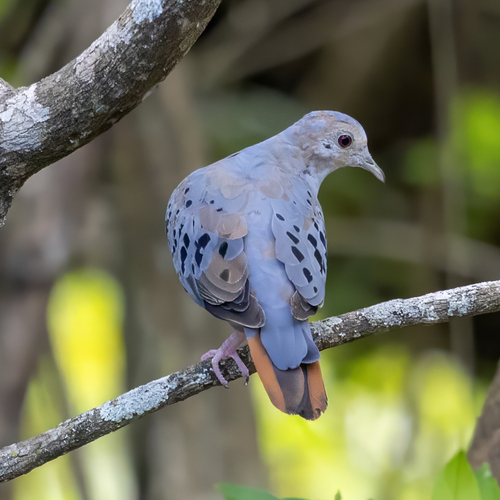
ソライロアルキバト (Claravis pretiosa) ソライロアルキバト
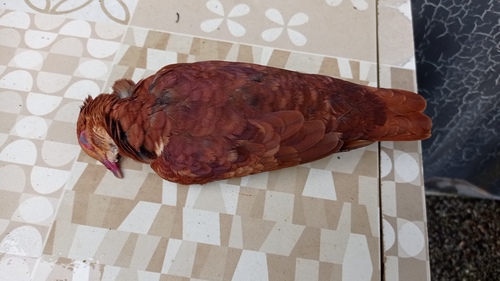
ヤマウズラバト (Geotrygon montana) ヤマウズラバト

メディア

読み込み中…

要点

ブルーグラウンドダブとヤマウズラバトを区別する最も信頼できるフィールドマークは、オスのブルーグラウンドダブの青灰色の羽毛と特徴的な黒い斑点のある翼のパターンであり、これはヤマウズラバトには見られません。ブルーグラウンドダブの雌と幼鳥はより難しいですが、依然として栗色の(黒っぽくはない)翼の斑点と、より対照的で斑点のある外観を示します。ヤマウズラバトは全体的に錆色で、均一な赤褐色の背中、翼、顔のマスクを持ち、強い翼のパターンが欠けています。サイズは似ていますが、ブルーグラウンドダブはわずかに小さく、よりコンパクトです。特に飛行中や鳥が部分的に隠れているときに、翼のマーキングと全体的な色調に注目してください。

識別のコツ

  1. オスのブルーグラウンドダブは全体が青灰色: 青灰色の上面と淡い顔を持つ小さな鳩を見た場合、特に黒い斑点のある翼を持っていれば、それはオスのブルーグラウンドダブです。ヤマウズラバトは決して青灰色ではありません。
  2. 雌と幼鳥のブルーグラウンドダブは栗色の翼の斑点を示す: 翼に栗色の(黒っぽくない)斑点や帯を探してください。これらは飛行中や休んでいるときに見え、ヤマウズラバトには見られません。
  3. ヤマウズラバトは均一に赤褐色: すべての年齢と性別が豊かな錆色の背中、翼、顔のマスクを持ち、わずかに淡い茶色の腹部があります。対照的な翼のマーキングはありません。
  4. ブルーグラウンドダブは対照的で斑点のある外観を持つ: 雌や幼鳥でも青灰色、赤褐色、栗色の混合を示し、しばしば腹部が淡く、背中と尾の間により対照があります。ヤマウズラバトは色がはるかに均一です。
  5. 飛行中、ブルーグラウンドダブは黒っぽい飛行羽と外尾を示す: この対比は特にオスに強く、雌や幼鳥にも見られます。ヤマウズラバトの飛行羽は強い対比を持ちません。
  6. 幼鳥のブルーグラウンドダブは背中に赤褐色のスケーリングがある: これは落とし穴になることがありますが、翼の斑点は栗色のままで、黒っぽくはなく、ヤマウズラバトと比較しても依然として斑点のある外観を持ちます。
  7. サイズと形: ブルーグラウンドダブはわずかに小さく、よりコンパクトで、尾が短いです。ヤマウズラバトは体が長く、重いですが、これは微妙で重なります。
  8. 脚とアイリングの色: ブルーグラウンドダブは肉色の脚と緑色の裸のアイリング(虹彩は赤または黄色)を持っていますが、これらはフィールドで診断的であることは稀です。
  9. ブルーグラウンドダブのペアは性差を示すことがある: 青灰色のオスと茶色の雌が一緒にいるのはブルーグラウンドダブの診断になります。ヤマウズラバトのペアはどちらも赤褐色です。
  10. 生息地の好み: ブルーグラウンドダブは開けた場所やエッジの生息地にいる可能性が高く、ヤマウズラバトは密な森林を好みますが、両者は重なることがあります。
  11. 地面での行動: ブルーグラウンドダブはより容易にフラッシュし、飛行中に翼のパターンを示すことがありますが、ヤマウズラバトは歩き去るか、じっとしている可能性が高いです。
  12. 情報源には強い声の違いは記載されていない: 現在のメモに基づいて声に頼らないでください。
  13. 茶色のトーンだけでブルーグラウンドダブの雌をヤマウズラバトと混同しないでください: 翼の斑点の色と全体的な対比に注目し、赤褐色や茶色の存在だけに焦点を当てないでください。
  14. 黒っぽい(栗色でない)翼のマーキングを持つ鳥を見た場合、それはブルーグラウンドダブではありません: これは重要な落とし穴です。ブルーグラウンドダブはどの年齢や性別でも黒っぽい翼の斑点を示しません。
  15. 疑わしい場合は、翼のパターンと全体的な色の均一性を優先してください: 斑点のある、または対照的な = ブルーグラウンドダブ; 単純で豊かな赤褐色 = ヤマウズラバト。

大きさ

ブルーグラウンドダブは小型の鳩で、平均して約20 cmの長さと69 gの質量です [wikidata]。ヤマウズラバトは長さが似ており(19–28 cm、ただし上限はフィールドでは稀かもしれません)、通常は少しずんぐりした体型で長いです。直接比較すると、ブルーグラウンドダブはよりコンパクトで尾が短く見え、ヤマウズラバトは特に地面で重く見えることがあります。しかし、サイズの重なりはかなりあり、信頼できる単一のフィールドマークではありません。

羽色

行動

両種は地面に生息し、森林の床を歩いたり、低く飛んだりするのが見られます。ブルーグラウンドダブはしばしば急速な羽音でフラッシュし、飛行中に対照的な翼のパターンを示します。ヤマウズラバトはより秘密裏に動く傾向があり、歩くときに重く見えたり、遅く見えたりすることがあります。混合した群れやペアでは、ブルーグラウンドダブが青灰色の鳥と茶色の鳥を一緒に示すことがあります(オスと雌)、一方でヤマウズラバトのペアはどちらも赤褐色です。

生息環境

両種は熱帯および亜熱帯の森林、森林のエッジ、二次成長に生息しています。ブルーグラウンドダブはしばしばより開けた場所や乱れた生息地、クリアリングやエッジに見られますが、ヤマウズラバトはより密な湿った森林の内部や厚い下草を好みます。しかし、かなりの重なりがあり、生息地だけでは診断的ではありません。

より良い説明を送る

比較と同じ項目を使ってください。文章はすぐに公開されます。

The most reliable field mark to separate Blue Ground Dove from Ruddy Quail-Dove is the male Blue Ground Dove’s blue-grey plumage and the distinctive black-spotted wing pattern, which is never shown by Ruddy Quail-Dove. Females and immatures of Blue Ground Dove are trickier, but still show chestnut-brown (not blackish) wing spots and a more contrasting, patchy appearance. Ruddy Quail-Dove is overall rust-colored, with a uniform rufous back, wings, and facial mask, lacking strong wing patterning. Size is similar, but Blue Ground Dove is slightly smaller and more compact. Focus on wing markings and overall color tone, especially in flight or when birds are partially obscured.

  1. Male Blue Ground Dove is blue-grey overall: If you see a small dove with blue-grey upperparts and a pale face, especially with black-spotted wings, it is a male Blue Ground Dove. Ruddy Quail-Dove is never blue-grey.
  2. Female and immature Blue Ground Dove show chestnut-brown wing spots: Look for chestnut-brown (not blackish) spots or bands in the wings. These are visible in flight and at rest, and are absent in Ruddy Quail-Dove.
  3. Ruddy Quail-Dove is uniformly rufous: All ages and sexes have a rich, rust-colored back, wings, and facial mask, with only slightly paler brown underparts. No contrasting wing markings.
  4. Blue Ground Dove has a contrasting, patchy appearance: Even females and immatures show a mix of blue-grey, ruddy brown, and chestnut, often with a paler belly and more contrast between back and rump. Ruddy Quail-Dove is much more uniform in color.
  5. In flight, Blue Ground Dove shows blackish flight feathers and outer tail: This contrast is especially strong in males, but also present in females and immatures. Ruddy Quail-Dove’s flight feathers are not strongly contrasting.
  6. Juvenile Blue Ground Dove has ruddy scaling on the back: This can be a pitfall, but the wing spots remain chestnut, not blackish, and the bird still looks patchy compared to the uniform Ruddy Quail-Dove.
  7. Size and shape: Blue Ground Dove is slightly smaller and more compact, with a shorter tail. Ruddy Quail-Dove is longer-bodied and heavier, but this is subtle and overlaps.
  8. Leg and eyering color: Blue Ground Dove has flesh-pink legs and a green bare eyering (iris red or yellow), but these are rarely diagnostic in the field.
  9. Pairs of Blue Ground Dove may show sexual dimorphism: A blue-grey male and a brownish female together is diagnostic for Blue Ground Dove. Ruddy Quail-Dove pairs are both rufous.
  10. Habitat preference: Blue Ground Dove is more likely in open or edge habitats, while Ruddy Quail-Dove prefers dense forest, but both can overlap.
  11. Behavior on the ground: Blue Ground Dove may flush more readily and show wing pattern in flight, while Ruddy Quail-Dove is more likely to walk away or freeze.
  12. No strong vocal differences noted in sources: Do not rely on voice for separation based on current notes.
  13. Do not confuse female Blue Ground Dove with Ruddy Quail-Dove based on brown tones alone: Focus on wing spot color and overall contrast, not just the presence of rufous or brown.
  14. If you see a bird with blackish (not chestnut) wing markings, it is not a Blue Ground Dove: This is a key pitfall; Blue Ground Dove never shows blackish wing spots in any age or sex.
  15. When in doubt, prioritize wing pattern and overall color uniformity: Patchy, spotted, or contrasting = Blue Ground Dove; plain, rich rufous = Ruddy Quail-Dove.

Blue Ground Dove is a small pigeon, averaging about 20 cm in length and 69 g in mass [wikidata]. Ruddy Quail-Dove is similar in length (19–28 cm, though the upper end may be rare in the field) but is typically a bit bulkier and longer-bodied. In direct comparison, Blue Ground Dove appears more compact and shorter-tailed, while Ruddy Quail-Dove may look heavier and longer, especially on the ground. However, size overlap is considerable and not a reliable single field mark.

  • Juvenile/immature Blue Ground Dove: Resembles adult female but with ruddy scaling on the back. Wing spots are chestnut-brown, not blackish. The back is ruddy brown, rump and tail are chestnut, underparts pale blue-grey.
  • Adult male Blue Ground Dove: Blue-grey upperparts, paler grey underparts, grey-white face. Wings have bold black spots or bands, flight feathers and outer tail feathers are blackish. No rufous tones.
  • Adult female Blue Ground Dove: Grey-brown head, neck, and breast; pale blue-grey underwings and belly; back ruddy brown, chestnut rump and tail. Wing spots are chestnut-brown.
  • Ruddy Quail-Dove (all ages/sexes): Uniformly rust-colored (rufous) back, wings, and facial mask. Lighter brown breast, rump, and undereye stripe. Lacks strong wing patterning—no black or chestnut spots or bands. Overall much more uniform and warm-toned than any Blue Ground Dove.
  • Key contrast: Blue Ground Dove (especially males and immatures) always shows some degree of contrasting wing pattern and patchiness, while Ruddy Quail-Dove is plain, rich rufous throughout.

Both species are ground-dwelling and can be seen walking on the forest floor or flying low through undergrowth. Blue Ground Dove often flushes with a burst of rapid wingbeats, showing contrasting wing pattern in flight. Ruddy Quail-Dove tends to move more secretively and may appear heavier and slower when walking. In mixed flocks or pairs, Blue Ground Dove may show a blue-grey and a brown bird together (male and female), while Ruddy Quail-Dove pairs are both rufous.

Both species inhabit tropical and subtropical forests, forest edges, and second growth. Blue Ground Dove is often found in more open or disturbed habitats, including clearings and edges, while Ruddy Quail-Dove prefers denser, more humid forest interiors and thick undergrowth. However, there is considerable overlap, and habitat alone is not diagnostic.

変更を破棄しますか?

保存していない編集があります。今離れると失われます。

ソライロアルキバト · ヤマウズラバト · 苦手な鳥