

Blue Ground Dove vs Ruddy Quail-Dove
Claravis pretiosa contro Geotrygon montana
Fai un quiz con Blue Ground Dove e Ruddy Quail-Dove
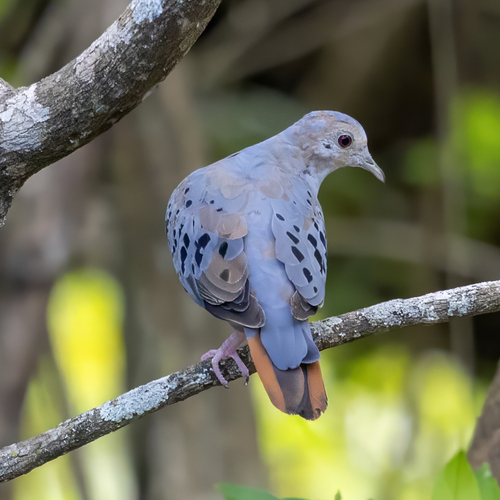 Blue Ground Dove
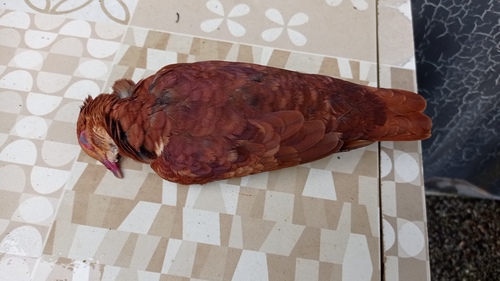 Ruddy Quail-Dove
In breve
Il segno di campo più affidabile per separare il Blue Ground Dove dal Ruddy Quail-Dove è il piumaggio blu-grigio del maschio Blue Ground Dove e il distintivo schema alare maculato di nero, che non è mai mostrato dal Ruddy Quail-Dove. Le femmine e gli immaturi del Blue Ground Dove sono più difficili da identificare, ma mostrano comunque macchie alari marrone castagna (non nere) e un aspetto più contrastante e maculato. Il Ruddy Quail-Dove è complessivamente color ruggine, con un dorso, ali e maschera facciale uniformemente rufous, privo di un forte schema alare. La dimensione è simile, ma il Blue Ground Dove è leggermente più piccolo e più compatto. Concentrati sui segni alari e sul tono di colore generale, specialmente in volo o quando gli uccelli sono parzialmente oscurati.
Consigli di identificazione
- Il maschio Blue Ground Dove è blu-grigio in generale: Se vedi una piccola tortora con parti superiori blu-grigio e un viso chiaro, specialmente con ali maculate di nero, è un maschio Blue Ground Dove. Il Ruddy Quail-Dove non è mai blu-grigio.
- Le femmine e gli immaturi del Blue Ground Dove mostrano macchie alari marrone castagna: Cerca macchie o bande marrone castagna (non nere) nelle ali. Queste sono visibili in volo e a riposo, e sono assenti nel Ruddy Quail-Dove.
- Il Ruddy Quail-Dove è uniformemente rufous: Tutte le età e i sessi hanno un dorso, ali e maschera facciale di un ricco colore ruggine, con solo parti inferiori di un marrone leggermente più chiaro. Nessun segno alare contrastante.
- Il Blue Ground Dove ha un aspetto contrastante e maculato: Anche le femmine e gli immaturi mostrano una miscela di blu-grigio, marrone ruggine e castagna, spesso con un ventre più chiaro e un maggiore contrasto tra dorso e coda. Il Ruddy Quail-Dove è molto più uniforme nel colore.
- In volo, il Blue Ground Dove mostra piume alari nere e coda esterna: Questo contrasto è particolarmente forte nei maschi, ma presente anche nelle femmine e negli immaturi. Le piume alari del Ruddy Quail-Dove non sono fortemente contrastanti.
- Il giovane Blue Ground Dove ha squame ruggine sul dorso: Questo può essere un inganno, ma le macchie alari rimangono castagne, non nere, e l'uccello appare ancora maculato rispetto al Ruddy Quail-Dove uniforme.
- Dimensione e forma: Il Blue Ground Dove è leggermente più piccolo e più compatto, con una coda più corta. Il Ruddy Quail-Dove è più lungo e più pesante, ma questo è sottile e si sovrappone.
- Colore delle gambe e dell'anello oculare: Il Blue Ground Dove ha gambe rosa carne e un anello oculare nudo verde (iride rossa o gialla), ma questi sono raramente diagnostici sul campo.
- Le coppie di Blue Ground Dove possono mostrare dimorfismo sessuale: Un maschio blu-grigio e una femmina marrone insieme sono diagnostici per il Blue Ground Dove. Le coppie di Ruddy Quail-Dove sono entrambe rufous.
- Preferenza dell'habitat: Il Blue Ground Dove è più probabile che si trovi in habitat aperti o di confine, mentre il Ruddy Quail-Dove preferisce foreste dense, ma entrambi possono sovrapporsi.
- Comportamento a terra: Il Blue Ground Dove può alzarsi più facilmente e mostrare il pattern alare in volo, mentre il Ruddy Quail-Dove è più probabile che si allontani camminando o si blocchi.
- Nessuna forte differenza vocale notata nelle fonti: Non fare affidamento sulla voce per la separazione basata sulle note attuali.
- Non confondere la femmina del Blue Ground Dove con il Ruddy Quail-Dove basandoti solo sui toni marroni: Concentrati sul colore delle macchie alari e sul contrasto generale, non solo sulla presenza di rufous o marrone.
- Se vedi un uccello con segni alari neri (non castagna), non è un Blue Ground Dove: Questo è un inganno chiave; il Blue Ground Dove non mostra mai macchie alari nere in nessuna età o sesso.
- Quando hai dubbi, dai priorità al pattern alare e all'uniformità del colore generale: Maculato, macchiato o contrastante = Blue Ground Dove; semplice, ricco rufous = Ruddy Quail-Dove.
Taglia
Il Blue Ground Dove è una piccola tortora, con una lunghezza media di circa 20 cm e una massa di 69 g [wikidata]. Il Ruddy Quail-Dove è simile in lunghezza (19–28 cm, anche se l'estremità superiore può essere rara sul campo) ma è tipicamente un po' più robusto e lungo. In un confronto diretto, il Blue Ground Dove appare più compatto e con una coda più corta, mentre il Ruddy Quail-Dove può sembrare più pesante e lungo, specialmente a terra. Tuttavia, la sovrapposizione delle dimensioni è considerevole e non è un segno di campo affidabile.
Piumaggio
- Giovane/immaturo Blue Ground Dove: Somiglia alla femmina adulta ma con squame ruggine sul dorso. Le macchie alari sono marrone castagna, non nere. Il dorso è marrone ruggine, la coda e il fondo sono castagna, le parti inferiori sono blu-grigio pallido.
- Maschio adulto Blue Ground Dove: Parti superiori blu-grigio, parti inferiori grigio più chiare, viso grigio-bianco. Le ali hanno macchie o bande nere audaci, le piume alari e le piume della coda esterna sono nere. Nessun tono rufous.
- Femmina adulta Blue Ground Dove: Testa, collo e petto marrone-grigio; ali e ventre blu-grigio pallido; dorso marrone ruggine, coda e coda castagna. Le macchie alari sono marrone castagna.
- Ruddy Quail-Dove (tutte le età/sessi): Dorso, ali e maschera facciale uniformemente color ruggine (rufous). Petto, coda e striscia sotto l'occhio di un marrone più chiaro. Privo di un forte schema alare: nessuna macchia o banda nera o castagna. Complessivamente molto più uniforme e caldo rispetto a qualsiasi Blue Ground Dove.
- Contrasto chiave: Il Blue Ground Dove (soprattutto maschi e immaturi) mostra sempre qualche grado di pattern alare contrastante e maculato, mentre il Ruddy Quail-Dove è semplice, ricco rufous in tutto.
Comportamento
Entrambe le specie sono terricole e possono essere viste camminare sul pavimento della foresta o volare basso attraverso la vegetazione. Il Blue Ground Dove spesso si alza con un'esplosione di battiti d'ali rapidi, mostrando un pattern alare contrastante in volo. Il Ruddy Quail-Dove tende a muoversi in modo più riservato e può apparire più pesante e più lento quando cammina. In stormi misti o coppie, il Blue Ground Dove può mostrare un uccello blu-grigio e uno marrone insieme (maschio e femmina), mentre le coppie di Ruddy Quail-Dove sono entrambe rufous.
Habitat
Entrambe le specie abitano foreste tropicali e subtropicali, bordi forestali e crescita secondaria. Il Blue Ground Dove si trova spesso in habitat più aperti o disturbati, comprese le radure e i bordi, mentre il Ruddy Quail-Dove preferisce interni forestali più densi e umidi e vegetazione fitta. Tuttavia, c'è una considerevole sovrapposizione, e l'habitat da solo non è diagnostico.
Blue Ground Dove · Ruddy Quail-Dove · I miei uccelli difficili