

Motmot

ソライロフウキンチョウ 対 ナナイロフウキンチョウ

Thraupis episcopus 対 Tangara chilensis

ソライロフウキンチョウとナナイロフウキンチョウのクイズ
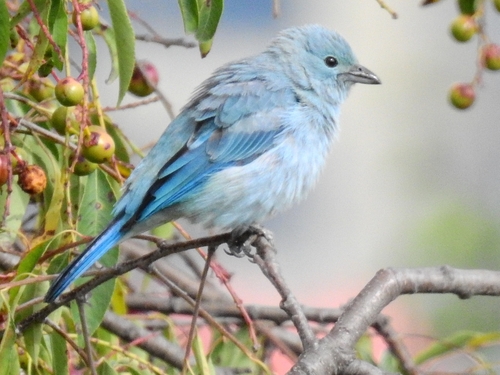
ソライロフウキンチョウ (Thraupis episcopus) ソライロフウキンチョウ
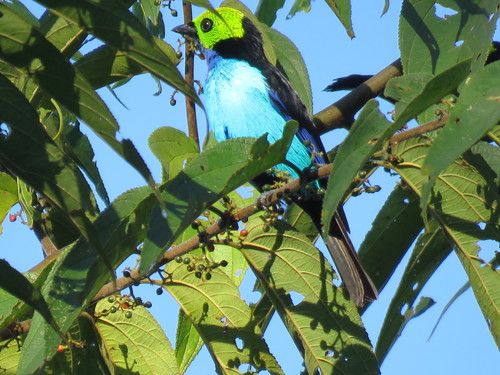
ナナイロフウキンチョウ (Tangara chilensis) ナナイロフウキンチョウ

メディア

読み込み中…

要点

ソライロフウキンチョウとナナイロフウキンチョウを区別する最も信頼できる方法は、全体の色のパターンです:ソライロフウキンチョウは比較的均一な淡い青と青灰色の鳥で、対照的な肩の斑点がありますが、ナナイロフウキンチョウは黒い上面、空色の下面、明るい緑の頭、鮮やかな黄色または赤の尾羽を持つ印象的な混合色です。ソライロフウキンチョウは大きくて体重が重く、くちばしが太く、ナナイロフウキンチョウの黒い背中と緑の頭がありません。未熟なソライロフウキンチョウは鈍い色合いですが、ナナイロフウキンチョウの大胆な色のブロックは決して示しません。黒い背中と緑の頭を持つフウキンチョウを見たら、それはナナイロフウキンチョウです;ほとんどが青灰色で青い肩を持つ鳥はソライロフウキンチョウです。

識別のコツ

  1. Head color: ナナイロフウキンチョウは常に明るい緑の頭を持っています;ソライロフウキンチョウは淡い青みがかったまたは青灰色の頭を持っています。どの年齢のソライロフウキンチョウも頭に緑を示しません。
  2. Back color: ナナイロフウキンチョウの背中は完全に黒で、緑の頭と青い下面と鋭く対照的です。ソライロフウキンチョウは青または青灰色の上面を持ち、決して黒ではありません。
  3. Underparts: 両者とも青い下面を持っていますが、ナナイロフウキンチョウの下面はより明るい空色で、黒い背中と緑の頭によって鋭く際立っています。ソライロフウキンチョウの下面はより淡く、頭とより均一です。
  4. Shoulder patch: ソライロフウキンチョウは明確な肩の斑点を示します(色は亜種によって異なります:ラベンダー、青、白、または濃い青)、飛行中や止まっているときに目立つことがあります。ナナイロフウキンチョウには対照的な肩の斑点がありません。
  5. Rump color: ナナイロフウキンチョウは鮮やかな黄色と赤または全赤の尾羽を持っています(亜種によって異なります)、これはソライロフウキンチョウには決して示されません。
  6. Bill structure: ソライロフウキンチョウは明らかに太くて短いくちばしを持っています;ナナイロフウキンチョウのくちばしはより細く、より繊細です。
  7. Juvenile/immature plumage: 若いソライロフウキンチョウは鈍い色合いですが、依然として青灰色で、ナナイロフウキンチョウの黒、緑、または鮮やかな尾羽の色を示すことはありません。未熟なナナイロフウキンチョウは黒と緑のパターンを保持します。
  8. Size and shape: ソライロフウキンチョウはナナイロフウキンチョウよりも大きくて体重が重い(16–18 cm、30–40 g)です;ナナイロフウキンチョウは(13.5–15 cm、21 g)より小さいです。フィールドでは、ソライロフウキンチョウはより大きくて頑丈に見えることがあります。
  9. Habitat: 都市部、開けた場所、またはエッジの生息地では、ソライロフウキンチョウの方がはるかに可能性が高いです。ナナイロフウキンチョウはアマゾン流域の森林の樹冠の鳥です。
  10. Behavior: ナナイロフウキンチョウは樹冠の高いところで見られる可能性が高く、しばしば混合群れと一緒にいます;ソライロフウキンチョウは高さと生息地においてより多様です。
  11. Vocalizations: ソライロフウキンチョウのきしむようなツイッター音と「tseee/tsuup」の呼び声を聞いてください;ナナイロフウキンチョウはこの声のスタイルを共有しません。
  12. Subspecies variation: ソライロフウキンチョウの肩の斑点の色は地域によって異なりますが、ナナイロフウキンチョウの黒と緑と赤/黄色の組み合わせには決して近づきません。
  13. Flight views: 飛行中、ソライロフウキンチョウは肩の斑点を色のフラッシュとして示すことがありますが、ナナイロフウキンチョウの大胆な尾羽や黒い背中は決して示しません。
  14. Sexes: 両種は性的に似ているため、性別は有用なフィールドマークではありません。
  15. Pitfalls: 未熟なソライロフウキンチョウは色あせて見えることがありますが、それでも頭/背中に黒と緑がないことと、明るい尾羽がないことでナナイロフウキンチョウを除外できます。

大きさ

ソライロフウキンチョウはナナイロフウキンチョウよりも明らかに大きくて重いです。ソライロフウキンチョウは16–18 cmの長さで、30–40 gの重さがありますが、ナナイロフウキンチョウは13.5–15 cmで、わずか21 gです。フィールドでは、ソライロフウキンチョウはしばしばより頑丈で、より強靭に見え、くちばしが太いのに対し、ナナイロフウキンチョウはより繊細でコンパクトです。

羽色

未熟なソライロフウキンチョウは成鳥の鈍いバージョンで、より鮮やかな青のトーンが少なく、頭や背中に黒や緑がありません。成鳥は淡い青みがかった頭と下面、より暗い青の上面、亜種によって色合いが異なる肩の斑点を持っています(ラベンダー、青、白、または濃い青)。ナナイロフウキンチョウは年齢に関係なく、はるかに鮮やかな色を持っています:成鳥は淡い緑の頭、黒い上面、空色の下面、亜種によって異なる黄色と赤または全赤の尾羽を持っています。黒い背中と緑の頭はナナイロフウキンチョウに特有で、ソライロフウキンチョウには決して現れません。ソライロフウキンチョウのどの年齢もナナイロフウキンチョウの黒と緑の組み合わせを示さず、ナナイロフウキンチョウは決してほとんど青灰色ではありません。両種は似たようなくちばしと脚の色(暗い/黒っぽい)を持っていますが、ソライロフウキンチョウのくちばしは太いです。

行動

両種は活発で社交的で、しばしばペアや小さな群れで見られますが、ナナイロフウキンチョウは樹冠の高いところで移動する傾向があり、湿った森林で混合種の群れに加わる可能性が高いです。ソライロフウキンチョウはより適応性があり、開けた森林、庭、都市部で見られることが多く、時には植生の低いところでも見られます。飛行中、ソライロフウキンチョウはより重くて直接的に見えることがありますが、ナナイロフウキンチョウはより速くて敏捷です。

生息環境

ソライロフウキンチョウは広範囲に分布し、適応性があり、メキシコから南アメリカ北部まで、開けた森林、庭、さらには都市公園などさまざまな生息地で見られます。ナナイロフウキンチョウはアマゾン流域の湿った熱帯および亜熱帯の森林に制限され、通常は樹冠や森林のエッジにいます。もしあなたが乱されたり都市の生息地にいるなら、ソライロフウキンチョウの方がはるかに可能性が高いです;アマゾンの熱帯雨林の奥深くにいるなら、ナナイロフウキンチョウが期待される種です。

声

ソライロフウキンチョウは「tseee」と「tsuup」の呼び声を持つきしむようなツイッターの歌を歌います。ナナイロフウキンチョウの声についての詳細な説明はメモにありませんが、同じきしむようなツイッターのフレーズで知られていません。ソライロフウキンチョウの特徴的な呼び声を聞いたら、それはその識別を支持します。

より良い説明を送る

比較と同じ項目を使ってください。文章はすぐに公開されます。

The most reliable way to separate Blue-grey Tanager from Paradise Tanager is by overall color pattern: Blue-grey Tanager is a fairly uniform light blue and blue-gray bird with a contrasting shoulder patch, while Paradise Tanager is a striking mix of black upperparts, sky blue underparts, and a bright green head, with a vivid yellow or red rump. Blue-grey Tanager is larger and heavier-bodied, with a thicker bill, and lacks the black back and green head of Paradise Tanager. Immature Blue-grey Tanagers are duller but never show the bold color blocks of Paradise Tanager. If you see a tanager with a black back and green head, it's Paradise; if the bird is mostly blue-gray with a blue shoulder, it's Blue-grey Tanager.

  1. Head color: Paradise Tanager always has a bright green head; Blue-grey Tanager has a light bluish or blue-gray head. No Blue-grey Tanager shows green on the head at any age.
  2. Back color: Paradise Tanager's back is solid black, contrasting sharply with the green head and blue underparts. Blue-grey Tanager has blue or blue-gray upperparts, never black.
  3. Underparts: Both have blue underparts, but Paradise Tanager's are a brighter sky blue, sharply set off by the black back and green head. Blue-grey Tanager's underparts are paler, more uniform with the head.
  4. Shoulder patch: Blue-grey Tanager shows a distinct shoulder patch (color varies by subspecies: lavender, blue, white, or dark blue), which can stand out in flight or perched. Paradise Tanager lacks any contrasting shoulder patch.
  5. Rump color: Paradise Tanager has a vivid yellow and red or all-red rump (depending on subspecies), a feature never shown by Blue-grey Tanager.
  6. Bill structure: Blue-grey Tanager has a noticeably thicker, stubbier bill; Paradise Tanager's bill is finer and more delicate.
  7. Juvenile/immature plumage: Young Blue-grey Tanagers are duller but still blue-gray, never showing black, green, or the vivid rump colors of Paradise Tanager. Immature Paradise Tanagers retain the black-and-green pattern.
  8. Size and shape: Blue-grey Tanager is larger and heavier-bodied (16–18 cm, 30–40 g) than Paradise Tanager (13.5–15 cm, 21 g), and may appear chunkier in the field.
  9. Habitat: In urban, open, or edge habitats, Blue-grey Tanager is much more likely. Paradise Tanager is strictly a forest canopy bird in the Amazon Basin.
  10. Behavior: Paradise Tanager is more likely to be seen high in the canopy, often with mixed flocks; Blue-grey Tanager is more versatile in height and habitat.
  11. Vocalizations: Listen for the squeaky twittering and 'tseee/tsuup' calls of Blue-grey Tanager; Paradise Tanager does not share this vocal style.
  12. Subspecies variation: Blue-grey Tanager's shoulder patch color varies by region, but never approaches the black-and-green-and-red/yellow combination of Paradise Tanager.
  13. Flight views: In flight, Blue-grey Tanager may show the shoulder patch as a flash of color, but never the bold rump or black back of Paradise Tanager.
  14. Sexes: Both species are sexually similar, so sex is not a useful field mark.
  15. Pitfalls: Immature Blue-grey Tanagers can appear washed out, but even then, the lack of black and green on head/back and the absence of a bright rump will rule out Paradise Tanager.

Blue-grey Tanager is distinctly larger and heavier than Paradise Tanager. Blue-grey Tanager measures 16–18 cm in length and weighs 30–40 g, while Paradise Tanager is smaller at 13.5–15 cm and only 21 g. In the field, Blue-grey Tanager often appears chunkier and more robust, with a thicker bill, compared to the more delicate and compact Paradise Tanager.

Juvenile and immature Blue-grey Tanagers are duller versions of the adult, with less vibrant blue tones, but still lack any black or green on the head or back. Adults have a light bluish head and underparts, darker blue upperparts, and a shoulder patch that varies in hue (lavender, blue, white, or dark blue depending on subspecies). Paradise Tanager, regardless of age, is much more vividly colored: adults have a light green head, black upperparts, sky blue underparts, and a yellow and red or all-red rump (depending on subspecies). The black back and green head are unique to Paradise Tanager and never appear on Blue-grey Tanager. No age of Blue-grey Tanager shows the Paradise's black-and-green combination, and no Paradise Tanager is ever mostly blue-gray. Both species have similar bill and leg color (dark/blackish), but Blue-grey Tanager's bill is thicker.

Both species are active, social, and often seen in pairs or small groups, but Paradise Tanager tends to move higher in the canopy and is more likely to join mixed-species flocks in humid forest. Blue-grey Tanager is more adaptable, often seen in open woodlands, gardens, and urban areas, sometimes lower in the vegetation. In flight, Blue-grey Tanager may appear heavier and more direct, while Paradise Tanager is quicker and more agile.

Blue-grey Tanager is widespread and adaptable, found from Mexico to northern South America in a variety of habitats including open woodlands, gardens, and even urban parks. Paradise Tanager is restricted to humid tropical and subtropical forests of the Amazon Basin, usually in the canopy or forest edge. If you are in disturbed or urban habitat, Blue-grey Tanager is far more likely; if deep in Amazonian rainforest, Paradise Tanager is the expected species.

Blue-grey Tanager gives a squeaky twittering song with 'tseee' and 'tsuup' call notes. There is no detailed description of Paradise Tanager's voice in the notes, but it is not known for the same squeaky, twittering phrases. If you hear the characteristic Blue-grey Tanager calls, it supports that identification.

変更を破棄しますか?

保存していない編集があります。今離れると失われます。

ソライロフウキンチョウ · ナナイロフウキンチョウ · 苦手な鳥