

Motmot

シコンヒワ 対 ニカラグアオオコメワリ

Volatinia jacarina 対 Sporophila nuttingi

シコンヒワとニカラグアオオコメワリのクイズ
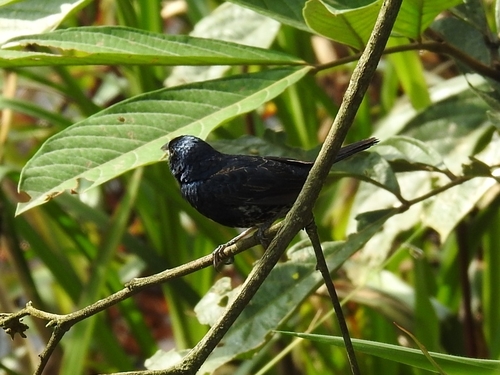
シコンヒワ (Volatinia jacarina) シコンヒワ
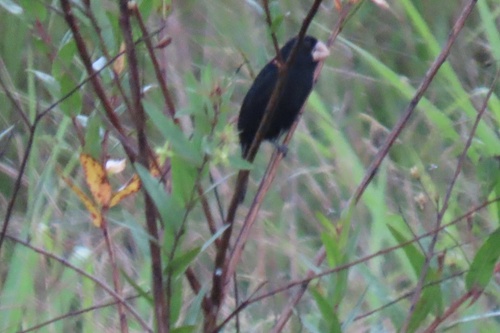
ニカラグアオオコメワリ (Sporophila nuttingi) ニカラグアオオコメワリ

メディア

読み込み中…

要点

シコンヒワとニカラグアオオコメワリを区別する最も信頼できるフィールドマークは、くちばしのサイズと形状です:seed-finchは巨大で、深い基部を持つ淡い(象牙色またはピンクがかった)くちばしを持っていますが、grassquitのくちばしははるかに細く円錐形です。飛行中、雌と幼鳥のgrassquitは淡い翼帯と縞模様の胸を示しますが、seed-finchの雌/幼鳥はより地味で、暗い茶色です。両種の雄は黒ですが、grassquitの雄は小さく、青い光沢と微妙な白い翼の下のフラッシュを持ち、seed-finchの雄はよりがっしりしていて、青い光沢がなく、目立つ淡いくちばしを持っています。サイズと構造も役立ちます:seed-finchははるかに大きく、体重も重いです。両種は似たような雑草の生えた野原に生息することがありますが、seed-finchは範囲と生息地がより制限されています。

識別のコツ

  1. Bill size and color: ニカラグアオオコメワリは雄に巨大で、深い基部を持つ淡い(象牙色またはピンクがかった)くちばしを持ち、雌には淡い基部を持つ黒っぽいくちばしがあります。シコンヒワははるかに細く、鋭く円錐形の暗いくちばしを持っています。これは年齢や性別に関係なく最も信頼できるフィールドマークです。
  2. Overall size and shape: Seed-finchはgrassquitのほぼ2倍の重さで、はるかに長いです。フィールドでは、seed-finchはがっしりしていて重い頭に見えますが、grassquitは小柄でスズメのようです。
  3. Male plumage: 成熟した雄のgrassquitは光沢のある青黒で、小さな白い翼の下の斑点(飛行中に見えることがあります)と細い暗いくちばしを持っています。雄のseed-finchはマットな黒(青い光沢なし)で、巨大で淡いくちばしを持ち、翼に白はありません。grassquitの雄ははるかに小さく、より活発です。
  4. Female/juvenile plumage: 雌/幼鳥のgrassquitsは温かみのある茶色で、淡い縞模様、2つの微妙な翼帯、縞模様の胸と側面を持っています。雌/幼鳥のseed-finchesはより暗い茶色で、翼帯がなく、より地味で、時にはシナモン色の下部を持ち、強い縞模様はありません。seed-finchのくちばしは常に基部がより深く淡いです。
  5. Wingbars: grassquitの雌/幼鳥のみが淡い翼帯を示します(淡い先端から覆羽まで);seed-finchはどの年齢でも翼帯を示しません。
  6. Underwing/flight marks: Grassquit(特にnominateとperuviensis)は、飛行中に翼の下の基部(腋羽と翼の下の覆羽)に白い斑点を示します、特に雄において。Seed-finchは均一に暗い翼の下を持っています。
  7. Tail: Grassquitは外側の羽にバフの先端を持つ茶色の尾を持っています(新しい羽毛の時)、これはすぐに摩耗します。Seed-finchは、羽毛の残りと一致する単純な暗い尾を持っています。
  8. Breast streaking: Grassquitの雌/幼鳥は胸と側面に暗い縞模様の帯を持っています;seed-finchの雌/幼鳥は下部がはるかに地味です。
  9. Leg color: 両種は暗い脚を持ち、区別には役立ちません。
  10. Iris color: 両種は茶色の虹彩を持ち、診断には役立ちません。
  11. Display behavior: Grassquitの雄はしばしば露出した止まり木から跳ねるようなディスプレイ飛行を行います;seed-finchはそうしません。
  12. Habitat and range: Grassquitは広範囲に一般的で、開けた雑草の生えたまたは草の生えた生息地に生息しています。Seed-finchはコスタリカ、ニカラグア、パナマに制限されており、湿った湿地帯を好みます。
  13. Jizz: Grassquitは素早く、活発で、しばしば草の茎やワイヤーに止まります。Seed-finchは遅く、重く、密な植生の低いところで見つかる可能性が高いです。
  14. Voice: 提供されたメモには記載されていません;現在の情報で区別するために声に頼らないでください。
  15. Pitfalls: 未熟なgrassquitは、くちばしのサイズが注意深く記録されない場合、seed-finchと混同されることがあります、特に翼帯が摩耗しているか淡い場合。常にくちばしの深さと色を確認し、grassquitの微妙な縞模様や翼帯を探してください。

大きさ

シコンヒワはニカラグアオオコメワリよりもはるかに小さい(8.7–10.9 cm、8–12 g)です。seed-finchはほぼ2倍の重さで、明らかに長く、はるかに頑丈な体と不釣り合いに大きなくちばしを持っています。並べて見ると、grassquitは優雅でスズメのように見えますが、seed-finchはがっしりしていて頭が大きいです。

羽色

行動

シコンヒワはしばしば露出した止まり木から短い跳ねるようなディスプレイ飛行を行っているのが見られ、特に雄がそうです。彼らは活発で、時には小さな群れで、頻繁に草の茎やワイヤーに止まります。ニカラグアオオコメワリは動きがより慎重で重く、しばしば密な植生の低いところや湿地の端で採餌します。seed-finchはgrassquitに典型的なアクロバティックなディスプレイ飛行を行うことは稀で、水から遠く離れた開けた雑草の生えた野原で見られる可能性は低いです。

生息環境

シコンヒワは広範囲に適応性があり、メキシコから南アメリカのほとんど、島々を含む低木の生えた野原、草地、道路脇、牧草地、開けた藪に見られます [wikipedia]。ニカラグアオオコメワリははるかに局所的で、コスタリカ、ニカラグア、パナマに制限されており、湿った生息地、例えば湿地の端、水の近くの雑草、湿った牧草地を好む傾向があります。両者は雑草の生えた野原に生息することがありますが、seed-finchは乾燥した場所や高地では見られる可能性が低いです。

より良い説明を送る

比較と同じ項目を使ってください。文章はすぐに公開されます。

The most reliable field mark to separate Blue-black Grassquit from Nicaraguan Seed-Finch is bill size and shape: the seed-finch has a massive, deep-based, pale (ivory or pinkish) bill, while the grassquit’s bill is much slimmer and conical. In flight, female and juvenile grassquits show faint wingbars and a streaked breast, unlike the plainer, darker brown female/juvenile seed-finch. Males of both species are black, but the grassquit male is smaller, with a blue sheen and a subtle white underwing flash in flight, while the seed-finch male is bulkier, lacks blue gloss, and has a strikingly pale bill. Size and structure are also useful: the seed-finch is much larger and heavier-bodied. Both species can occur in similar weedy fields, but the seed-finch is more restricted in range and habitat.

  1. Bill size and color: Nicaraguan Seed-Finch has a massive, deep-based, pale (ivory or pinkish) bill in males, and a blackish bill with a pale base in females. Blue-black Grassquit has a much slimmer, sharply conical, dark bill. This is the single most reliable field mark at any age or sex.
  2. Overall size and shape: Seed-finch is nearly twice the weight and much longer than grassquit. In the field, the seed-finch looks bulky and heavy-headed, while the grassquit is petite and sparrow-like.
  3. Male plumage: Adult male grassquit is glossy blue-black with a small white underwing patch (sometimes visible in flight), and a slim dark bill. Male seed-finch is matte black (no blue gloss), with a huge, pale bill and no white in the wing. The grassquit male is much smaller and more active.
  4. Female/juvenile plumage: Female/juvenile grassquits are warm brown with faint streaks, two subtle wingbars, and a streaked breast and flanks. Female/juvenile seed-finches are darker brown, lack wingbars, and have plainer, sometimes cinnamon underparts with little or no streaking. The seed-finch's bill is always deeper and paler at the base.
  5. Wingbars: Only grassquit females/juveniles show faint wingbars (from pale tips to coverts); seed-finch never shows wingbars at any age.
  6. Underwing/flight marks: Grassquit (especially nominate and peruviensis) shows a white patch at the base of the underwing (axillaries and underwing coverts) in flight, especially in males. Seed-finch has uniformly dark underwings.
  7. Tail: Grassquit has a brown tail with buff tips on outer feathers (in fresh plumage), which wear off quickly. Seed-finch has a plain dark tail, matching the rest of the plumage.
  8. Breast streaking: Grassquit females/juveniles have a band of dark streaks across the breast and along the flanks; seed-finch females/juveniles are much plainer below.
  9. Leg color: Both species have dark legs, not useful for separation.
  10. Iris color: Both species have brown irises, not diagnostic.
  11. Display behavior: Grassquit males often perform bouncing display flights from exposed perches; seed-finch does not.
  12. Habitat and range: Grassquit is widespread and common in open, weedy, or grassy habitats throughout the Neotropics. Seed-finch is restricted to Costa Rica, Nicaragua, and Panama, and prefers wetter, marshy areas.
  13. Jizz: Grassquit is quick, active, and often perches on grass stems or wires. Seed-finch is slower, heavier, and more likely to be found low in dense vegetation.
  14. Voice: Not described in the provided notes; do not rely on vocalizations for separation with current information.
  15. Pitfalls: Immature grassquits can be confused with seed-finches if bill size is not carefully noted, especially if wingbars are worn or faint. Always check bill depth and color, and look for subtle streaking or wingbars in grassquits.

Blue-black Grassquit is much smaller (8.7–10.9 cm, 8–12 g) than Nicaraguan Seed-Finch (14–14.5 cm, ~24 g) [wikipedia]. The seed-finch is nearly twice as heavy and noticeably longer, with a much more robust body and a disproportionately large bill. Side-by-side, the grassquit looks dainty and sparrow-like, while the seed-finch is chunky and bull-headed.

  • Juvenile/immature/female contrast: Female and juvenile Blue-black Grassquits are warm brown above with faint streaks and two subtle wingbars, plus a streaked breast and flanks. Their wings and tail are brown with paler tips (outer tail feathers may show buff tips when fresh). Juvenile/female Nicaraguan Seed-Finches are darker brown above, lack wingbars, and have plainer, sometimes cinnamon-brown underparts without strong streaking. The seed-finch's bill is always much deeper and paler at the base (females: blackish with pinkish ivory base).

  • Adult male contrast: Male Blue-black Grassquit is glossy blue-black with a slim, dark bill and a small white patch at the base of the underwing (visible in flight). Male Nicaraguan Seed-Finch is entirely black (no blue gloss) with a huge, pale ivory or pink bill and no white in the wing. Grassquit males are much smaller and more delicate in build.

  • Flight marks: Grassquit females/juveniles may show faint wingbars and a pale underwing patch (especially in nominate and peruviensis subspecies), while seed-finch shows uniform dark wings with no pale patches or wingbars.

Blue-black Grassquit is often seen making short, bouncing display flights from exposed perches, especially males. They are active, sometimes in small flocks, and frequently perch on grass stems or wires. Nicaraguan Seed-Finch is more deliberate and heavy in movement, often foraging low in dense vegetation or at the edge of marshes. The seed-finch rarely performs the acrobatic display flights typical of grassquits and is less likely to be seen in open, weedy fields far from water.

Blue-black Grassquit is widespread and adaptable, found in shrubby fields, grassy areas, roadsides, pastures, and open thickets from Mexico through most of South America, including islands [wikipedia]. Nicaraguan Seed-Finch is much more localized, restricted to Costa Rica, Nicaragua, and Panama, and tends to favor wetter habitats such as marsh edges, rank grass near water, and wet pastures. While both may occur in weedy fields, the seed-finch is less likely in dry or upland sites.

変更を破棄しますか?

保存していない編集があります。今離れると失われます。

シコンヒワ · ニカラグアオオコメワリ · 苦手な鳥