

Motmot

アフリカコガモ 対 キバシガモ

Spatula hottentota 対 Anas undulata

アフリカコガモとキバシガモのクイズ
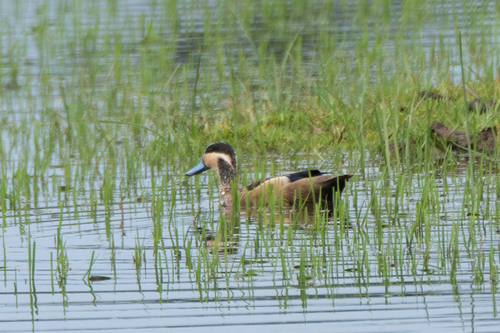
アフリカコガモ (Spatula hottentota) アフリカコガモ
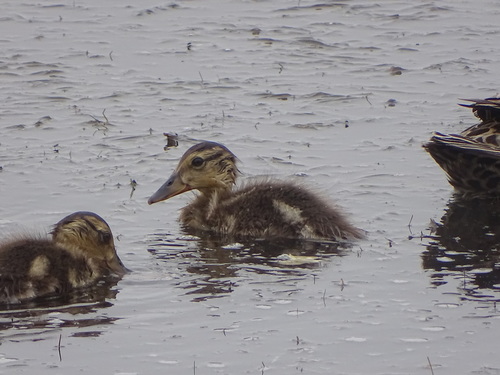
キバシガモ (Anas undulata) キバシガモ

メディア

読み込み中…

要点

アフリカコガモとキバシガモの最も信頼できるフィールドマークはくちばしの色です:アフリカコガモは淡い青みがかったくちばし(暗いクルメンと爪を持つ)を持ち、キバシガモは明るい黄色のくちばしを示します。飛んでいる時や休んでいる時、アフリカコガモはずっと小さく、よりコンパクトで、短い首と尾を持ち、特に首と胸に明確な斑点と模様のある羽毛を持っています。キバシガモは大きく、主に無地の灰色の体、暗い頭、白で縁取られた緑のスペキュラムを持っています。幼鳥と雌のアフリカコガモは鈍い色合いになることがありますが、常にキバシガモの無地さと大きさを欠いています。両種は緑のスペキュラムを持っていますが、周囲の翼の模様と全体の構造は異なります。

識別のコツ

  1. くちばしの色は最も早いチェック:アフリカコガモは暗い先端を持つ淡い青みがかったくちばしを持ち、キバシガモは常に明るい黄色のくちばしを示します。これはすべての年齢と性別に適用されます。
  2. サイズと構造:アフリカコガモはずっと小さく、よりコンパクトで、短い首と尾を持っています;キバシガモは大きく、長い首を持ち、頑丈です。これは鳥が一緒に見られる時や既知の種と一緒に見られる時に使用します。
  3. 頭と顔の模様:アフリカコガモは暗い茶色の冠と淡い顔を持ち、耳に黒っぽい斑点があります(成鳥のオスが最も目立ちますが、すべての年齢である程度は見られます)。キバシガモは強い顔の模様がない均一な暗い頭を持っています。
  4. 胸と脇の斑点:アフリカコガモ(すべての年齢、特に成鳥のオス)は首と胸に黒い斑点があり、時には脇にまで広がります。キバシガモは無地の灰色で、斑点や筋がありません。
  5. 飛行中のスペキュラムと翼の模様:両者は緑のスペキュラムを持っていますが、アフリカコガモのものは狭い黒と白のバーで縁取られ、よりコンパクトです;キバシガモのものは大きく、より広い白い縁と淡い下翼を持っています。これは飛行中や翼が広げられた時に最も有用です。
  6. 光沢のある上翼の覆い羽:成鳥のオスのアフリカコガモは翼の覆い羽に緑がかった光沢を持ち、雌や幼鳥には欠けており、キバシガモには存在しません。
  7. 下部:アフリカコガモの下部は斑点があり、特に後方に向かって螺旋状になっています;キバシガモは無地で無地のままです。
  8. 足と足の色:アフリカコガモは青みがかった灰色の足と足を持っています;キバシガモの足の色はフィールドでは特徴的ではありません。
  9. 幼鳥の混乱:幼鳥のアフリカコガモは鈍い色合いですが、まだいくつかの斑点と顔のコントラストを示します;幼鳥のキバシガモは無地で、成鳥よりわずかに鈍いだけです。
  10. 群れのサイズと行動:開水域での大きな群れはキバシガモの可能性が高いです;植生のある池での小さな群れやペアはアフリカコガモを示唆します。
  11. 生息地の文脈:アフリカコガモは静かな植生のある湿地にいる可能性が高いです;キバシガモは開かれた、乱された、または郊外の水域に一般的です。
  12. 鳴き声:大きなクワックやホイッスルはキバシガモを指し示します;アフリカコガモはほとんど静かで、ディスプレイ中にのみ柔らかい機械的な鳴き声を発します。
  13. 尾と首の長さ:アフリカコガモは短い尾と首を持ち、コンパクトな外観を与えます;キバシガモは両方とも長いです。
  14. 性差:オスのアフリカコガモはより対照的で光沢があります;雌と幼鳥のアフリカコガモは鈍いですが、まだ模様があります。キバシガモの性別は似ています。
  15. 疑わしい場合:もし鳥が小さく、コンパクトで、斑点があり、青いくちばしを持っているなら、それはアフリカコガモです。もしそれが大きく、無地で、黄色いくちばしを持っているなら、それはキバシガモです。

大きさ

アフリカコガモは小さなカモで、長さ33–35 cm、体重53–288 g、翼幅58–69 cmです。対照的に、キバシガモはずっと大きく、長さ51–58 cm(マガモサイズ)で、フィールドでは明らかに重く、頑丈です。サイズの違いは、共に見られたり、スケールのために馴染みのある種と一緒に見られるときにしばしば明らかです。アフリカコガモは優雅でコンパクトに見えますが、キバシガモは頑丈で、より長い首と尾を持っています。

羽色

幼鳥と雌のアフリカコガモはオスより鈍いですが、常に首と胸にいくらかの黒い斑点と対照的な顔の模様を示します。すべての年齢の上翼には狭い黒と白の縁を持つ緑のスペキュラムがありますが、覆い羽は成鳥のオスにのみ光沢のある緑がかったものです。すべての年齢と性別のキバシガモは主に無地の灰色で、暗い頭を持ち、明らかな斑点や顔のコントラストが欠けています;その緑のスペキュラムは白で縁取られ、翼の残りは無地です。幼鳥のキバシガモは成鳥よりわずかに鈍いだけで、強い模様はありません。飛行中、アフリカコガモはコンパクトな体と短い翼を持ち、緑のスペキュラムと白い後縁を示しますが、キバシガモはより大きく、広い翼を持ち、緑のスペキュラムとより広範な白い縁、淡い下翼を示します。

行動

アフリカコガモは一般的に目立たず、しばしば単独または小さな群れで見られ、キバシガモよりも社交的ではありません。水辺で静かにダブリングしたり休んだりしていることが多いです。キバシガモは繁殖期以外は非常に社交的で、大きな群れを形成し、開水域で見られたり、群れで飛んでいることが多いです。両種は食べ物を求めてダブリングしますが、キバシガモはより活発で目立ち、特に繁殖期以外ではそうです。

生息環境

両種は湖、湿地、池などの淡水生息地を共有していますが、アフリカコガモは静かな植生のある湿地を好む傾向があり、より小さなまたは一時的な池で見られる可能性が高いです。キバシガモは開かれた国や大きな水域に豊富で、ゴルフコースや公園を含む郊外や乱された生息地に対してより耐性があります。アフリカコガモは一般的にあまり見られず、あまり乱されていない場所に制限されています。

声

キバシガモはマガモに似たオスのホイッスルと雌のクワックを持ち、群れや求愛中に聞こえます。アフリカコガモは静かで、オスはディスプレイ中に柔らかい機械的な「ゲップ」のような鳴き声を出しますが、その他はあまり声を出しません。フィールドでは、大きなクワックやホイッスルの存在はキバシガモを示す可能性が高いです。

より良い説明を送る

比較と同じ項目を使ってください。文章はすぐに公開されます。

The most reliable field mark between Blue-billed Teal and Yellow-billed Duck is the bill color: Blue-billed Teal has a pale bluish bill (with a dark culmen and nail), while Yellow-billed Duck shows a bright yellow bill. In flight or at rest, Blue-billed Teal is much smaller and more compact, with a shorter neck and tail, and a distinctly spotted and patterned plumage, especially on the neck and breast. Yellow-billed Duck is larger, with a mostly plain grey body, darker head, and a green speculum bordered with white. Juvenile and female Blue-billed Teal can be duller, but always lack the plainness and size of Yellow-billed Duck. Both species have a green speculum, but the surrounding wing pattern and overall structure are different.

  1. Bill color is the quickest check: Blue-billed Teal has a pale bluish bill with a dark tip, while Yellow-billed Duck always shows a bright yellow bill. This works for all ages and sexes.
  2. Size and structure: Blue-billed Teal is much smaller and more compact, with a short neck and tail; Yellow-billed Duck is large, long-necked, and robust. Use this when birds are seen together or with known species.
  3. Head and face pattern: Blue-billed Teal shows a dark brown crown and paler face with a blackish patch on the ear (adult males most striking, but visible in all ages to some degree). Yellow-billed Duck has a uniform dark head with no strong facial markings.
  4. Breast and flank spotting: Blue-billed Teal (all ages, but especially adult males) has black spots on the neck and breast, sometimes extending to the flanks. Yellow-billed Duck is plain grey with no spots or streaks.
  5. Speculum and wing pattern in flight: Both have a green speculum, but Blue-billed Teal's is bordered by narrow black and white bars and is more compact; Yellow-billed Duck's is larger, with broader white borders and a pale underwing. This is most useful in flight or when wings are stretched.
  6. Glossy upperwing coverts: Adult male Blue-billed Teal has a greenish gloss to the wing coverts, lacking in females and juveniles, and absent in Yellow-billed Duck.
  7. Underparts: Blue-billed Teal's underparts are spotted and vermiculated, especially toward the rear; Yellow-billed Duck is plain and unmarked below.
  8. Leg and foot color: Blue-billed Teal has bluish-grey legs and feet; Yellow-billed Duck's leg color is not distinctive in the field.
  9. Juvenile confusion: Juvenile Blue-billed Teal is duller but still shows some spotting and facial contrast; juvenile Yellow-billed Duck is plain and only slightly duller than adults.
  10. Group size and behavior: Large flocks in open water are more likely Yellow-billed Duck; small groups or pairs in vegetated pools suggest Blue-billed Teal.
  11. Habitat context: Blue-billed Teal is more likely in quiet, vegetated wetlands; Yellow-billed Duck is common in open, disturbed, or suburban water bodies.
  12. Vocalizations: Loud quacks or whistles point to Yellow-billed Duck; Blue-billed Teal is mostly silent, with only soft mechanical calls during display.
  13. Tail and neck length: Blue-billed Teal has a short tail and neck, giving a compact look; Yellow-billed Duck is longer in both.
  14. Sex differences: Male Blue-billed Teal is more contrasting and glossy; female and juvenile Blue-billed Teal are duller but still patterned. Yellow-billed Duck sexes are similar.
  15. When in doubt: If the bird is small, compact, spotted, and has a blue bill, it's Blue-billed Teal. If it's large, plain, and yellow-billed, it's Yellow-billed Duck.

Blue-billed Teal is a small duck, measuring 33–35 cm in length and weighing 53–288 g, with a wingspan of 58–69 cm. In contrast, Yellow-billed Duck is much larger, at 51–58 cm long (mallard-sized), and is noticeably heavier and bulkier in the field. The difference in size is often obvious when seen together or with familiar species for scale. Blue-billed Teal appears dainty and compact, while Yellow-billed Duck is robust with a longer neck and tail.

Juvenile and female Blue-billed Teal are duller than males but always show some degree of black spotting on the neck and breast, and a contrasting face pattern, even if less crisp than in adult males. The upperwing in all ages has a green speculum with narrow black and white borders, but the coverts are glossy greenish only in adult males. Yellow-billed Duck of all ages and sexes is mostly plain grey with a darker head, lacking obvious spots or facial contrast; its green speculum is bordered by white, and the rest of the wing is otherwise plain. Juvenile Yellow-billed Ducks are only slightly duller than adults, without strong patterning. In flight, Blue-billed Teal shows a compact body and short wings with a green speculum and white trailing edge, while Yellow-billed Duck shows a larger, broader wing with a green speculum and more extensive white borders, and a pale underwing.

Blue-billed Teal is generally less conspicuous, often seen singly or in small groups, and is less gregarious than Yellow-billed Duck. It is more likely to be found quietly dabbling or resting at the water's edge. Yellow-billed Duck is highly gregarious outside the breeding season, forming large flocks, and is more likely to be seen in open water or flying in groups. Both species dabble for food, but Yellow-billed Duck is more active and visible, especially outside the breeding season.

Both species share freshwater habitats such as lakes, marshes, and ponds, but Blue-billed Teal tends to prefer quieter, vegetated wetlands and is more likely to be found in smaller or temporary pools. Yellow-billed Duck is abundant in open country and larger water bodies, and is more tolerant of suburban or disturbed habitats, including golf courses and parks. Blue-billed Teal is generally less common and more restricted to less disturbed sites.

Yellow-billed Duck has a male whistle and a female quack similar to a mallard, which can be heard in flocks or during courtship. Blue-billed Teal is quieter, with males producing a soft mechanical 'burping' call during display, but is otherwise not very vocal. In the field, the presence of loud quacking or whistling is more likely to indicate Yellow-billed Duck.

変更を破棄しますか?

保存していない編集があります。今離れると失われます。

アフリカコガモ · キバシガモ · 苦手な鳥