

Blue-billed Teal vs Yellow-billed Duck
Spatula hottentota contro Anas undulata
Fai un quiz con Blue-billed Teal e Yellow-billed Duck
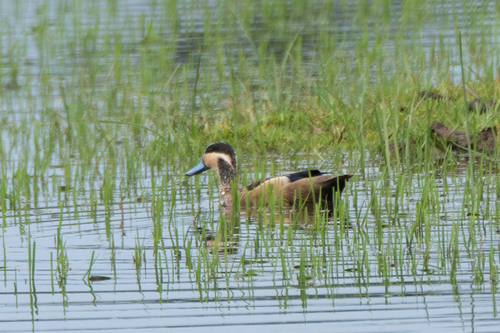 Blue-billed Teal
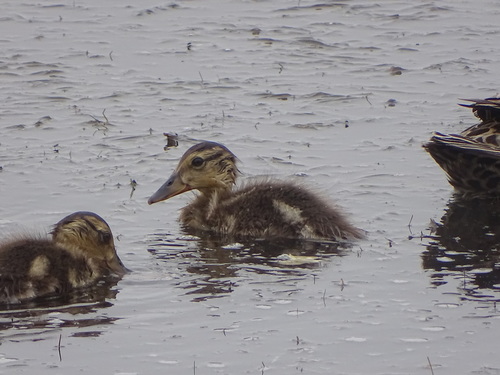 Yellow-billed Duck
In breve
Il segno distintivo più affidabile tra Blue-billed Teal e Yellow-billed Duck è il colore del becco: Blue-billed Teal ha un becco bluastro chiaro (con un culmine e un'unghia scuri), mentre Yellow-billed Duck mostra un becco giallo brillante. In volo o a riposo, Blue-billed Teal è molto più piccolo e compatto, con un collo e una coda più corti, e un piumaggio distintamente macchiato e patternato, specialmente sul collo e sul petto. Yellow-billed Duck è più grande, con un corpo grigio per lo più uniforme, una testa più scura e uno speculum verde bordato di bianco. I giovani e le femmine di Blue-billed Teal possono essere più opachi, ma mancano sempre della semplicità e della grandezza di Yellow-billed Duck. Entrambe le specie hanno uno speculum verde, ma il pattern delle ali circostanti e la struttura generale sono diversi.
Consigli di identificazione
- Il colore del becco è il controllo più veloce: Blue-billed Teal ha un becco bluastro chiaro con una punta scura, mentre Yellow-billed Duck mostra sempre un becco giallo brillante. Questo funziona per tutte le età e i sessi.
- Dimensione e struttura: Blue-billed Teal è molto più piccolo e compatto, con un collo e una coda corti; Yellow-billed Duck è grande, con collo lungo e robusto. Usa questo quando gli uccelli sono visti insieme o con specie conosciute.
- Pattern della testa e del viso: Blue-billed Teal mostra una corona marrone scuro e un viso più chiaro con una macchia nerastra sull'orecchio (i maschi adulti sono i più evidenti, ma visibili in tutte le età in qualche misura). Yellow-billed Duck ha una testa scura uniforme senza forti segni facciali.
- Macchie sul petto e sui fianchi: Blue-billed Teal (tutte le età, ma specialmente i maschi adulti) ha macchie nere sul collo e sul petto, a volte estendendosi ai fianchi. Yellow-billed Duck è grigio uniforme senza macchie o striature.
- Speculum e pattern delle ali in volo: Entrambi hanno uno speculum verde, ma quello di Blue-billed Teal è bordato da strette barre nere e bianche ed è più compatto; quello di Yellow-billed Duck è più grande, con bordi bianchi più ampi e un sottogrigio chiaro. Questo è più utile in volo o quando le ali sono distese.
- Copritrici superiori lucide: Il maschio adulto di Blue-billed Teal ha una lucentezza verdastra sulle copritrici delle ali, assente nelle femmine e nei giovani, e assente in Yellow-billed Duck.
- Parte inferiore: Le parti inferiori di Blue-billed Teal sono macchiate e vermicolate, specialmente verso la parte posteriore; Yellow-billed Duck è uniforme e senza segni sotto.
- Colore delle gambe e dei piedi: Blue-billed Teal ha gambe e piedi grigio-bluastri; il colore delle gambe di Yellow-billed Duck non è distintivo sul campo.
- Confusione giovanile: Il giovane Blue-billed Teal è più opaco ma mostra ancora alcune macchie e contrasto facciale; il giovane Yellow-billed Duck è uniforme e solo leggermente più opaco degli adulti.
- Dimensione del gruppo e comportamento: Grandi stormi in acque aperte sono più probabilmente Yellow-billed Duck; piccoli gruppi o coppie in pozze vegetate suggeriscono Blue-billed Teal.
- Contesto dell'habitat: Blue-billed Teal è più probabile trovarlo in zone umide tranquille e vegetate; Yellow-billed Duck è comune in corpi idrici aperti, disturbati o suburbani.
- Vocalizzazioni: Quack o fischi forti indicano Yellow-billed Duck; Blue-billed Teal è per lo più silenzioso, con solo chiamate meccaniche morbide durante la display.
- Lunghezza della coda e del collo: Blue-billed Teal ha una coda e un collo corti, dando un aspetto compatto; Yellow-billed Duck è più lungo in entrambi.
- Differenze sessuali: Il maschio di Blue-billed Teal è più contrastante e lucido; la femmina e il giovane di Blue-billed Teal sono più opachi ma ancora patternati. I sessi di Yellow-billed Duck sono simili.
- Quando in dubbio: Se l'uccello è piccolo, compatto, macchiato e ha un becco blu, è Blue-billed Teal. Se è grande, uniforme e con becco giallo, è Yellow-billed Duck.
Taglia
Blue-billed Teal è un'anatra piccola, che misura 33–35 cm di lunghezza e pesa 53–288 g, con un'apertura alare di 58–69 cm. Al contrario, Yellow-billed Duck è molto più grande, con una lunghezza di 51–58 cm (dimensioni del germano reale), ed è notevolmente più pesante e robusto sul campo. La differenza di dimensione è spesso ovvia quando sono visti insieme o con specie familiari per scala. Blue-billed Teal appare delicato e compatto, mentre Yellow-billed Duck è robusto con un collo e una coda più lunghi.
Piumaggio
I giovani e le femmine di Blue-billed Teal sono più opachi dei maschi ma mostrano sempre un certo grado di macchie nere sul collo e sul petto, e un pattern facciale contrastante, anche se meno nitido rispetto ai maschi adulti. L'ala superiore in tutte le età ha uno speculum verde con bordi neri e bianchi stretti, ma le copritrici sono lucide verdastre solo nei maschi adulti. Yellow-billed Duck di tutte le età e sessi è per lo più grigio uniforme con una testa più scura, privo di macchie evidenti o contrasto facciale; il suo speculum verde è bordato di bianco, e il resto dell'ala è altrimenti uniforme. I giovani Yellow-billed Duck sono solo leggermente più opachi degli adulti, senza forti pattern. In volo, Blue-billed Teal mostra un corpo compatto e ali corte con uno speculum verde e un bordo bianco, mentre Yellow-billed Duck mostra un'ala più grande e più ampia con uno speculum verde e bordi bianchi più estesi, e un sottogrigio chiaro.
Comportamento
Blue-billed Teal è generalmente meno appariscente, spesso visto singolarmente o in piccoli gruppi, ed è meno gregario rispetto a Yellow-billed Duck. È più probabile trovarlo a dabble silenziosamente o a riposo al bordo dell'acqua. Yellow-billed Duck è altamente gregario al di fuori della stagione riproduttiva, formando grandi stormi, ed è più probabile essere visto in acque aperte o volando in gruppi. Entrambe le specie si nutrono a dabble, ma Yellow-billed Duck è più attivo e visibile, specialmente al di fuori della stagione riproduttiva.
Habitat
Entrambe le specie condividono habitat di acqua dolce come laghi, paludi e stagni, ma Blue-billed Teal tende a preferire zone umide tranquille e vegetate ed è più probabile trovarlo in pozze più piccole o temporanee. Yellow-billed Duck è abbondante in campagna aperta e in corpi idrici più grandi, ed è più tollerante verso habitat suburbani o disturbati, inclusi campi da golf e parchi. Blue-billed Teal è generalmente meno comune e più ristretto a siti meno disturbati.
Voce
Yellow-billed Duck ha un fischio maschile e un quack femminile simile a un germano reale, che può essere udito in stormi o durante il corteggiamento. Blue-billed Teal è più silenzioso, con i maschi che producono una morbida chiamata meccanica 'burping' durante la display, ma altrimenti non è molto vocale. Sul campo, la presenza di quack o fischi forti è più probabile indicare Yellow-billed Duck.
Blue-billed Teal · Yellow-billed Duck · I miei uccelli difficili