

Motmot

アフリカコガモ 対 ケープハシビロガモ

Spatula hottentota 対 Spatula smithii

アフリカコガモとケープハシビロガモのクイズ

アフリカコガモ (Spatula hottentota) アフリカコガモ
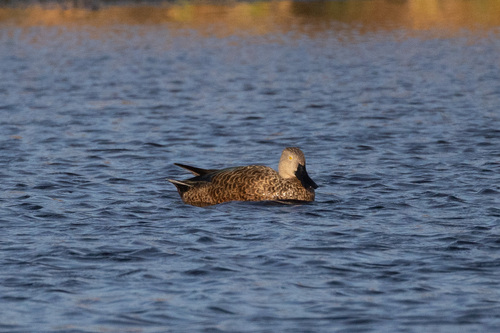
ケープハシビロガモ (Spatula smithii) ケープハシビロガモ

メディア

読み込み中…

要点

アフリカコガモとケープハシビロガモを区別する最も信頼できる方法は、サイズとくちばしの形です:ケープハシビロガモははるかに大きく、広くてシャベルのようなくちばしを持っていますが、アフリカコガモは小さく、比率的に短くて細い青みがかったくちばしを持っています。飛んでいるときや水面にいるとき、アフリカコガモはコンパクトな体型と白と黒の境界を持つ緑のスペキュラムを示しますが、ケープハシビロガモはより大きく、淡い青の前羽と白い境界で分けられた緑のスペキュラムを持っています。成鳥のオスのアフリカコガモは明確に斑点のある胸と淡い顔を持つ暗い冠を持っていますが、ケープハシビロガモの成鳥はより均一に斑点のある茶色がかった灰色です。両種の幼鳥と雌は見分けが難しいことがありますが、サイズとくちばしの違いは明らかです。両種は南アフリカで一緒に見られることがありますが、ケープハシビロガモはより局所的で群れを作る傾向があります。

識別のコツ

  1. Size is the first check: ケープハシビロガモはアフリカコガモよりもはるかに大きくてがっしりしています。似たような2羽のカモを見た場合、小さい方はほぼ確実にアフリカコガモです。
  2. Bill shape is crucial: ケープハシビロガモは頭に対して大きすぎるように見える広くて長いシャベル型のくちばしを持っています。アフリカコガモは比率的に短く、細く、青みがかったくちばしを持ち、先端は黒っぽいです。これは、止まっている鳥と泳いでいる鳥の両方で明らかです。
  3. Wing pattern in flight or at rest: アフリカコガモ(すべての年齢)は、黒で縁取られた緑のスペキュラムを示し、その後ろには白いバーがあります。ケープハシビロガモは淡い青の前羽(カバー羽)と白い境界で分けられた緑のスペキュラムを持ち、雌は灰色の前羽を持っています。これは、飛んでいるときや鳥が羽繕いをしているときに最もよく見られます。
  4. Adult male アフリカコガモ: 暗い茶色の冠、淡い顔、強く斑点のある胸と首を探してください。顔は冠よりも明らかに淡い色で、耳の近くに黒っぽい斑点があります。
  5. ケープハシビロガモ adult plumage: 全体的に均一に斑点のある灰色がかった茶色で、オスは雌よりも淡い頭を持っています。冠と顔の間に強いコントラストはありません。
  6. Leg and eye color: アフリカコガモは青みがかった灰色の脚と茶色の目を持ち、ケープハシビロガモは鈍いオレンジ色の脚とオスは黄色の目を持っています。これらは微妙ですが、近距離で役立つことがあります。
  7. Juvenile/female confusion: 両種の雌と幼鳥は鈍く、あまり目立たないですが、サイズとくちばしの形は信頼できます。幼鳥のアフリカコガモは成鳥よりも小さく、斑点も少ないですが、決してハシビロガモの体重やくちばしのサイズには近づきません。
  8. Feeding behavior: 水面でくちばしを左右に振っているカモを見たら、それはおそらくケープハシビロガモです。アフリカコガモはより伝統的に水面を漁ります。
  9. Group size: 開けた水面での大きな群れはケープハシビロガモである可能性が高いです。アフリカコガモはより多くの場合、ペアや小さなグループで見られます。
  10. Habitat overlap: 両種は南アフリカの湿地で見られることがありますが、アフリカコガモはより広範囲に分布しており、より多様な湿地タイプで見つけることができます。
  11. Voice: 鳴き声はあまり役に立たないことが多いですが、小さなカモからの機械的な「ゲップ」はアフリカコガモであり、大きなカモからの静かな「ラール」や「カウィック」、またはクワックはケープハシビロガモです。
  12. Sex differences: オスのケープハシビロガモは淡い頭と黄色の目を持っていますが、両性は似ています。オスのアフリカコガモは雌や幼鳥よりも強く模様が入っています。
  13. In mixed flocks: いつもハシビロガモの中で小さくてコンパクトなくちばしの短いカモを探してください—これがアフリカコガモです。
  14. When in doubt: サイズとくちばしの形は最も信頼できるものであり、距離があっても暗い場所でも同様です。
  15. Common pitfalls: 特に日食や幼鳥では羽毛の模様だけに頼らないでください—構造とサイズはこの2種にとってはるかに信頼できます。

大きさ

ケープハシビロガモははるかに大きく、長さは51〜53 cmで、アフリカコガモは33〜35 cmです([wikipedia])。ハシビロガモはまた、はるかに広くて長いくちばしを持っています。アフリカコガモは小さくて繊細なカモで、体重は53〜288 gですが、ケープハシビロガモははるかに重いです(正確な体重は記載されていませんが、一貫して大きくてがっしりしていると説明されています)。翼幅もケープハシビロガモの方が大きいです(具体的には指定されていませんが、全体的なサイズから推測されます)。これらのサイズの違いは、フィールドでも明らかで、距離があっても混成群でも確認できます。

羽色

幼鳥と雌のアフリカコガモは成鳥のオスよりも鈍く、斑点も少ないですが、依然として小さくて整った模様を持ち、コンパクトな体型を示します。すべての年齢のアフリカコガモの上羽は黒っぽく、緑のスペキュラムを持ち、狭い黒とその後に白のバーで縁取られています。ケープハシビロガモは、すべての羽色で淡い青の前羽(カバー羽)と白い境界で分けられた緑のスペキュラムを示し、雌は青の代わりに灰色の前羽を持っています。成鳥のオスのアフリカコガモは暗い茶色の冠、淡い顔、強く斑点のある胸を持っていますが、ケープハシビロガモはより均一に斑点のある灰色がかった茶色で、オスは淡い頭を持っています。ケープハシビロガモの両性は鈍いオレンジ色の脚と黄色の目(オス)を持ち、アフリカコガモは青みがかった灰色の脚と茶色の目を持っています。幼鳥のアフリカコガモは成鳥よりも鈍く、明確な模様は少ないですが、依然として小さく、ケープハシビロガモよりも短いくちばしを持っています。

行動

ケープハシビロガモは繁殖シーズン外に大きな群れで見られることが多く、広いくちばしを左右に振って水から食べ物をこし取ることで餌を取ります。アフリカコガモはペアや小さなグループで見られる可能性が高く、一般的に目立たないです。両種は水面を漁りますが、ハシビロガモの餌の取り方は特化したくちばしのためにより特徴的です。アフリカコガモは繁殖行動において比較的控えめで、微妙な求愛行動を示します。

生息環境

両種は開けた湿地、湿原、湿った草地を利用しますが、ケープハシビロガモは一部の水生植物がある開けた水を好み、開けた湿地で大きな群れで見られる可能性が高いです。アフリカコガモはサハラ以南のアフリカとマダガスカルのさまざまな湿地生息地に広く分布しており、しばしば少数で、時にはより植生が豊かで隠れた湿地に見られます。南アフリカでは重複が可能ですが、ケープハシビロガモはより局所的で広範囲には分布していません。

声

ケープハシビロガモは一般的に静かですが、オスは「ラール」や「カウィック」と呼ぶ声を出し、雌はクワックを持っています。アフリカコガモのオスはディスプレイ中に柔らかい機械的な「ゲップ」の声を出すことができますが、両種とも特に声が大きいわけではなく、距離があるときには声はあまり診断的ではありません。

より良い説明を送る

比較と同じ項目を使ってください。文章はすぐに公開されます。

The most reliable way to separate Blue-billed Teal from Cape Shoveler is by size and bill shape: Cape Shoveler is much larger and has a broad, shovel-shaped bill, while Blue-billed Teal is small with a proportionally short, narrow, bluish bill. In flight or on water, Blue-billed Teal shows a compact build and a green speculum with white and black borders, whereas Cape Shoveler is bulkier, with a pale blue forewing and green speculum separated by a white border. Adult male Blue-billed Teal have a distinctly spotted breast and a dark crown with a pale face, while Cape Shoveler adults are more uniformly speckled brown-grey. Juveniles and females of both can be tricky, but the size and bill differences remain obvious. Both species may occur together in southern Africa, but Cape Shoveler is more localized and gregarious.

  1. Size is the first check: Cape Shoveler is much larger and bulkier than Blue-billed Teal. If you see two similar ducks together, the smaller one is almost certainly Blue-billed Teal.
  2. Bill shape is crucial: Cape Shoveler has a broad, long, spatulate bill that looks oversized for its head. Blue-billed Teal has a proportionally short, narrow, bluish bill with a blackish tip. This is obvious in both perched and swimming birds.
  3. Wing pattern in flight or at rest: Blue-billed Teal (all ages) shows a green speculum bordered behind by black and then a white bar. Cape Shoveler has a pale blue forewing (coverts) and a green speculum separated by a white border; females have a grey forewing. This is best seen in flight or when birds are preening.
  4. Adult male Blue-billed Teal: Look for a dark brown crown, pale face, and strongly spotted breast and neck. The face is distinctly paler than the crown, with a blackish patch near the ear.
  5. Cape Shoveler adult plumage: Uniformly speckled grey-brown overall, with males having a paler head than females. No strong contrast between crown and face.
  6. Leg and eye color: Blue-billed Teal has bluish-grey legs and brown eyes; Cape Shoveler has dull orange legs and, in males, yellow eyes. These are subtle but can help at close range.
  7. Juvenile/female confusion: Both species' females and juveniles are duller and less distinct, but the size and bill shape remain reliable. Juvenile Blue-billed Teal are smaller and less spotted than adults, but never approach the bulk or bill size of shoveler.
  8. Feeding behavior: If you see a duck swinging its bill side-to-side at the water surface, it's likely Cape Shoveler. Blue-billed Teal dabbles more conventionally.
  9. Group size: Large flocks on open water are more likely to be Cape Shoveler. Blue-billed Teal are more often in pairs or small groups.
  10. Habitat overlap: Both can occur in southern African wetlands, but Blue-billed Teal is more widespread and can be found in a wider range of wetland types.
  11. Voice: Calls are rarely helpful, but a mechanical 'burping' from a small duck is Blue-billed Teal; a quiet 'rarr' or 'cawick' or a quack from a large duck is Cape Shoveler.
  12. Sex differences: Male Cape Shoveler has a paler head and yellow eyes, but both sexes are similar. Male Blue-billed Teal is more strongly marked than female or juvenile.
  13. In mixed flocks: Always check for the small, compact duck with a short bill among shovelers—this will be Blue-billed Teal.
  14. When in doubt: Size and bill shape are the most reliable, even at a distance or in poor light.
  15. Common pitfalls: Do not rely solely on plumage pattern, especially in eclipse or juvenile birds—structure and size are much more reliable for these two species.

Cape Shoveler is substantially larger: 51–53 cm in length versus 33–35 cm for Blue-billed Teal ([wikipedia]). The shoveler also has a much broader, longer bill. Blue-billed Teal is a small, delicate duck, weighing 53–288 g, while Cape Shoveler is much heavier (exact weight not given, but consistently described as large and stocky). Wingspan is also greater in Cape Shoveler (not specified, but implied by overall size). These size differences are obvious in the field, even at a distance or in mixed flocks.

Juvenile and female Blue-billed Teal are duller and less spotted than adult males, but still show a small, neat pattern with a compact build. The upperwing in all ages of Blue-billed Teal is blackish with a green speculum, bordered behind by narrow black and then white bars. Cape Shoveler, in all plumages, shows a pale blue forewing (coverts) and a green speculum separated by a white border; females have a grey forewing instead of blue. Adult male Blue-billed Teal has a dark brown crown, pale face, and strongly spotted breast, while Cape Shoveler is more uniformly speckled grey-brown with a paler head in males. Both sexes of Cape Shoveler have dull orange legs and yellow eyes (male), while Blue-billed Teal has bluish-grey legs and brown eyes. Juvenile Blue-billed Teal are duller and less distinctly marked than adults, but still smaller and with a shorter bill than any Cape Shoveler.

Cape Shoveler is often seen in large, gregarious flocks outside the breeding season, feeding by swinging its broad bill side-to-side to strain food from water. Blue-billed Teal is more likely to be seen in pairs or small groups, and is generally less conspicuous. Both species dabble, but the shoveler's feeding technique is more distinctive due to its specialized bill. Blue-billed Teal is relatively undemonstrative in breeding behavior, with subtle courtship displays.

Both species use open wetlands, marshes, and wet grasslands, but Cape Shoveler prefers open water with some emergent vegetation and is more likely to be seen in large flocks on open wetlands. Blue-billed Teal is widespread in a variety of wetland habitats across sub-Saharan Africa and Madagascar, often in smaller numbers and sometimes in more vegetated or secluded wetlands. Overlap is possible in southern Africa, but Cape Shoveler is more localized and less widespread.

Cape Shoveler is generally quiet, but males give 'rarr' and 'cawick' calls, while females have a quack. Blue-billed Teal males can produce a soft mechanical 'burping' call during display, but both species are not especially vocal and calls are rarely diagnostic at a distance.

変更を破棄しますか?

保存していない編集があります。今離れると失われます。

アフリカコガモ · ケープハシビロガモ · 苦手な鳥