

Motmot

ウミネコ 対 ルイスキツツキ

Larus crassirostris 対 Melanerpes lewis

ウミネコとルイスキツツキのクイズ
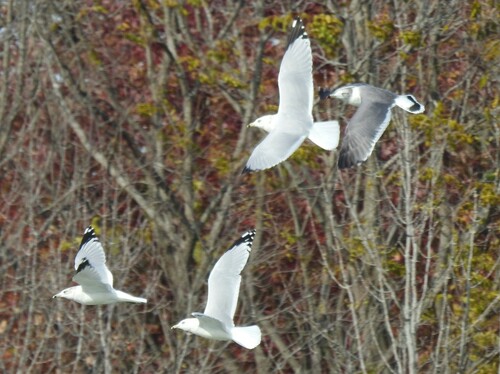
ウミネコ (Larus crassirostris) ウミネコ
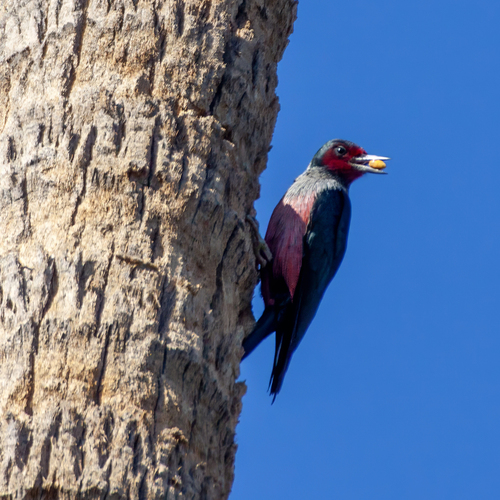
ルイスキツツキ (Melanerpes lewis) ルイスキツツキ

メディア

読み込み中…

要点

ウミネコとルイスキツツキを区別する最も信頼できる方法は、全体的な構造と飛行スタイルによるものです:ウミネコは黒い尾と黄色い脚を持つ大きくて長い翼の海鳥であり、ルイスキツツキは暗い緑がかった黒い背中、赤い顔、ピンクがかった腹を持つずんぐりした広い翼のキツツキです。飛行中、ウミネコは典型的なカモメのプロポーションと飛行を示し、一方、ルイスキツツキは遅く、カラスのような羽ばたきで飛び、しばしば露出した枝に直立して止まります。未熟なカモメでさえ、キツツキの独特な色の組み合わせや飛行スタイルを示すことはありません。赤い顔とピンクの腹を持つ鳥を見たら、それはルイスキツツキです;大きくて淡いカモメで黒い尾と黄色い脚を持つ鳥を見たら、それはウミネコです。

識別のコツ

  1. Flight style: ウミネコはカモメに典型的な長くて狭い翼で舞い上がり、滑空します;ルイスキツツキは遅く、安定したカラスのような羽ばたきと広い翼で飛びます。飛行がカラスを思い出させるなら、それはキツツキです。
  2. Tail color: 成熟したウミネコは黒い尾を持ち、止まっている時も飛んでいる時も見えます;ルイスキツツキは黒い尻尾を持っていますが、はっきりとした黒い尾先はありません。
  3. Leg color: 成熟したウミネコは黄色い脚を持っています;ルイスキツツキの脚は暗く、簡単には見えませんが、決して黄色ではありません。
  4. Bill: カモメは先端に赤と黒の斑点がある厚い黄色いくちばしを持っています;キツツキはまっすぐで彫刻のようなくちばしを持ち、色は暗く、色付きの斑点はありません。
  5. Plumage color: ルイスキツツキは暗い緑がかった黒い背中と翼、赤い顔、灰色の襟、ピンクがかった腹で間違いなく識別できます。ウミネコは淡い灰色と白で、顔や腹に赤やピンクはありません。
  6. Size: ウミネコはルイスキツツキよりもはるかに大きくてずんぐりしています。鳥がカラスの大きさかそれより小さく見えるなら、それはカモメではありません。
  7. Perching behavior: ルイスキツツキはしばしば露出した枝や枯れ木に直立して止まります;ウミネコは木に止まることはほとんどなく、通常は地面、岩の上、または水に浮かんでいるのが見られます。
  8. Habitat: 海岸、港、または島にいる場合はウミネコを期待してください;内陸のオープンな松林や散在する木々にいる場合はルイスキツツキを期待してください。
  9. Voice: ウミネコの猫のような「ミュー」という声と、ルイスキツツキの厳しいキツツキのような鳴き声を聞き分けてください。
  10. Wing shape: 飛行中、カモメの翼は長くて狭いです;キツツキの翼は広くて丸いです。
  11. Group size: ウミネコはしばしば大きくて騒がしい群れで見られます;ルイスキツツキは通常、孤独または小さな群れで見られます。
  12. Feeding behavior: カモメはしばしば船を追いかけ、掃除します;キツツキは空中で昆虫を捕まえ、木にナッツを貯蔵します。
  13. Facial pattern: 赤い顔と灰色の襟を持つのはルイスキツツキだけです;カモメの顔は平坦で淡いです。
  14. Age confusion: 未熟なウミネコでさえ、キツツキの色のパターンや構造を示すことはありません;年齢や季節によって近い一致はありません。
  15. Context: 木の中で赤い顔とピンクの腹を持つ鳥を見たら、それはルイスキツツキです。海岸で黒い尾と黄色い脚を持つ大きな淡いカモメを見たら、それはウミネコです。

大きさ

ウミネコはルイスキツツキよりもはるかに大きくて重いです。カモメは平均して約556.5gの質量と46cm(18.1インチ)の長さを持ち、翼幅は126〜128cm(49.6〜50.4インチ)です。それに対して、ルイスキツツキはわずか88〜139g、26〜28cm(10.2〜11インチ)の長さで、翼幅は49〜52cm(19.3〜20.5インチ)です。距離があっても、カモメの大きさと長い翼は、キツツキのよりコンパクトで広い翼の外観と比較して明らかです。

羽色

これら2種の羽毛には、どの年齢でも重複はありません。ウミネコは、未熟な段階でも、成鳥の黒い尾と黄色い脚を持つ典型的な淡いカモメです;完全な成鳥の羽毛に達するには4年かかりますが、決してルイスキツツキの暗い緑がかった黒、赤、ピンクの色を獲得することはありません。すべての年齢のルイスキツツキは、暗い緑がかった黒い背中と翼、赤い顔、灰色の襟、ピンクがかった腹の独特な組み合わせを示し、これはどのカモメにも一致しません。飛行中、キツツキの翼は広くて暗く、カモメの翼は長くて狭く、黒い尾を持つ淡い色です。年齢や季節によって翼のパターンや色合いに混乱は生じません。

行動

ウミネコはコロニーを形成し、高度に社会的な海鳥で、しばしば舞い上がったり、滑空したり、船や漁船を追いかけたりして見られ、木に直立して止まることはほとんどありません。大きな群れを形成し、水の近くで快適に過ごします。対照的に、ルイスキツツキは孤独または緩やかに群れを成すキツツキで、露出した枝や枯れ木に直立して止まり、しばしば空中で昆虫を捕まえるために飛び出します。その飛行は遅く、カラスのようで、広くて丸い翼を持ち、地面や水に着地することはほとんどありません。

生息環境

ウミネコは厳密に沿岸性で、東アジアの大きな水域の近くに見られ、しばしば海岸、島、港で見られます。ルイスキツツキは西北アメリカのオープンな松林や散在する木々の鳥で、水の近くや沿岸の環境にはほとんど見られません。内陸のオープンな森林にいる場合、ルイスキツツキを見る可能性がはるかに高いです;海岸や島にいる場合はウミネコを期待してください。

声

ウミネコは独特な猫のような「ミュー」という鳴き声を持ち、これはカモメの中でユニークであり、日本語や韓国語の名前の由来となっています。ルイスキツツキは厳しい多様な鳴き声を持っていますが、カモメのミューという音に似たものはありません。ミューという猫のような鳴き声を聞いたら、それはカモメです;厳しいキツツキのようなおしゃべりを聞いたら、それはルイスキツツキです。

より良い説明を送る

比較と同じ項目を使ってください。文章はすぐに公開されます。

The most reliable way to separate Black-tailed Gull from Lewis's Woodpecker is by overall structure and flight style: Black-tailed Gull is a large, long-winged seabird with a black tail and yellow legs, while Lewis's Woodpecker is a chunky, broad-winged woodpecker with a dark greenish-black back, red face, and pinkish belly. In flight, Black-tailed Gull shows typical gull proportions and flight, whereas Lewis's Woodpecker flies with slow, crow-like wingbeats and often perches upright on exposed branches. Even immature gulls never show the woodpecker's unique color combination or flight style. If you see a bird with a red face and pink belly, it's Lewis's Woodpecker; if you see a large, pale gull with a black tail and yellow legs, it's Black-tailed Gull.

  1. Flight style: Black-tailed Gull soars and glides with long, narrow wings typical of gulls; Lewis's Woodpecker flies with slow, steady, crow-like wingbeats and broad wings. If the flight reminds you of a crow, it's the woodpecker.
  2. Tail color: Adult Black-tailed Gull has a black tail, visible both perched and in flight; Lewis's Woodpecker has a black rump but not a distinctly black tail tip.
  3. Leg color: Black-tailed Gull has yellow legs as an adult; Lewis's Woodpecker's legs are dark and not easily seen, but never yellow.
  4. Bill: The gull has a thick, yellow bill with a red and black spot at the tip; the woodpecker has a straight, chisel-like bill, dark in color, never with colored spots.
  5. Plumage color: Lewis's Woodpecker is unmistakable with its dark greenish-black back and wings, red face, gray collar, and pinkish belly. Black-tailed Gull is pale gray and white with no red or pink on the face or belly.
  6. Size: Black-tailed Gull is much larger and bulkier than Lewis's Woodpecker. If the bird looks crow-sized or smaller, it's not the gull.
  7. Perching behavior: Lewis's Woodpecker often perches upright on exposed branches or snags; Black-tailed Gull rarely perches on trees and is usually seen standing on the ground, rocks, or floating on water.
  8. Habitat: If you are on a seashore, harbor, or island, expect Black-tailed Gull; if you are in open pine woodland or scattered trees inland, expect Lewis's Woodpecker.
  9. Voice: Listen for the cat-like 'mew' of the gull versus the harsh, woodpecker-like calls of Lewis's Woodpecker.
  10. Wing shape: In flight, the gull's wings are long and narrow; the woodpecker's are broad and rounded.
  11. Group size: Black-tailed Gull is often found in large, noisy flocks; Lewis's Woodpecker is usually solitary or in small groups.
  12. Feeding behavior: The gull often follows boats and scavenges; the woodpecker catches insects in the air and stores nuts in trees.
  13. Facial pattern: Only Lewis's Woodpecker has a red face and gray collar; the gull's face is plain and pale.
  14. Age confusion: Even immature Black-tailed Gulls never show the woodpecker's color pattern or structure; no age or season produces a close match.
  15. Context: If you see a bird with a red face and pink belly in a tree, it's Lewis's Woodpecker. If you see a large, pale gull with a black tail and yellow legs on a shoreline, it's Black-tailed Gull.

Black-tailed Gull is much larger and heavier than Lewis's Woodpecker. The gull averages about 556.5 g in mass and 46 cm (18.1 in) in length, with a wingspan of 126–128 cm (49.6–50.4 in). In contrast, Lewis's Woodpecker is only 88–139 g, 26–28 cm (10.2–11 in) long, and has a wingspan of 49–52 cm (19.3–20.5 in). Even at a distance, the gull's size and long wings are obvious compared to the woodpecker's more compact, broad-winged look.

There is no overlap in plumage between these two species at any age. Black-tailed Gull, even as a juvenile, is a typical pale gull with a black tail and yellow legs in adulthood; it takes four years to reach full adult plumage, but never acquires the dark greenish-black, red, and pink colors of Lewis's Woodpecker. Lewis's Woodpecker of all ages shows a unique combination of a dark greenish-black back and wings, a red face, gray collar, and pinkish belly, which is never matched by any gull. In flight, the woodpecker's wings are broad and dark, while the gull's are long, narrow, and pale with black tail. No age or season produces confusion in wing pattern or coloration.

Black-tailed Gull is a colonial, highly social seabird often seen soaring, gliding, or following ships and fishing fleets, and is rarely found perched upright on trees. It often gathers in large flocks and is comfortable around water. Lewis's Woodpecker, by contrast, is a solitary or loosely gregarious woodpecker that perches upright on exposed branches or snags, often sallying out to catch insects in the air. Its flight is slow and crow-like, with broad, rounded wings, and it rarely if ever lands on the ground or water.

Black-tailed Gull is strictly coastal or found near large bodies of water in East Asia, often seen along shorelines, islands, and harbors. Lewis's Woodpecker is a bird of open pine woodlands and scattered trees in western North America, rarely if ever near water or in coastal settings. If you are inland in open woodland, you are far more likely to see Lewis's Woodpecker; if you are on a seashore or island, expect Black-tailed Gull.

Black-tailed Gull has a distinctive cat-like 'mew' call, which is unique among gulls and gives rise to its Japanese and Korean names. Lewis's Woodpecker has a harsh, varied call, but nothing resembling the gull's mewing sound. If you hear a mewing, cat-like call, it's the gull; if you hear a harsh, woodpecker-like chatter, it's Lewis's Woodpecker.

変更を破棄しますか?

保存していない編集があります。今離れると失われます。

ウミネコ · ルイスキツツキ · 苦手な鳥