

Motmot

クロコサギ 対 セジロミゾゴイ

Egretta ardesiaca 対 Calherodius leuconotus

クロコサギとセジロミゾゴイのクイズ
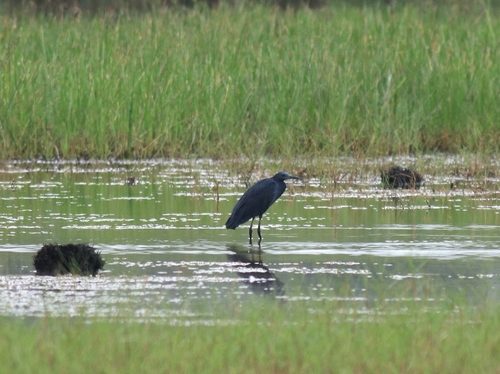
クロコサギ (Egretta ardesiaca) クロコサギ
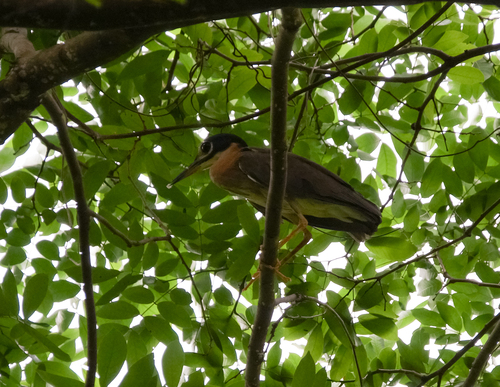
セジロミゾゴイ (Calherodius leuconotus) セジロミゾゴイ

メディア

読み込み中…

要点

クロコサギとセジロミゾゴイを区別する最も信頼できるフィールドマークは全体の羽色です:クロコサギは均一に黒く、黄色い足を持ち、セジロミゾゴイは背中に目を引く白い三角形の斑点と赤褐色の首と胸を示します。未成熟のセジロミゾゴイはストライプの入った胸と上翼の覆羽に白い斑点を持ち、クロコサギはどの年齢でもこれを示しません。飛んでいる時や休んでいる時、クロコサギの黒い羽色と独特のキャノピー給餌姿勢は特徴的であり、セジロミゾゴイはより大きく、短い冠羽と大きな赤い目を持っています。両種は中型のアフリカのサギですが、その構造、行動、羽色の詳細により、注意深い観察で混同を避けることができます。

識別のコツ

  1. Juvenile/immature separation: 未成熟のセジロミゾゴイはストライプの入った胸と上翼の覆羽に白い斑点を示します;クロコサギの未成熟個体は均一に黒く、ストライプや斑点はありません。これは若い鳥にとって最も信頼できるマークです。
  2. Overall plumage: クロコサギは全体が黒く、くちばしも黒く、黄色い足を持っています。セジロミゾゴイは短い冠羽を持つ黒い頭、赤褐色の首と胸、白い喉、そして背中に目立つ白い三角形の斑点があります。これらのコントラストは良い光の中で明らかです。
  3. Back pattern: 背中の白い三角形の斑点(肩羽から)はセジロミゾゴイに特有で、止まっている鳥と飛んでいる鳥の両方で見ることができます。クロコサギは背中に白い部分を示しません。
  4. Head and face: セジロミゾゴイは白いリングと淡い黄色の顔の部分を持つ大きな赤い目を持ち、短い冠羽または頭頂に目立つ羽毛のディスプレイがあります。クロコサギは平坦な黒い頭とくちばしを持ち、冠羽や顔の色のコントラストはありません。
  5. Leg and foot color: クロコサギは黄色い足を持ち(しばしば水中での足や飛行中に見える)、セジロミゾゴイは黄色い足を持っていますが、足に対する強調は少ないです。これは補助的なマークであり、主要なものではありません。
  6. Bill color: クロコサギのくちばしは黒いです;セジロミゾゴイのくちばしの色は指定されていませんが、黒いとは記述されていないので、頭とのコントラストを探してください。
  7. Behavior: クロコサギのキャノピー給餌(頭の上に傘のように羽を持つ)は独特で診断的です。この行動を見た場合、セジロミゾゴイではありません。
  8. Activity period: クロコサギは日中、特に日没時に活動的であり、セジロミゾゴイはより薄明かりまたは夜行性です。昼間の目撃はクロコサギを支持します。
  9. Habitat context: クロコサギは開けた浅い水域や湖や池の縁にいる可能性が高く、セジロミゾゴイはより隠れた湿地を好み、昼間の開水域にはあまり現れません。
  10. Structure: クロコサギは姿勢がより細身で優雅であり、セジロミゾゴイはより大きく、短い首と夜行性のサギに典型的なより丸まった外見を持っています。
  11. Crest: セジロミゾゴイだけが短い冠羽または目立つ冠羽を示し、クロコサギの頭は繁殖羽毛(長くて細い、冠羽ではない)を除いて滑らかです。
  12. Breeding plumes: 繁殖期には、クロコサギは頭頂とうなじに長い羽毛を示しますが、他の羽色は黒のままです。セジロミゾゴイの繁殖時の変化は指定されていませんが、白い背中の斑点は常に存在します。
  13. Chick plumage: これはダウニーの雛を見た場合にのみ関連します;セジロミゾゴイの雛はオリーブ褐色ですが、クロコサギの雛は記述されていませんが、オリーブ褐色のダウンは示さないでしょう。
  14. Group size: クロコサギは大きな給餌群(最大200羽)で見られることがありますが、セジロミゾゴイはより孤独または小さな群れで見られます。
  15. Flight silhouette: 明示的には記述されていませんが、クロコサギの全黒の翼と体は飛行中に非常に暗く見え、セジロミゾゴイは白い背中の斑点と淡い腹部とのコントラストを示すかもしれません。

大きさ

クロコサギは通常42.5–66 cmの高さで、セジロミゾゴイは50–55 cmの長さです。これにより、セジロミゾゴイは平均してわずかに長くなりますが、サイズには重複があり、両者は中型のサギと見なされます。体重はクロコサギのみに与えられ(0.27–0.39 kg)、フィールドで明らかな違いはないでしょう。クロコサギのより細身の体型とセジロミゾゴイのより大きな外見などの構造的な違いは、サイズだけでの区別よりも役立ちます。

羽色

幼鳥と未成熟の鳥は上翼と胸のパターンによって最も簡単に区別されます:未成熟のセジロミゾゴイはストライプの入った胸と上翼の覆羽に白い斑点を持ち、クロコサギの未成熟個体はストライプや斑点なしで均一に黒いです。成鳥も簡単に区別できます:クロコサギは全体が黒く、くちばしも黒く、黄色い足を持ち、繁殖羽色では頭頂とうなじに長い羽毛があります。セジロミゾゴイの成鳥は短い冠羽を持つ黒い頭、大きな赤い目に白いリング、淡い黄色の顔の部分、白い喉、赤褐色の首と胸、背中に目立つ白い三角形の斑点(肩羽から)、そして白っぽい褐色の腹羽を持っています。足は黄色です。白い背中の斑点は雛を除くすべての年齢において診断的です。セジロミゾゴイの雛はオリーブ褐色のダウンを持っていますが、これはフィールドではあまり見られません。

行動

クロコサギは独特のキャノピー給餌技術で有名で、羽を傘のように使って水を陰にし、魚を引き寄せます。この行動は非常に特徴的で、セジロミゾゴイでは示されません。クロコサギはしばしば単独または群れで給餌し、大きな群れで見られることもあり、日中、特に日没時に活動的です。セジロミゾゴイはその名前が示すように、より薄明かりまたは夜行性の習性を持ち、昼間に開けた場所で積極的に給餌しているのを見ることは少ないです。クロコサギは夜間に共同で休息しますが、セジロミゾゴイの休息行動はあまり記述されていませんが、夜行性のサギに典型的な(しばしば孤独または小さな群れで)です。

生息環境

両種はサハラ以南のアフリカに生息し、範囲が重なることがありますが、クロコサギはより浅い開水域、湖や池の縁、湿地、川の縁、稲作地、洪水の草原に見られることが多いです。また、沿岸の干潟やアルカリ性の湖にも見られます。セジロミゾゴイはこれらの生息地のいくつかを共有しますが、一般的に昼間の開けた場所で見られる可能性は低く、より隠れたまたは繁茂した湿地を好み、薄明かりや夜により活動的です。観察の文脈(昼間の開水域対薄明かり/夜の隠れた湿地)は、識別をサポートするのに役立ちます。

より良い説明を送る

比較と同じ項目を使ってください。文章はすぐに公開されます。

The most reliable field mark to separate Black Heron from White-backed Night Heron is overall plumage: Black Heron is uniformly black with yellow feet, while White-backed Night Heron shows a striking white triangular patch on the back and a rufous neck and breast. Immature White-backed Night Herons have streaked breasts and white spots on the upperwing coverts, which Black Heron never shows at any age. In flight or at rest, Black Heron’s black plumage and unique canopy-feeding posture are distinctive, while White-backed Night Heron is bulkier, with a short crest and large red eyes. Both species are medium-sized African herons, but their structure, behavior, and plumage details make confusion avoidable with careful observation.

  1. Juvenile/immature separation: Immature White-backed Night Herons show a streaked breast and white spots on the upperwing coverts; Black Heron immatures are uniformly black with no streaks or spots. This is the most reliable mark for young birds.
  2. Overall plumage: Black Heron is entirely black, including the bill, with yellow feet. White-backed Night Heron has a black head with a short crest, rufous neck and breast, white throat, and a prominent white triangular patch on the back. These contrasts are obvious in good light.
  3. Back pattern: The white triangular patch on the back (from the scapulars) is unique to White-backed Night Heron and visible in both perched and flying birds. Black Heron never shows any white on the back.
  4. Head and face: White-backed Night Heron has large red eyes with white rings and pale yellow lores, plus a short crest or prominent feather display on the crown. Black Heron has a plain black head and bill, lacking any crest or facial color contrast.
  5. Leg and foot color: Black Heron has yellow feet (often visible when wading or in flight), while White-backed Night Heron has yellow legs but less emphasis on the feet. This is a supporting mark, not primary.
  6. Bill color: Black Heron’s bill is black; White-backed Night Heron’s bill color is not specified but is not described as black, so look for a contrast with the head.
  7. Behavior: Black Heron’s canopy feeding (wings held umbrella-like over the head) is unique and diagnostic. If you see this behavior, it is never White-backed Night Heron.
  8. Activity period: Black Heron is active by day, especially at sunset, while White-backed Night Heron is more crepuscular or nocturnal. Daytime sightings in open water favor Black Heron.
  9. Habitat context: Black Heron is more likely in open, shallow water or at the edges of lakes and ponds; White-backed Night Heron prefers more secluded wetlands and is less likely in open water during the day.
  10. Structure: Black Heron is more slender and elegant in posture, while White-backed Night Heron is bulkier with a shorter neck and a more hunched appearance typical of night herons.
  11. Crest: Only White-backed Night Heron shows a short crest or prominent crown feathers; Black Heron’s head is smooth except for breeding plumes (which are long and fine, not a crest).
  12. Breeding plumes: In breeding season, Black Heron shows long plumes on the crown and nape, but the rest of the plumage remains black. White-backed Night Heron’s breeding changes are not specified, but the white back patch is always present.
  13. Chick plumage: Only relevant if you see downy chicks; White-backed Night Heron chicks are olive-brown, while Black Heron chicks are not described but would not show the olive-brown down.
  14. Group size: Black Heron can be seen in large feeding flocks (up to 200), while White-backed Night Heron is more solitary or in small groups.
  15. Flight silhouette: While not explicitly described, Black Heron’s all-black wings and body will look very dark in flight, while White-backed Night Heron may show contrast with the white back patch and paler underparts if seen well.

Black Heron is typically 42.5–66 cm in height, while White-backed Night Heron is 50–55 cm in length. This makes the White-backed Night Heron slightly longer on average, but there is overlap in size and both are considered medium-sized herons. Weight is only given for Black Heron (0.27–0.39 kg), but the difference is not likely to be obvious in the field. Structural differences, such as the Black Heron's more slender build and the White-backed Night Heron's bulkier appearance, are more useful than size alone for separation.

Juvenile and immature birds are most easily separated by upperwing and breast pattern: Immature White-backed Night Herons have a streaked breast and white spots on the upperwing coverts, while Black Heron immatures are uniformly black without any streaking or spotting. Adults are also easily separated: Black Heron is entirely black, including the bill, with yellow feet and, in breeding plumage, long plumes on the crown and nape. White-backed Night Heron adults have a black head with a short crest, large red eyes with white rings, pale yellow lores, a white throat, rufous neck and breast, a prominent white triangular patch on the back (from the scapulars), and whitish-brown belly feathers. The legs are yellow. The white back patch is diagnostic for all ages except chicks. Chicks of White-backed Night Heron are olive-brown downy, but this is rarely seen in the field.

Black Heron is famous for its unique canopy feeding technique, where it uses its wings like an umbrella to shade the water and attract fish. This behavior is highly distinctive and not shown by White-backed Night Heron. Black Heron often feeds solitarily or in groups, sometimes in large flocks, and is active by day, especially around sunset. White-backed Night Heron, as its name suggests, is more crepuscular or nocturnal in habits, and is less likely to be seen actively feeding in the open during the day. Black Heron roosts communally at night, while White-backed Night Heron’s roosting behavior is less described but is typical of night herons (often solitary or in small groups).

Both species occur in sub-Saharan Africa and can overlap in range, but Black Heron is more often found in shallow open waters, such as lake and pond edges, marshes, river edges, rice fields, and flooded grasslands. It is also found in coastal tidal flats and alkaline lakes. White-backed Night Heron shares some of these habitats but is generally less likely to be seen in open areas during the day, preferring more secluded or overgrown wetlands and being more active at dusk or night. Context of observation (open water by day vs. secluded wetland at dusk/night) can help support identification.

変更を破棄しますか?

保存していない編集があります。今離れると失われます。

クロコサギ · セジロミゾゴイ · 苦手な鳥