

Airone ardesia vs White-backed Night Heron
Egretta ardesiaca contro Calherodius leuconotus
Fai un quiz con Airone ardesia e White-backed Night Heron
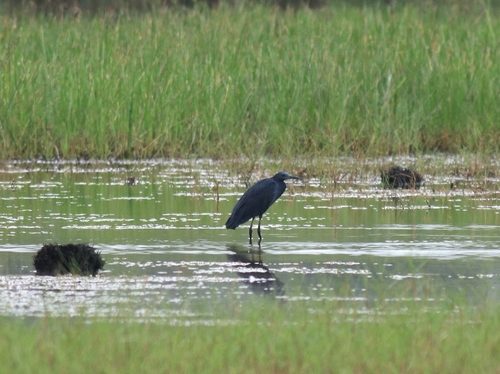 Airone ardesia
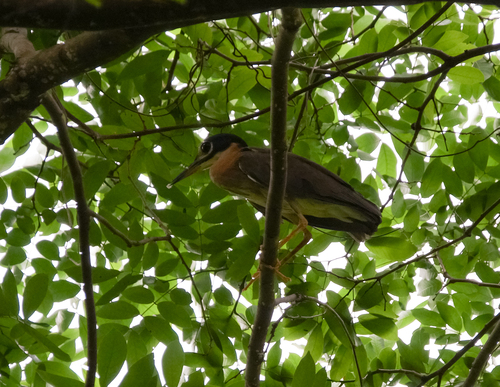 White-backed Night Heron
In breve
Il segno di campo più affidabile per separare l'Airone ardesia dal White-backed Night Heron è il piumaggio complessivo: l'Airone ardesia è uniformemente nero con piedi gialli, mentre il White-backed Night Heron mostra una sorprendente macchia bianca triangolare sulla schiena e un collo e un petto rugginosi. Gli esemplari immaturi di White-backed Night Heron hanno petti striati e macchie bianche sulle copritrici dell'ala superiore, che l'Airone ardesia non mostra mai a nessuna età. In volo o a riposo, il piumaggio nero dell'Airone ardesia e la sua unica postura di alimentazione sotto la chioma sono distintivi, mentre il White-backed Night Heron è più robusto, con una cresta corta e grandi occhi rossi. Entrambe le specie sono aironi africani di taglia media, ma la loro struttura, comportamento e dettagli del piumaggio rendono la confusione evitabile con un'attenta osservazione.
Consigli di identificazione
- Separazione giovanile/immatura: Gli esemplari immaturi di White-backed Night Heron mostrano un petto striato e macchie bianche sulle copritrici dell'ala superiore; gli immaturi di Airone ardesia sono uniformemente neri senza striature o macchie. Questo è il segno più affidabile per i giovani uccelli.
- Piumaggio complessivo: L'Airone ardesia è completamente nero, compreso il becco, con piedi gialli. Il White-backed Night Heron ha una testa nera con una cresta corta, collo e petto rugginosi, gola bianca e una prominente macchia bianca triangolare sulla schiena. Questi contrasti sono evidenti in buona luce.
- Schema della schiena: La macchia bianca triangolare sulla schiena (dalle scapolari) è unica per il White-backed Night Heron ed è visibile sia negli uccelli posati che in volo. L'Airone ardesia non mostra mai bianco sulla schiena.
- Testa e faccia: Il White-backed Night Heron ha grandi occhi rossi con anelli bianchi e lore giallo pallido, oltre a una cresta corta o una prominente esposizione di piume sulla corona. L'Airone ardesia ha una testa e un becco neri semplici, privi di qualsiasi cresta o contrasto di colore facciale.
- Colore delle gambe e dei piedi: L'Airone ardesia ha piedi gialli (spesso visibili quando si muove nell'acqua o in volo), mentre il White-backed Night Heron ha gambe gialle ma meno enfasi sui piedi. Questo è un segno secondario, non primario.
- Colore del becco: Il becco dell'Airone ardesia è nero; il colore del becco del White-backed Night Heron non è specificato ma non è descritto come nero, quindi cerca un contrasto con la testa.
- Comportamento: L'alimentazione sotto la chioma dell'Airone ardesia (ali tenute a ombrello sopra la testa) è unica e diagnostica. Se vedi questo comportamento, non è mai White-backed Night Heron.
- Periodo di attività: L'Airone ardesia è attivo di giorno, specialmente al tramonto, mentre il White-backed Night Heron è più crepuscolare o notturno. Le osservazioni diurne in acque aperte favoriscono l'Airone ardesia.
- Contesto dell'habitat: L'Airone ardesia è più probabile che si trovi in acque aperte e poco profonde o ai margini di laghi e stagni; il White-backed Night Heron preferisce zone umide più isolate ed è meno probabile che si trovi in acque aperte durante il giorno.
- Struttura: L'Airone ardesia è più snello ed elegante nella postura, mentre il White-backed Night Heron è più robusto con un collo più corto e un aspetto più curvo tipico degli aironi notturni.
- Cresta: Solo il White-backed Night Heron mostra una cresta corta o piume prominenti sulla corona; la testa dell'Airone ardesia è liscia tranne che per le piume da corteggiamento (che sono lunghe e sottili, non una cresta).
- Piume da corteggiamento: Durante la stagione degli amori, l'Airone ardesia mostra lunghe piume sulla corona e sulla nuca, ma il resto del piumaggio rimane nero. Le variazioni di corteggiamento del White-backed Night Heron non sono specificate, ma la macchia bianca sulla schiena è sempre presente.
- Piumaggio dei pulcini: Rilevante solo se vedi pulcini piumati; i pulcini di White-backed Night Heron sono di un marrone oliva, mentre i pulcini di Airone ardesia non sono descritti ma non mostrerebbero il piumaggio marrone oliva.
- Dimensione del gruppo: L'Airone ardesia può essere visto in grandi stormi di alimentazione (fino a 200), mentre il White-backed Night Heron è più solitario o in piccoli gruppi.
- Silhouette in volo: Anche se non è descritto esplicitamente, le ali e il corpo completamente neri dell'Airone ardesia appariranno molto scuri in volo, mentre il White-backed Night Heron potrebbe mostrare contrasto con la macchia bianca sulla schiena e le parti inferiori più chiare se visto bene.
Taglia
L'Airone ardesia è tipicamente alto 42,5–66 cm, mentre il White-backed Night Heron è lungo 50–55 cm. Questo rende il White-backed Night Heron leggermente più lungo in media, ma c'è sovrapposizione nelle dimensioni e entrambi sono considerati aironi di taglia media. Il peso è fornito solo per l'Airone ardesia (0,27–0,39 kg), ma la differenza non è probabile che sia evidente sul campo. Le differenze strutturali, come la costruzione più snella dell'Airone ardesia e l'aspetto più robusto del White-backed Night Heron, sono più utili della dimensione da sola per la separazione.
Piumaggio
Gli uccelli giovanili e immaturi sono più facilmente separati dal modello dell'ala superiore e del petto: gli immaturi di White-backed Night Heron hanno un petto striato e macchie bianche sulle copritrici dell'ala superiore, mentre gli immaturi di Airone ardesia sono uniformemente neri senza striature o macchie. Anche gli adulti sono facilmente separabili: l'Airone ardesia è completamente nero, compreso il becco, con piedi gialli e, in piumaggio da corteggiamento, lunghe piume sulla corona e sulla nuca. Gli adulti di White-backed Night Heron hanno una testa nera con una cresta corta, grandi occhi rossi con anelli bianchi, lore giallo pallido, una gola bianca, collo e petto rugginosi, una prominente macchia bianca triangolare sulla schiena (dalle scapolari) e piume ventrali bianco-marroni. Le gambe sono gialle. La macchia bianca sulla schiena è diagnostica per tutte le età tranne che per i pulcini. I pulcini di White-backed Night Heron sono piumati di un marrone oliva, ma questo è raramente visto sul campo.
Comportamento
L'Airone ardesia è famoso per la sua unica tecnica di alimentazione sotto la chioma, in cui usa le sue ali come un ombrello per ombreggiare l'acqua e attrarre i pesci. Questo comportamento è altamente distintivo e non è mostrato dal White-backed Night Heron. L'Airone ardesia spesso si nutre solitariamente o in gruppi, a volte in grandi stormi, ed è attivo di giorno, specialmente intorno al tramonto. Il White-backed Night Heron, come suggerisce il suo nome, è più crepuscolare o notturno nelle abitudini, ed è meno probabile che venga visto attivamente a nutrirsi in spazi aperti durante il giorno. L'Airone ardesia si riposa in modo comunitario di notte, mentre il comportamento di riposo del White-backed Night Heron è meno descritto ma è tipico degli aironi notturni (spesso solitari o in piccoli gruppi).
Habitat
Entrambe le specie si trovano nell'Africa sub-sahariana e possono sovrapporsi nel loro areale, ma l'Airone ardesia è più spesso trovato in acque aperte poco profonde, come i margini di laghi e stagni, paludi, margini dei fiumi, campi di riso e praterie allagate. Si trova anche in pianure costiere e laghi alcalini. Il White-backed Night Heron condivide alcuni di questi habitat ma è generalmente meno probabile che venga visto in aree aperte durante il giorno, preferendo zone umide più isolate o incolte ed essendo più attivo al crepuscolo o di notte. Il contesto di osservazione (acqua aperta di giorno vs. zona umida isolata al crepuscolo/notte) può aiutare a supportare l'identificazione.
Airone ardesia · White-backed Night Heron · I miei uccelli difficili