

Motmot

クロチュウヒ 対 カンムリヒタキ

Circus maurus 対 Trochocercus cyanomelas

クロチュウヒとカンムリヒタキのクイズ
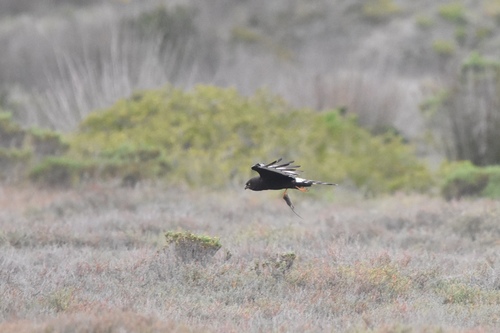
クロチュウヒ (Circus maurus) クロチュウヒ
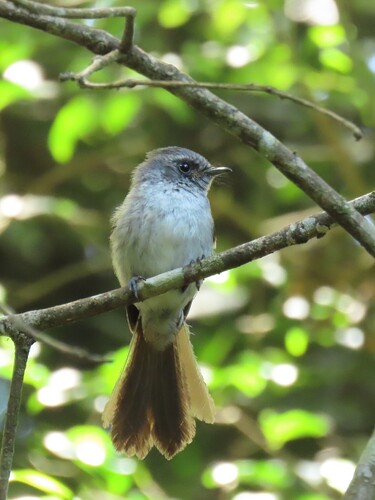
カンムリヒタキ (Trochocercus cyanomelas) カンムリヒタキ

メディア

読み込み中…

要点

クロチュウヒとカンムリヒタキを区別する最も信頼できる方法は、全体のサイズと構造です:クロチュウヒは大きく、スリムな猛禽類で、長い翼と尾を持っていますが、カンムリヒタキは小さく、繊細な歌鳥です。飛行中、クロチュウヒは目を引く白い尾羽と対照的な黒と白の翼の模様を示し、特に成鳥や古い幼鳥で顕著ですが、ヒタキはこれを示しません。止まっているとき、クロチュウヒは全体が黒く見え(成鳥)、一方でヒタキはずっと小さく、より多様な羽毛と目立つ冠を持っています。距離があっても、体型、飛行スタイル、そして生息地の使用の違いは劇的です。

識別のコツ

  1. Size is the quickest check: クロチュウヒは大きな猛禽類で、ヒタキの約10倍の重さがあります。もしその鳥が鷹のサイズかそれ以上に見えるなら、それはヒタキではありません。
  2. Flight pattern: クロチュウヒは開けた地面の上を低く滑空し、四分の一の位置を保ちます;カンムリヒタキは森の中でひらひらと飛び回り、決して滑空したり上昇したりしません。
  3. White rump in flight (all ages, クロチュウヒ): 鳥が空中にいるときに、目立つ白い尾羽と飛行羽に白があるか探してください。カンムリヒタキはこれを示しません。
  4. All-black plumage when perched (adult クロチュウヒ): もし止まっているときに全体が黒く見える鳥を見たら、それは成鳥のクロチュウヒです。ヒタキは決して全て黒ではありません。
  5. Juvenile クロチュウヒ: バフ色の腹部に重い胸の斑点があり、しかしまだクロチュウヒの構造と白い尾羽を持っています;ヒタキの幼鳥はこのパターンを持っているとは記述されていません。
  6. Crest (カンムリヒタキ): ヒタキだけが目立つ冠を持っており、しばしば立てています。クロチュウヒは冠を示しません。
  7. Bill shape: クロチュウヒはフック状の猛禽類のくちばしを持っています;カンムリヒタキは細く、まっすぐな昆虫食のくちばしを持っています。
  8. Tail shape: クロチュウヒは長く、直線的な尾を持っています;ヒタキはわずかに丸みを帯びたまたは段階的な尾を示すことがあり、しばしば振ったり扇形に広げたりします。
  9. Habitat context: 密林や森林ではヒタキを期待し、開けた国ではクロチュウヒを期待します。
  10. Behavior on perch: クロチュウヒは直立して止まり、しばしばポストや露出した枝に止まります;ヒタキはより活発で、しばしば尾や冠を振ります。
  11. Sex differences: 両種は性別間で似た羽毛を持っています;識別に性別に頼らないでください。
  12. Vocalization: 現在のメモでは診断的ではありません;ここではどちらの種の鳴き声も記述されていません。
  13. Confusion risk: 遠くから見ると、止まっているクロチュウヒは大きくて暗い鳥と間違えられる可能性がありますが、サイズと構造はすぐに明確にするはずです。ヒタキは近くで猛禽類と混同されることは決してありません。
  14. Seasonal movement: クロチュウヒは渡り鳥で、季節によってさまざまな開けた生息地で見られることがあります;ヒタキは森林地域に常駐しています。
  15. Plumage pitfalls: 幼いクロチュウヒでさえ、バフ色と斑点を持っていても、ヒタキとははるかに大きく、構造的に異なります。ヒタキの年齢や性別は、全て黒であったり白い尾羽を示したりすることはありません。

大きさ

クロチュウヒは非常に大きく、翼幅は105–115 cm、体長は44–50 cm [wikipedia]で、中型の猛禽類に典型的です。カンムリヒタキは小さなスズメ目の鳥で、重さは約10.2グラム [wikidata] です(長さは記載されていませんが、モナーク科は小さいです)。クロチュウヒは鷹またはカラスのサイズに見え、ヒタキはスズメのサイズかそれ以下です。質量や翼幅に重複はありません。

羽色

行動

クロチュウヒは開けた地面の上を低く飛び、滑空し、フィールドやファインボスを四分の一の位置で狩ります。ポストに止まることもありますが、密なカバーではめったに見られません。カンムリヒタキは活発でひらひらとした昆虫食で、森林や森林の中の止まり木から飛び出すのがよく見られ、冠と尾をディスプレイに使用します。彼らの飛行は速く、ひらひらしており、滑空したり上昇したりしません。クロチュウヒの飛行は遅く、浮遊感があり、ヒタキは落ち着きがなく、敏捷です。

生息環境

クロチュウヒは開けた生息地—沿岸平野、山地、時には農地に見られますが、密林は避けます [wikipedia]。カンムリヒタキは亜熱帯または熱帯の乾燥および湿潤な森林、低地の森林に制限されています [wikipedia]。閉じた森林や密な森林で見られた場合、その鳥はほぼ確実にヒタキです;開けた草原、ファインボス、または農地では、クロチュウヒの方がはるかに可能性が高いです。

より良い説明を送る

比較と同じ項目を使ってください。文章はすぐに公開されます。

The most reliable way to separate Black Harrier from African Crested Flycatcher is by overall size and structure: Black Harrier is a large, slim raptor with long wings and tail, while African Crested Flycatcher is a tiny, delicate songbird. In flight, Black Harrier shows a striking white rump and contrasting black-and-white wing pattern, especially obvious in adults and older juveniles, whereas the flycatcher never shows this. Perched, Black Harrier appears all black (adults), while the flycatcher is much smaller, with a more varied plumage and a noticeable crest. Even at a distance, the difference in jizz, flight style, and habitat use is dramatic.

  1. Size is the quickest check: Black Harrier is a large raptor, easily ten times heavier than the flycatcher. If the bird looks hawk-sized or larger, it's not a flycatcher.
  2. Flight pattern: Black Harrier glides and quarters low over open ground; African Crested Flycatcher flits and sallies in forest, never gliding or soaring.
  3. White rump in flight (all ages, Black Harrier): Look for a bold white rump and white on the flight feathers when the bird is airborne. African Crested Flycatcher never shows this.
  4. All-black plumage when perched (adult Black Harrier): If you see a bird that appears entirely black when perched, it's an adult Black Harrier. The flycatcher is never all black.
  5. Juvenile Black Harrier: Buff underparts with heavy breast spotting, but still with harrier structure and white rump; flycatcher juveniles are not described as having this pattern.
  6. Crest (African Crested Flycatcher): Only the flycatcher has a noticeable crest, often raised. Black Harrier never shows a crest.
  7. Bill shape: Black Harrier has a hooked raptor bill; African Crested Flycatcher has a fine, straight insectivore bill.
  8. Tail shape: Harrier has a long, straight-edged tail; flycatcher may show a slightly rounded or graduated tail, often flicked or fanned.
  9. Habitat context: In dense forest or woodland, expect flycatcher; in open country, expect harrier.
  10. Behavior on perch: Harrier perches upright, often on posts or exposed branches; flycatcher is more active, often flicking tail and crest.
  11. Sex differences: Both species have similar plumage between sexes; don't rely on sex for ID.
  12. Vocalization: Not diagnostic with current notes; neither species' call is described here.
  13. Confusion risk: At great distance, a perched Black Harrier could be mistaken for a large, dark bird, but the size and structure should quickly clarify. Flycatcher is never likely to be confused for a raptor up close.
  14. Seasonal movement: Black Harrier is migratory and may be seen in a variety of open habitats depending on season; flycatcher is resident in forested areas.
  15. Plumage pitfalls: Even juvenile Black Harrier, with buff and spots, is much larger and structurally different from the flycatcher. No age or sex of flycatcher is solid black or shows a white rump.

Black Harrier is vastly larger, with a wingspan of 105–115 cm and a body length of 44–50 cm [wikipedia], typical of a medium-sized raptor. African Crested Flycatcher is a tiny passerine, weighing only about 10.2 grams [wikidata] (no length given, but Monarchidae are small). The harrier will appear hawk- or crow-sized, while the flycatcher is sparrow-sized or smaller. There is no overlap in mass or wingspan.

  • Juvenile/immature Black Harrier: Buff underparts with heavy spotting on the breast, but still with the characteristic white rump and black wings in flight. No age of African Crested Flycatcher ever shows this combination.
  • Adult Black Harrier: All black when perched, but in flight, white rump and white on flight feathers are diagnostic. Both sexes look similar.
  • African Crested Flycatcher: Never all black; has a blue-mantled or grayish upperpart, paler underparts, and a distinct crest. No white rump or black-and-white wing pattern at any age.
  • Key contrast: Only Black Harrier (all ages) shows a white rump and bold black-and-white pattern in flight; African Crested Flycatcher is always much paler and patterned, never solid black.

Black Harrier hunts by flying low over open ground, gliding and quartering fields or fynbos, typical of harriers. It may perch on posts but is rarely found in dense cover. African Crested Flycatcher is an active, flitting insectivore, often seen sallying from perches in forest or woodland, and uses its crest and tail for display. Their flight is quick and fluttery, not gliding or soaring. The harrier's flight is slow and buoyant, while the flycatcher is restless and agile.

Black Harrier is found in open habitats—coastal plains, montane areas, and sometimes agricultural fields, but avoids dense forest [wikipedia]. African Crested Flycatcher is restricted to subtropical or tropical dry and moist forests, and lowland woodland [wikipedia]. If seen in closed forest or dense woodland, the bird is almost certainly the flycatcher; in open grassland, fynbos, or farmland, the harrier is far more likely.

変更を破棄しますか?

保存していない編集があります。今離れると失われます。

クロチュウヒ · カンムリヒタキ · 苦手な鳥