

Motmot

ミヤマカオグロイロムシクイ 対 タンザニアイロムシクイ

Apalis personata 対 Apalis argentea

ミヤマカオグロイロムシクイとタンザニアイロムシクイのクイズ
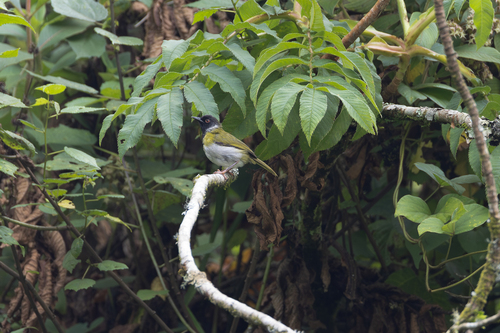
ミヤマカオグロイロムシクイ (Apalis personata) ミヤマカオグロイロムシクイ
タンザニアイロムシクイ (Apalis argentea) タンザニアイロムシクイ

メディア

読み込み中…

要点

ブラックフェイスアパリスとタンザニアイロムシクイをフィールドで区別する最も信頼できる方法は、分布と微妙な羽毛の違いによるもので、両者は小型で活発な森林のウグイスで、構造が似ています。ブラックフェイスアパリスはアルバーティンリフトの山地森林に生息し、タンザニアイロムシクイはブルンジ、東コンゴ民主共和国、ルワンダ、タンザニアに分布しています。これら2種の間で年齢特有の翼や飛行パターンの違いは詳細に記録されていないため、顔と喉の模様および生息地に注目してください。両種はスリムで活発な昆虫食性であり、分布が接近または重なる場所では混乱が最も起こりやすいです。

識別のコツ

  1. 顔のマスク(成鳥): ブラックフェイスアパリスは成鳥において診断的な太くて暗い顔のマスクを持っています。タンザニアイロムシクイはこの強い黒いマスクを欠き、より淡いまたは異なる模様の顔を示します。これは成鳥にとって最も重要なフィールドマークです。
  2. 喉と顔の模様: タンザニアイロムシクイは、以前のセグロイロムシクイの亜種として、鮮明に定義されたブラックフェイスアパリスの黒いマスクなしに、バフィーまたは淡い喉を示すことがあります。常に暗い顔のマーキングの範囲と明瞭さを確認してください。
  3. 分布: アルバーティンリフトの山地森林にいる場合、ブラックフェイスアパリスが期待されます。ブルンジ、東コンゴ民主共和国、ルワンダ、またはタンザニア、特にリフトの外では、タンザニアイロムシクイが可能性の高い種です。分布を主要なフィルターとして使用してください。
  4. 幼鳥/未成熟の鳥: 年齢特有の羽毛に関する詳細な情報は利用できないため、若い鳥には注意が必要です。明確な黒いマスクがない場合は、生息地と微妙な顔の模様を考慮してください。
  5. サイズと構造: 両種は非常に小型でスリムなウグイスで、比例が似ています。区別のためにサイズや形状に頼らないでください。
  6. 行動: 両者は活発で、しばしばペアまたは小グループで、樹冠や中層で餌を探しています。行動は区別の要因ではありません。
  7. 生息地: 両者は森林の生息地を好みますが、ブラックフェイスアパリスはアルバーティンリフトの山地森林に結びついているのに対し、タンザニアイロムシクイは東中央アフリカの低地および山地森林を含む広い地域に生息しています。
  8. 鳴き声: 利用可能なノートには、特異な鳴き声の違いは記録されていません。地域の専門知識がない限り、鳴き声や呼び声に頼らないでください。
  9. 落とし穴: 未成熟の鳥や見えにくい鳥は明白な顔のマークを欠くことがあります。この場合、分布と微妙な模様に頼ってくださいが、不確実性について正直でいてください。
  10. 性差: どちらの種の羽毛における性差に関する情報は利用できません。フィールドマークは両性で似ていると仮定してください。
  11. 文脈: 両種が発生する可能性のある地域でバードウォッチングをしている場合は、顔の模様に特に注意し、後でレビューするための写真記録を考慮してください。
  12. チェックリストの使用: eBirdや同様のプラットフォームに報告する場合は、常に顔のマスクと生息地を記録し、不確実な記録をレビューのためにフラグを立ててください。
  13. セグロイロムシクイとの比較: タンザニアイロムシクイは以前、セグロイロムシクイの亜種として扱われていたため、古いフィールドガイドではこれらの分類群がまとめられたり混同されたりすることがあります。現在の分類法と分布図を再確認してください。
  14. 疑問がある場合: 顔のマスクが明確に見えず、場所があいまいな場合、フィールドでこれら2種を自信を持って区別することはできないかもしれません。

大きさ

ブラックフェイスアパリスの記録された体重は11.0 g [wikidata]であり、非常に小型で軽い鳥であることを示しています。タンザニアイロムシクイの直接的な測定値はありませんが、近縁のアパリスとして、サイズと構造は非常に似ていると予想されます。フィールドでは、サイズはこれら2種を区別する信頼できる要因ではありません。

羽色

どちらの種についても年齢特有の翼や飛行パターンの違いに関する詳細なノートはありませんので、区別は成鳥の羽毛と顔の模様に依存します。ブラックフェイスアパリス(マウンテンマスクドアパリス)は、その特徴的な黒い顔にちなんで名付けられており、成鳥における重要なフィールドマークです。タンザニアイロムシクイは、以前はセグロイロムシクイの亜種と考えられていたため、強い黒い顔のマスクを欠き、代わりにより控えめまたは異なる模様の顔と喉を示します。幼鳥や未成熟の羽毛については利用可能なノートに記載されていないため、非成鳥の鳥には注意が必要です。すべての年齢において、太くて黒い顔のマスクの有無に注目してください。

行動

両種はアパリス属に典型的な活発な樹上昆虫食性であり、しばしばペアまたは小グループで森林の樹冠や中層で餌を探しています。彼らの動き、採餌スタイル、一般的な「ジズ」は非常に似ており、区別には役立ちません。

生息環境

生息地と分布は区別に重要です。ブラックフェイスアパリスはアルバーティンリフトの山地森林に制限されているのに対し、タンザニアイロムシクイはブルンジ、東コンゴ民主共和国、ルワンダ、タンザニアに分布し、通常は類似の森林生息地に生息しています。アルバーティンリフトの外、特に東タンザニアやブルンジにいる場合、タンザニアイロムシクイの方がはるかに可能性が高いです。両種は森林環境を好むため、文脈は地域スケールで最も有用です。

より良い説明を送る

比較と同じ項目を使ってください。文章はすぐに公開されます。

The most reliable way to separate Black-faced Apalis from Kungwe Apalis in the field is by range and subtle plumage differences, as both are small, active forest warblers with similar structure. Black-faced Apalis is native to the Albertine Rift montane forests, while Kungwe Apalis is found in Burundi, eastern DRC, Rwanda, and Tanzania. There are no detailed age-specific wing or flight pattern differences documented between these two species, so focus on facial and throat patterning and locality. Both species are slim, active insectivores, and confusion is most likely where their ranges approach or overlap.

  1. Facial Mask (Adults): Black-faced Apalis has a bold, dark facial mask that is diagnostic in adults. Kungwe Apalis lacks this strong black mask, showing a paler or differently marked face. This is the single most important field mark for adults.
  2. Throat and Face Pattern: Kungwe Apalis, as a former Buff-throated Apalis subspecies, may show a buffy or pale throat, without the sharply defined black mask of Black-faced Apalis. Always check for the extent and clarity of dark facial markings.
  3. Range: If you are in the Albertine Rift montane forests, Black-faced Apalis is expected. In Burundi, eastern DRC, Rwanda, or Tanzania, especially outside the Rift, Kungwe Apalis is the likely species. Use range as a primary filter.
  4. Juvenile/Immature Birds: No detailed information is available for age-specific plumages, so be cautious with young birds. In the absence of a clear black mask, consider locality and subtle facial pattern.
  5. Size and Structure: Both species are very small, slim warblers with similar proportions. Do not rely on size or shape for separation.
  6. Behavior: Both are active, often in pairs or small groups, foraging in the canopy or midstory. Behavior is not a separator.
  7. Habitat: Both prefer forested habitats, but Black-faced Apalis is tied to montane forests of the Albertine Rift, while Kungwe Apalis occurs in a broader area including lowland and montane forests of eastern Central Africa.
  8. Vocalizations: No distinctive vocal differences are documented in the available notes. Do not rely on song or call for separation unless you have local expertise.
  9. Pitfalls: Immature birds or those seen poorly may lack obvious facial marks. In these cases, rely on range and subtle pattern, but be honest about uncertainty.
  10. Sexual Dimorphism: No information is available on sex differences in plumage for either species; assume both sexes are similar in field marks.
  11. Context: If you are birding in a region where both species could occur, take extra care with facial pattern and consider photographic documentation for later review.
  12. Checklist Use: If reporting to eBird or similar platforms, always note the facial mask and locality, and flag uncertain records for review.
  13. Comparison with Buff-throated Apalis: Kungwe Apalis was formerly treated as a subspecies of Buff-throated Apalis, so older field guides may lump or confuse these taxa. Double-check current taxonomy and range maps.
  14. When in Doubt: If the facial mask is not clearly visible and the location is ambiguous, it may not be possible to confidently separate these two species in the field.

Black-faced Apalis has a documented body mass of 11.0 g [wikidata], indicating a very small, light bird. There is no direct measurement for Kungwe Apalis, but as a closely related Apalis, it is expected to be very similar in size and structure. In the field, size is not a reliable separator between these two species.

There are no detailed notes on age-specific wing or flight pattern differences for either species, so separation relies on adult plumage and facial pattern. Black-faced Apalis (Mountain Masked Apalis) is named for its distinctive black face, which is a key field mark in adults. Kungwe Apalis, previously considered a subspecies of Buff-throated Apalis, lacks the strong black facial mask and instead shows a more muted or differently patterned face and throat. Juvenile and immature plumages are not described in the available notes, so caution is needed with non-adult birds. In all ages, focus on the presence or absence of a bold black facial mask.

Both species are active, arboreal insectivores typical of the Apalis genus, often foraging in pairs or small groups in the forest canopy or midstory. Their movements, feeding style, and general 'jizz' are very similar and not useful for separation.

Habitat and range are important for separation. Black-faced Apalis is restricted to the Albertine Rift montane forests, while Kungwe Apalis is found in Burundi, eastern DRC, Rwanda, and Tanzania, typically in similar forested habitats. If you are outside the Albertine Rift, especially in eastern Tanzania or Burundi, Kungwe Apalis is far more likely. Both species prefer forested environments, so context is most useful at the regional scale.

変更を破棄しますか?

保存していない編集があります。今離れると失われます。

ミヤマカオグロイロムシクイ · タンザニアイロムシクイ · 苦手な鳥