

Black-faced Apalis vs Kungwe Apalis
Apalis personata contro Apalis argentea
Fai un quiz con Black-faced Apalis e Kungwe Apalis
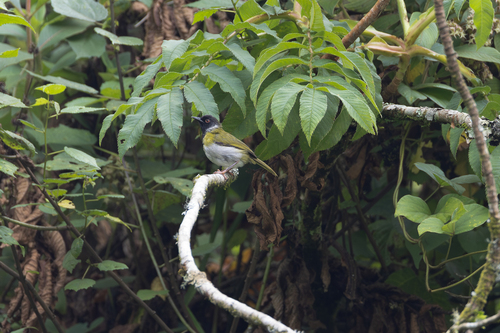 Black-faced Apalis
 Kungwe Apalis
In breve
Il modo più affidabile per separare il Black-faced Apalis dal Kungwe Apalis sul campo è attraverso l'areale e le sottili differenze nel piumaggio, poiché entrambi sono piccoli, attivi warbler forestali con una struttura simile. Il Black-faced Apalis è nativo delle foreste montane del Rift Albertino, mentre il Kungwe Apalis si trova in Burundi, nella Repubblica Democratica del Congo orientale, in Ruanda e in Tanzania. Non ci sono differenze documentate specifiche per età nei modelli di ali o di volo tra queste due specie, quindi concentrati sui modelli facciali e della gola e sulla località. Entrambe le specie sono slanciate, attive insettivore, e la confusione è più probabile dove i loro areali si avvicinano o si sovrappongono.
Consigli di identificazione
- Maschera Facciale (Adulti): Il Black-faced Apalis ha una maschera facciale scura e audace che è diagnostica negli adulti. Il Kungwe Apalis manca di questa forte maschera nera, mostrando un volto più chiaro o diversamente marcato. Questo è il segno distintivo più importante per gli adulti.
- Modello della Gola e del Viso: Il Kungwe Apalis, come una ex sottospecie di Buff-throated Apalis, può mostrare una gola color crema o pallida, senza la maschera nera ben definita del Black-faced Apalis. Controlla sempre l'estensione e la chiarezza delle marcature facciali scure.
- Areale: Se ti trovi nelle foreste montane del Rift Albertino, ci si aspetta di vedere il Black-faced Apalis. In Burundi, nella Repubblica Democratica del Congo orientale, in Ruanda o in Tanzania, specialmente al di fuori del Rift, il Kungwe Apalis è la specie probabile. Usa l'areale come filtro principale.
- Uccelli Giovanili/Immaturi: Non sono disponibili informazioni dettagliate sui piumaggi specifici per età, quindi fai attenzione con gli uccelli giovani. In assenza di una chiara maschera nera, considera la località e il sottile modello facciale.
- Dimensioni e Struttura: Entrambe le specie sono warbler molto piccoli e snelli con proporzioni simili. Non fare affidamento su dimensioni o forma per la separazione.
- Comportamento: Entrambi sono attivi, spesso in coppie o piccoli gruppi, foraggiando nella chioma o nel sottobosco. Il comportamento non è un separatore.
- Habitat: Entrambi preferiscono habitat forestali, ma il Black-faced Apalis è legato alle foreste montane del Rift Albertino, mentre il Kungwe Apalis si trova in un'area più ampia che include foreste di pianura e montane dell'Africa centrale orientale.
- Vocalizzazioni: Non sono documentate differenze vocali distintive nelle note disponibili. Non fare affidamento sul canto o sul richiamo per la separazione a meno che tu non abbia competenze locali.
- Trappole: Gli uccelli immaturi o quelli visti male possono mancare di segni facciali evidenti. In questi casi, fai affidamento sull'areale e sul modello sottile, ma sii onesto riguardo all'incertezza.
- Dimorfismo Sessuale: Non sono disponibili informazioni sulle differenze sessuali nel piumaggio per entrambe le specie; si presume che entrambi i sessi siano simili nei segni sul campo.
- Contesto: Se stai osservando uccelli in una regione in cui potrebbero verificarsi entrambe le specie, fai particolare attenzione al modello facciale e considera la documentazione fotografica per una revisione successiva.
- Utilizzo della Lista di Controllo: Se riporti a eBird o piattaforme simili, annota sempre la maschera facciale e la località, e segnala i record incerti per la revisione.
- Confronto con Buff-throated Apalis: Il Kungwe Apalis è stato precedentemente considerato una sottospecie di Buff-throated Apalis, quindi le guide sul campo più vecchie potrebbero confondere queste tasse. Controlla la tassonomia attuale e le mappe degli areali.
- Quando in Dubbio: Se la maschera facciale non è chiaramente visibile e la posizione è ambigua, potrebbe non essere possibile separare con fiducia queste due specie sul campo.
Taglia
Il Black-faced Apalis ha una massa corporea documentata di 11.0 g [wikidata], indicando un uccello molto piccolo e leggero. Non ci sono misurazioni dirette per il Kungwe Apalis, ma essendo un Apalis strettamente correlato, ci si aspetta che sia molto simile in dimensioni e struttura. Sul campo, le dimensioni non sono un separatore affidabile tra queste due specie.
Piumaggio
Non ci sono note dettagliate sulle differenze nei modelli di ali o di volo specifici per età per entrambe le specie, quindi la separazione si basa sul piumaggio adulto e sul modello facciale. Il Black-faced Apalis (Mountain Masked Apalis) è chiamato così per il suo distintivo volto nero, che è un segno chiave sul campo negli adulti. Il Kungwe Apalis, precedentemente considerato una sottospecie di Buff-throated Apalis, manca della forte maschera facciale nera e mostra invece un volto e una gola più attenuati o diversamente marcati. I piumaggi giovanili e immaturi non sono descritti nelle note disponibili, quindi è necessaria cautela con gli uccelli non adulti. In tutte le età, concentrati sulla presenza o assenza di una maschera facciale nera audace.
Comportamento
Entrambe le specie sono attive, insettivore arboree tipiche del genere Apalis, spesso foraggiando in coppie o piccoli gruppi nella chioma della foresta o nel sottobosco. I loro movimenti, stile di alimentazione e 'jizz' generale sono molto simili e non utili per la separazione.
Habitat
L'habitat e l'areale sono importanti per la separazione. Il Black-faced Apalis è ristretto alle foreste montane del Rift Albertino, mentre il Kungwe Apalis si trova in Burundi, nella Repubblica Democratica del Congo orientale, in Ruanda e in Tanzania, tipicamente in habitat forestali simili. Se ti trovi al di fuori del Rift Albertino, specialmente nell'est della Tanzania o in Burundi, il Kungwe Apalis è molto più probabile. Entrambe le specie preferiscono ambienti forestali, quindi il contesto è più utile su scala regionale.
Black-faced Apalis · Kungwe Apalis · I miei uccelli difficili