

Motmot

ゴイサギ 対 コサギ

Nycticorax nycticorax 対 Egretta garzetta

ゴイサギとコサギのクイズ
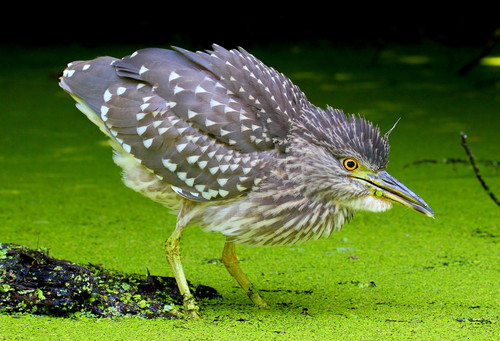
ゴイサギ (Nycticorax nycticorax) ゴイサギ
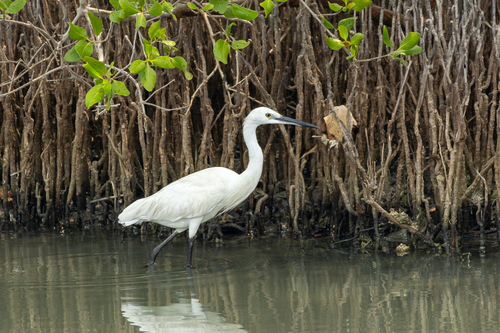
コサギ (Egretta garzetta) コサギ

メディア

読み込み中…

要点

ゴイサギとコサギを区別する最も信頼できるフィールドマークは、全体の色と構造です:成鳥のゴイサギはがっしりとした短い首を持ち、黒い冠と背中、淡い灰色の翼を持っていますが、コサギは細身で長い首を持ち、全体が白色です(黒い足とくちばし、黄色い足を除く)。未成熟のゴイサギは淡い斑点のある茶色で、決して白くはなく、全白のサギは幼鳥のゴイサギではありません。飛行中、コサギは長く細い首と尾を超えてよく伸びた足を見せますが、ゴイサギはコンパクトで背を丸めた姿勢をしており、足と首が短いです。くちばしの色も重要です:ゴイサギは重い黒いくちばしを持ち、コサギは細い黒いくちばしを持っています。黄色い足が見えたら、それはコサギです;黒い冠と背中が見えたら、それはゴイサギです。

識別のコツ

  1. Juvenile/immature plumage: 鳥が淡い斑点と筋のある茶色であれば、それは幼鳥のゴイサギです。全白の鳥は、年齢に関係なくコサギです。
  2. Overall color: 成鳥のゴイサギは黒い冠と背中、淡い灰色の翼、白い腹部を持っています。コサギは全体が純白です。
  3. Bill shape and color: ゴイサギは短くて太い黒いくちばしを持ち、コサギは長くて細い黒いくちばしを持っています。
  4. Leg color: 成鳥のゴイサギは短い黄色の足を持ち(繁殖期にはサーモンピンクに変わる)、コサギは明るい黄色の足を持つ長い黒い足を持っています(足はピークの求愛時に赤くなることがあります)。
  5. Neck and posture: ゴイサギは止まっているときに短い首を持ち、背を丸めています;コサギは長い首を持ち、直立しています。
  6. Head plumes: 両種は繁殖期に頭の羽を持っていますが、ゴイサギの羽は短くて少なく(2〜4本の細い白い羽)、コサギの羽は長く、ふわふわしていて目立ちます。
  7. Flight silhouette: ゴイサギはコンパクトに見え、短い首と足が尾をほとんど超えません。コサギは細身で、飛行中に首を引っ込めますが、ゴイサギよりも長く、足と足が尾を超えてよく伸びています。
  8. Eye color: 成鳥のゴイサギは赤い目を持ち、コサギは黄色い目を持っています。
  9. Feet: 黄色い足が見えたら、それはコサギです。ゴイサギの足はフィールドでは決して黄色ではありません。
  10. Behavior: ゴイサギは特に昼間は動かず、夕暮れや夜により活発です。コサギは昼間に活動的で、しばしば走ったり、足で水をかき回したりして餌を探します。
  11. Habitat: コサギは開けた日当たりの良い浅い水にいる可能性が高く、ゴイサギは覆いのある場所や木の端、木に止まることを好みます。
  12. Vocalization: ゴイサギは特に夕暮れやコロニーで厳しい「クオック」と呼ぶ声を出しますが、コサギは通常静かです。
  13. Breeding season changes: ゴイサギの足は巣作りの始まりにサーモンピンクに変わり、目の周りの皮膚は青くなることがあります;コサギの顔の部分と足は求愛中に赤くなることがあります。
  14. Size and jizz: ゴイサギは重くてがっしりしており、コサギは軽くて優雅で、足が長いです。
  15. Common pitfalls: 背を丸めたコサギをゴイサギと間違えないでください—色と足の長さを見てください。幼鳥のゴイサギは決して白く見えず、コサギは決して茶色、筋のある、または斑点のある羽毛を示しません。

大きさ

ゴイサギはわずかに重く(636 g 対 532 g)、コサギよりも明らかにがっしりとしてコンパクトに見えます。ゴイサギの体はより大きく、首と足が短いのに対し、コサギはより繊細で、細身の体型、長い首、飛行中に尾を超えてよく伸びた足を持っています。両者は中型のサギですが、コサギの長いプロポーションは、特に立っているときや飛んでいるときに、より大きく、より優雅に見えます。

羽色

行動

ゴイサギは通常、薄明かりまたは夜行性であり、水辺で背を丸めて動かずにいることが多く、遅い深い翼の打ち方で飛ぶことが多いです。コサギは昼間に活動的で、しばしば餌を探している姿が見られ、浅い水で足を動かして獲物を追い出すことがあります。

生息環境

両種は湿地に生息していますが、コサギは開けた浅い水、干潟、露出した海岸を好み、より開けた日当たりの良い生息地で見られることが多いです。ゴイサギは植生のある縁、葦原、湖や川の木の端を好み、昼間は覆いのある場所や木に止まっていることが多いです。ゴイサギは昼間の正午にコサギよりも開けた場所で見られる可能性が低いです。

声

ゴイサギはコロニーで騒がしく、特に夕暮れや夜に厳しい「クオック」または「ウォック」と呼ぶ声を出します。コサギは一般的に静かで、情報源には特に目立つ大きな声は記載されていません。

より良い説明を送る

比較と同じ項目を使ってください。文章はすぐに公開されます。

The most reliable field mark to separate Black-crowned Night Heron from Little Egret is overall color and structure: adult night herons are stocky, short-necked, and have a black crown and back with pale grey wings, while Little Egrets are slim, long-necked, and entirely white (except for black legs and bill, and yellow feet). Immature night herons are brownish with pale spots, never white, so any all-white heron is not a juvenile night heron. In flight, Little Egret shows a long, slender neck and legs trailing well beyond the tail, while Black-crowned Night Heron appears compact and hunched, with shorter legs and neck. Bill color is also key: night herons have a heavy black bill, while Little Egrets have a slender black bill. If you see yellow feet, it's a Little Egret; if you see a black crown and back, it's a Black-crowned Night Heron.

  1. Juvenile/immature plumage: If the bird is brownish with pale spots and streaks, it's a juvenile Black-crowned Night Heron. All-white birds, regardless of age, are Little Egret.
  2. Overall color: Adult Black-crowned Night Heron has a black crown and back, pale grey wings, and white underparts. Little Egret is pure white all over.
  3. Bill shape and color: Night heron has a short, thick, black bill; Little Egret has a long, slender, black bill.
  4. Leg color: Adult night herons have short yellow legs (turning salmon-pink in breeding season), while Little Egret has long black legs with bright yellow feet (feet may turn red in peak courtship).
  5. Neck and posture: Night herons are short-necked and hunched when perched; egrets are long-necked and upright.
  6. Head plumes: Both species have head plumes in breeding season, but night heron's are shorter and fewer (2–4 slender white plumes), while Little Egret's are long, wispy, and more prominent.
  7. Flight silhouette: Night heron looks compact, with short neck and legs barely extending past the tail. Little Egret is slim, with long neck retracted in flight but still longer than night heron's, and legs and feet trailing well beyond the tail.
  8. Eye color: Adult night herons have red eyes; Little Egret has yellow eyes.
  9. Feet: If you see yellow feet, it's a Little Egret. Night heron's feet are never yellow in the field.
  10. Behavior: Night herons are often motionless, especially by day, and more active at dusk or night. Little Egrets are active, foraging in daylight, often running or stirring water with their feet.
  11. Habitat: Little Egret is more likely in open, sunlit, shallow water; night heron prefers cover, wooded edges, or roosting in trees.
  12. Vocalization: Night heron gives harsh 'quok' calls, especially at dusk or in colonies; Little Egret is typically quiet.
  13. Breeding season changes: Night heron's legs may turn salmon-pink and skin around eyes blue at the start of nesting; Little Egret's lores and feet may turn red during courtship.
  14. Size and jizz: Night heron is heavier and stockier; egret is lighter, more graceful, and longer-legged.
  15. Common pitfalls: Do not mistake a hunched egret for a night heron—look for color and leg length. Juvenile night herons never appear white, and Little Egret never shows brown, streaked, or spotted plumage.

Black-crowned Night Heron is slightly heavier (636 g vs. 532 g) and appears noticeably stockier and more compact than Little Egret. The night heron's body is bulkier, with a shorter neck and legs, while Little Egret is more delicate, with a slender build, longer neck, and legs that extend well past the tail in flight. Both are medium-sized herons, but the egret's longer proportions make it look larger and more graceful, especially when standing or flying.

  • Juvenile/immature birds: Black-crowned Night Heron immatures are dull grey-brown above with pale teardrop spots and streaked underparts, with orange eyes and dull yellowish-green legs. They never appear all-white. Little Egret juveniles are white like adults, but with greenish-black legs and duller yellow feet, and may show some greyish or brownish feathers, but never the brown, streaky, or spotted look of a young night heron.
  • Adults: Black-crowned Night Heron adults have a striking black crown and back, pale grey wings, white underparts, and red eyes. Little Egret adults are entirely white, with black bill, black legs, and yellow feet. During breeding, both species grow head plumes, but the egret's are longer and more obvious. Night herons have shorter, slender white plumes on the back of the head.
  • In flight: Little Egret shows all-white wings and body, with long black legs and yellow feet trailing behind. Black-crowned Night Heron shows pale grey wings, white underparts, and a short, thick profile with legs barely extending beyond the tail.

Black-crowned Night Heron is typically crepuscular or nocturnal, often seen hunched and motionless at the water's edge, or flying with slow, deep wingbeats and a compact outline. Little Egret is active by day, often seen actively stalking, running, or shuffling its feet in shallow water to flush prey, sometimes with wings raised. Egrets are more likely to forage in open, exposed areas and may be seen feeding with other waders. Night herons are more secretive, often roosting in trees or dense vegetation during the day.

Both species occur in wetlands, but Little Egret prefers open shallow waters, mudflats, and exposed shorelines, and is often seen in more open, sunlit habitats. Black-crowned Night Heron favors vegetated margins, reedbeds, or wooded edges of lakes and rivers, and is more likely to be found in cover or perched in trees during the day. Night herons are less likely to be seen in the open at midday compared to Little Egret.

Black-crowned Night Heron is noisy in colonies, giving harsh 'quok' or 'woc' calls, especially at dusk or night. Little Egret is generally quieter, with no distinctive loud call noted in the sources.

変更を破棄しますか?

保存していない編集があります。今離れると失われます。

ゴイサギ · コサギ · 苦手な鳥