

Nitticora vs Garzetta
Nycticorax nycticorax contro Egretta garzetta
Fai un quiz con Nitticora e Garzetta
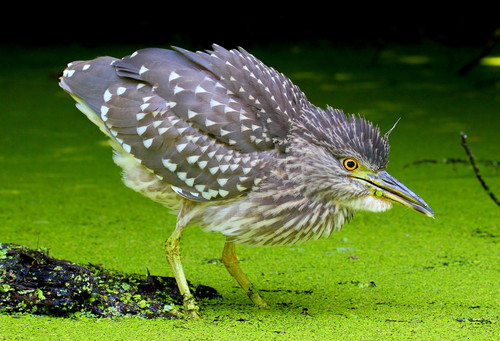 Nitticora
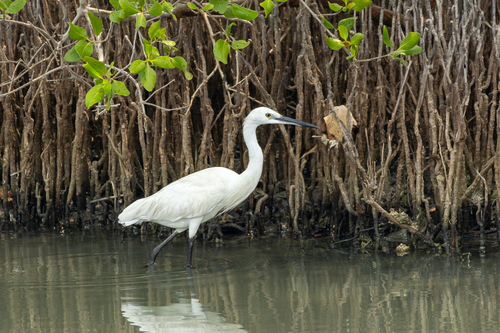 Garzetta
In breve
Il segno distintivo più affidabile per separare la Nitticora dalla Garzetta è il colore e la struttura complessivi: le nitticore adulte sono robuste, con collo corto, e hanno una corona e un dorso neri con ali grigie chiare, mentre le Garzette sono slanciate, con collo lungo e completamente bianche (eccetto per le gambe e il becco neri e i piedi gialli). Le nitticore immature sono marroni con macchie chiare, mai bianche, quindi qualsiasi airone completamente bianco non è una nitticora giovanile. In volo, la Garzetta mostra un collo e gambe lunghi che si estendono ben oltre la coda, mentre la Nitticora appare compatta e curvata, con gambe e collo più corti. Anche il colore del becco è fondamentale: le nitticore hanno un becco nero pesante, mentre le Garzette hanno un becco nero snodato. Se vedi piedi gialli, è una Garzetta; se vedi una corona e un dorso neri, è una Nitticora.
Consigli di identificazione
- Juvenile/immature plumage: Se l'uccello è marrone con macchie e striature chiare, è una Nitticora giovanile. Gli uccelli completamente bianchi, indipendentemente dall'età, sono Garzetta.
- Overall color: La Nitticora adulta ha una corona e un dorso neri, ali grigie chiare e parti inferiori bianche. La Garzetta è completamente bianca.
- Bill shape and color: L'airone notturno ha un becco corto, spesso e nero; la Garzetta ha un becco lungo, snodato e nero.
- Leg color: Le nitticore adulte hanno gambe gialle corte (che diventano rosa salmone durante la stagione di nidificazione), mentre la Garzetta ha gambe nere lunghe con piedi gialli brillanti (i piedi possono diventare rossi durante il picco della corte).
- Neck and posture: Le nitticore hanno collo corto e sono curvate quando sono in perching; le garzette hanno collo lungo e sono erette.
- Head plumes: Entrambe le specie hanno piume sulla testa durante la stagione di nidificazione, ma quelle della nitticora sono più corte e meno numerose (2–4 piume bianche sottili), mentre quelle della Garzetta sono lunghe, sottili e più prominenti.
- Flight silhouette: La Nitticora appare compatta, con collo corto e gambe che si estendono appena oltre la coda. La Garzetta è snella, con collo lungo ritratto in volo ma comunque più lungo di quello della nitticora, e gambe e piedi che si estendono ben oltre la coda.
- Eye color: Le nitticore adulte hanno occhi rossi; la Garzetta ha occhi gialli.
- Feet: Se vedi piedi gialli, è una Garzetta. I piedi della nitticora non sono mai gialli nel campo.
- Behavior: Le nitticore sono spesso immobili, specialmente di giorno, e più attive al crepuscolo o di notte. Le Garzette sono attive, cercando cibo alla luce del giorno, spesso correndo o mescolando l'acqua con i piedi.
- Habitat: La Garzetta è più probabile che si trovi in acque poco profonde, aperte e illuminate dal sole; la nitticora preferisce copertura, margini boschivi o posatoi sugli alberi.
- Vocalization: La nitticora emette richiami aspri 'quok', specialmente al crepuscolo o in colonie; la Garzetta è tipicamente silenziosa.
- Breeding season changes: Le gambe della nitticora possono diventare rosa salmone e la pelle intorno agli occhi blu all'inizio della nidificazione; le lore e i piedi della Garzetta possono diventare rossi durante la corte.
- Size and jizz: La nitticora è più pesante e robusta; la garzetta è più leggera, più graziosa e con gambe più lunghe.
- Common pitfalls: Non confondere una garzetta curvata per una nitticora—cerca il colore e la lunghezza delle gambe. Le nitticore giovanili non appaiono mai bianche, e la Garzetta non mostra mai piumaggio marrone, striato o maculato.
Taglia
La Nitticora è leggermente più pesante (636 g contro 532 g) e appare notevolmente più robusta e compatta rispetto alla Garzetta. Il corpo della nitticora è più massiccio, con collo e gambe più corti, mentre la Garzetta è più delicata, con una struttura snella, collo più lungo e gambe che si estendono ben oltre la coda in volo. Entrambi sono aironi di dimensioni medie, ma le proporzioni più lunghe della garzetta la fanno apparire più grande e più graziosa, specialmente quando è in piedi o in volo.
Piumaggio
- Juvenile/immature birds: Le nitticore immature sono di un grigio-marrone opaco sopra con macchie a forma di goccia chiare e parti inferiori striate, con occhi arancioni e gambe di un giallo-verde opaco. Non appaiono mai completamente bianche. Le giovanili della Garzetta sono bianche come gli adulti, ma con gambe nero-verdi e piedi gialli più opachi, e possono mostrare alcune piume grigio o marrone, ma mai l'aspetto marrone, striato o maculato di una giovane nitticora.
- Adults: Le nitticore adulte hanno una striking corona e dorso neri, ali grigie chiare, parti inferiori bianche e occhi rossi. Le Garzette adulte sono completamente bianche, con becco nero, gambe nere e piedi gialli. Durante la nidificazione, entrambe le specie sviluppano piume sulla testa, ma quelle della garzetta sono più lunghe e più evidenti. Le nitticore hanno piume bianche più corte e sottili sulla parte posteriore della testa.
- In flight: La Garzetta mostra ali e corpo completamente bianchi, con lunghe gambe nere e piedi gialli che si estendono dietro. La Nitticora mostra ali grigie chiare, parti inferiori bianche e un profilo corto e spesso con gambe che si estendono appena oltre la coda.
Comportamento
La Nitticora è tipicamente crepuscolare o notturna, spesso vista curvata e immobile al bordo dell'acqua, o volando con battiti d'ala lenti e profondi e un profilo compatto. La Garzetta è attiva di giorno, spesso vista mentre cerca attivamente, corre o mescola i piedi nell'acqua poco profonda per spaventare le prede, a volte con le ali sollevate. Le garzette sono più propense a cercare cibo in aree aperte ed esposte e possono essere viste nutrirsi con altri trampolieri. Le nitticore sono più segrete, spesso posandosi sugli alberi o in vegetazione densa durante il giorno.
Habitat
Entrambe le specie si trovano in zone umide, ma la Garzetta preferisce acque poco profonde, fangose e coste esposte, ed è spesso vista in habitat più aperti e illuminati dal sole. La Nitticora favorisce margini vegetati, canneti o bordi boschivi di laghi e fiumi, ed è più probabile trovarla in copertura o posata sugli alberi durante il giorno. Le nitticore sono meno probabili da vedere in aperto a mezzogiorno rispetto alla Garzetta.
Voce
La Nitticora è rumorosa in colonie, emettendo richiami aspri 'quok' o 'woc', specialmente al crepuscolo o di notte. La Garzetta è generalmente più silenziosa, senza un richiamo distintivo forte notato nelle fonti.